


Secondary sourcePaintingafter 1783
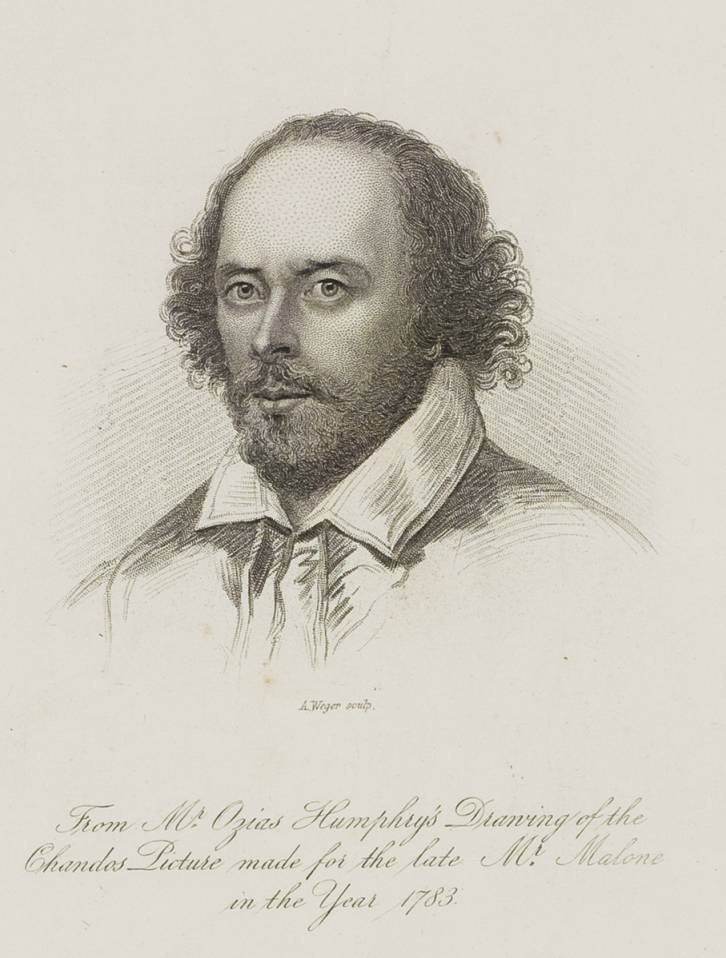
William Shakespeare engraving after Ozias Humphry's drawing
Ozias Humphry · after 1783
An engraving copying a 1783 drawing by Ozias Humphry, itself based on the Chandos portrait of Shakespeare.
A copied portrait image of Shakespeare, part of a chain of reproductions of the Chandos picture made long after his death.
About this source
What it is
This engraving, signed 'A. Weger sculp.', reproduces a drawing made by the artist Ozias Humphry in 1783. Humphry's drawing was itself a copy of the so-called Chandos portrait, a well-known painted image of Shakespeare. The caption notes the drawing was made for a man named Malone. The print is held by the Catholic University of Leuven.
Why it matters
This object shows a chain of copying: an original painted portrait (the Chandos picture), copied by Humphry as a drawing in 1783, then copied again as a printed engraving. Each step was made long after Shakespeare's lifetime by artists who never saw him. It shows how people in the 1700s and after tried to fix an 'official' face for Shakespeare, reusing and reworking existing images rather than creating new evidence of his appearance.
Look closer
- Why do you think so many artists copied the same portrait of Shakespeare instead of creating new images?
- What does the long chain of copies (painting to drawing to engraving) tell you about how reliable this likeness might be?
- What questions would you want to ask about the original Chandos portrait that this image doesn't answer?
This painting is part of the curated material that grounds the AI version of William Shakespeare on Humy.ai — when students ask about related events, the AI can quote it and cite it.
More William Shakespeare sources
Meet the AI William Shakespeare →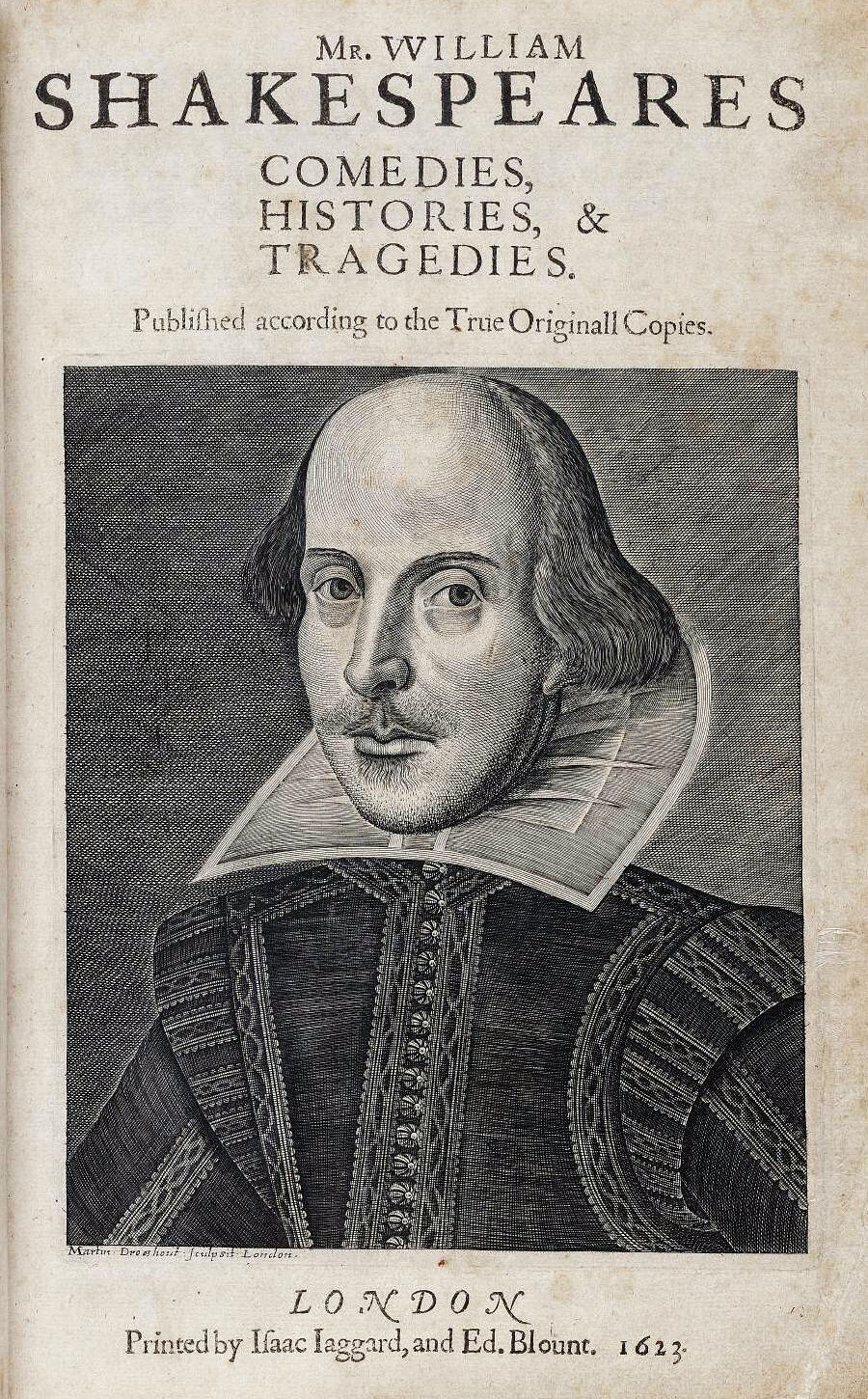 Book
Primary source
First Folio
William Shakespeare · 1623
 Painting
Secondary source
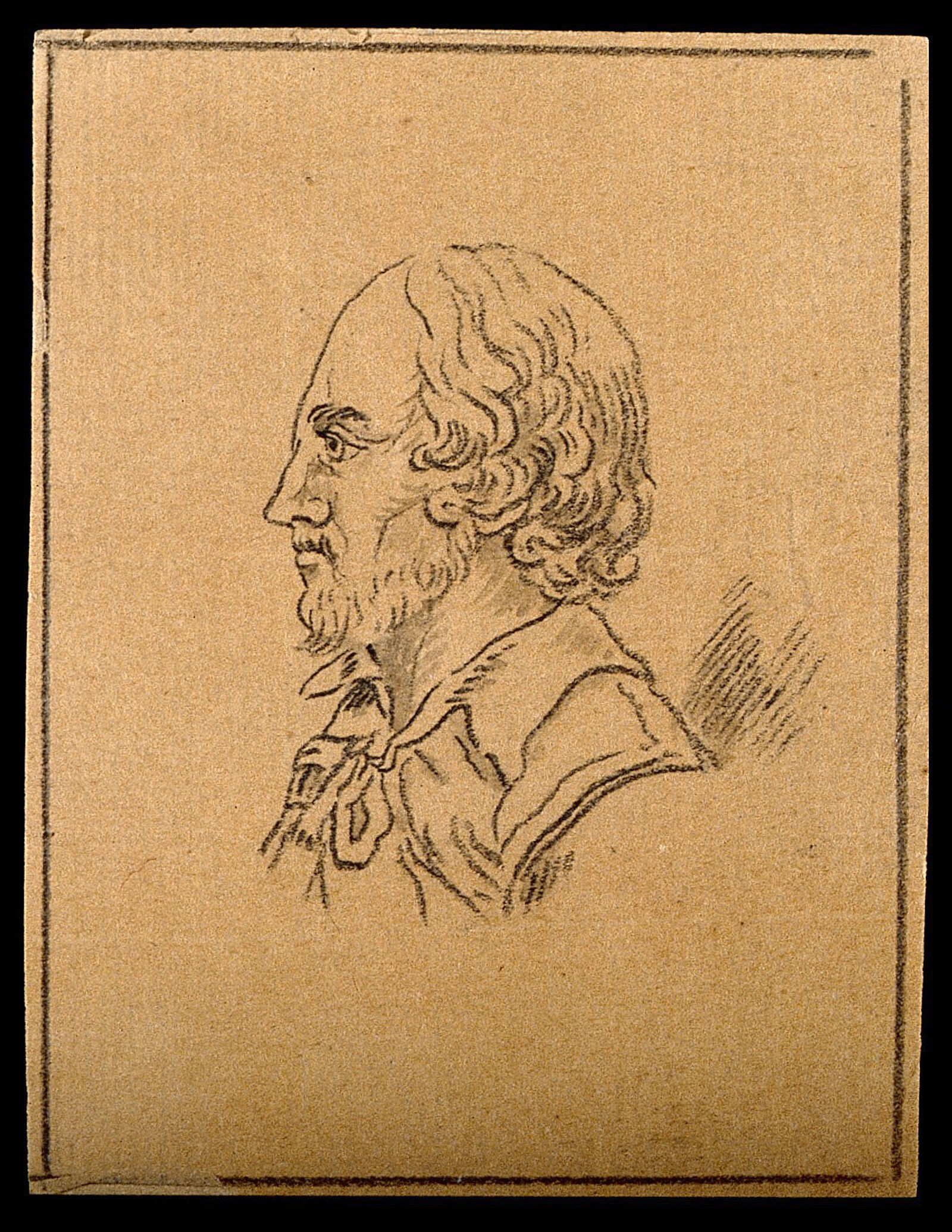
Profile Drawing of William Shakespeare
Johann Kaspar Lavater · c. 1793
 Painting
Secondary source
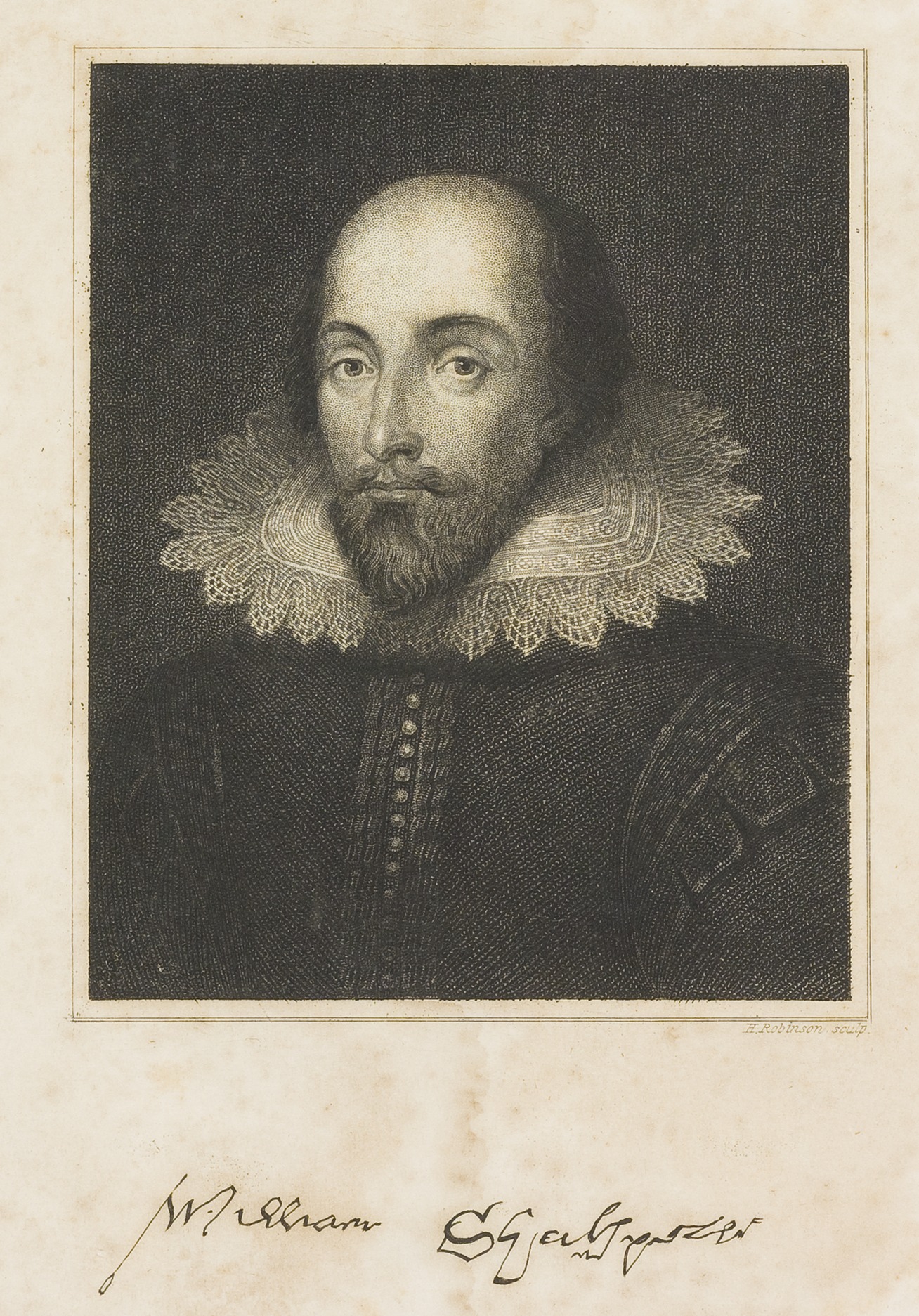
William Shakespeare engraving by John Henry Robinson
John Henry Robinson · 30 November 1827
 Document
Primary source
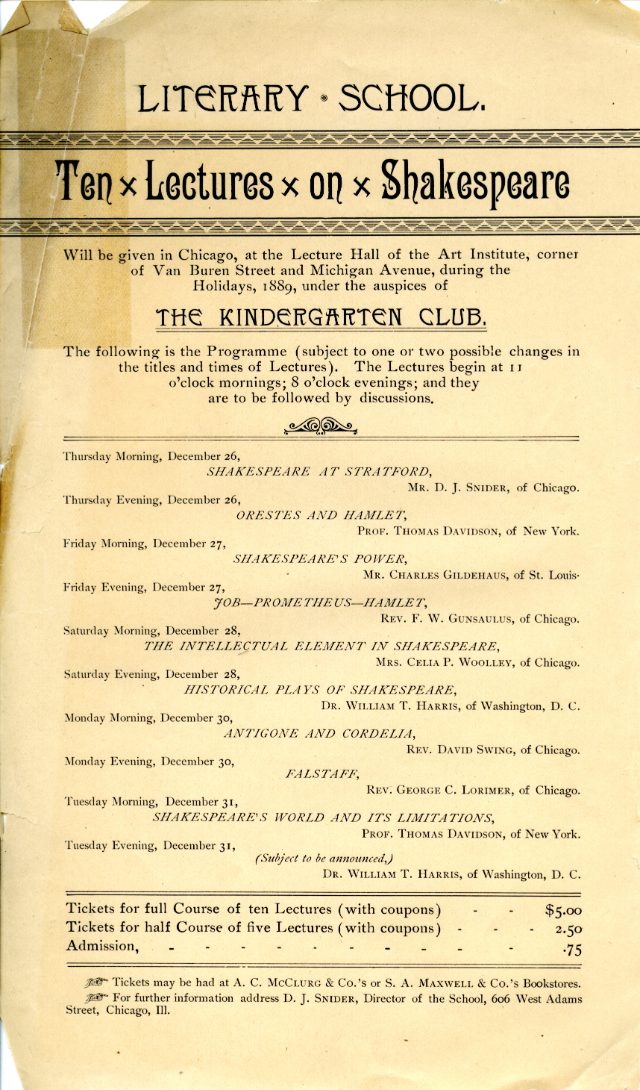
Ten Lectures on Shakespeare
Literary School · 1889
Primary source
Macbeth
William Shakespeare · c. 1606
Ready when you are
Start chatting with William Shakespeare now.
20 messages free · No credit card · Available in 50+ languages.