


Secondary sourcePainting1623
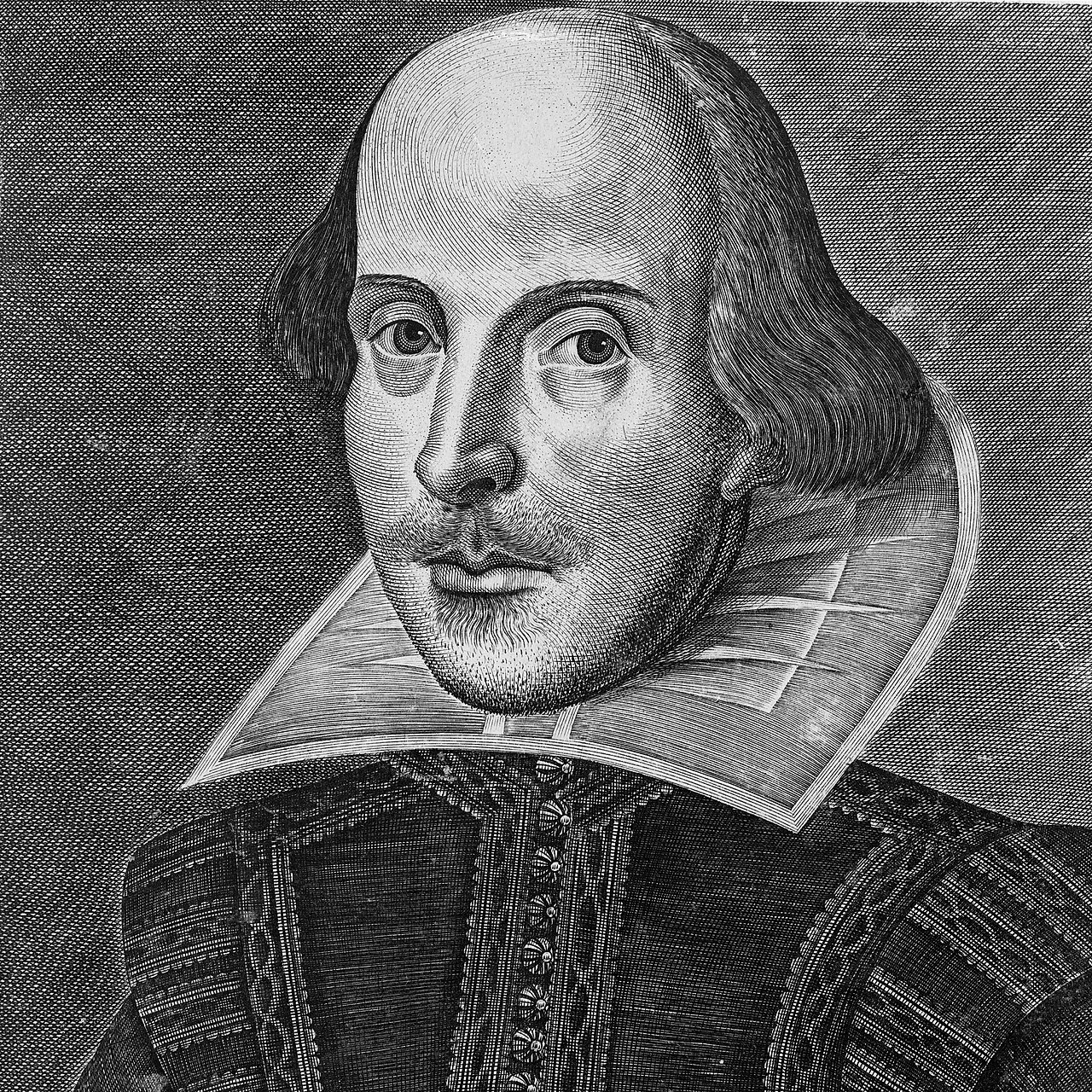
Droeshout Portrait of William Shakespeare
Martin Droeshout · 1623
An engraved portrait of William Shakespeare used as the frontispiece of the First Folio, one of the best-known images of his face.
This engraving is one of the most recognized depictions of Shakespeare's face, used in the first collected edition of his works.
About this source
What it is
This is an engraving made by Martin Droeshout in 1623. It shows a bald-domed man with shoulder-length hair, a thin mustache and short beard, wearing a dark embroidered doublet and a wide white collar. It was printed as the frontispiece of the First Folio, the first collected edition of Shakespeare's plays.
Why it matters
Because no portrait of Shakespeare was made from life that is certainly authentic, this engraving by Droeshout became one of the main images used to imagine what he looked like. It shows how the people who published his works wanted him to be remembered, seven years after his death.
Look closer
- What details in the clothing and face stand out to you?
- Why might the publishers have wanted a formal portrait like this at the front of the book?
- What can't a portrait like this tell us about a person?
This painting is part of the curated material that grounds the AI version of William Shakespeare on Humy.ai — when students ask about related events, the AI can quote it and cite it.
More William Shakespeare sources
Meet the AI William Shakespeare →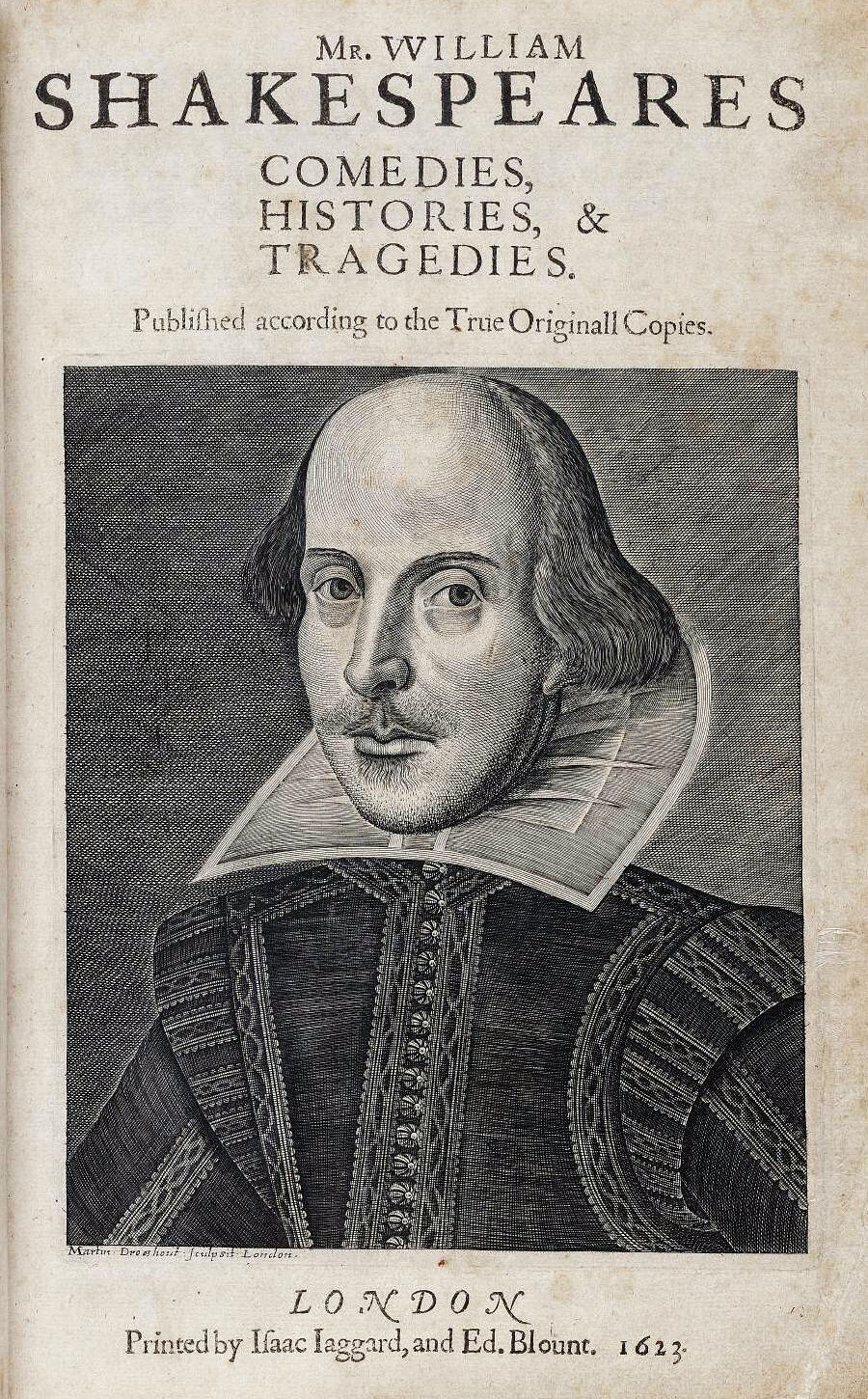 Book
Primary source
First Folio
William Shakespeare · 1623
 Painting
Secondary source
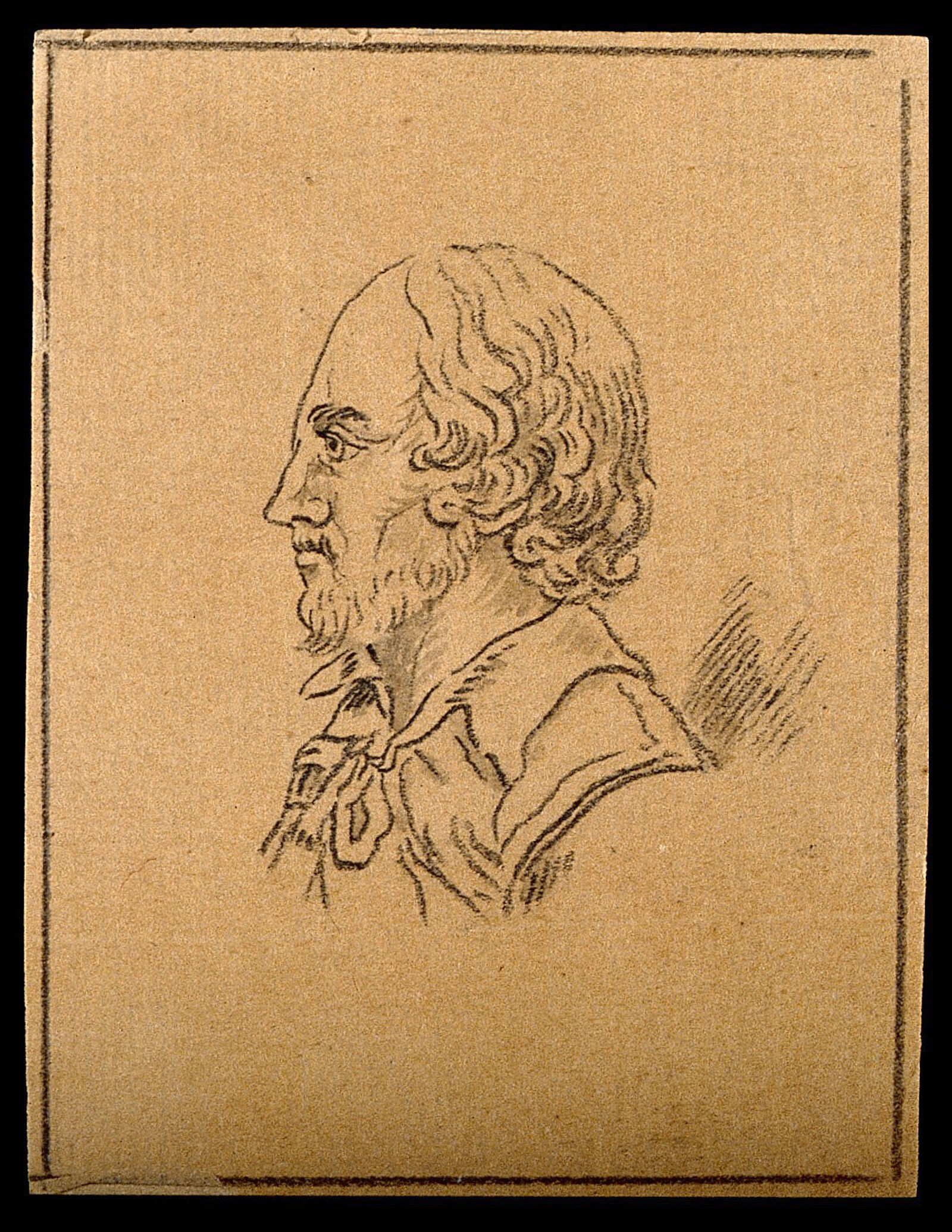
Profile Drawing of William Shakespeare
Johann Kaspar Lavater · c. 1793
 Painting
Secondary source
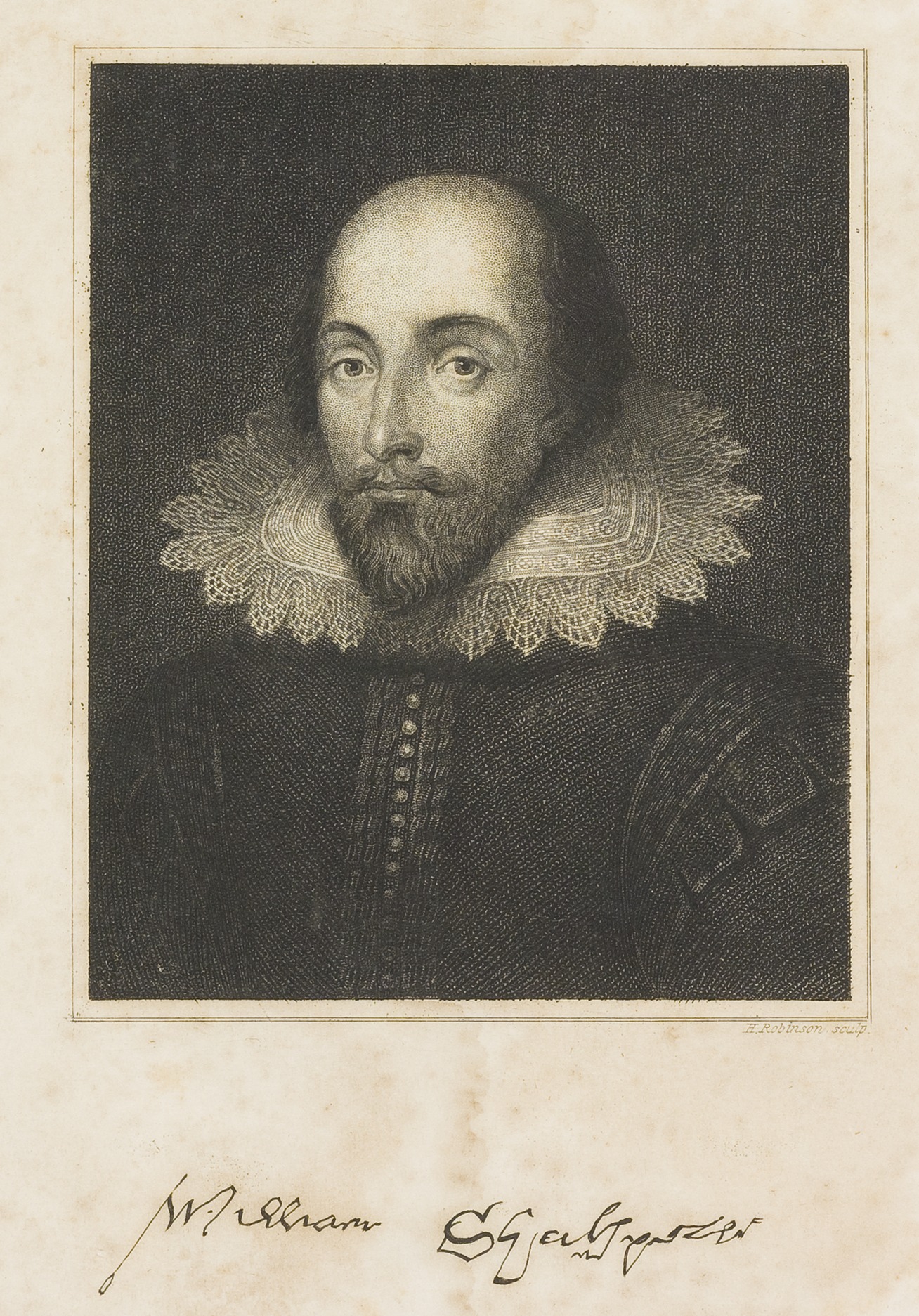
William Shakespeare engraving by John Henry Robinson
John Henry Robinson · 30 November 1827
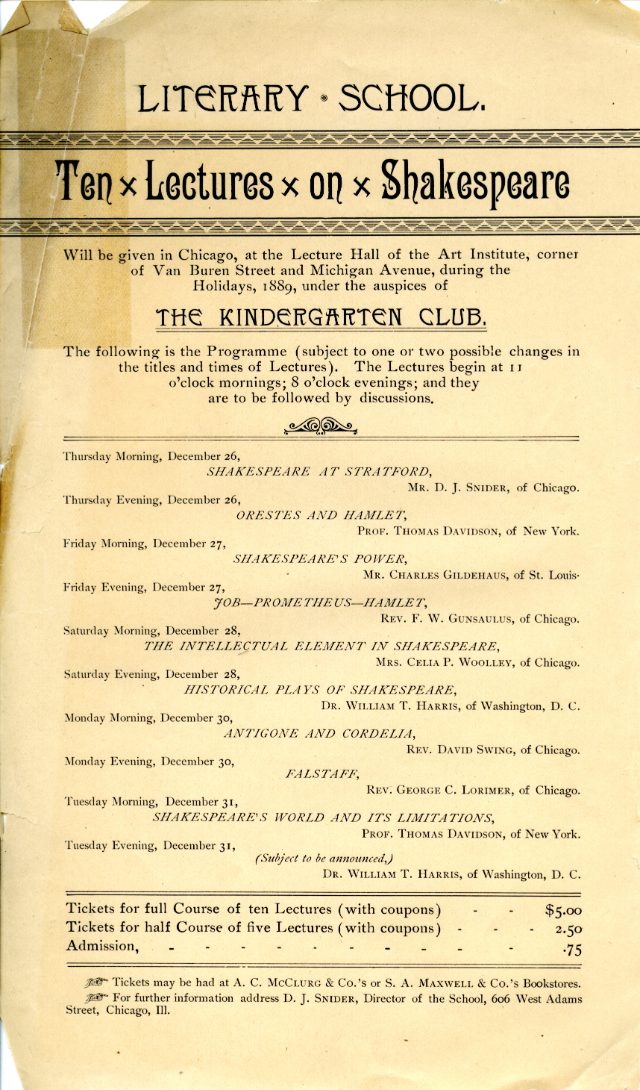 Document
Primary source
Ten Lectures on Shakespeare
Literary School · 1889
Primary source
Macbeth
William Shakespeare · c. 1606
Ready when you are
Start chatting with William Shakespeare now.
20 messages free · No credit card · Available in 50+ languages.