


Primary sourceBook1609
Sonnet 18
William Shakespeare · 1609
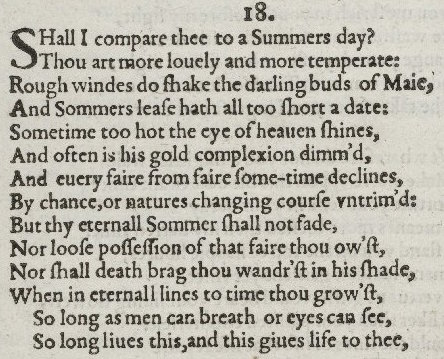
One of Shakespeare's 154 sonnets, published in 1609, beginning 'Shall I compare thee to a summer's day?', addressed to the so-called Fair Youth.
One of Shakespeare's own sonnets, expressing his belief that poetry grants immortality to its subject.
About this source
What it is
Sonnet 18 is one of 154 sonnets written by William Shakespeare and published in 1609. It is part of what scholars call the Fair Youth sequence, addressed to an unnamed young man, and follows the traditional English sonnet form of three quatrains and a closing couplet.
Why it matters
The sonnet compares its subject favourably to a summer's day, arguing that while nature fades, the young man will live forever through the words of the poem itself. This idea—that poetry can grant a kind of immortality to its subject—is one of Shakespeare's most famous literary claims, and the poem remains one of the best-known in the English language.
Look closer
- What does the poem claim will outlast the summer, and why?
- Why might Shakespeare have chosen nature imagery to make a point about poetry and permanence?
- What does the poem leave out about the person it addresses?
This book is part of the curated material that grounds the AI version of William Shakespeare on Humy.ai — when students ask about related events, the AI can quote it and cite it.
More William Shakespeare sources
Meet the AI William Shakespeare → Book
Primary source
First Folio
William Shakespeare · 1623
 Painting
Secondary source
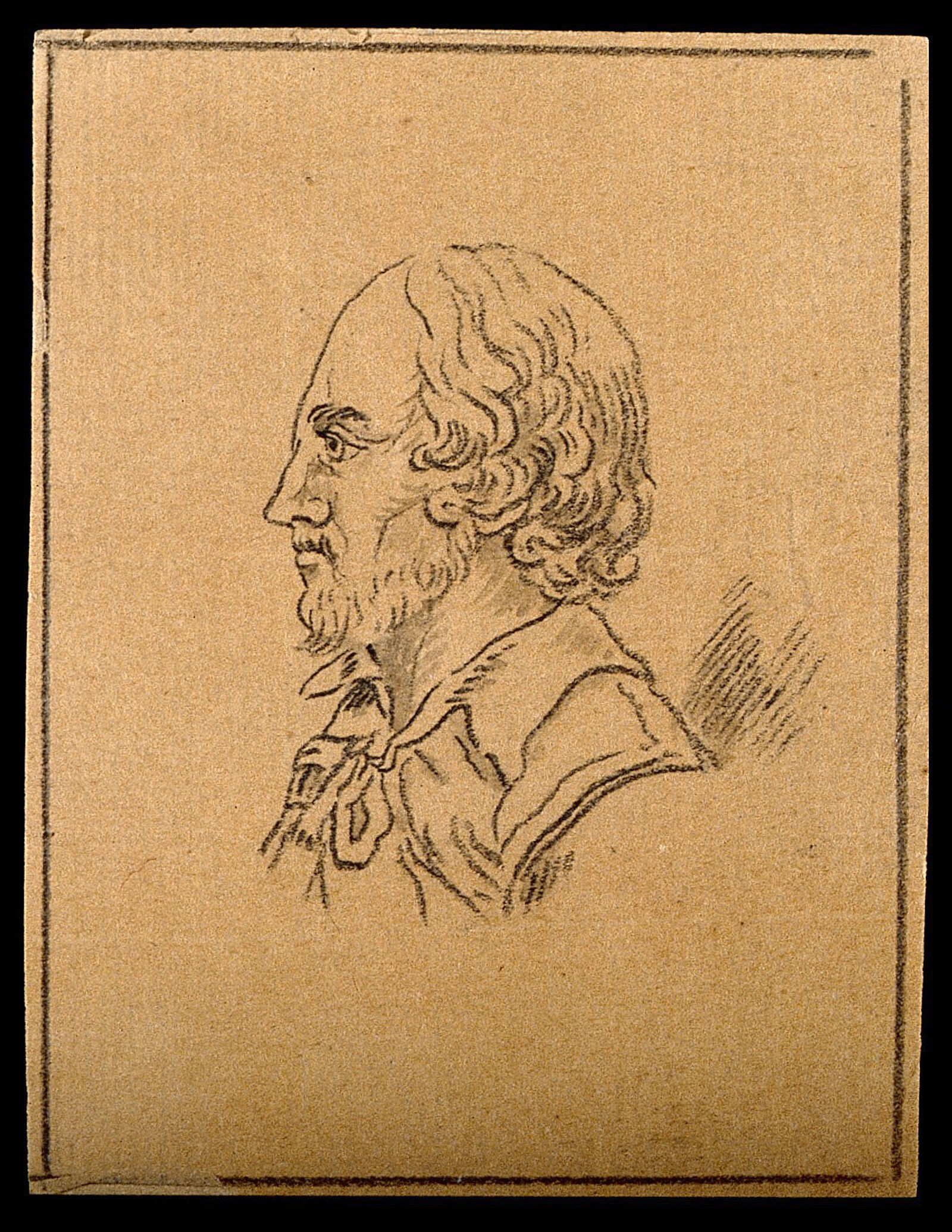
Profile Drawing of William Shakespeare
Johann Kaspar Lavater · c. 1793
 Painting
Secondary source
William Shakespeare engraving by John Henry Robinson
John Henry Robinson · 30 November 1827
 Document
Primary source
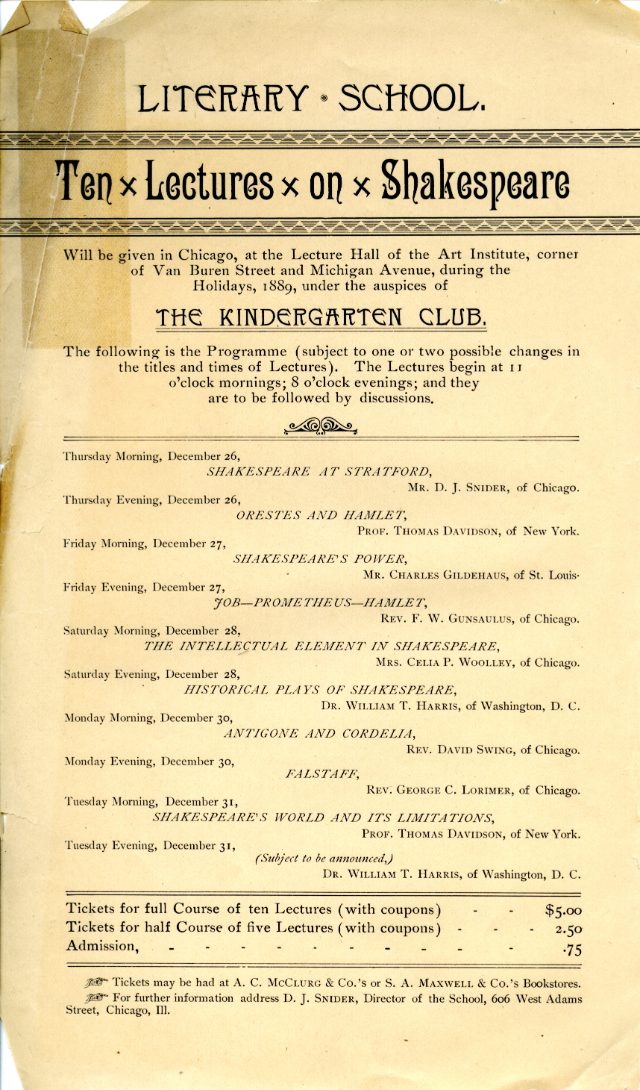
Ten Lectures on Shakespeare
Literary School · 1889
Primary source
Macbeth
William Shakespeare · c. 1606
Ready when you are
Start chatting with William Shakespeare now.
20 messages free · No credit card · Available in 50+ languages.