


Primary sourceBook1604
Othello
William Shakespeare · 1604
A tragedy by William Shakespeare about a Moorish general manipulated into jealousy and murder by his ensign Iago, written around 1603.
Shakespeare wrote this tragedy, whose Black Moorish hero makes it central to studying race in his work and era.
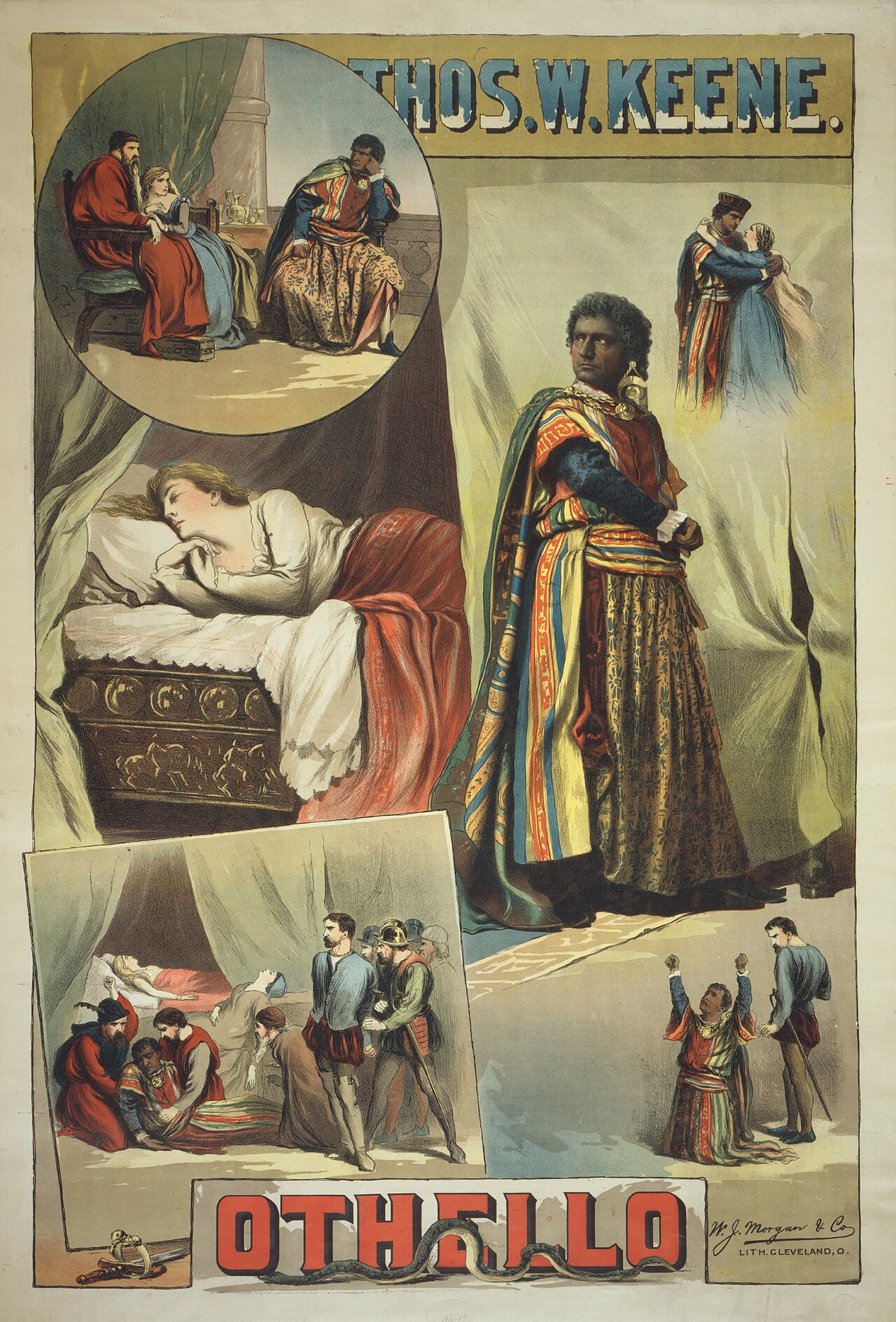
About this source
What it is
William Shakespeare wrote this tragedy around 1603. Set in Venice and Cyprus, it follows Othello, a Moorish military commander, as his ensign Iago manipulates him into suspecting his wife Desdemona of infidelity. It was not published in Shakespeare's lifetime but survives in a 1622 quarto and the First Folio.
Why it matters
Othello is one of Shakespeare's major tragedies and is central to discussions of race in early modern England, since its hero is a Black Moorish general in a white Venetian society. The role was originally performed by white actors in dark makeup, and only began to be played by Black actors in the 19th century, a history that shapes how the play is read today.
Look closer
- Why might it matter who originally played the role of Othello?
- How does Iago manipulate the other characters, and what does this reveal about trust and reputation in the play?
- What does the play suggest about how Othello's race affects how others treat him?
This book is part of the curated material that grounds the AI version of William Shakespeare on Humy.ai — when students ask about related events, the AI can quote it and cite it.
More William Shakespeare sources
Meet the AI William Shakespeare →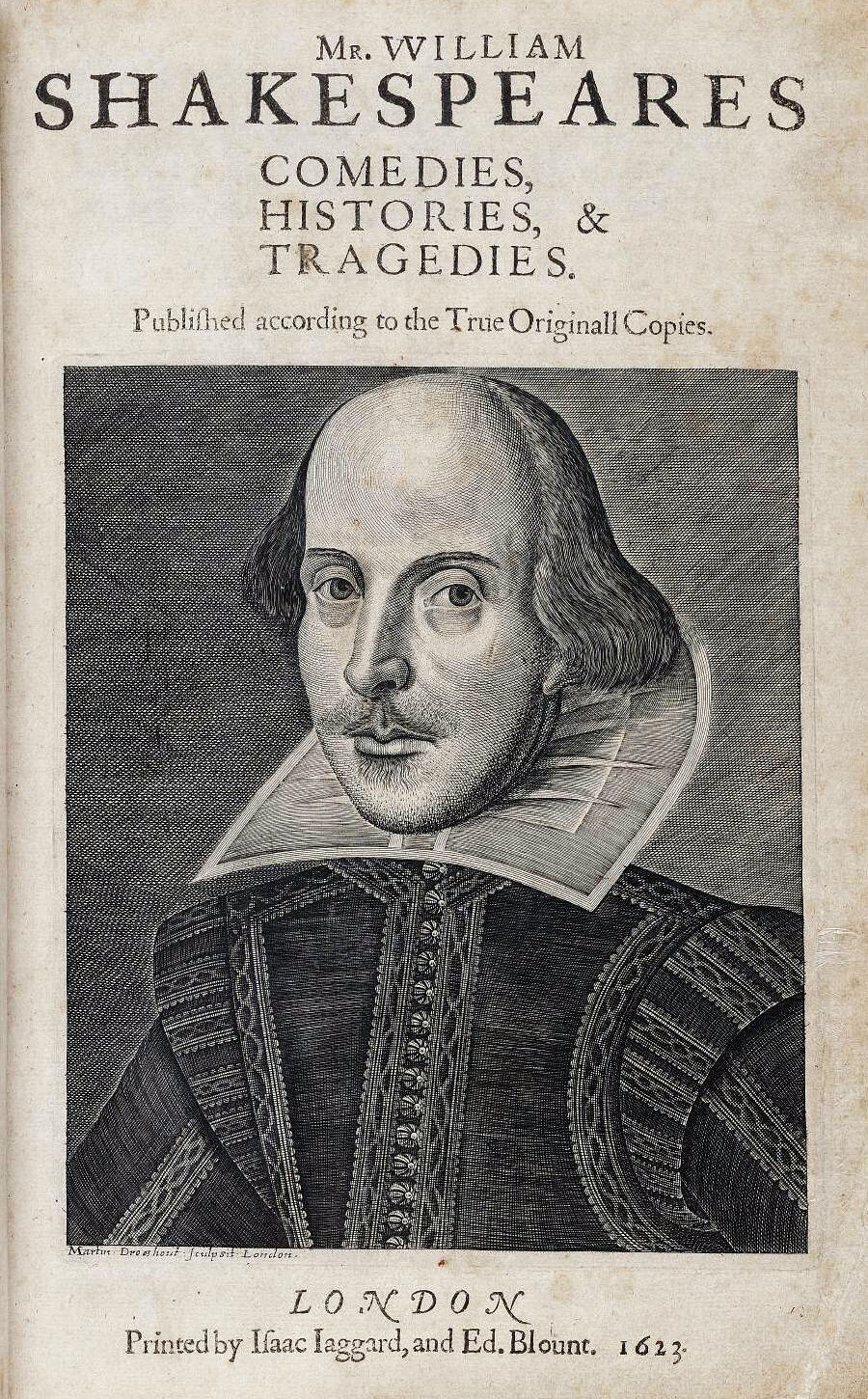 Book
Primary source
First Folio
William Shakespeare · 1623
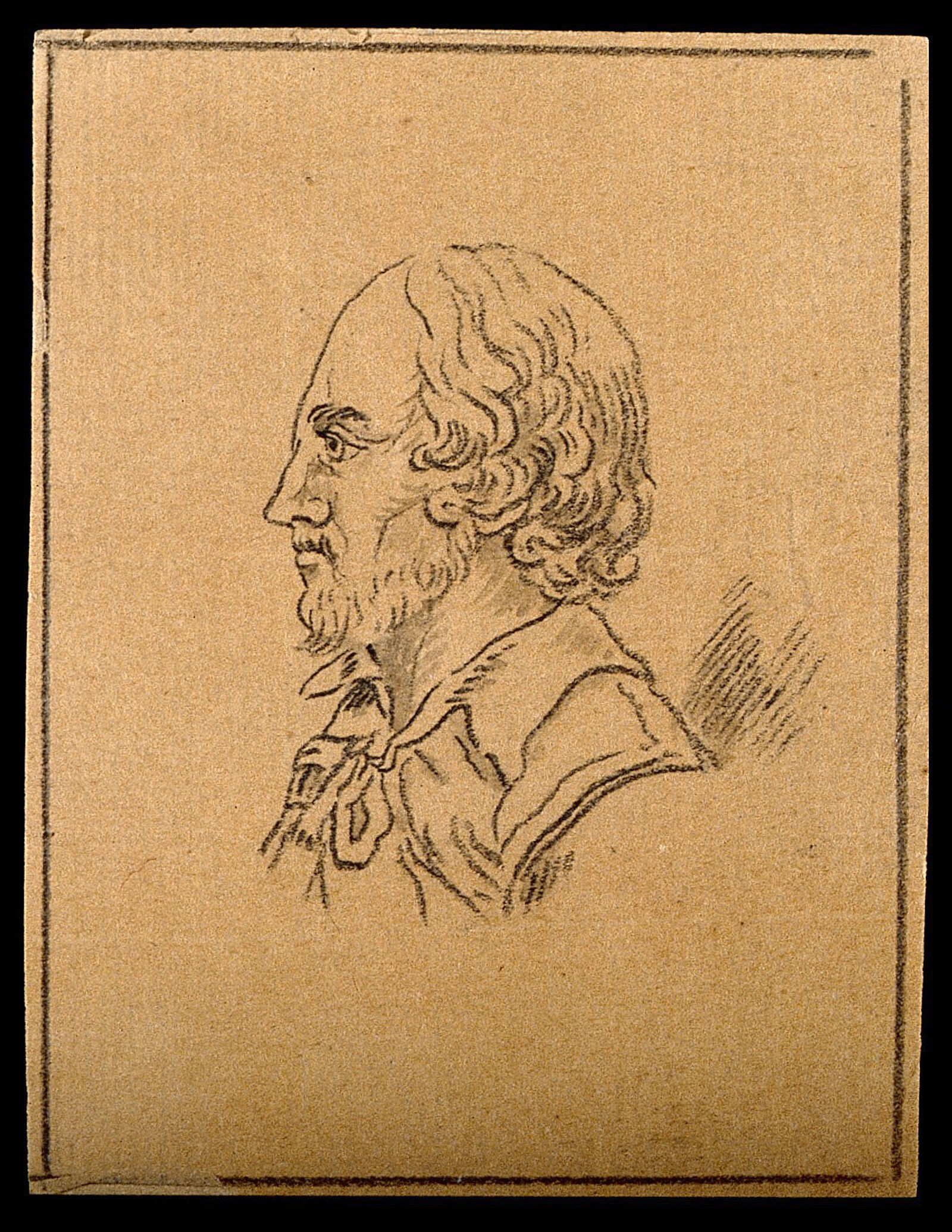 Painting
Secondary source
Profile Drawing of William Shakespeare
Johann Kaspar Lavater · c. 1793
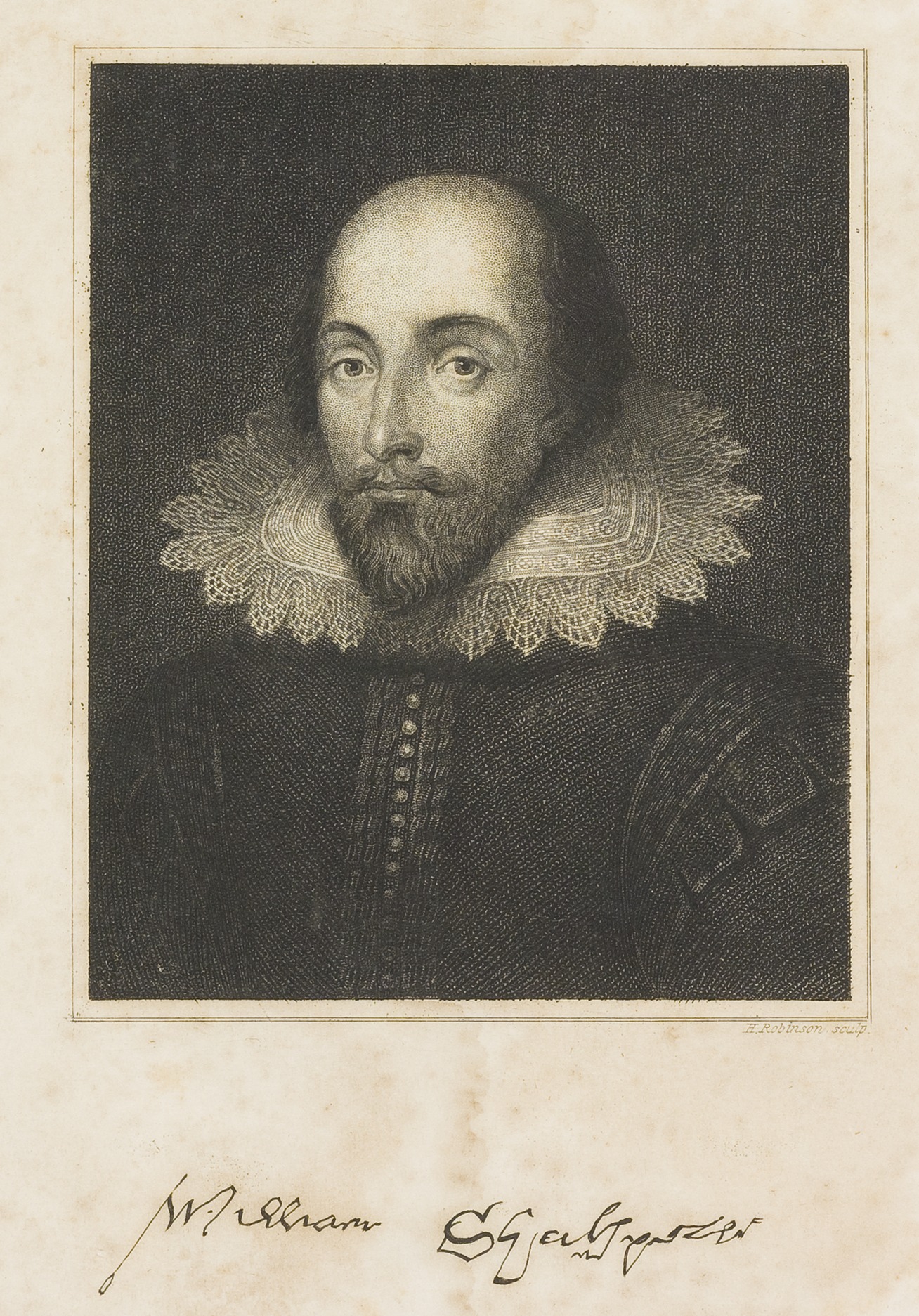 Painting
Secondary source
William Shakespeare engraving by John Henry Robinson
John Henry Robinson · 30 November 1827
 Document
Primary source
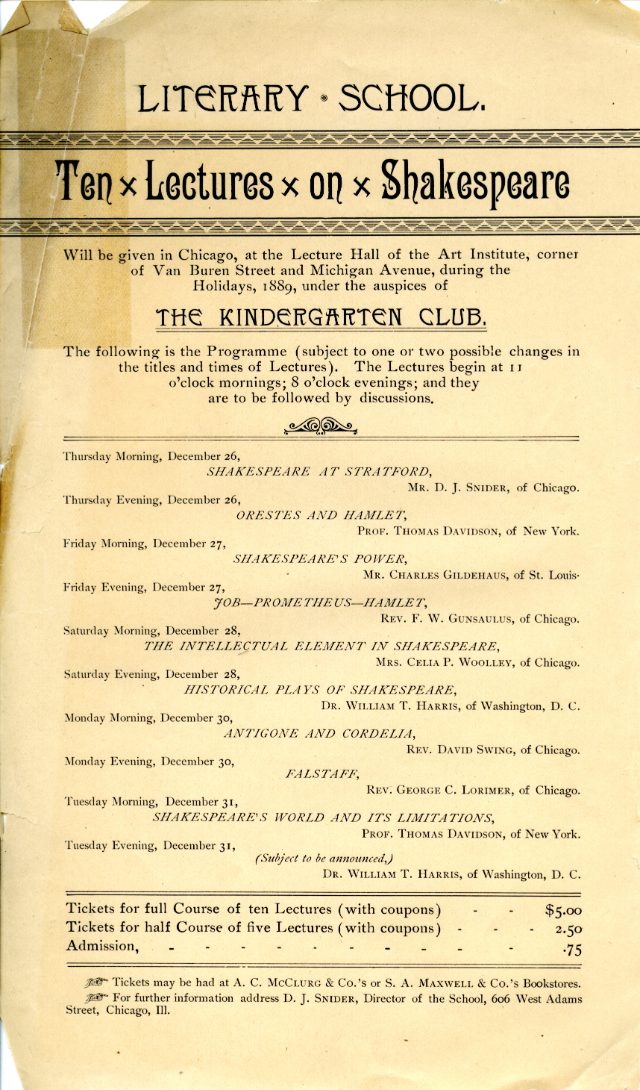
Ten Lectures on Shakespeare
Literary School · 1889
Primary source
Macbeth
William Shakespeare · c. 1606
Ready when you are
Start chatting with William Shakespeare now.
20 messages free · No credit card · Available in 50+ languages.