


Secondary sourceArtifactc. 1795
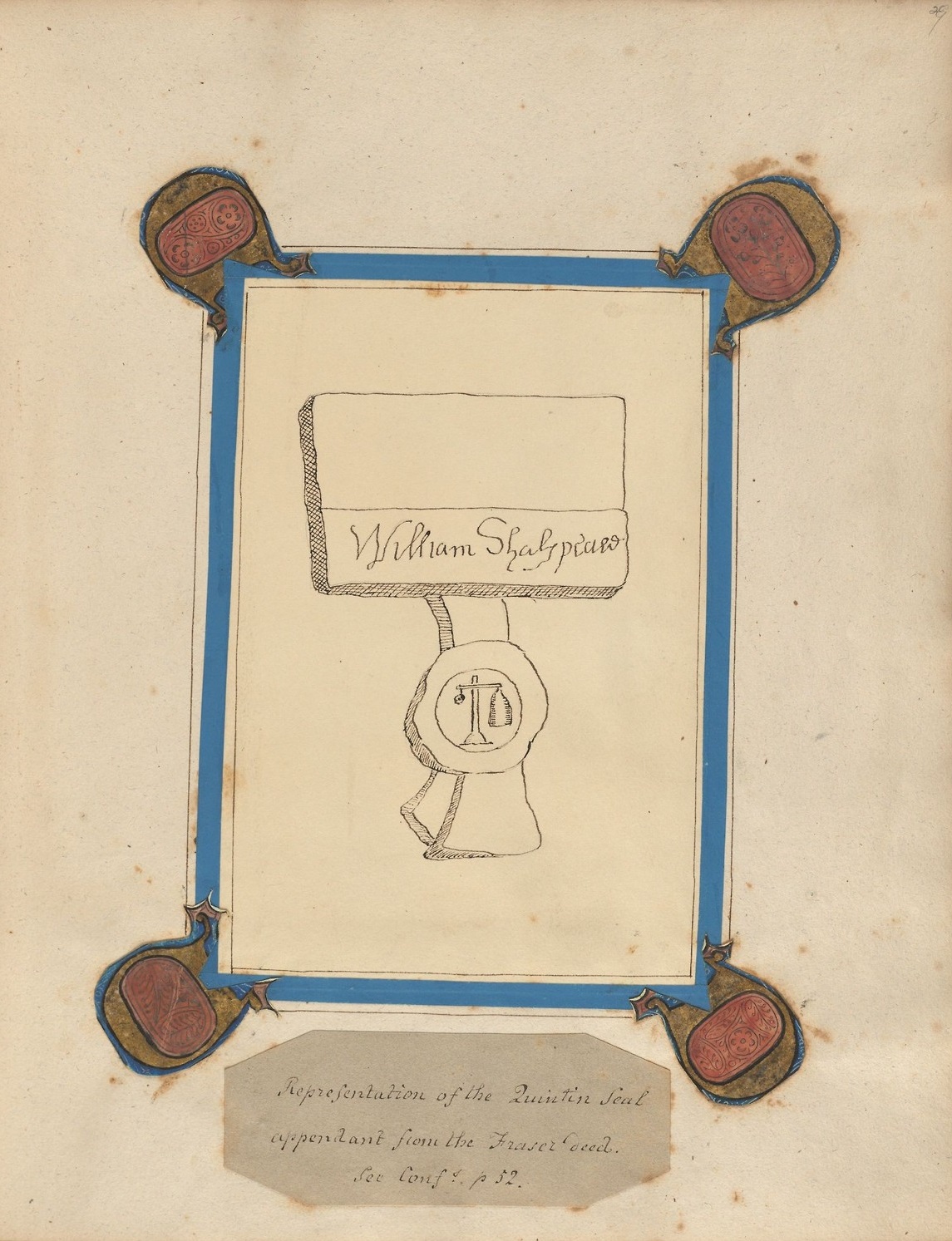
Forged Shakespeare Signature and Seal Drawing
William Henry Ireland · c. 1795
An 18th-century forged drawing of a seal bearing Shakespeare's name, created by the notorious forger William Henry Ireland.
This forged seal drawing shows how fraudsters exploited the lack of surviving personal documents by Shakespeare.
About this source
What it is
A pen-and-ink drawing made around 1795 by William Henry Ireland, showing a fake wax seal labelled 'William Shakespeare' and described as from a fraudulent 'Fraser deed'. It is held in the Houghton Library at Harvard University as part of the W. H. Ireland Papers.
Why it matters
Ireland produced numerous forged documents in the 1790s claiming to be in Shakespeare's hand, including fake signatures, letters, and even entire plays. His forgeries fooled many experts at the time and reveal how little genuine personal material by Shakespeare survives—creating a demand that forgers like Ireland were eager to fill.
Look closer
- Why do you think forgeries like this one were able to deceive people in the 1790s?
- What does the scarcity of real Shakespeare documents tell us about the risks of forgery?
- How might historians tell a forged document from a genuine one?
This artifact is part of the curated material that grounds the AI version of William Shakespeare on Humy.ai — when students ask about related events, the AI can quote it and cite it.
More William Shakespeare sources
Meet the AI William Shakespeare →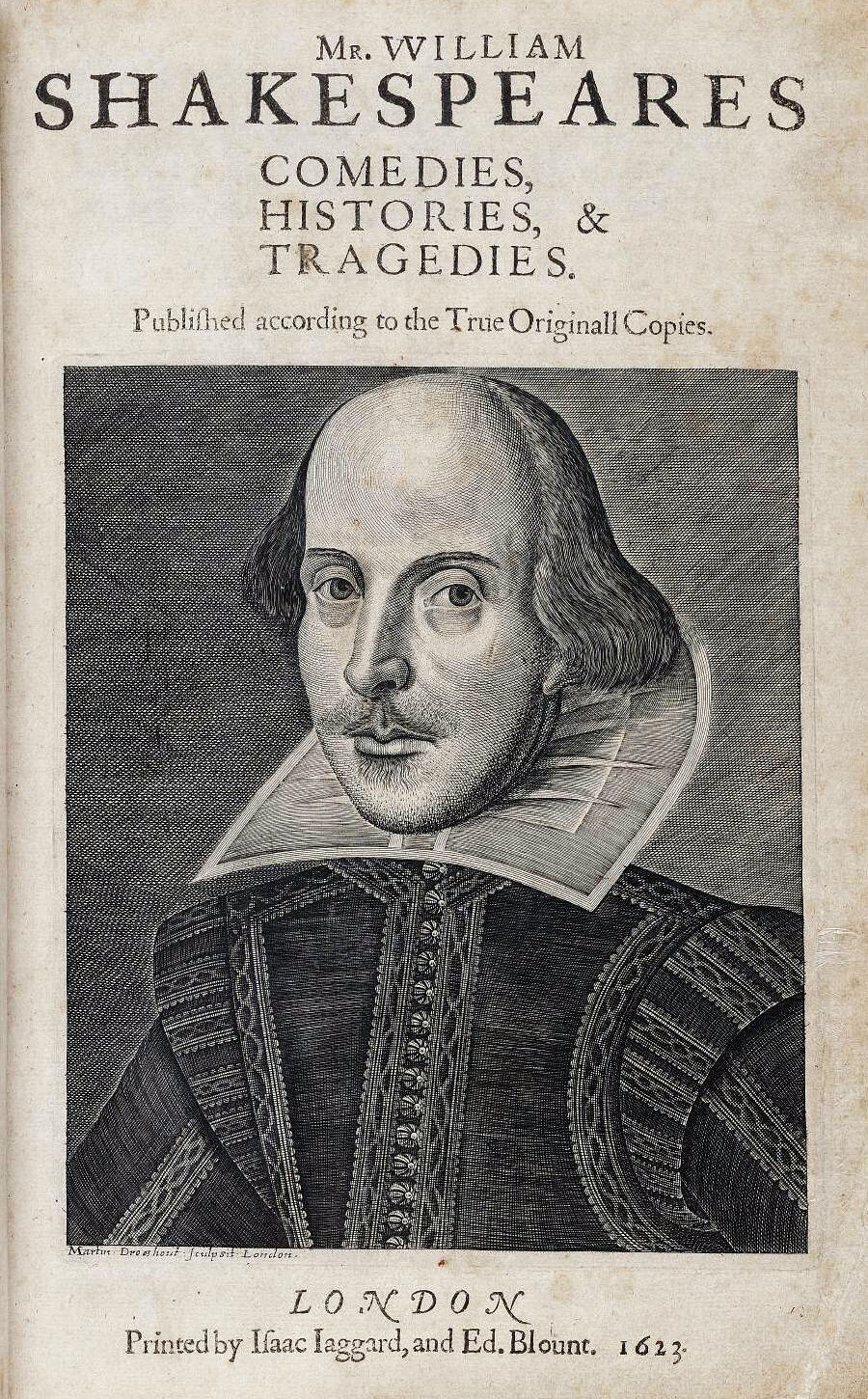 Book
Primary source
First Folio
William Shakespeare · 1623
 Painting
Secondary source
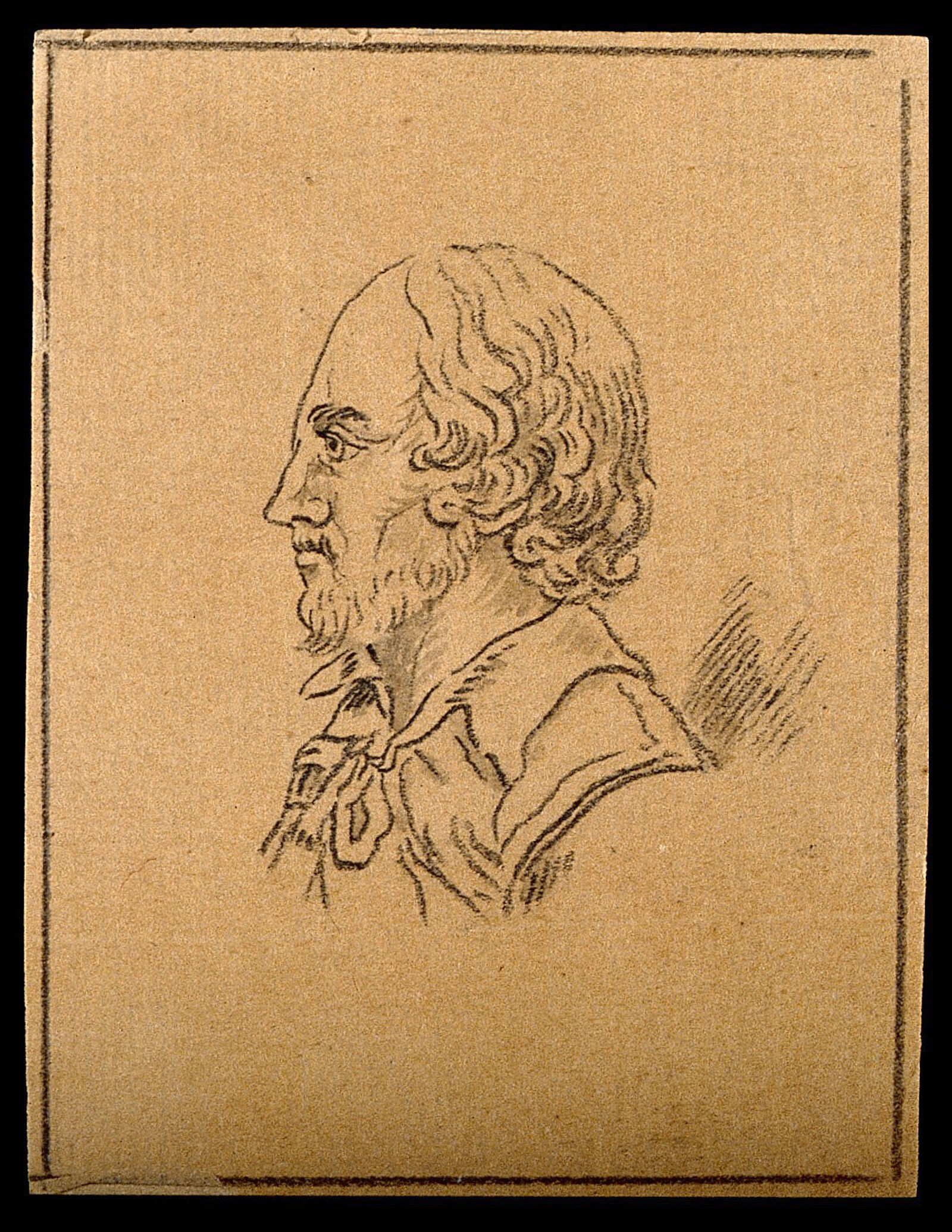
Profile Drawing of William Shakespeare
Johann Kaspar Lavater · c. 1793
 Painting
Secondary source
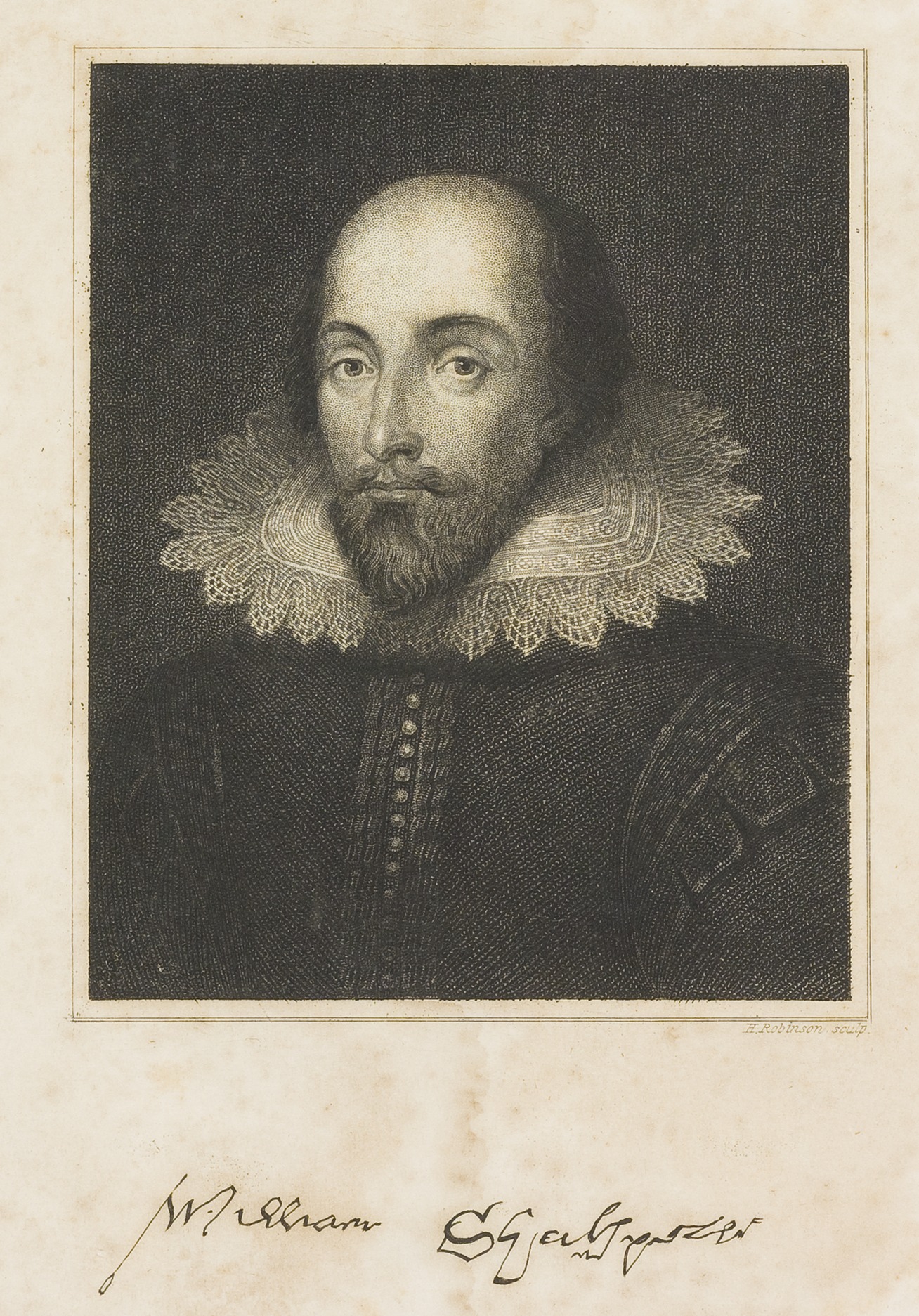
William Shakespeare engraving by John Henry Robinson
John Henry Robinson · 30 November 1827
 Document
Primary source
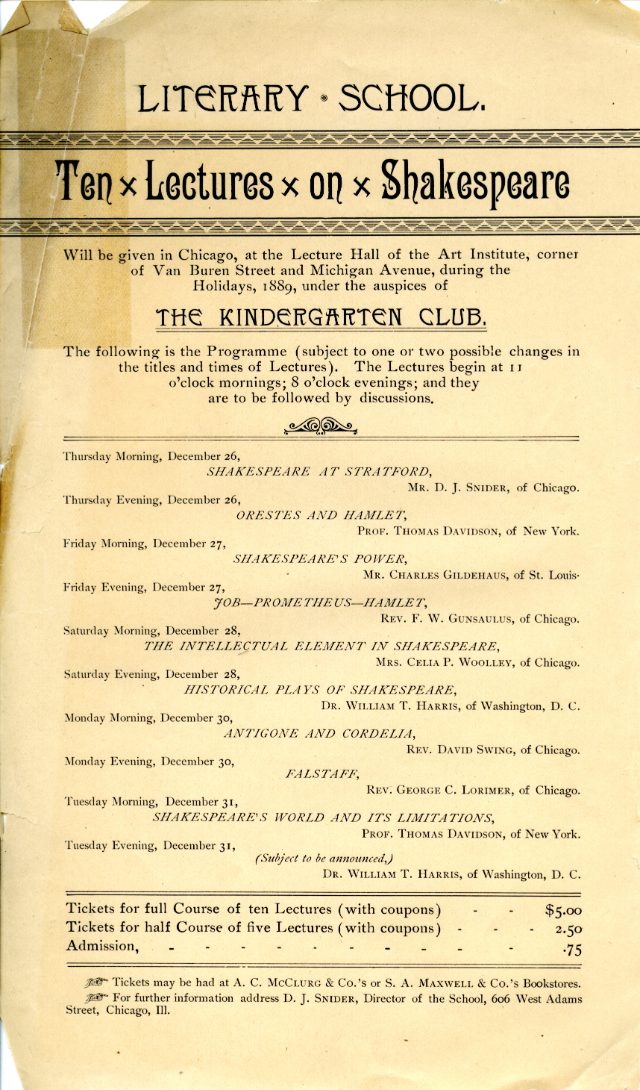
Ten Lectures on Shakespeare
Literary School · 1889
Primary source
Macbeth
William Shakespeare · c. 1606
Ready when you are
Start chatting with William Shakespeare now.
20 messages free · No credit card · Available in 50+ languages.