


Secondary sourceSculpturec. 1616–1623
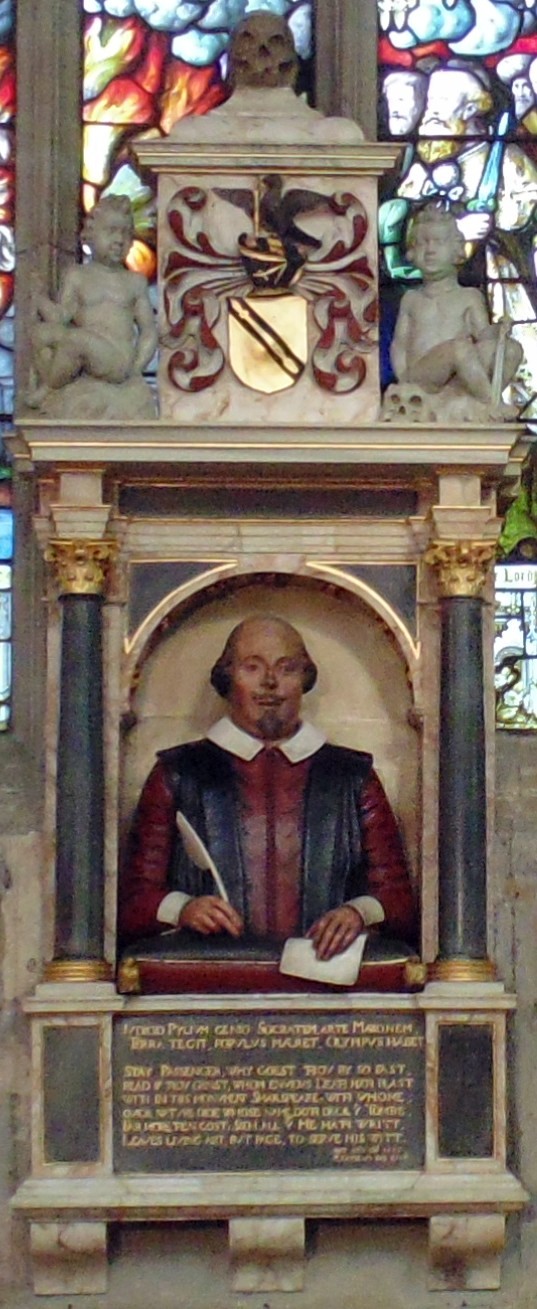
Shakespeare's Funerary Monument, Holy Trinity Church
Gheerart Janssen (attributed) · c. 1616–1623
A carved stone memorial erected soon after Shakespeare's death, showing him as a writer with pen in hand, seen by his own family.
A memorial to Shakespeare made soon after his death, seen by his family, and considered an authoritative likeness.
About this source
What it is
This painted stone monument was erected in Holy Trinity Church, Stratford-upon-Avon, before 1623, attributed to the sculptor Gheerart Janssen. It shows a half-length effigy of a bald, moustached man holding a quill pen, with a coat of arms and carved cherubs above and an inscribed epitaph below.
Why it matters
Because it was made soon after Shakespeare's death and seen by people who had known him, including his family, the monument is considered one of the two authoritative likenesses of him. It deliberately presents him as a writer, with the pen and paper emphasising his literary legacy rather than any other role in his life.
Look closer
- Why might the monument's makers have chosen to show him holding a pen rather than any other object?
- What does the inscription and decoration suggest about how his family or community wanted him remembered?
- How reliable is a sculpture made after someone's death as evidence of what they actually looked like?
This sculpture is part of the curated material that grounds the AI version of William Shakespeare on Humy.ai — when students ask about related events, the AI can quote it and cite it.
More William Shakespeare sources
Meet the AI William Shakespeare →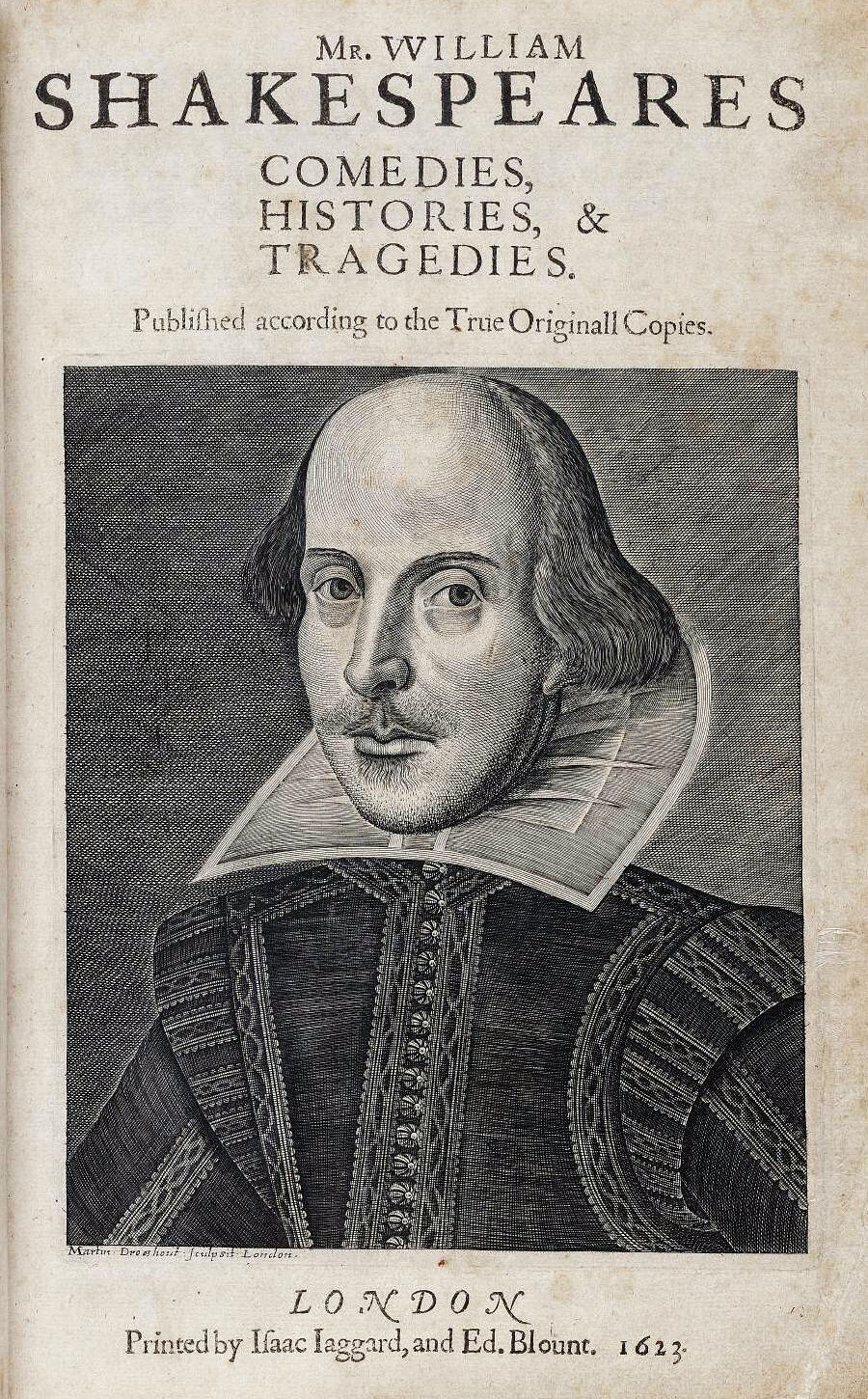 Book
Primary source
First Folio
William Shakespeare · 1623
 Painting
Secondary source
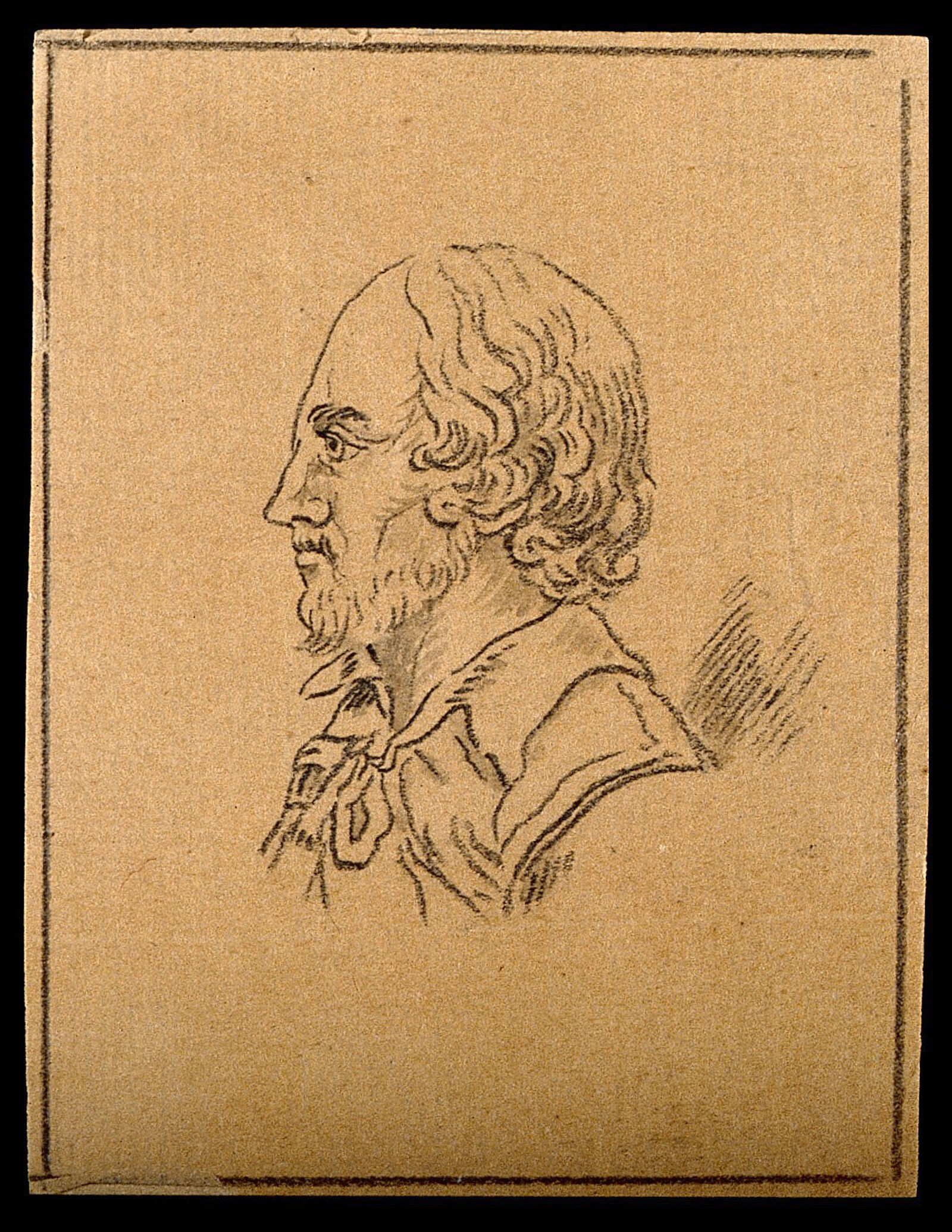
Profile Drawing of William Shakespeare
Johann Kaspar Lavater · c. 1793
 Painting
Secondary source
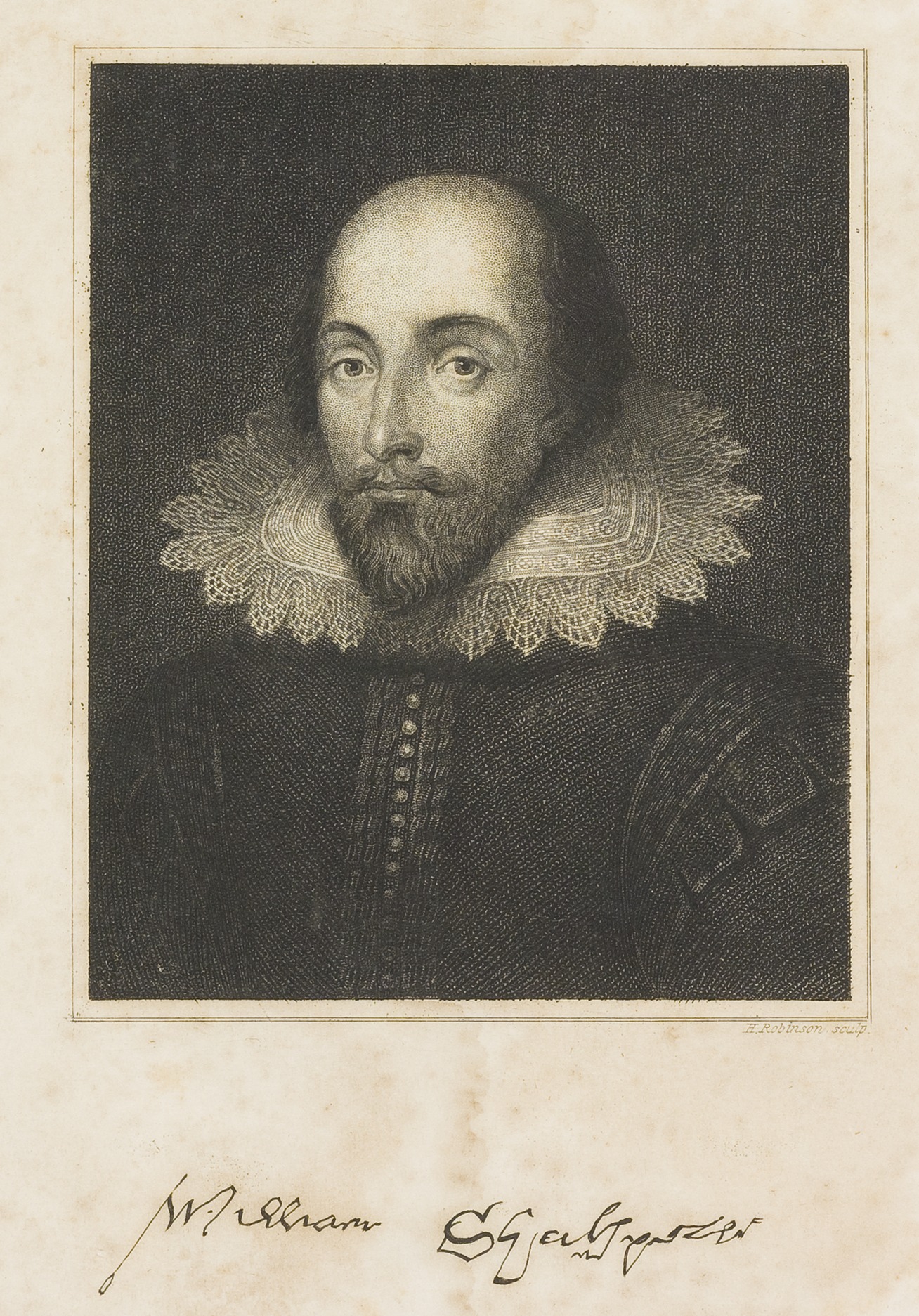
William Shakespeare engraving by John Henry Robinson
John Henry Robinson · 30 November 1827
 Document
Primary source
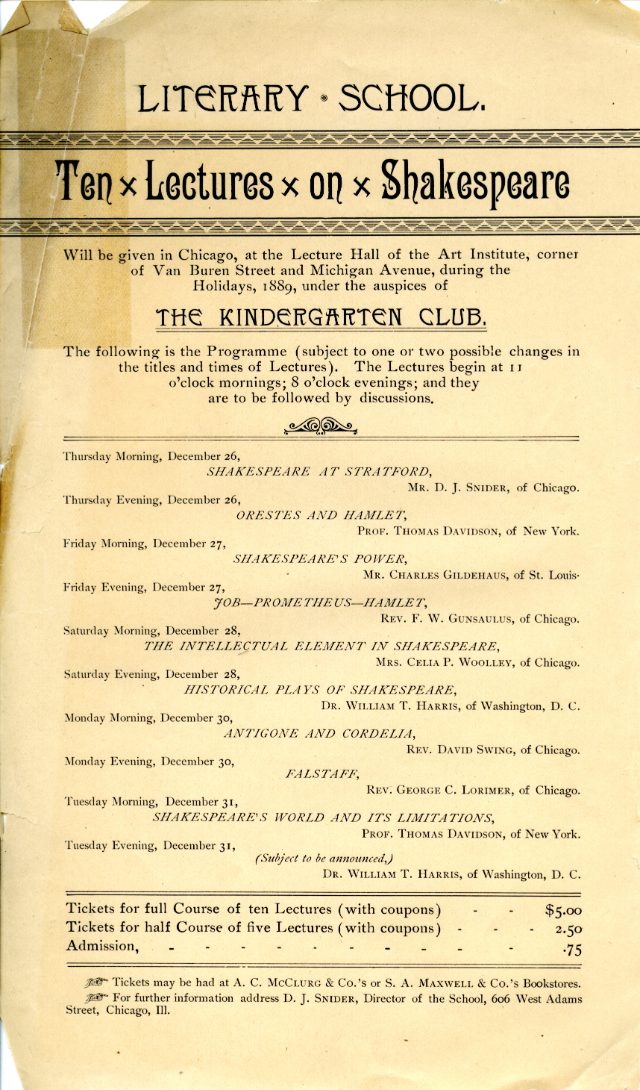
Ten Lectures on Shakespeare
Literary School · 1889
Primary source
Macbeth
William Shakespeare · c. 1606
Ready when you are
Start chatting with William Shakespeare now.
20 messages free · No credit card · Available in 50+ languages.