


Primary sourceBook1609
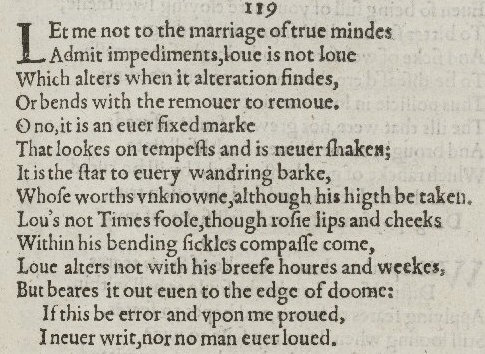
Sonnet 116
William Shakespeare · 1609
Shakespeare's sonnet 'Let me not to the marriage of true minds,' a famous meditation on constant, unchanging love.
Written by Shakespeare, this sonnet is his best-known statement on the constancy of true love.
About this source
What it is
Sonnet 116 is one of William Shakespeare's 154 sonnets, first published in 1609. It argues that true love does not change over time or with circumstance.
Why it matters
Often read as a celebration of ideal love, the sonnet shows Shakespeare's mastery of the English sonnet form and his skill at using extended metaphor, comparing love to a fixed star guiding sailors. Scholars have debated whether the poem stands alone as a simple declaration or carries a more complicated meaning within the wider sequence of sonnets, and a later discovery shows it was even adapted into a political verse during the English Civil War, showing how later generations reused Shakespeare's words for their own purposes.
Look closer
- What images does Shakespeare use to describe love, and why might he have chosen them?
- Do you think the poem is a simple statement of belief or something more complicated?
- Why might later readers have reused or rewritten this sonnet for new purposes?
This book is part of the curated material that grounds the AI version of William Shakespeare on Humy.ai — when students ask about related events, the AI can quote it and cite it.
More William Shakespeare sources
Meet the AI William Shakespeare → Book
Primary source
First Folio
William Shakespeare · 1623
 Painting
Secondary source
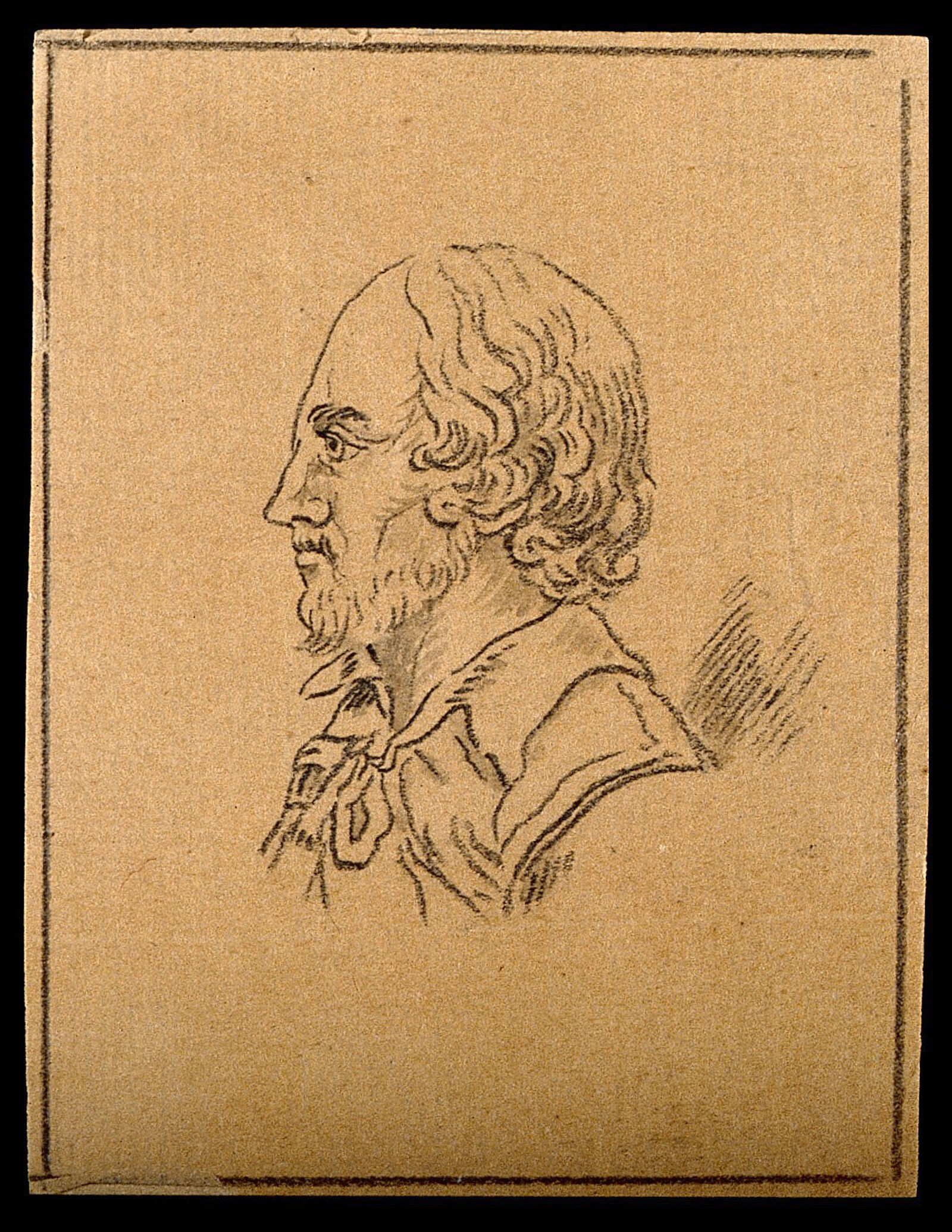
Profile Drawing of William Shakespeare
Johann Kaspar Lavater · c. 1793
 Painting
Secondary source
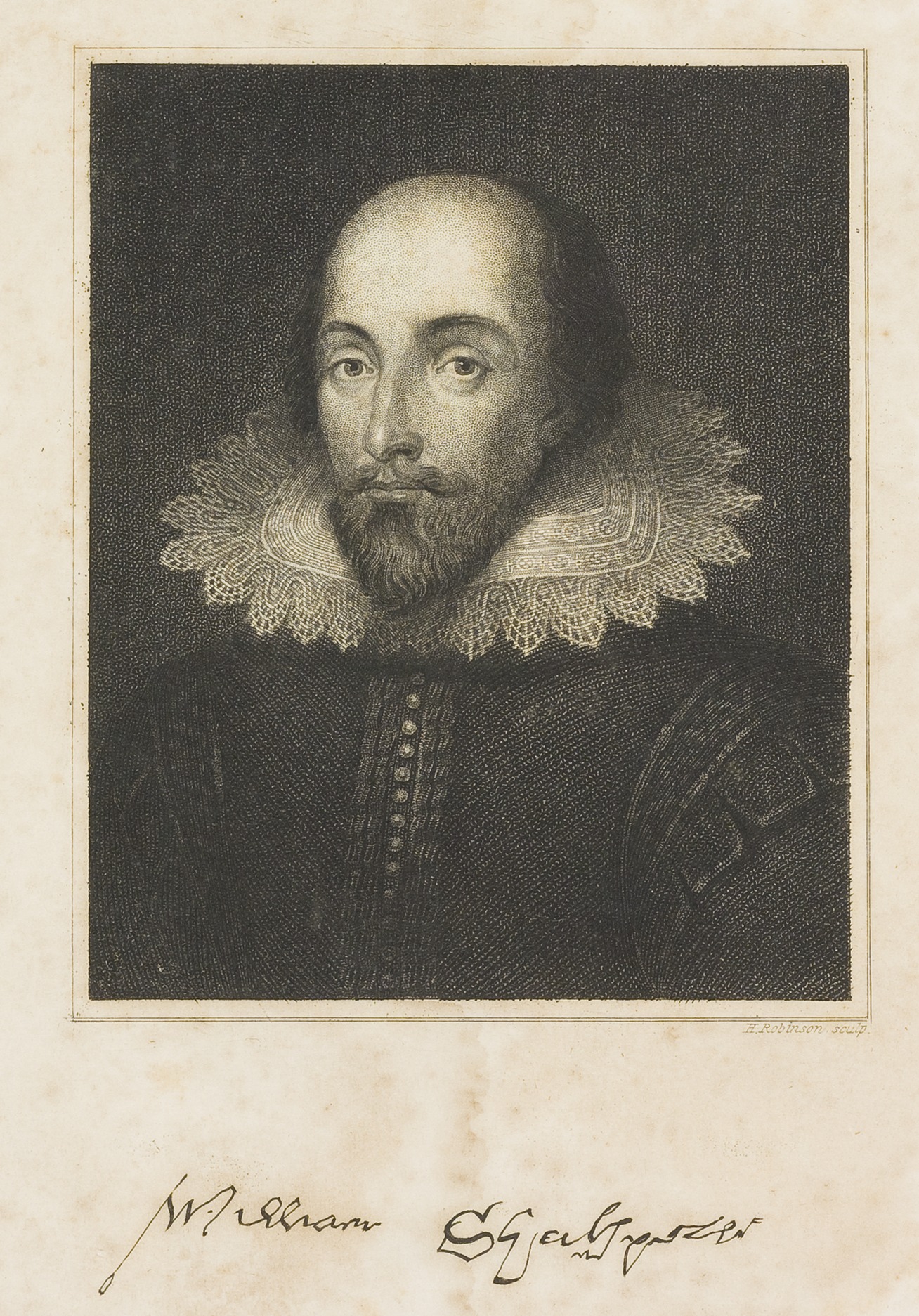
William Shakespeare engraving by John Henry Robinson
John Henry Robinson · 30 November 1827
 Document
Primary source
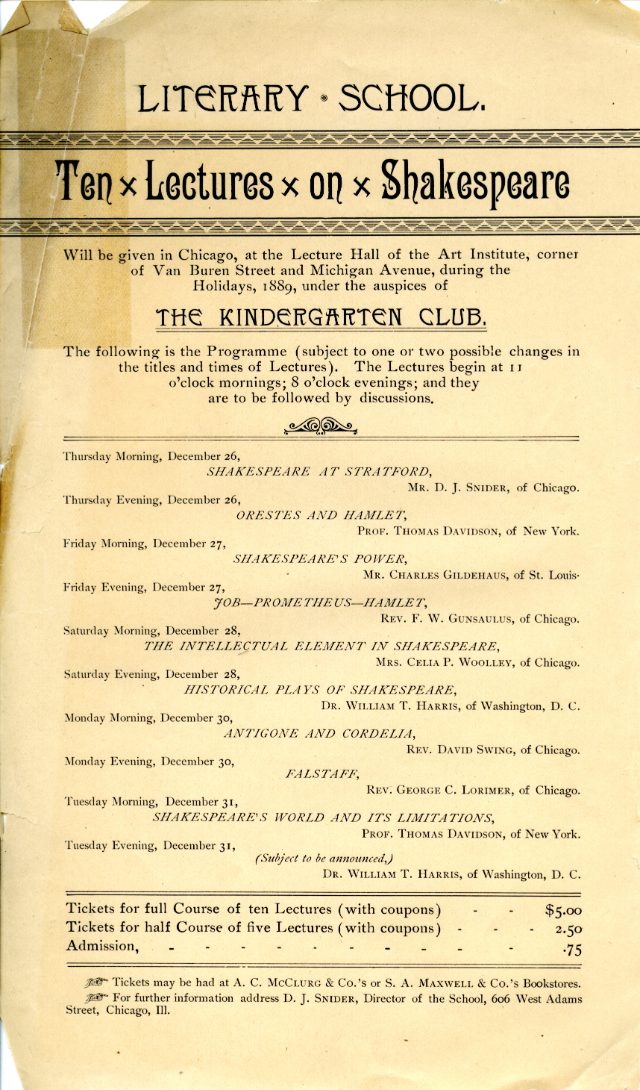
Ten Lectures on Shakespeare
Literary School · 1889
Primary source
Macbeth
William Shakespeare · c. 1606
Ready when you are
Start chatting with William Shakespeare now.
20 messages free · No credit card · Available in 50+ languages.