


Primary sourceBook1602 (entered); printed 1603
Hamlet Q1
William Shakespeare · 1602 (entered); printed 1603
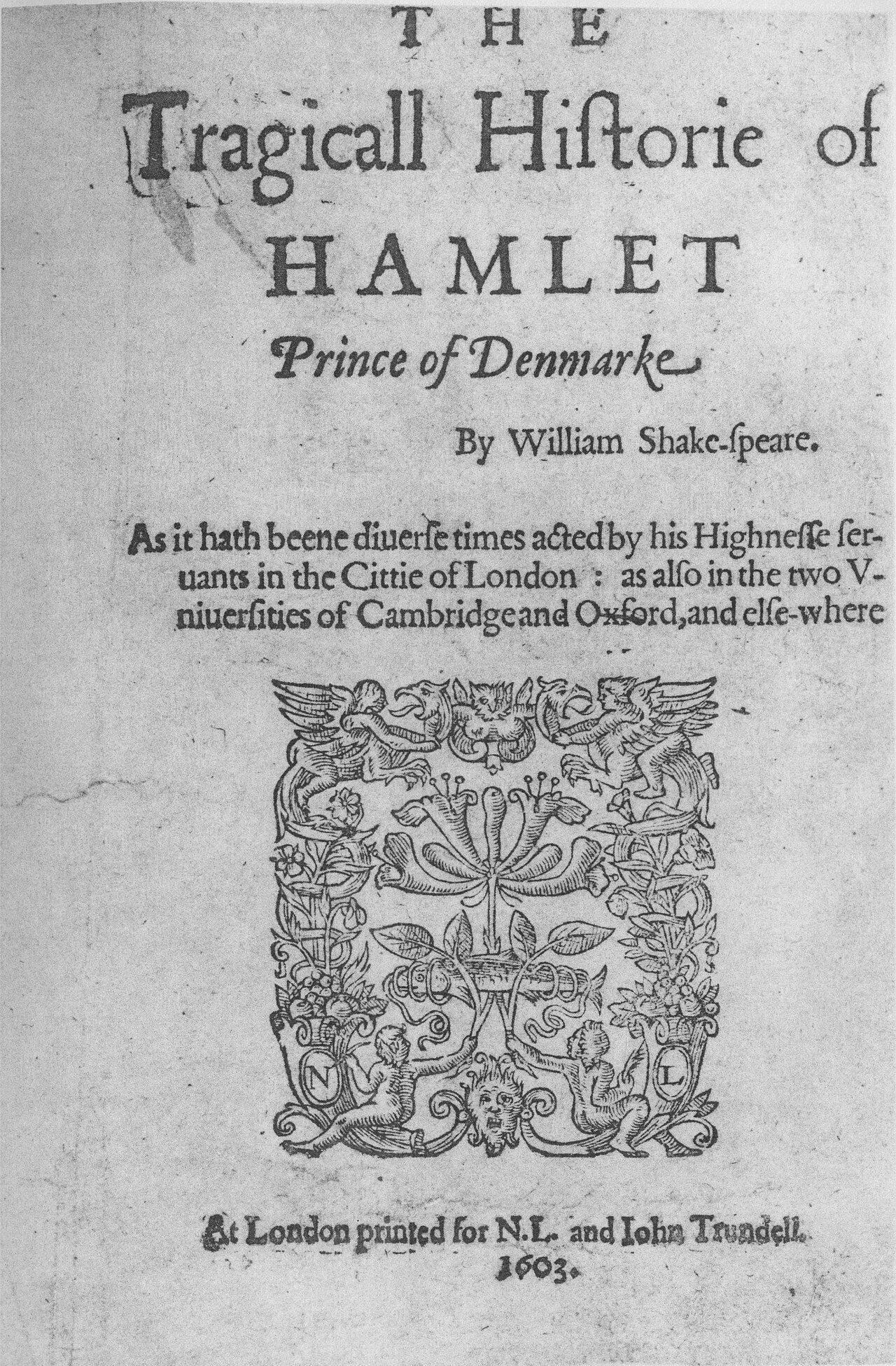
The first printed edition of Hamlet, a short and unusual early text naming Shakespeare on its title page.
This early printed edition names Shakespeare as author and shows how unstable his texts could be in print.
About this source
What it is
This is the earliest printed text of Hamlet, entered for publication in 1602 and printed in 1603 by Valentine Simmes for booksellers Nicholas Ling and John Trundle. Its title page credits William Shakespeare and notes performances in London and at the universities of Cambridge and Oxford. It is much shorter than the later Second Quarto and First Folio texts and was unknown to scholars until a copy was found in 1823.
Why it matters
Q1's many oddities — different character names, rearranged scenes, and a very different role for Gertrude — show that Shakespeare's plays did not survive in one fixed, 'authorised' form. Scholars have long debated whether Q1 is a draft, a touring version, or a text reconstructed from actors' memories, which reveals how unstable and commercial early printed playtexts could be.
Look closer
- Why might a printed play differ so much from other versions of the 'same' play?
- What does the mention of performances in two cities and two universities tell us about how plays travelled?
- What is missing from a bare title page that we might want to know about how the play was really performed?
This book is part of the curated material that grounds the AI version of William Shakespeare on Humy.ai — when students ask about related events, the AI can quote it and cite it.
More William Shakespeare sources
Meet the AI William Shakespeare →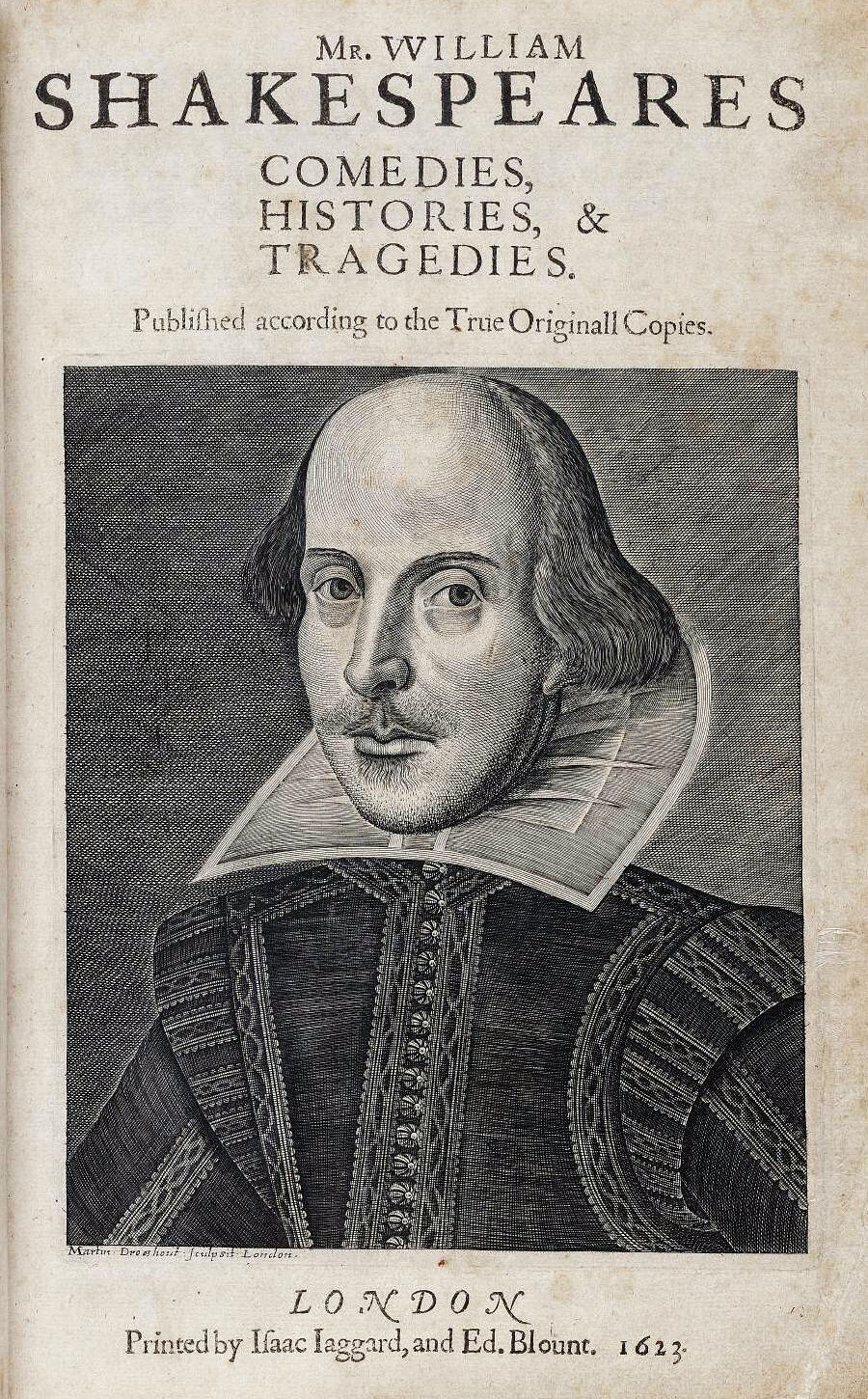 Book
Primary source
First Folio
William Shakespeare · 1623
 Painting
Secondary source
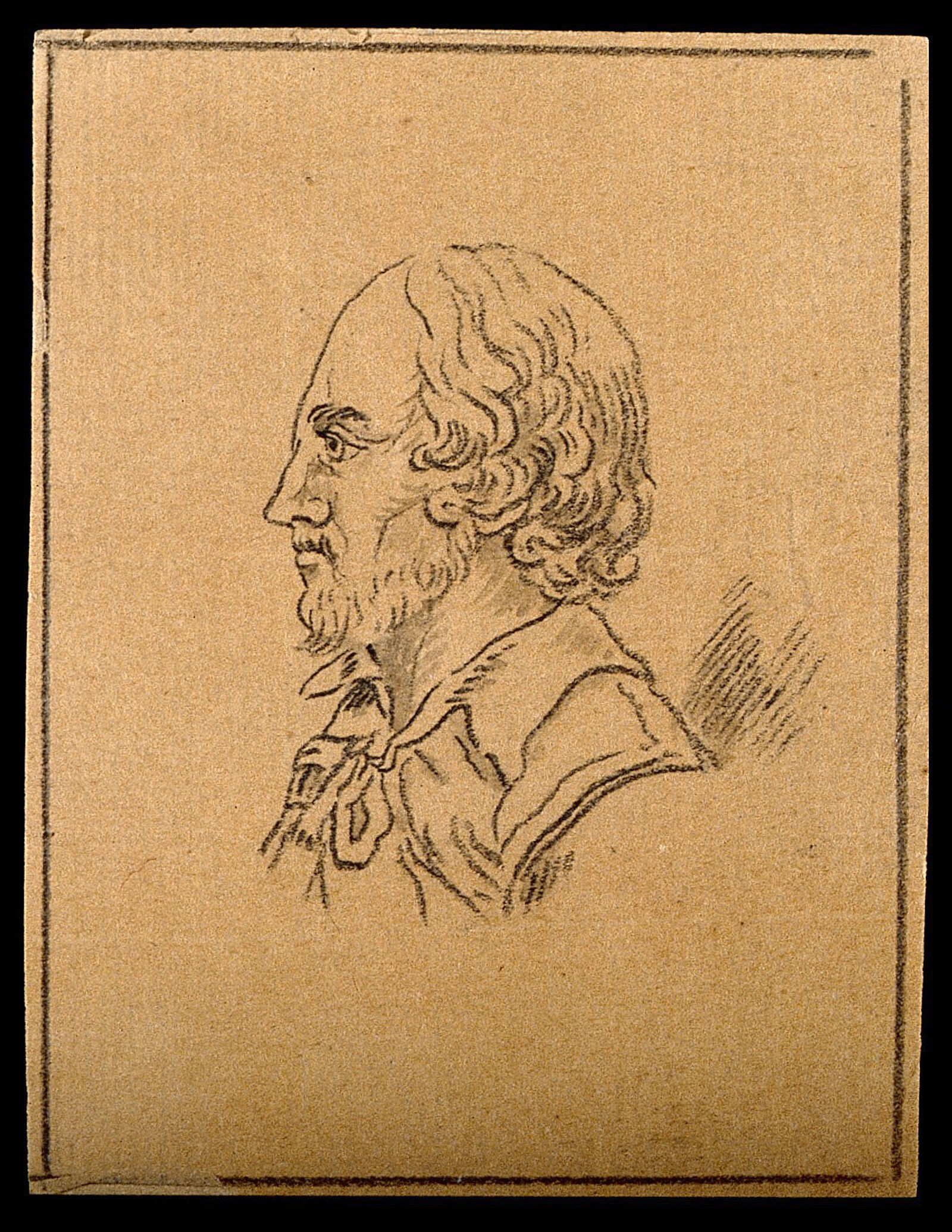
Profile Drawing of William Shakespeare
Johann Kaspar Lavater · c. 1793
 Painting
Secondary source
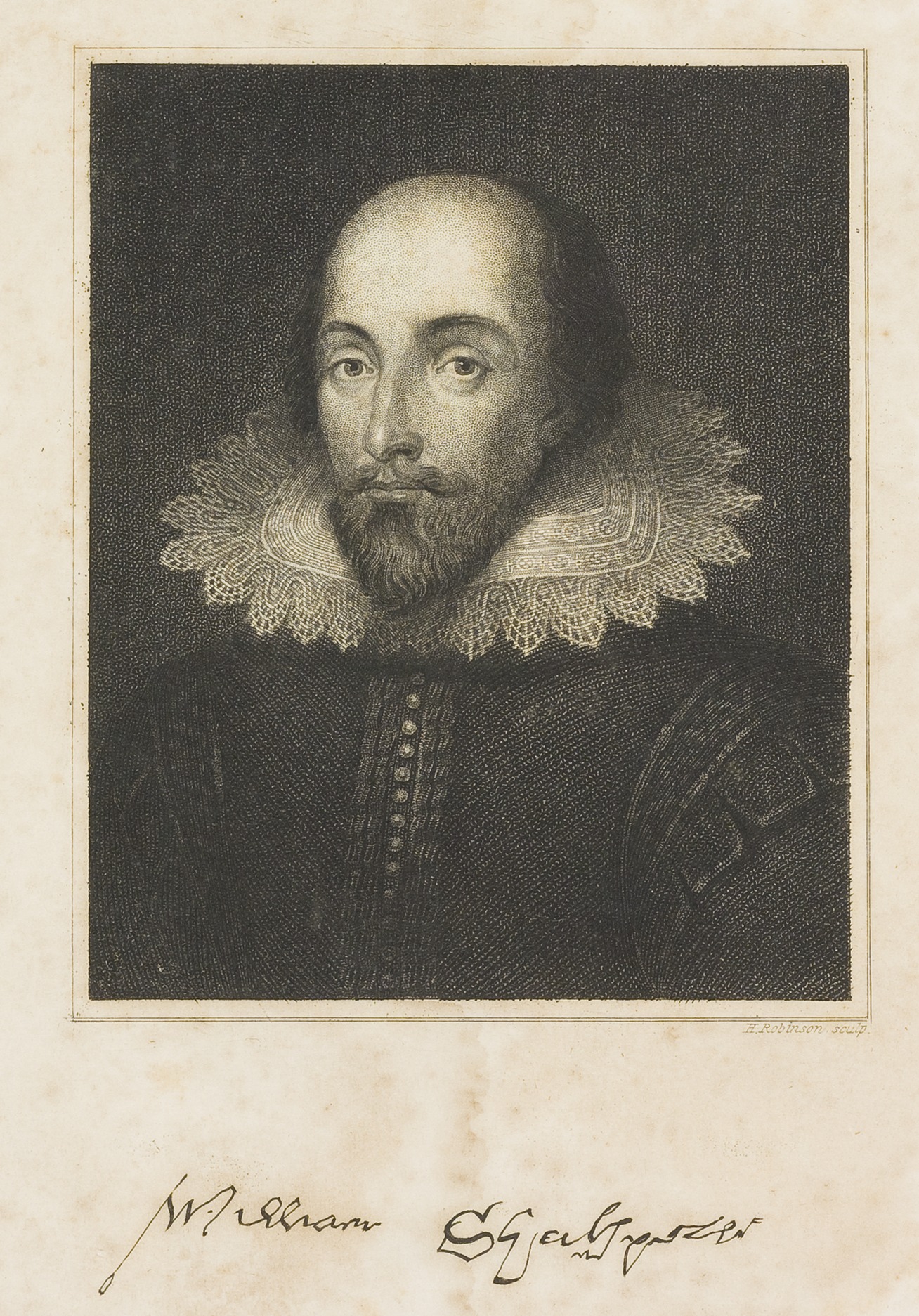
William Shakespeare engraving by John Henry Robinson
John Henry Robinson · 30 November 1827
 Document
Primary source
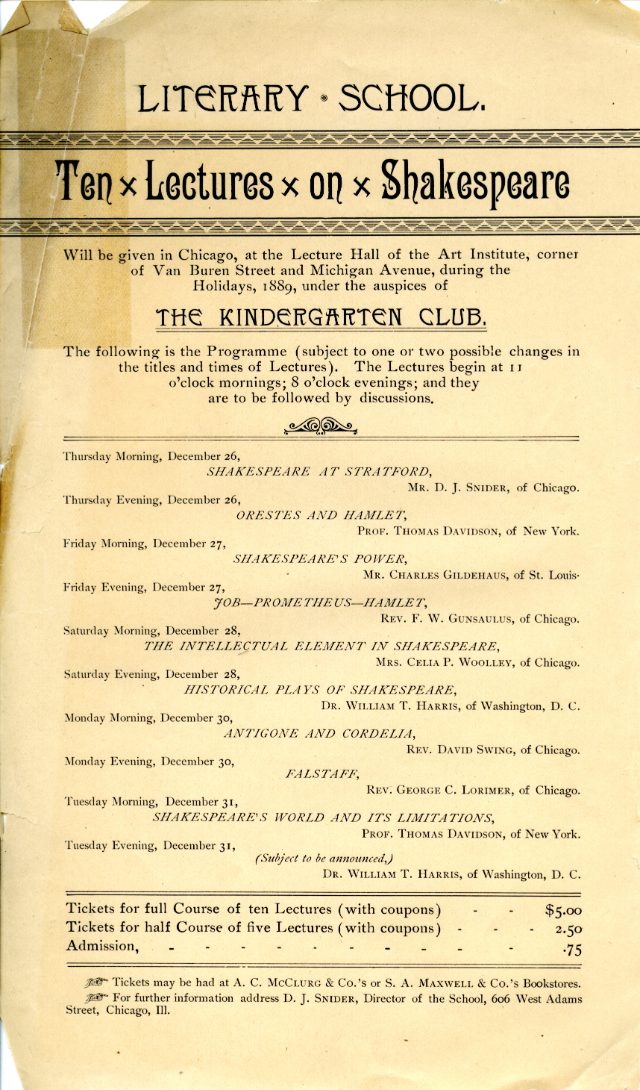
Ten Lectures on Shakespeare
Literary School · 1889
Primary source
Macbeth
William Shakespeare · c. 1606
Ready when you are
Start chatting with William Shakespeare now.
20 messages free · No credit card · Available in 50+ languages.