


Secondary sourceArtifact2013
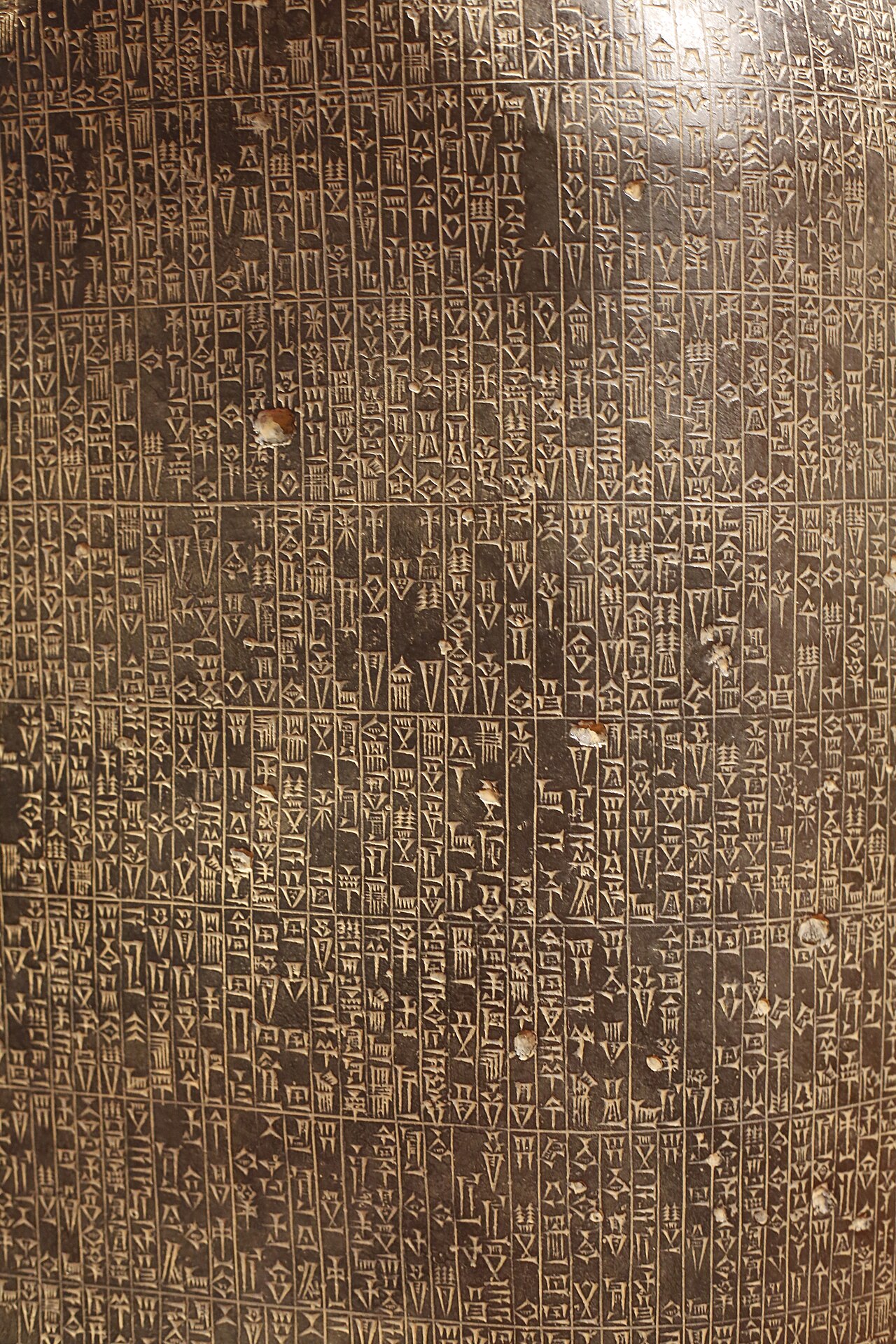
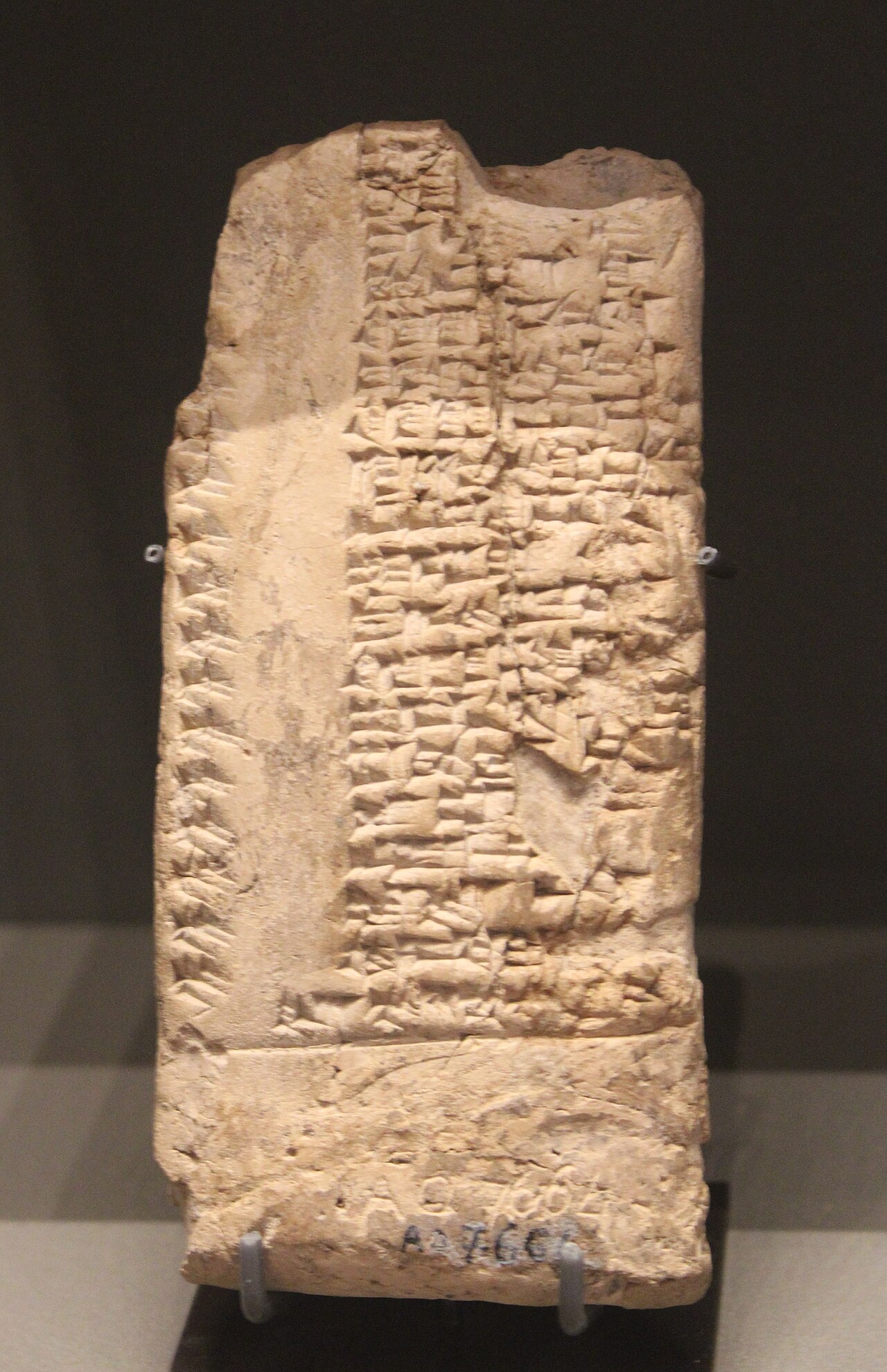
Code of Hammurabi Replica, Figeac Museum (Detail)
VIGNERON · 2013
A close-up photograph of a replica of Hammurabi's law code, showing rows of cuneiform signs, displayed at the Champollion Museum in Figeac, France.
This photograph shows a modern replica of the law code associated with Hammurabi, not an object from his own time.
About this source
What it is
This is a 2013 photograph showing a close-up detail of a replica of the Code of Hammurabi, displayed at the Champollion Museum in Figeac, France. The surface shows rows of cuneiform signs carved in columns.
Why it matters
The original Code of Hammurabi is one of the earliest and most complete written law codes, created under King Hammurabi of Babylon. Replicas like this one allow museums far from the original object to teach about ancient Mesopotamian law and writing.
Look closer
- What does the use of a replica, rather than the original, tell you about how museums share history?
- What can you learn just from looking at the shapes of the signs, even without being able to read them?
- Why might a museum in France choose to display a copy of a Babylonian artifact?
This artifact is part of the curated material that grounds the AI version of Hammurabi on Humy.ai — when students ask about related events, the AI can quote it and cite it.
More Hammurabi sources
Meet the AI Hammurabi →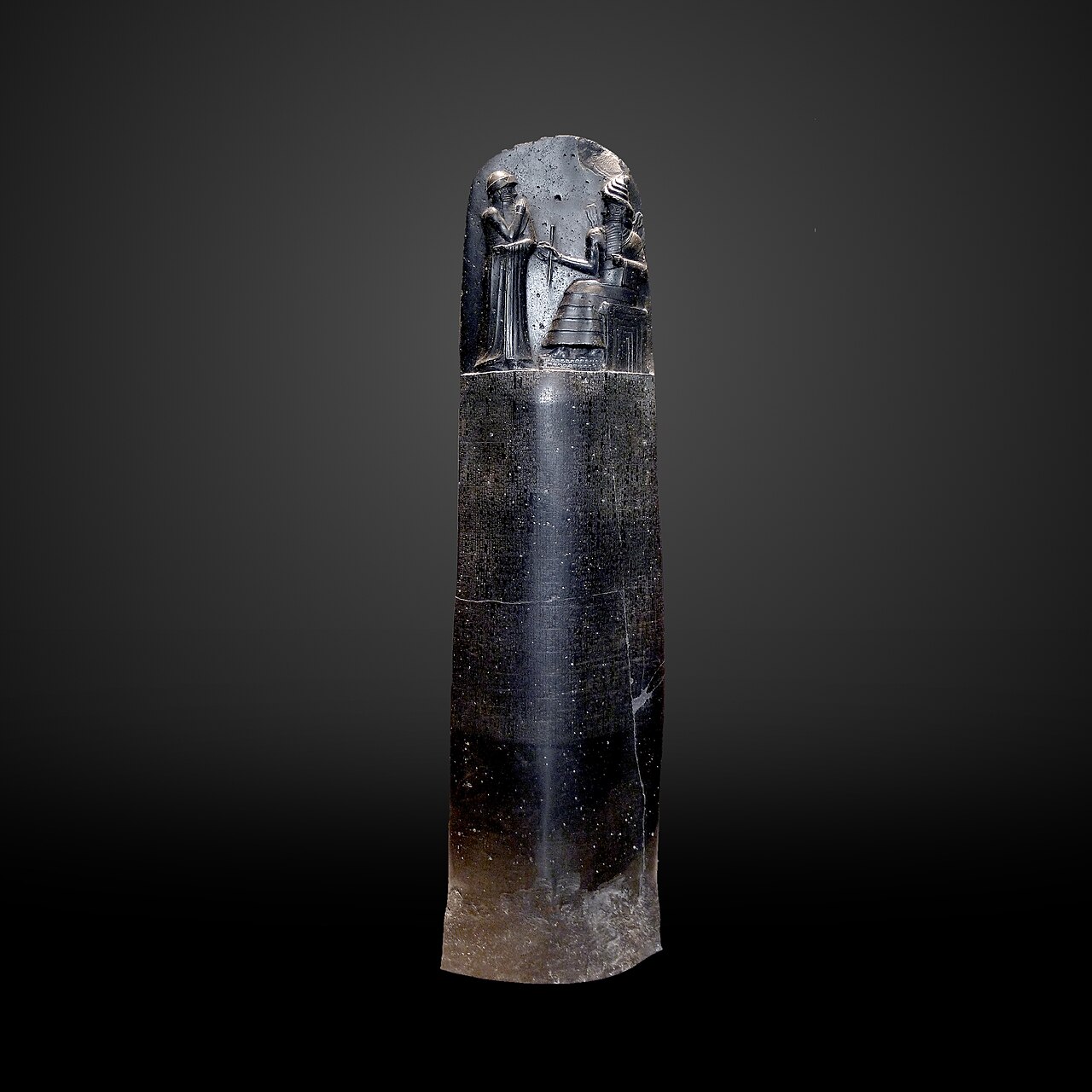 Document
Primary source
Code of Hammurabi
Hammurabi · c. 1753 BCE
 Sculpture
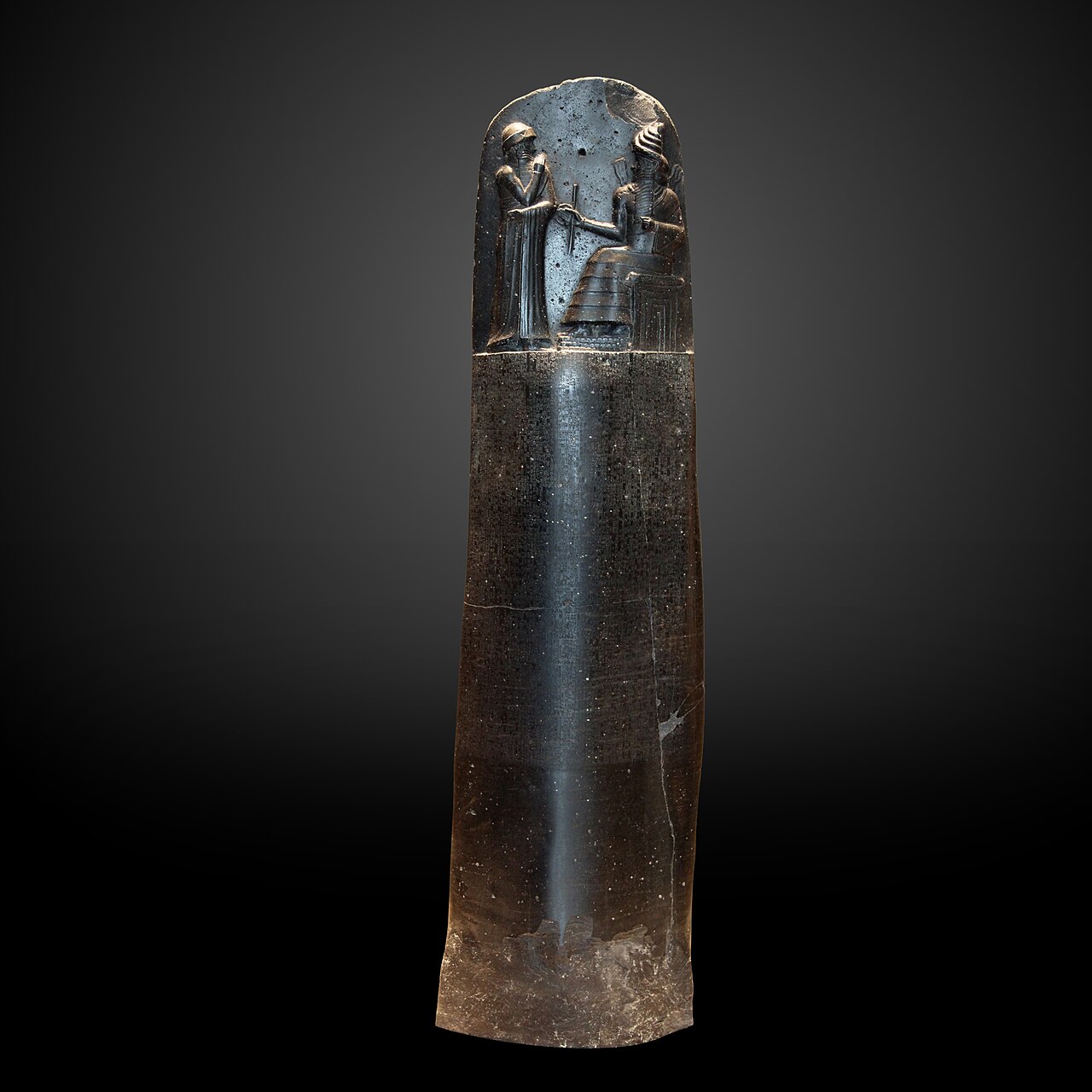
Primary source
Stele with the Code of Hammurabi
Hammurabi · c. 1792 BCE
 Letter
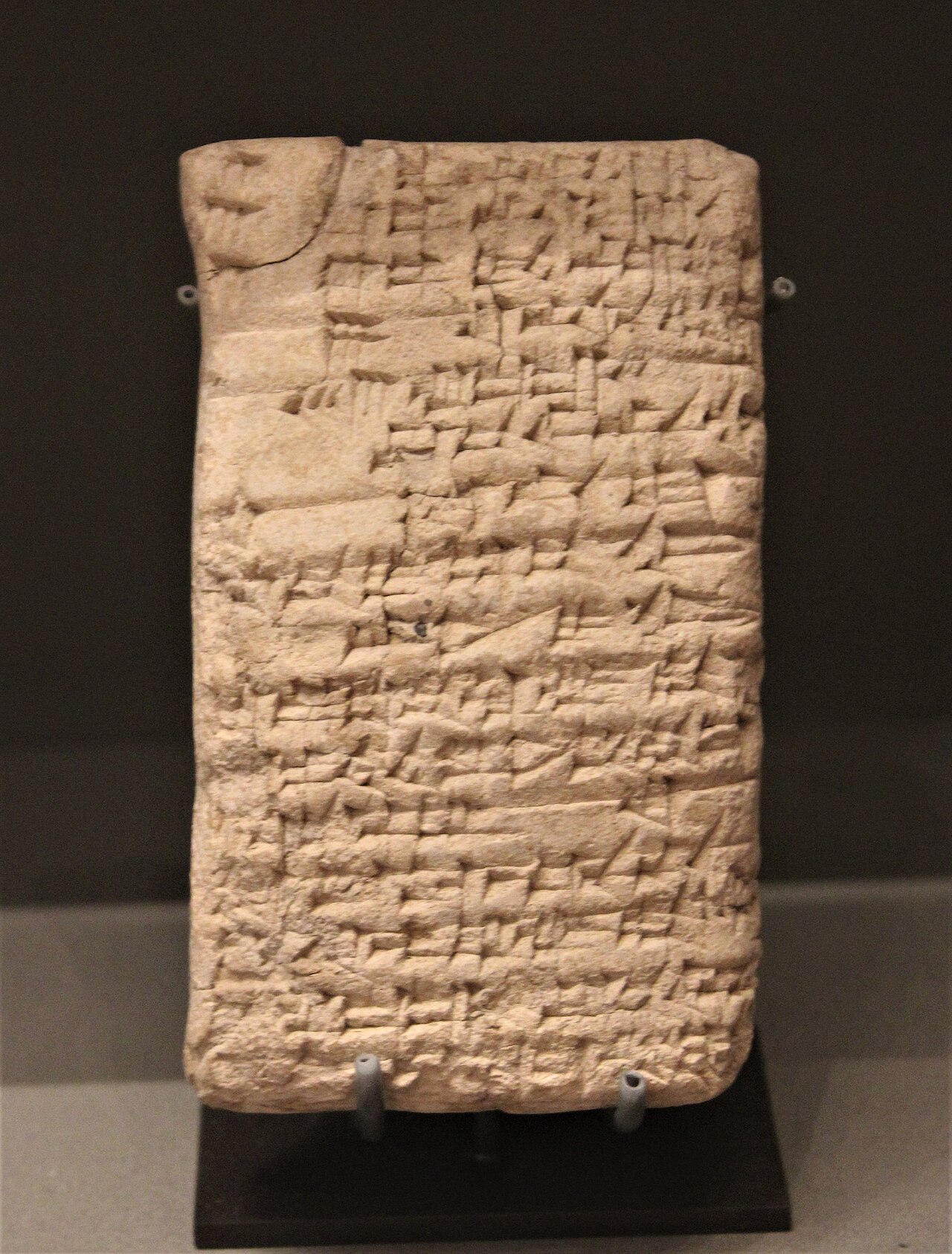
Primary source
Letter from Hammurabi to Sîn-iddinam
Hammurabi · c. 1792-1750 BCE
 Document
Primary source
List of the year-names of Hammurabi's reign
Old Babylonian period, reign of Hammurabi (c. 1792-1750 BCE)
 Document
Secondary source
Chronicle of Early Kings
Babylonian scribes · c. 6th century BCE copy
Ready when you are
Start chatting with Hammurabi now.
20 messages free · No credit card · Available in 50+ languages.