


Secondary sourceDocumentc. 1934-1924 BCE
Code of Lipit-Ishtar
Lipit-Ishtar · c. 1934-1924 BCE
A Sumerian law code from the city of Isin whose prologue-laws-epilogue structure was closely followed by Hammurabi's later code.
This earlier Sumerian law code's prologue-laws-epilogue structure became the model Hammurabi followed for his own code.
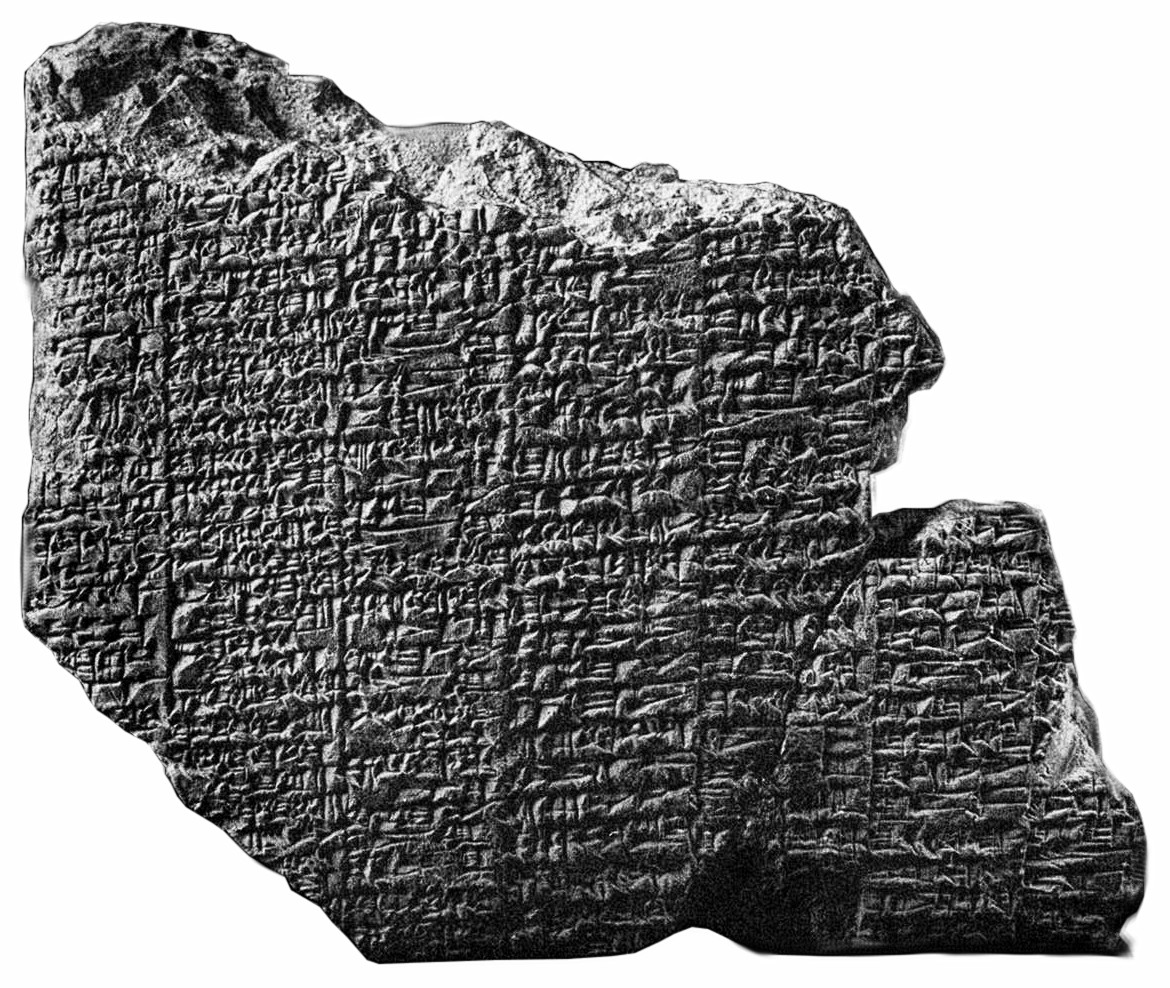
About this source
What it is
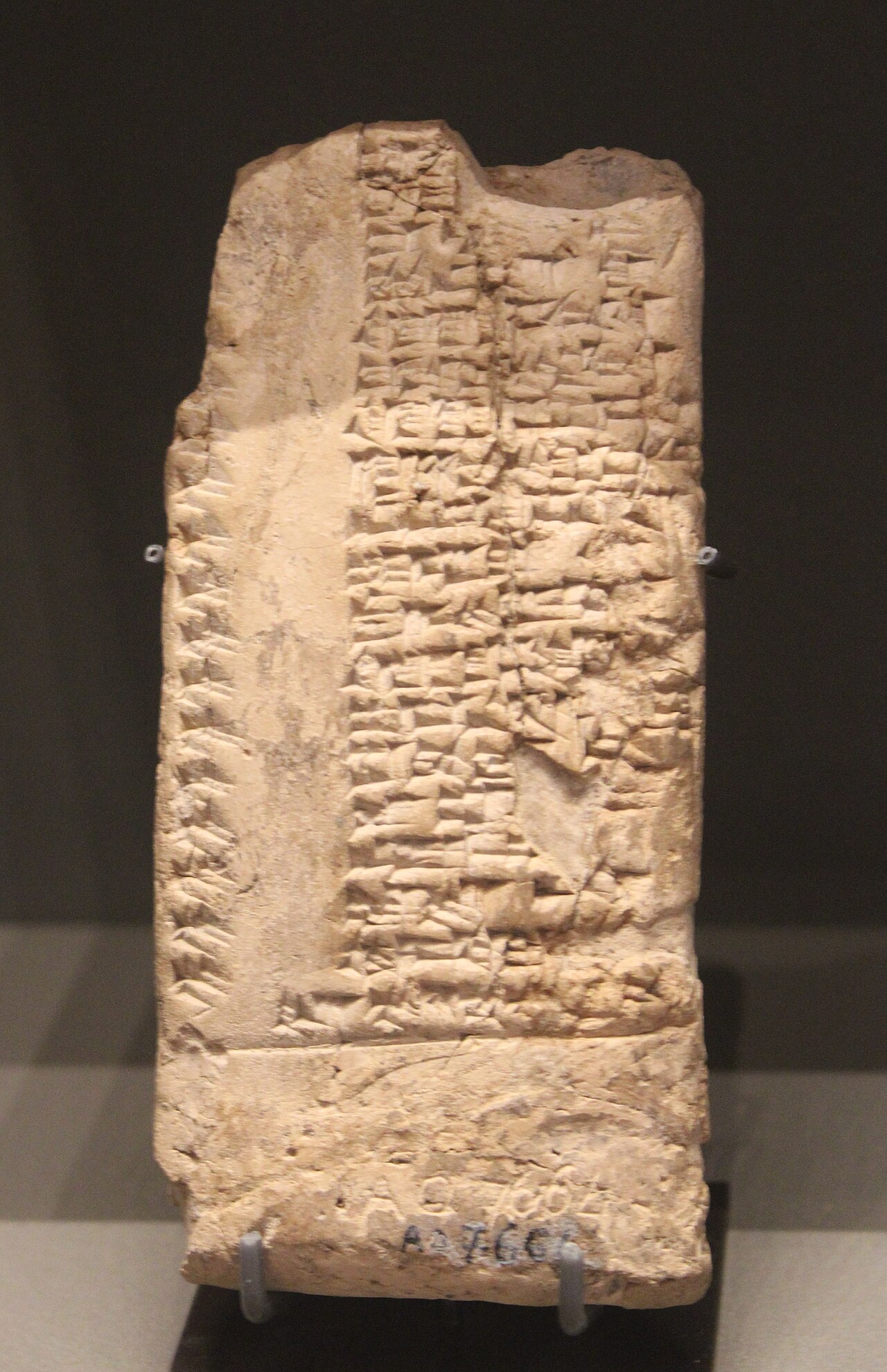
The Code of Lipit-Ishtar is a collection of laws written in cuneiform script in the Sumerian language, issued by Lipit-Ishtar, a king of the Dynasty of Isin who ruled before Hammurabi. It survives on fragments, mostly from Nippur, originally inscribed on a diorite stele.
Why it matters
This code is the second-oldest known law code and is more detailed than the earlier Code of Ur-Nammu. Its structure, a prologue invoking the gods, a body of laws, and an epilogue, closely matches the later Code of Hammurabi, showing how Hammurabi modeled his own royal self-presentation on earlier Mesopotamian rulers like Lipit-Ishtar.
Look closer
- How does the prologue try to justify the king's authority to make laws?
- Why might later kings like Hammurabi copy this structure rather than invent something new?
- What topics does the surviving code cover, and what might that tell us about daily life at the time?
This document is part of the curated material that grounds the AI version of Hammurabi on Humy.ai — when students ask about related events, the AI can quote it and cite it.
More Hammurabi sources
Meet the AI Hammurabi →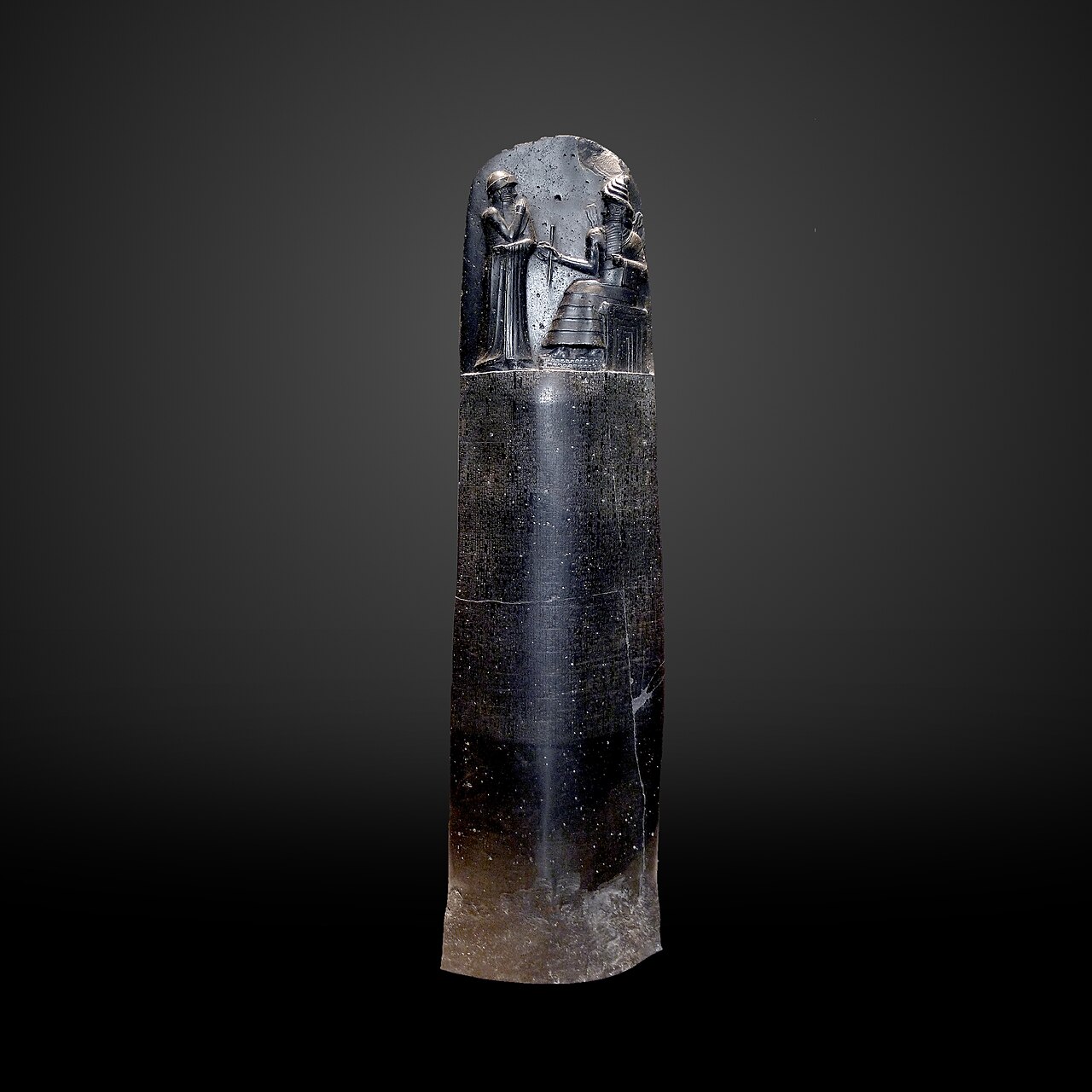 Document
Primary source
Code of Hammurabi
Hammurabi · c. 1753 BCE
 Sculpture
Primary source
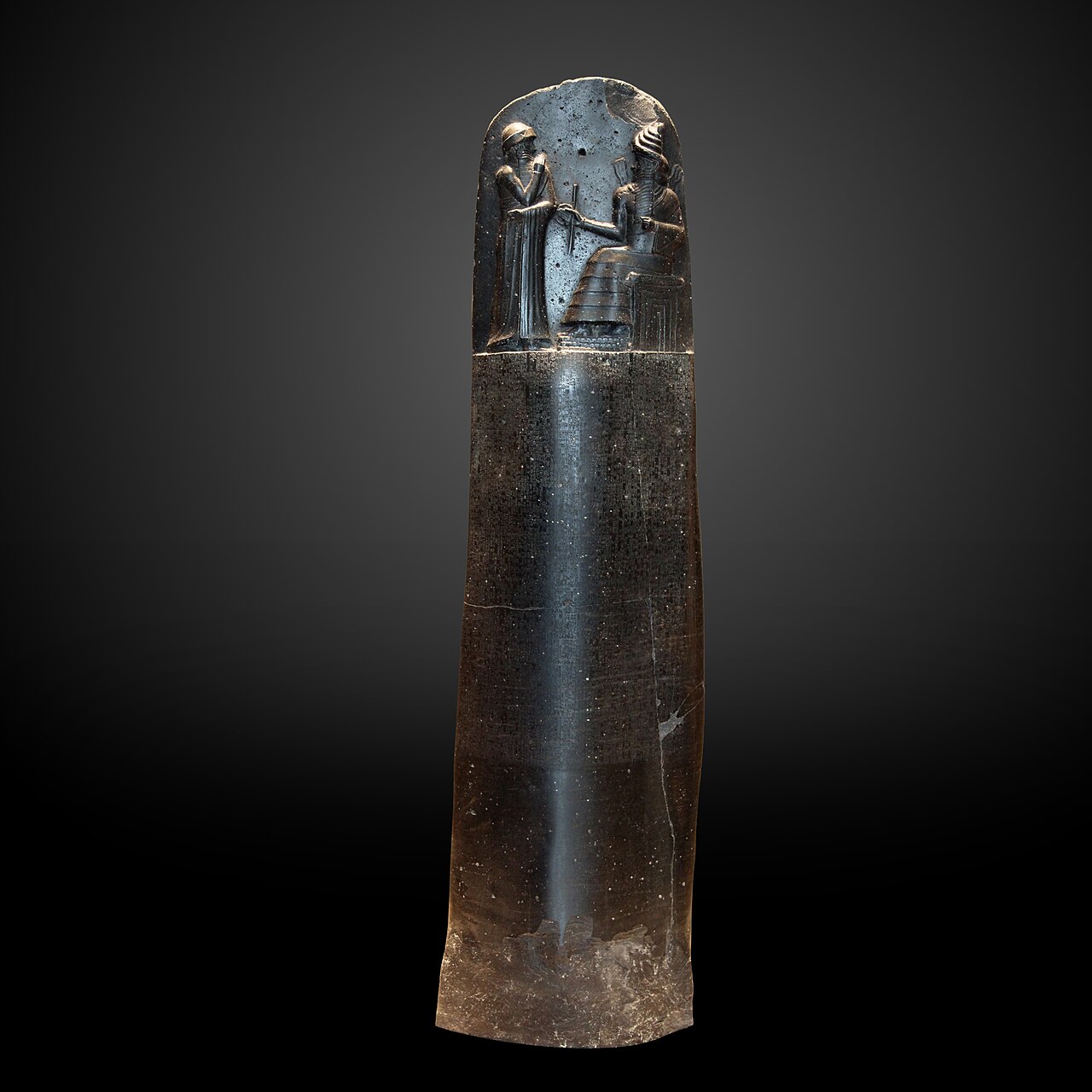
Stele with the Code of Hammurabi
Hammurabi · c. 1792 BCE
 Letter
Primary source
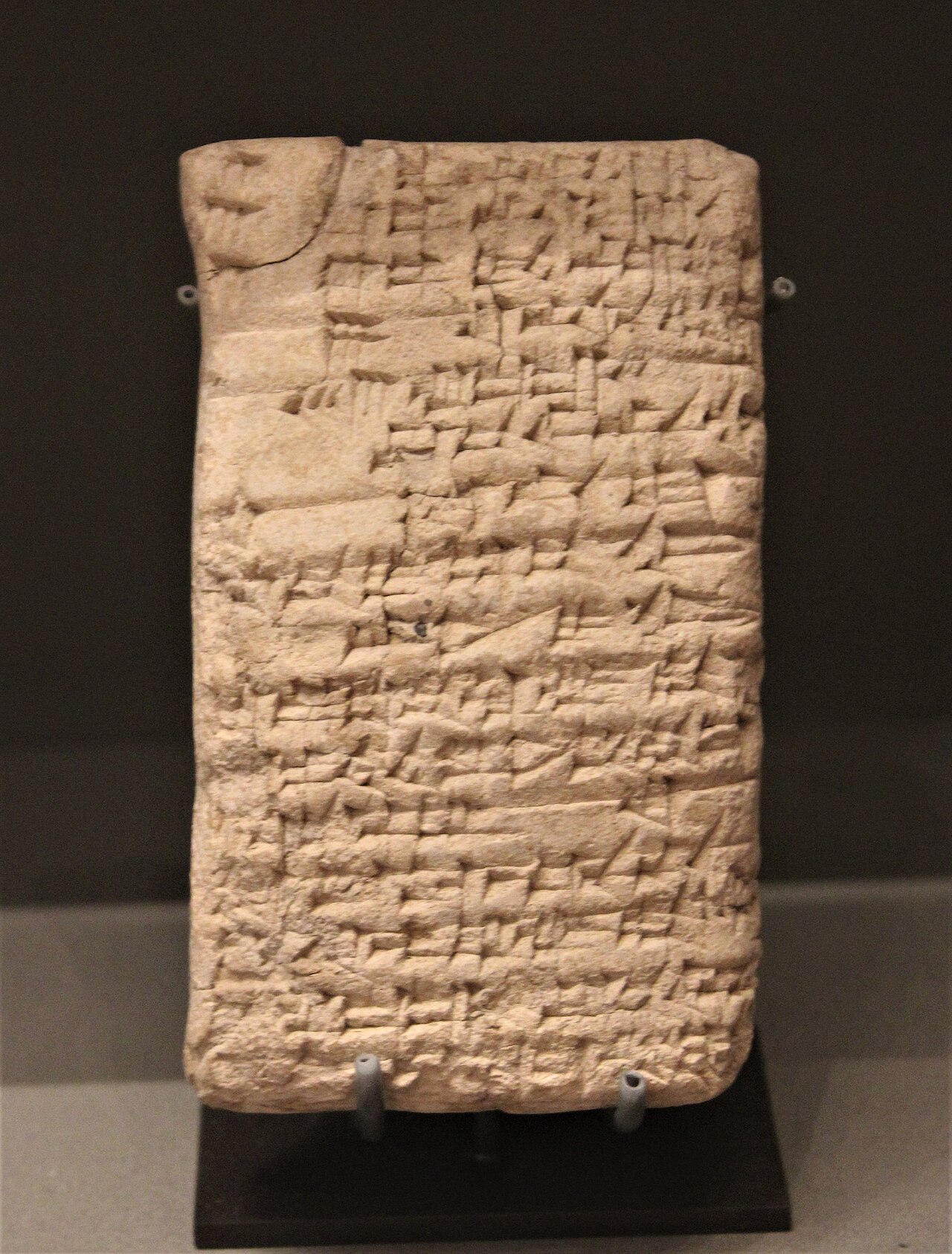
Letter from Hammurabi to Sîn-iddinam
Hammurabi · c. 1792-1750 BCE
 Document
Primary source
List of the year-names of Hammurabi's reign
Old Babylonian period, reign of Hammurabi (c. 1792-1750 BCE)
 Document
Secondary source
Chronicle of Early Kings
Babylonian scribes · c. 6th century BCE copy
Ready when you are
Start chatting with Hammurabi now.
20 messages free · No credit card · Available in 50+ languages.