


Primary sourcePainting16th century
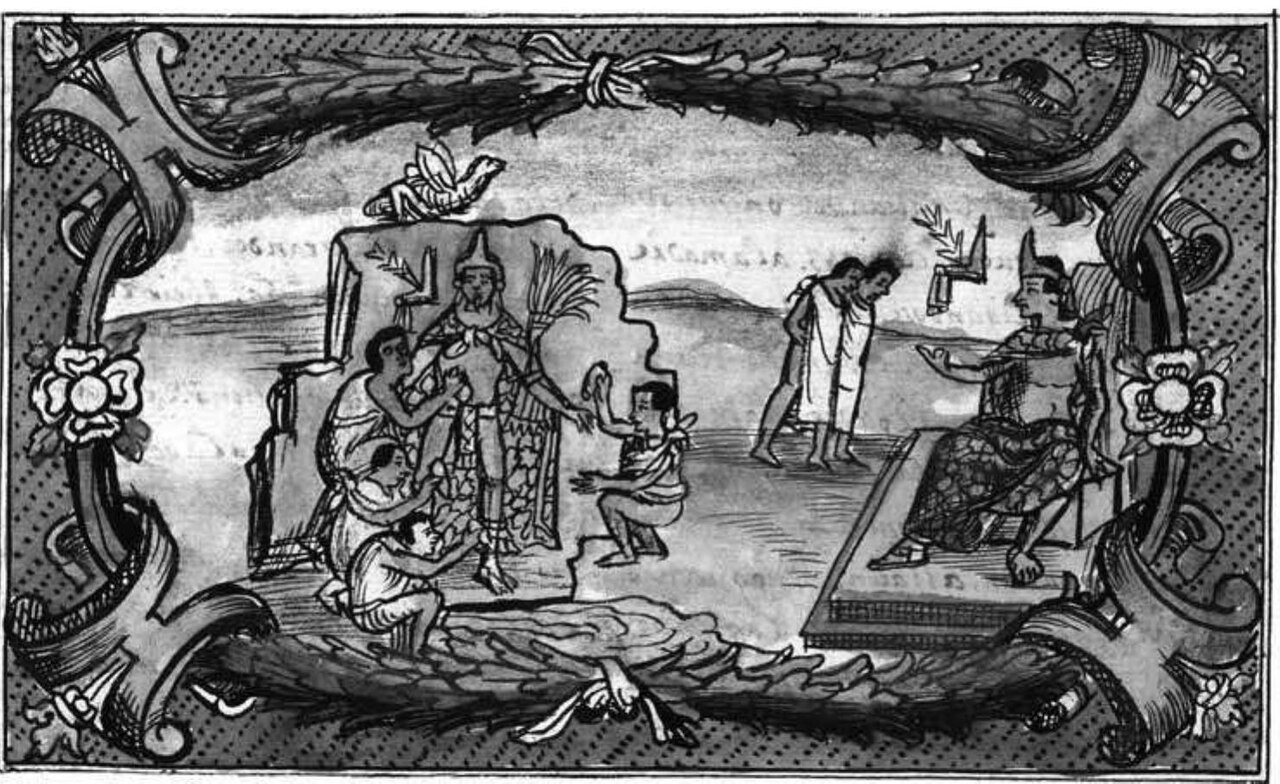
Codex Durán: Moctezuma Overseeing His Chapultepec Sculpture
Diego Durán · 16th century
A 16th-century manuscript illustration showing Moctezuma II supervising the carving of his own image on Chapultepec Hill.
Shows Moctezuma II personally overseeing the carving of his own image into Chapultepec Hill, a mark of his authority.
About this source
What it is
This illustration comes from the Codex Durán, a 16th-century manuscript created by Diego Durán and others documenting Aztec history and customs. It shows Moctezuma II seated on a raised platform, overseeing workers who are carving his likeness into the rock of Chapultepec Hill.
Why it matters
This image, made not long after Moctezuma's reign, reflects how the Aztec ruler wanted to be remembered and the way power and legacy were displayed through monumental art. It also shows how colonial-era chroniclers like Durán recorded Aztec traditions using both pictures and descriptions.
Look closer
- What does it mean that Moctezuma ordered a sculpture of himself to be carved into a hillside?
- Who do you think the workers carving the sculpture were, and what might their lives have been like?
- Why might Durán, writing after the conquest, have included this scene in his manuscript?
This painting is part of the curated material that grounds the AI version of Montezuma II on Humy.ai — when students ask about related events, the AI can quote it and cite it.
More Montezuma II sources
Meet the AI Montezuma II →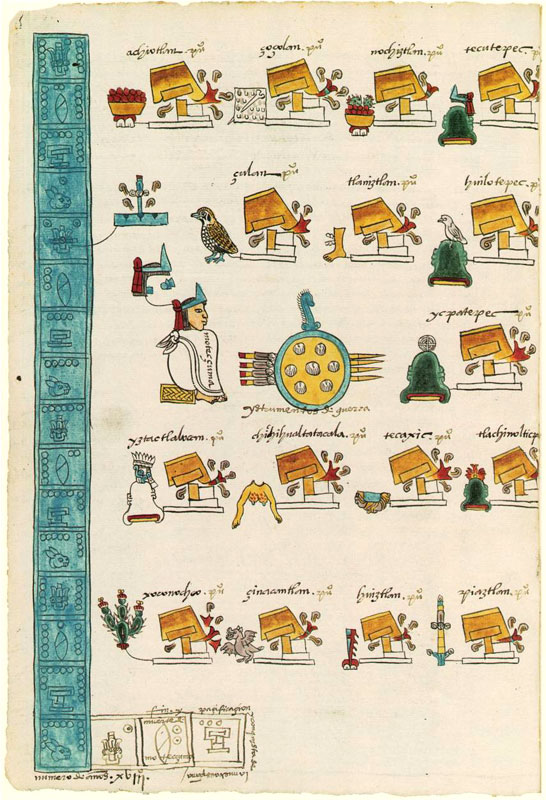 Document
Secondary source
Codex Mendoza, Folio 15v
Unknown author · 16th century
 Painting
Secondary source
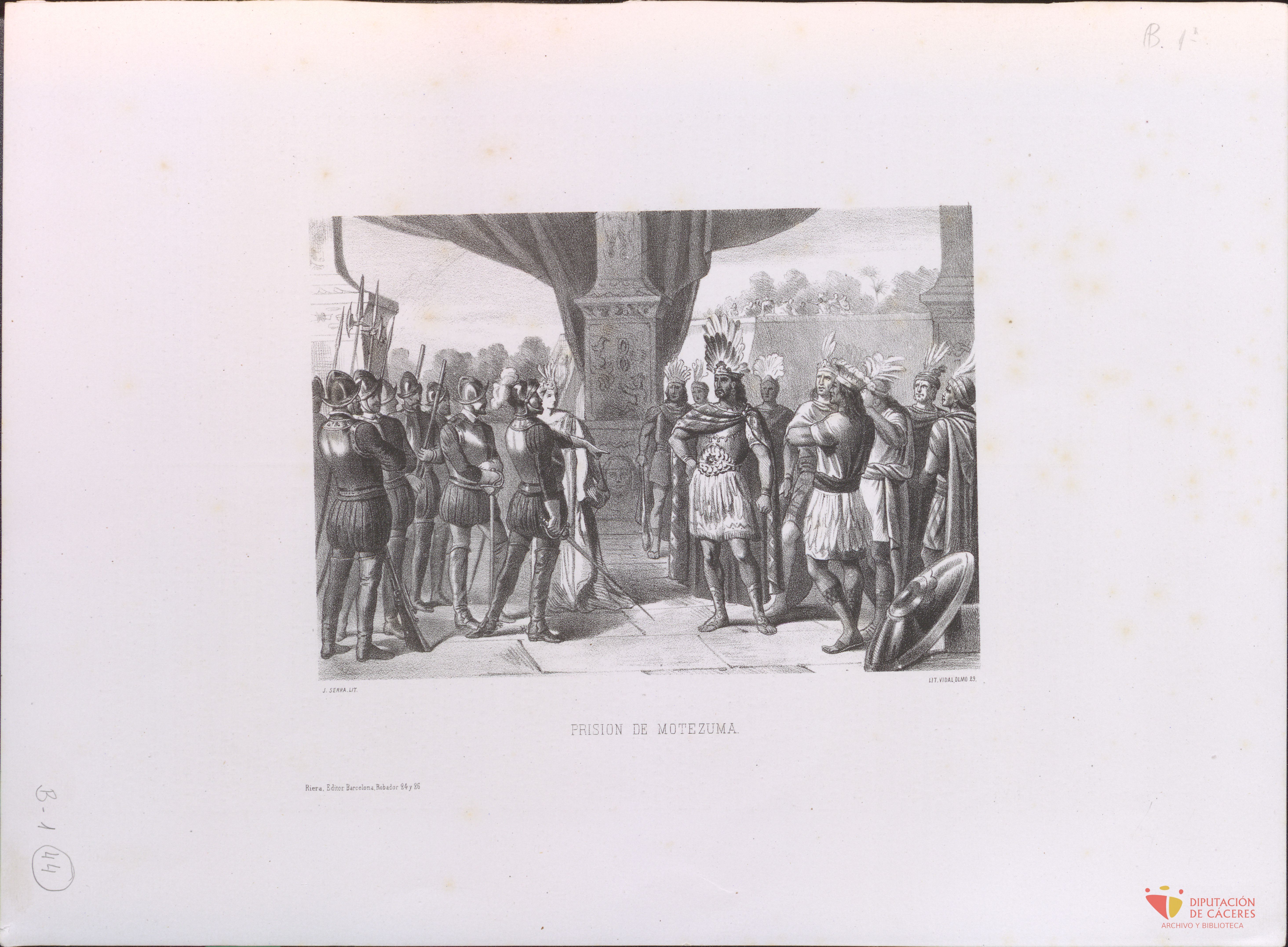
Prisión del emperador Moctezuma
Rafael del Castillo de la Cuesta · 1880
 Book
Secondary source
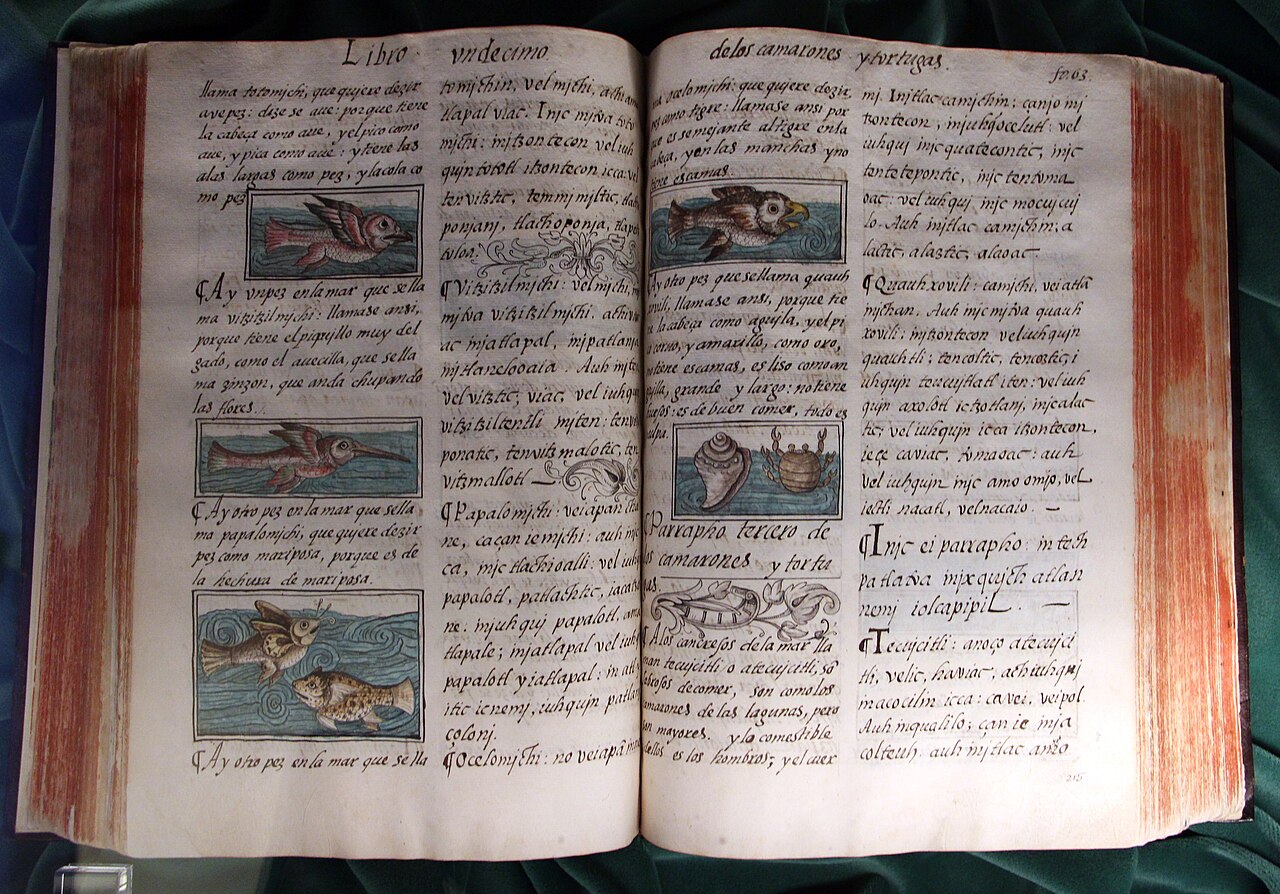
Florentine Codex
Bernardino de Sahagún with Nahua collaborators · 1569
 Painting
Secondary source
Hernán Cortés takes Moctezuma prisoner
Louis Auguste Turgis · 1895
 Letter
Primary source
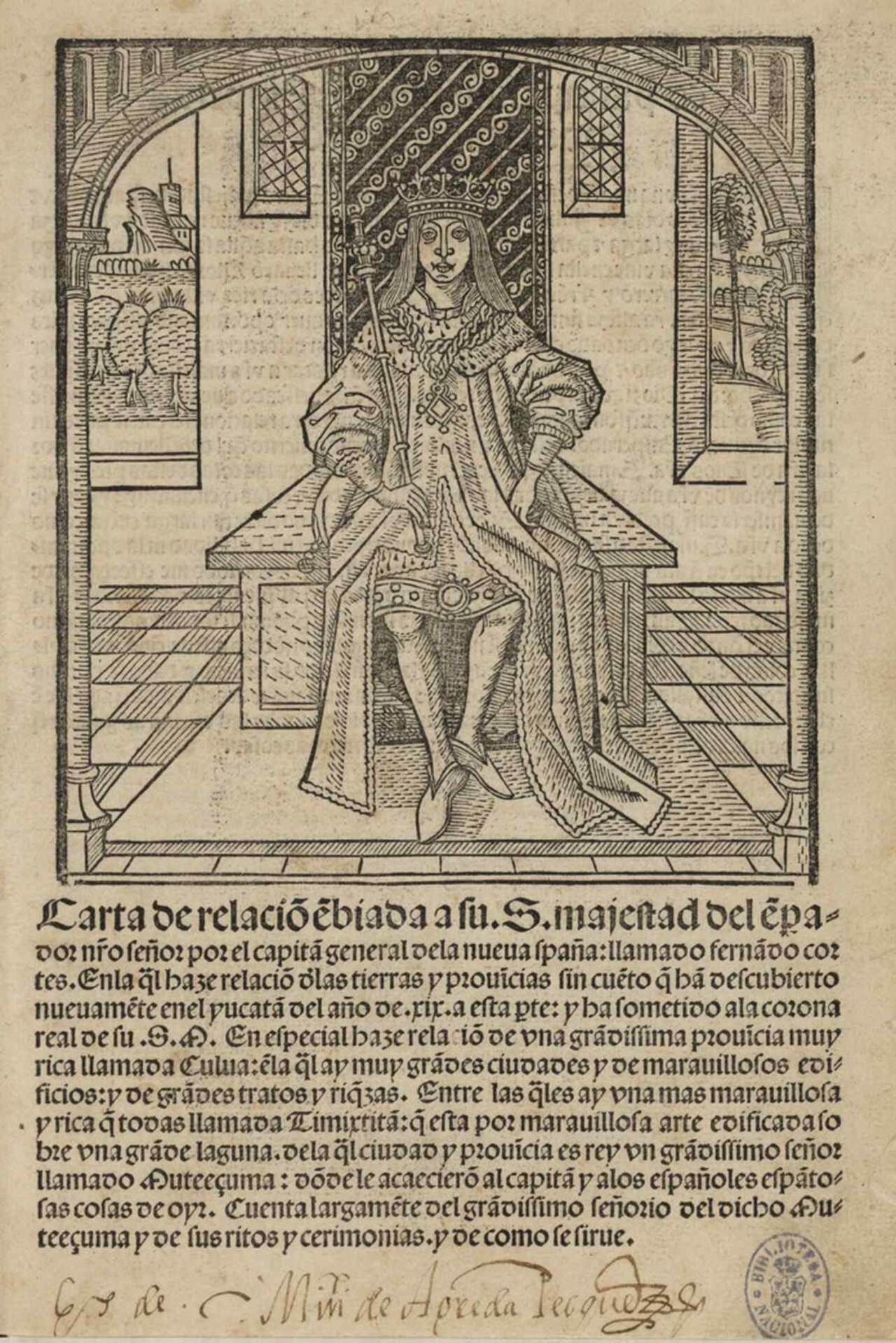
Second Letter to Charles V
Hernán Cortés · 1520 (printed 1522)
Ready when you are
Start chatting with Montezuma II now.
20 messages free · No credit card · Available in 50+ languages.