


Secondary sourceBookearly 11th century
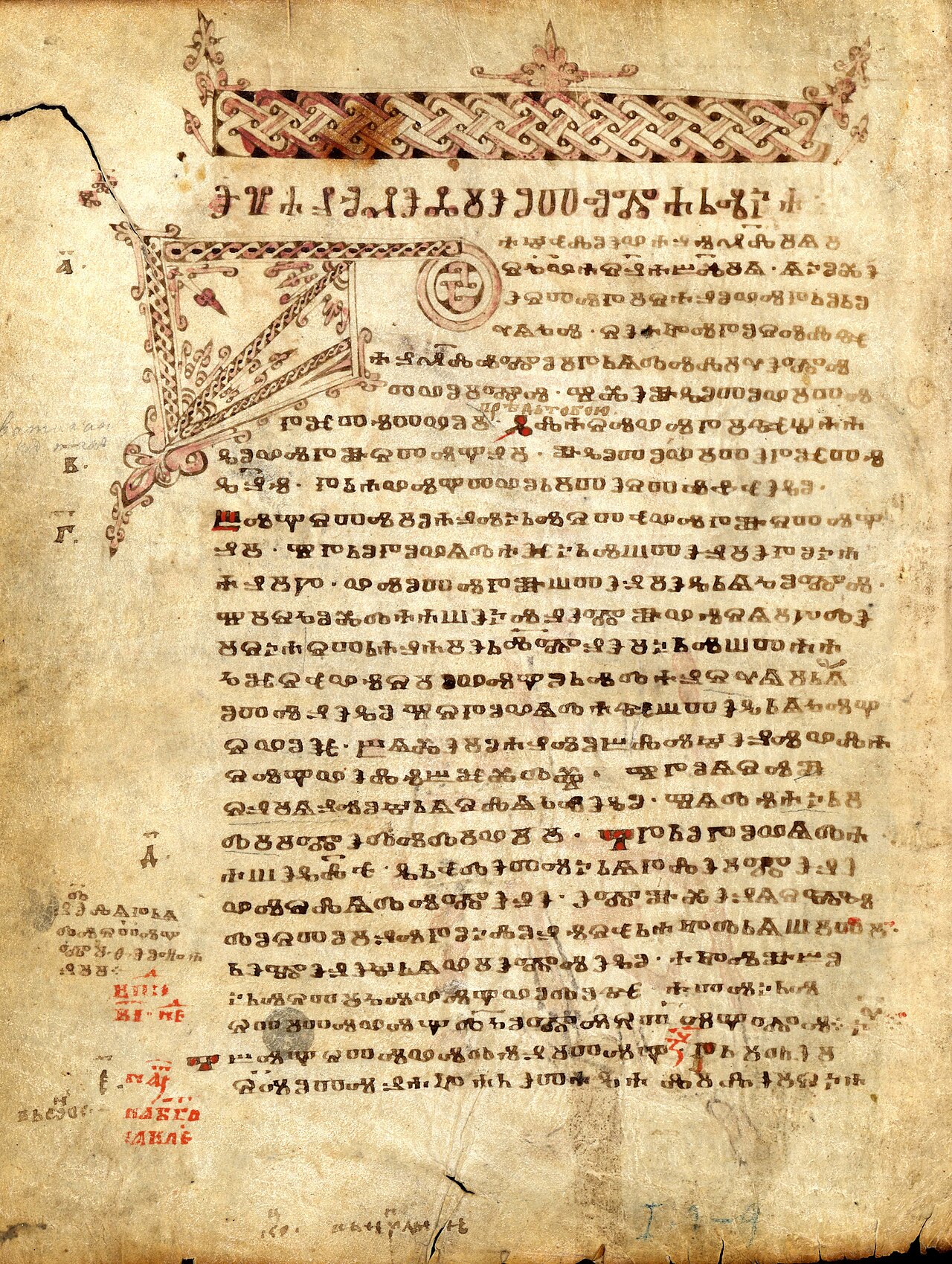
Codex Marianus
early 11th century
An early Glagolitic Gospel manuscript descended from Cyril's Slavonic Gospel translation.
This canonical Gospel text descends from the Slavonic translation Cyril made, showing the lasting reach of his work.
About this source
What it is
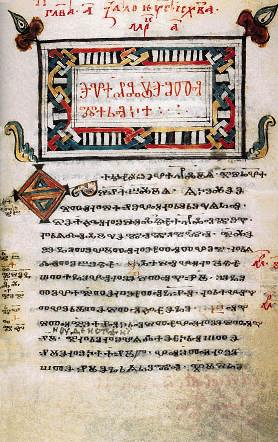
The Codex Marianus is an Old Church Slavonic Gospel manuscript written in Glagolitic script, dated to the beginning of the 11th century. Most of it is held by the Russian State Library, with two folios in the Austrian National Library in Vienna.
Why it matters
Along with the Codex Zographensis, it is one of the oldest surviving witnesses to the Old Church Slavonic language and forms part of the canonical texts descended from Cyril's Gospel translation. Scholars have long debated exactly where it was made, which shows how widely the Slavonic literary tradition Cyril helped found spread across different regions.
Look closer
- Why do scholars still argue about where and when this manuscript was made?
- What does the survival of multiple old copies of the same Gospel translation tell you about its importance?
- What might separating the manuscript into pieces held in different countries do to our understanding of it?
This book is part of the curated material that grounds the AI version of Saint Cyril the Philosopher on Humy.ai — when students ask about related events, the AI can quote it and cite it.
More Saint Cyril the Philosopher sources
Browse all 46 →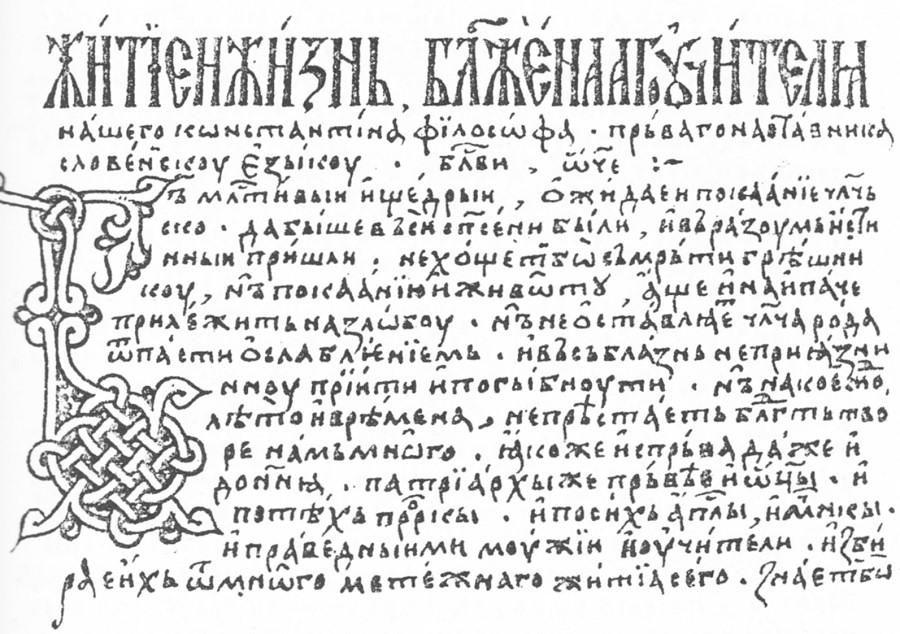 Book
Secondary source
The Life of Constantine
Clement of Ohrid · 888
 Book
Primary source
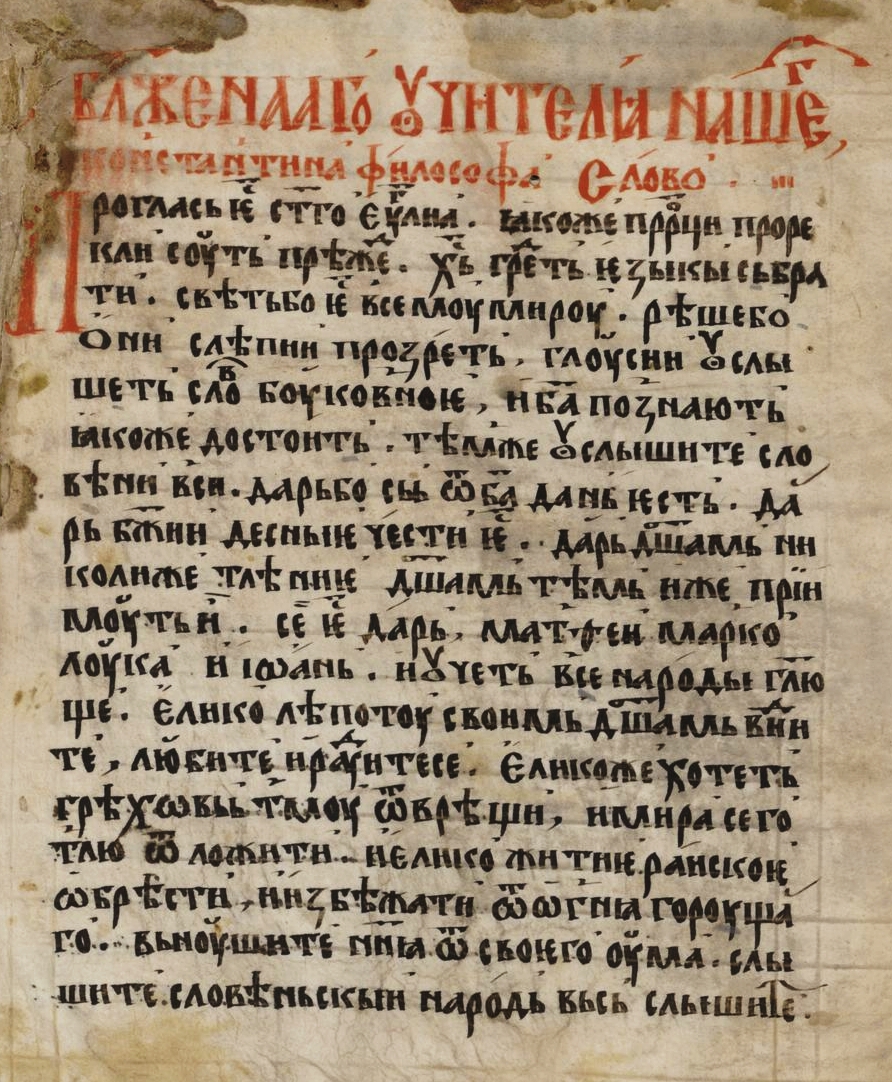
Proglas
Saint Cyril the Philosopher · 863–867
 Document
Secondary source
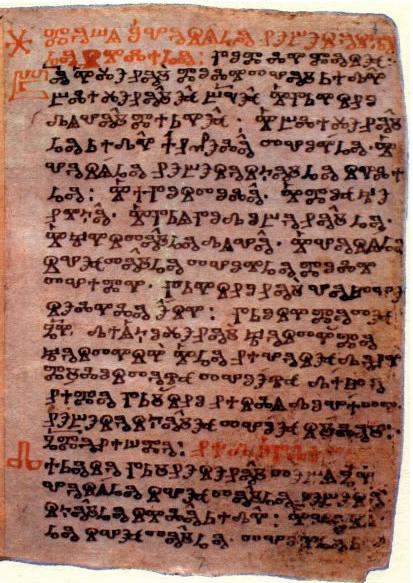
Kiev Missal
Saint Gorazd · c. 950-1000
 Book
Secondary source
Codex Zographensis
late 10th-early 11th century
Free account
Browse every Saint Cyril the Philosopher source
Sign up free →
Ready when you are
Start chatting with Saint Cyril the Philosopher now.
20 messages free · No credit card · Available in 50+ languages.