


Secondary sourceBooklate 10th-early 11th century
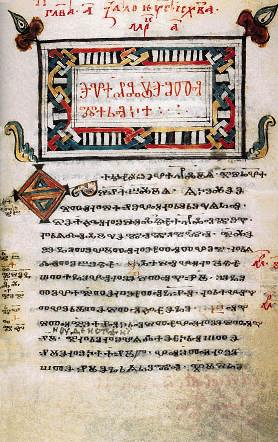
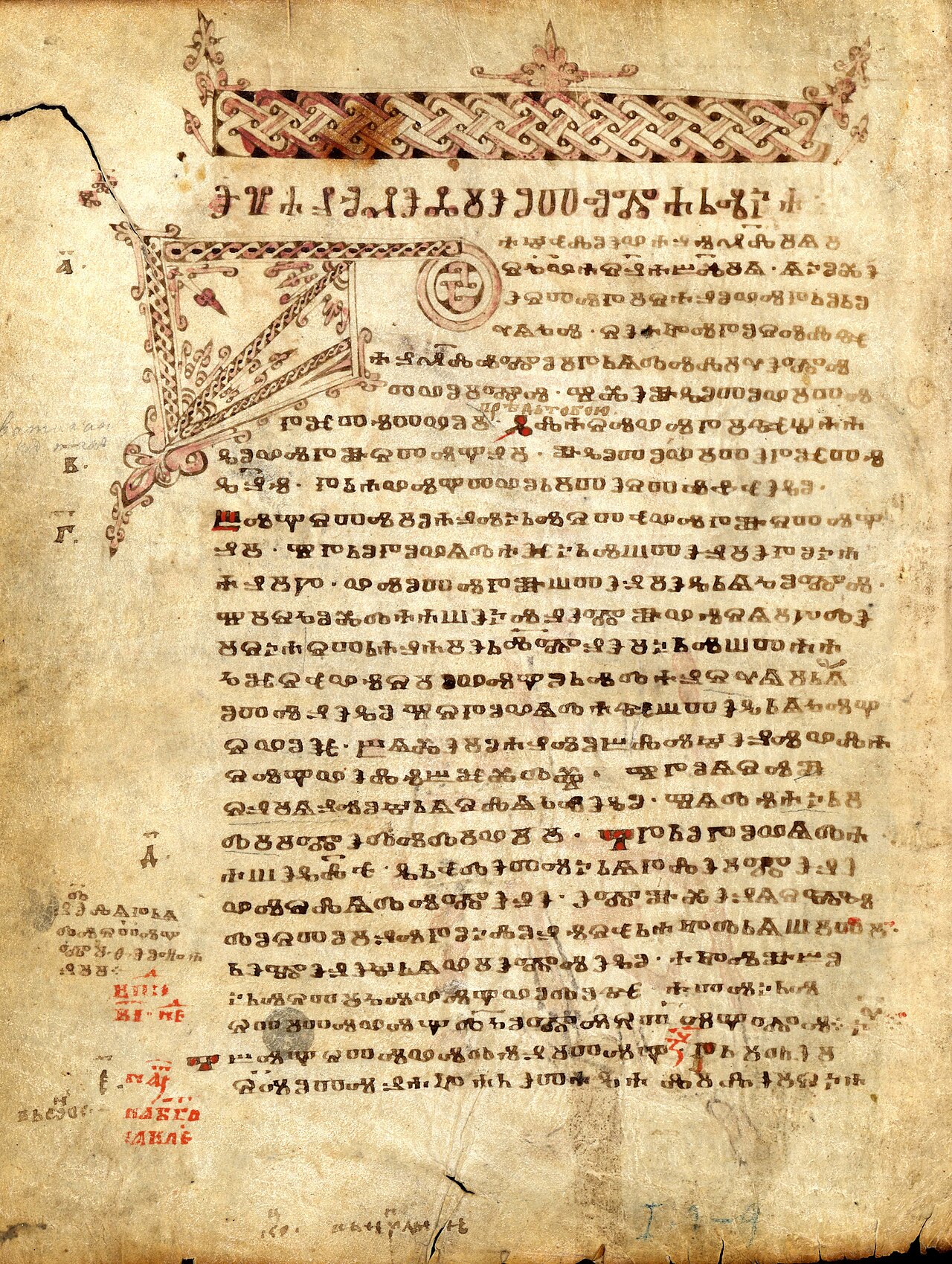
Codex Zographensis
late 10th-early 11th century
An illuminated Glagolitic Gospel book preserving the Slavonic Gospel translation begun by Cyril and Methodius.
This Gospel manuscript preserves the Slavonic translation that Cyril and Methodius began, in the alphabet Cyril created.
Free Humy account · No credit card · 53,307 sources to read
About this source
What it is
The Codex Zographensis is an illuminated Old Church Slavonic Gospel manuscript of 304 parchment folios, most written in the round Glagolitic script that Constantine-Cyril devised. It dates to the end of the 10th or beginning of the 11th century and is held today by the National Library of Russia.
Why it matters
It preserves one of the oldest known copies of the Gospel translation that Cyril and Methodius began in 863. Along with similar manuscripts, it is key evidence for how the brothers' alphabet and translation spread and were copied by later scribes across Slavic lands, and for how the Slavonic liturgical language developed after their deaths.
Look closer
- What does the careful decoration of this Gospel book suggest about how important it was to its community?
- Why might scribes continue copying this translation for centuries after Cyril's death?
- What parts of the manuscript are missing, and what might that tell us about its survival?
This book is part of the curated material that grounds the AI version of Saint Cyril the Philosopher on Humy.ai — when students ask about related events, the AI can quote it and cite it.
More Saint Cyril the Philosopher sources
Browse all 46 →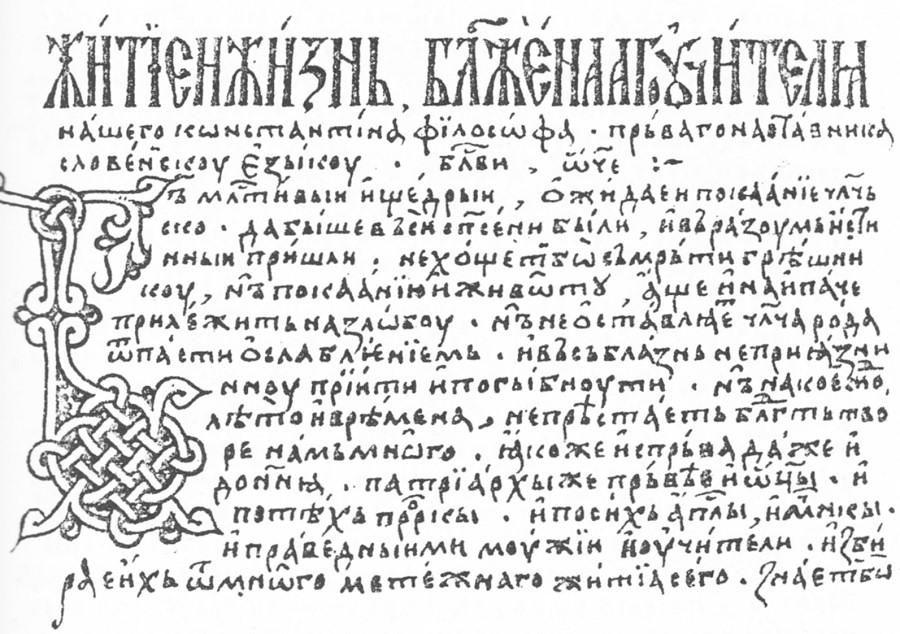 Book
Secondary source
The Life of Constantine
Clement of Ohrid · 888
 Book
Primary source
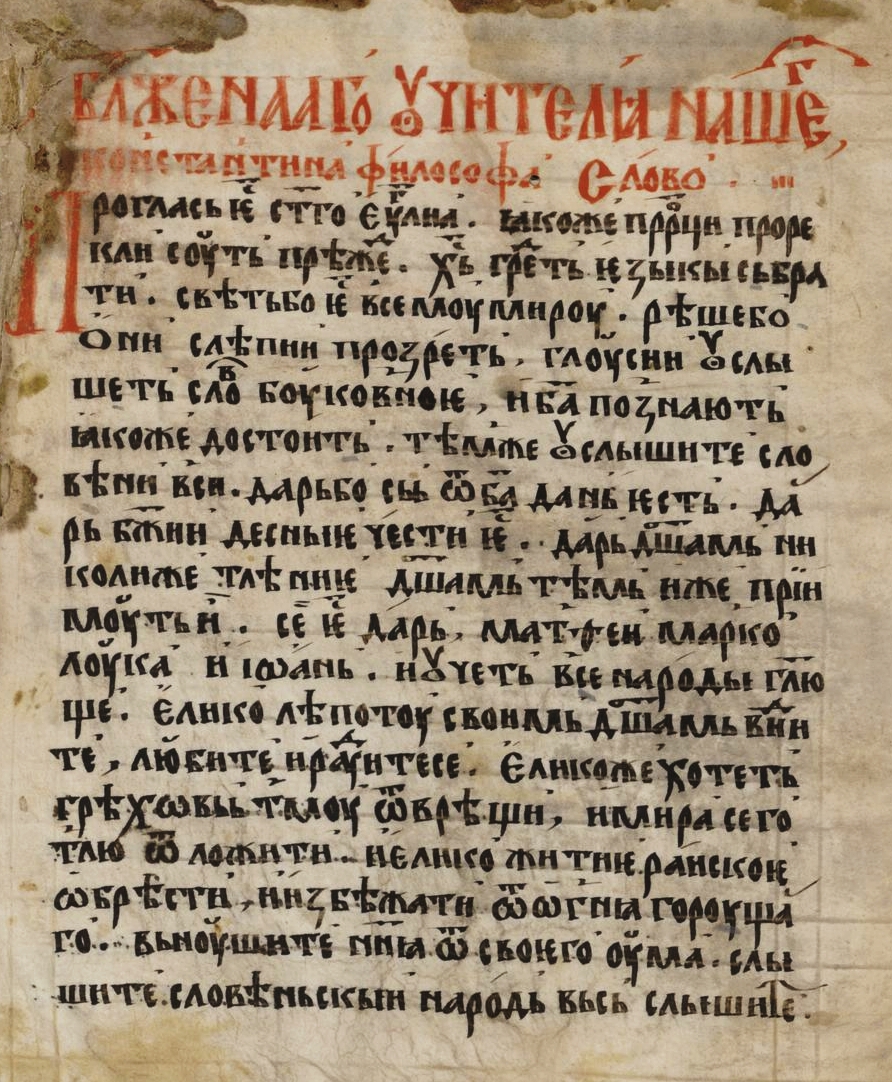
Proglas
Saint Cyril the Philosopher · 863–867
 Document
Secondary source
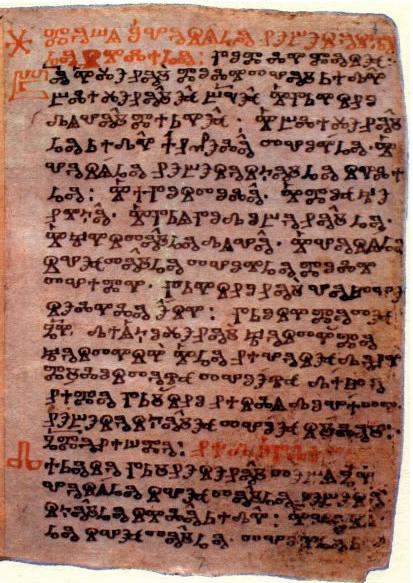
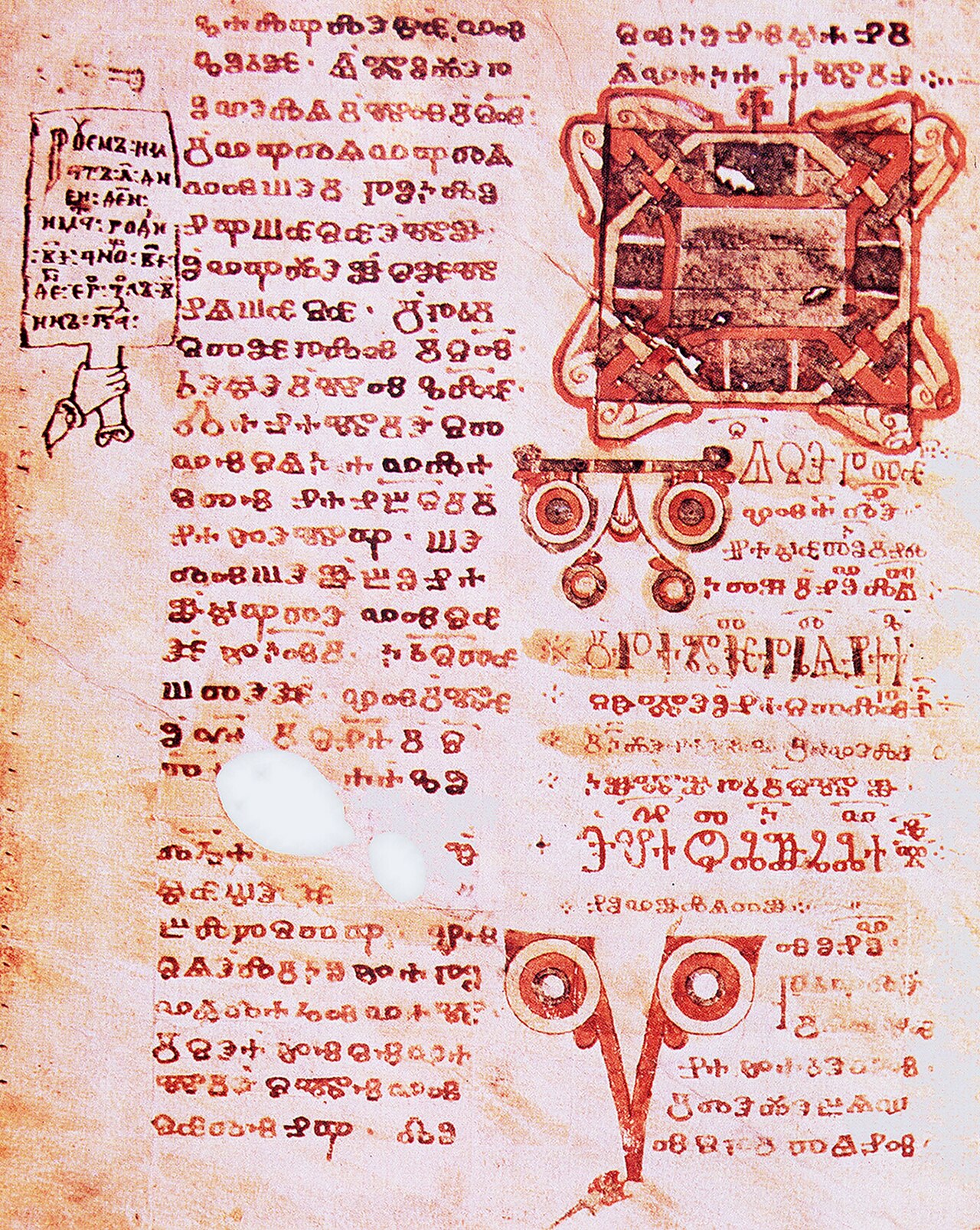
Kiev Missal
Saint Gorazd · c. 950-1000
 Book
Secondary source
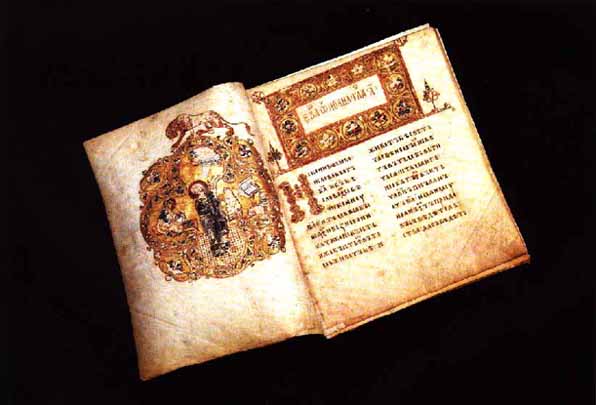
Codex Marianus
early 11th century
Free account
Browse every Saint Cyril the Philosopher source
Sign up free →
Ready when you are
Start chatting with Saint Cyril the Philosopher now.
20 messages free · No credit card · Available in 50+ languages.