


Secondary sourceDocumentc. 950-1000
Kiev Missal
Saint Gorazd · c. 950-1000
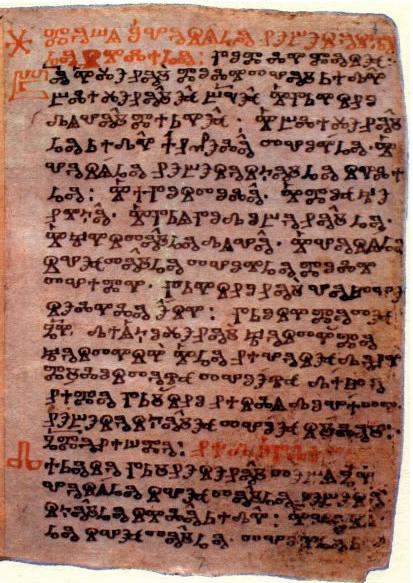
Possibly the oldest surviving Glagolitic manuscript, a Roman-rite mass book in Slavonic connected to Cyril and Methodius's missionary work.
This missal reflects the Moravian liturgical tradition founded by Cyril and Methodius's mission.
About this source
What it is
The Kiev Missal is a seven-folio Glagolitic manuscript containing parts of the Roman-rite mass in Old Church Slavonic, generally held to be the oldest surviving Glagolitic manuscript, dated no later than the second half of the 10th century. It is kept today by the National Academy of Sciences of Ukraine.
Why it matters
It reflects the liturgical work Cyril and his brother Methodius carried out in Moravia and shows their early willingness to work within the Latin Church's rite while still using Slavonic language. Its small, portable size suggests it was meant to be carried by missionaries on the move, giving a glimpse of the practical side of spreading Christianity among the Slavs.
Look closer
- Why might missionaries have needed a book small enough to carry with them?
- What does mixing the Roman rite with the Slavonic language suggest about compromise in religious missions?
- What is missing from these few surviving pages, and what might the rest of the book have contained?
This document is part of the curated material that grounds the AI version of Saint Cyril the Philosopher on Humy.ai — when students ask about related events, the AI can quote it and cite it.
More Saint Cyril the Philosopher sources
Browse all 46 →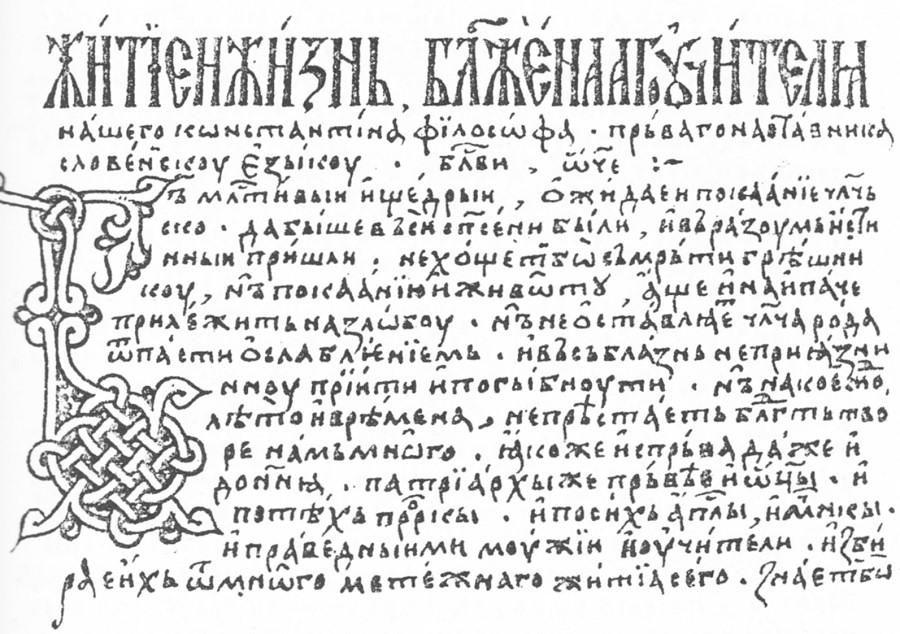 Book
Secondary source
The Life of Constantine
Clement of Ohrid · 888
 Book
Primary source
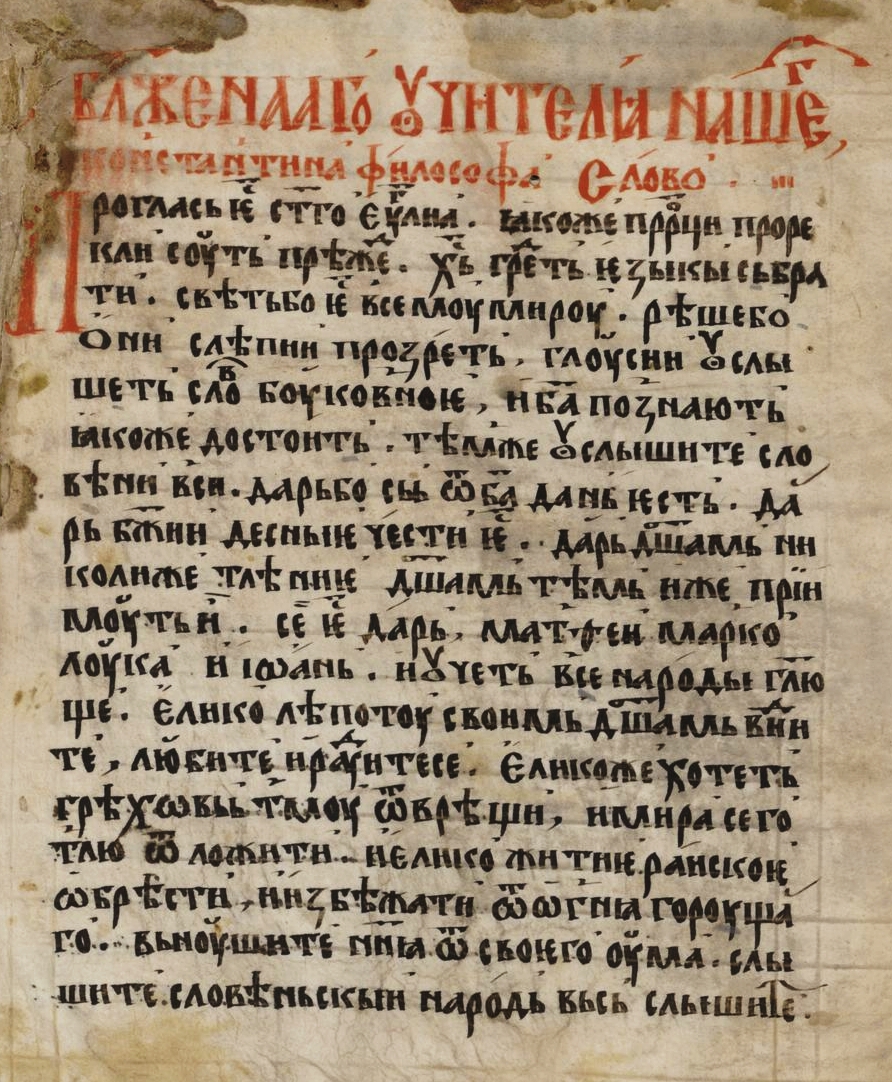
Proglas
Saint Cyril the Philosopher · 863–867
 Book
Secondary source
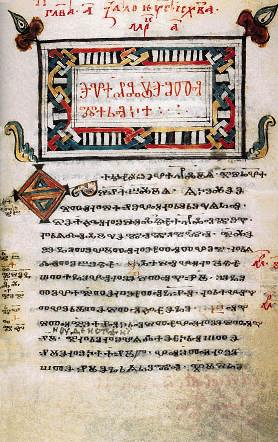
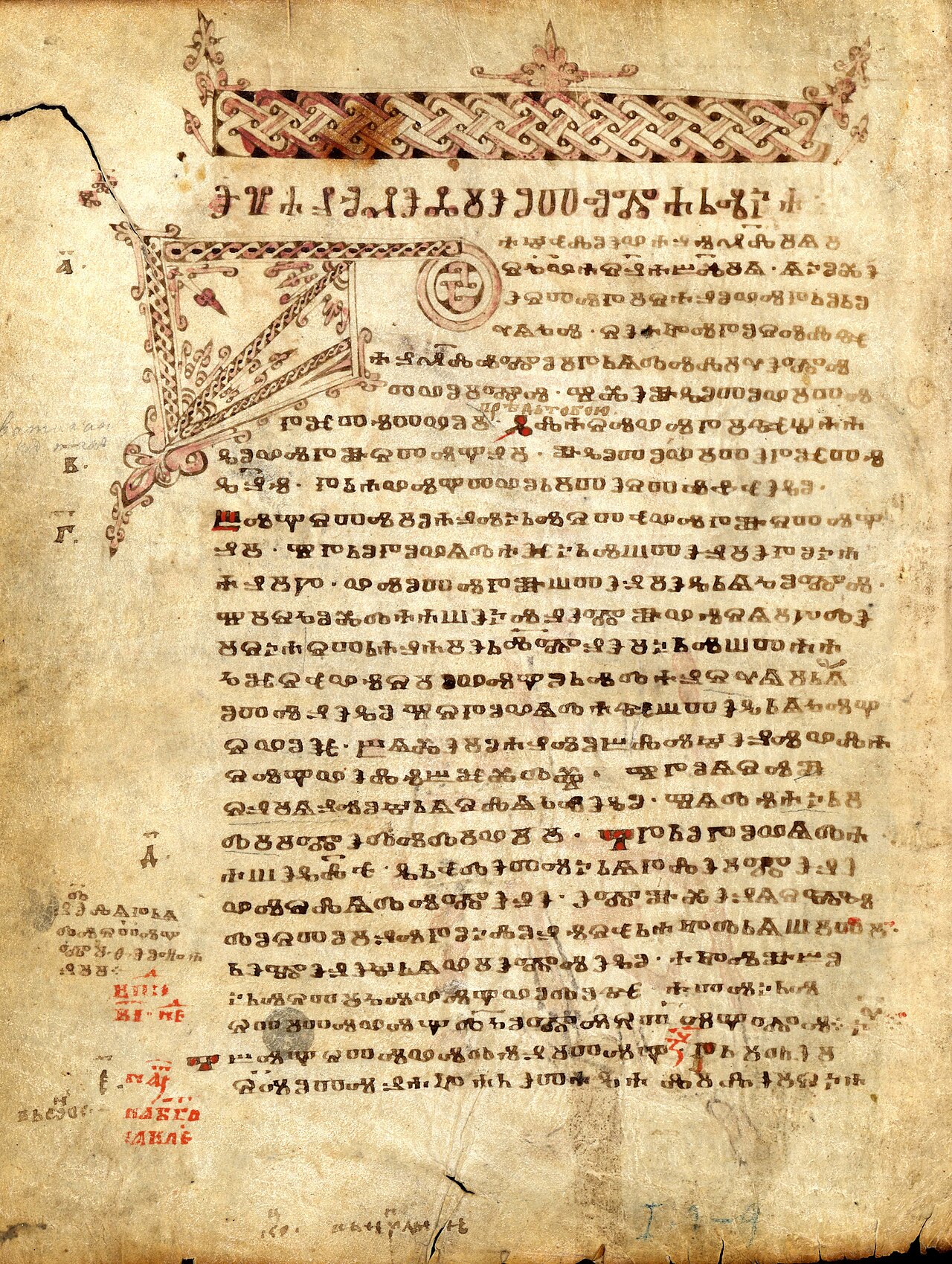
Codex Zographensis
late 10th-early 11th century
 Book
Secondary source
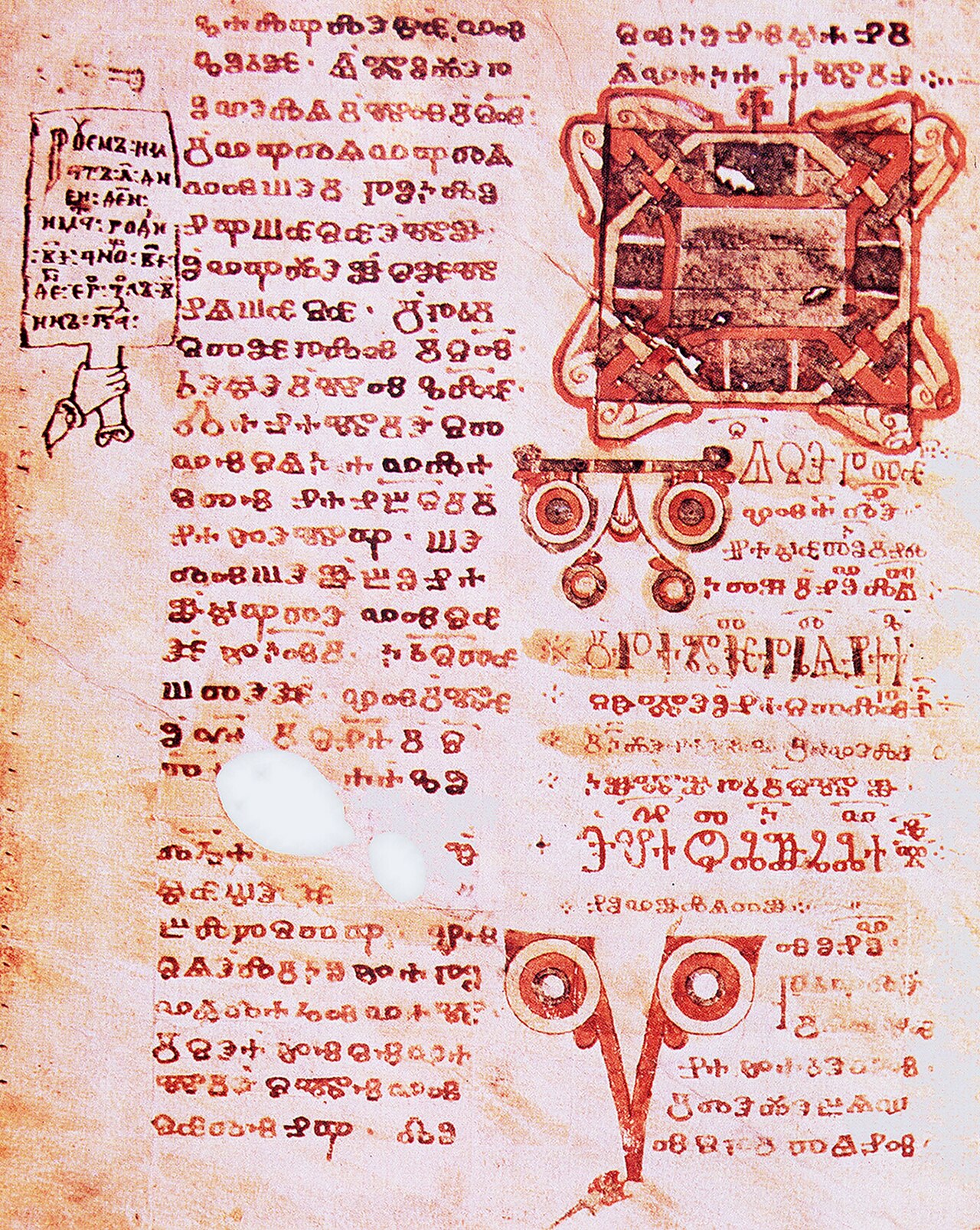
Codex Marianus
early 11th century
Free account
Browse every Saint Cyril the Philosopher source
Sign up free →
Ready when you are
Start chatting with Saint Cyril the Philosopher now.
20 messages free · No credit card · Available in 50+ languages.