


Secondary sourceBookmid-4th century AD
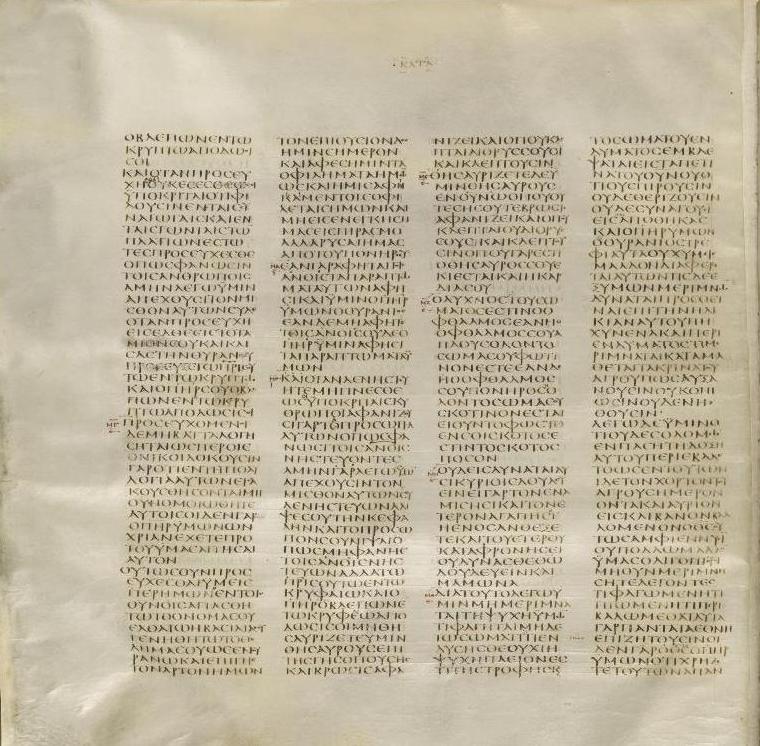
Codex Sinaiticus
mid-4th century AD
The oldest surviving complete Greek New Testament manuscript, showing how the Gospels about Jesus were copied and preserved.
This manuscript preserves the earliest complete copy of the Gospels recounting Jesus's life, teaching and death.
About this source
What it is
Codex Sinaiticus is a fourth-century handwritten Greek Bible containing most of the Old Testament and the whole New Testament, written on parchment in a careful uncial script. Discovered at Saint Catherine's Monastery in the Sinai Peninsula and brought to wider attention in the 19th century, most of it is now held by the British Library, with other parts in different libraries.
Why it matters
As one of the earliest complete copies of the New Testament, Codex Sinaiticus is a key source for scholars trying to reconstruct the original wording of the Gospels about Jesus's life and teaching. Its survival shows the enormous effort - hundreds of animal skins, years of a scribe's labour - that went into preserving these texts for later generations.
Look closer
- What does the careful, time-consuming script tell us about who made this book and why?
- Why might scholars value an old manuscript like this over later printed Bibles?
- What questions can't a manuscript like this answer about Jesus himself?
This book is part of the curated material that grounds the AI version of Jesus Christ and Saint Paul on Humy.ai — when students ask about related events, the AI can quote it and cite it.
More Jesus Christ sources
Meet the AI Jesus Christ →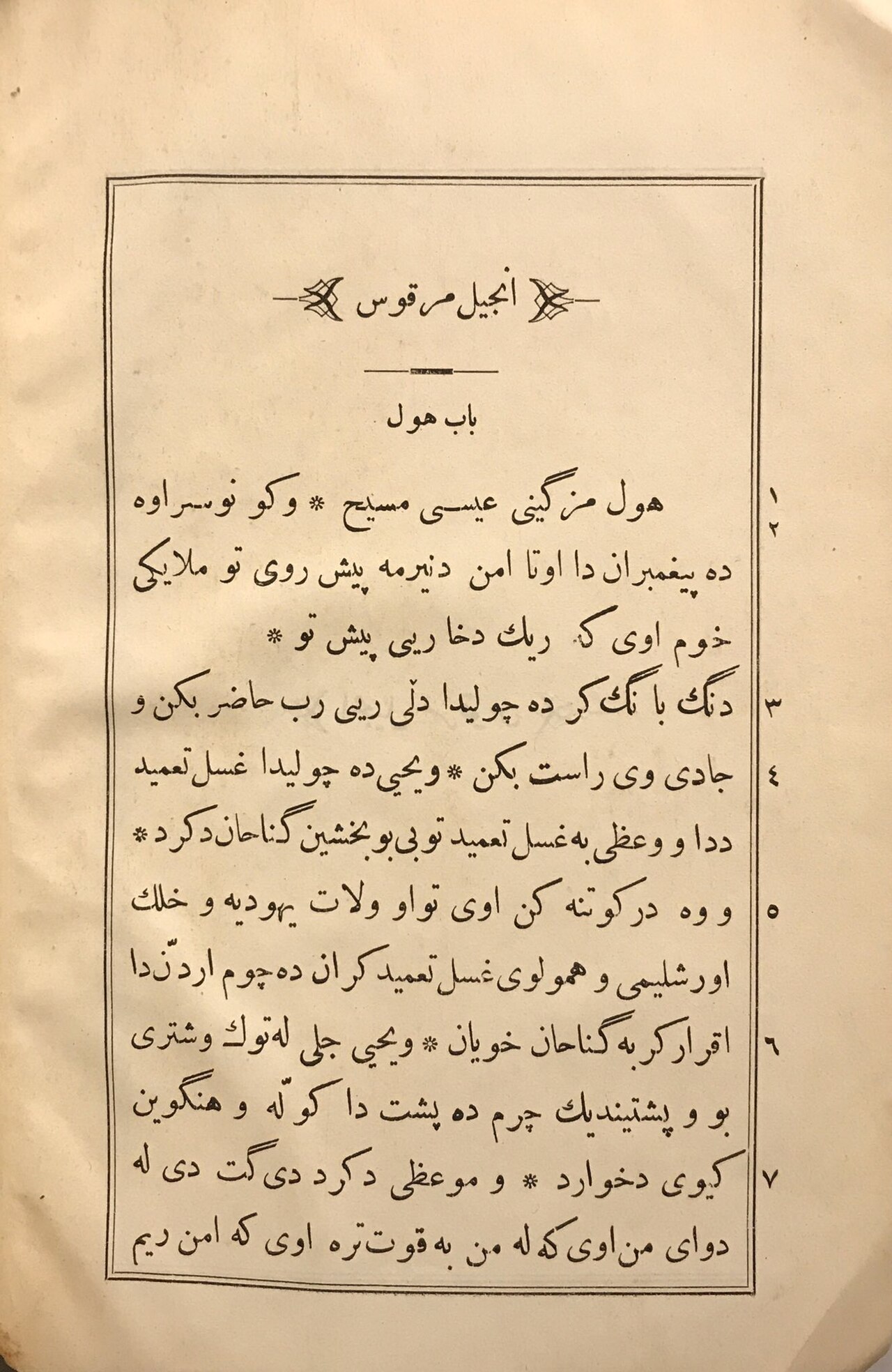 Book
Secondary source
Gospel of Mark
Mark the Evangelist · c. AD 66-75
 Artifact
Secondary source
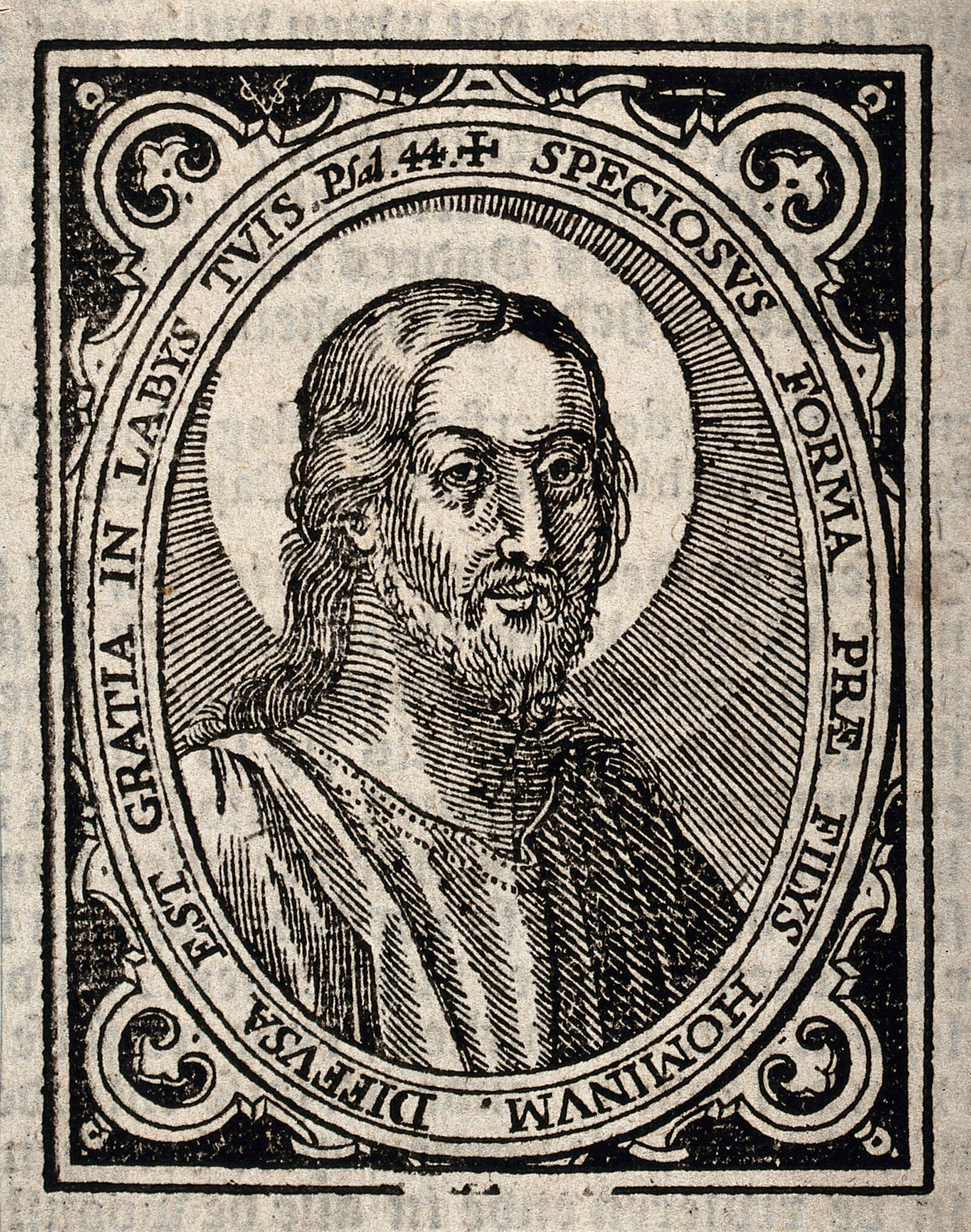
Jesus Christ, woodcut by Christoffel van Sichem III
Christoffel van Sichem III · c. 1645
 Book
Secondary source
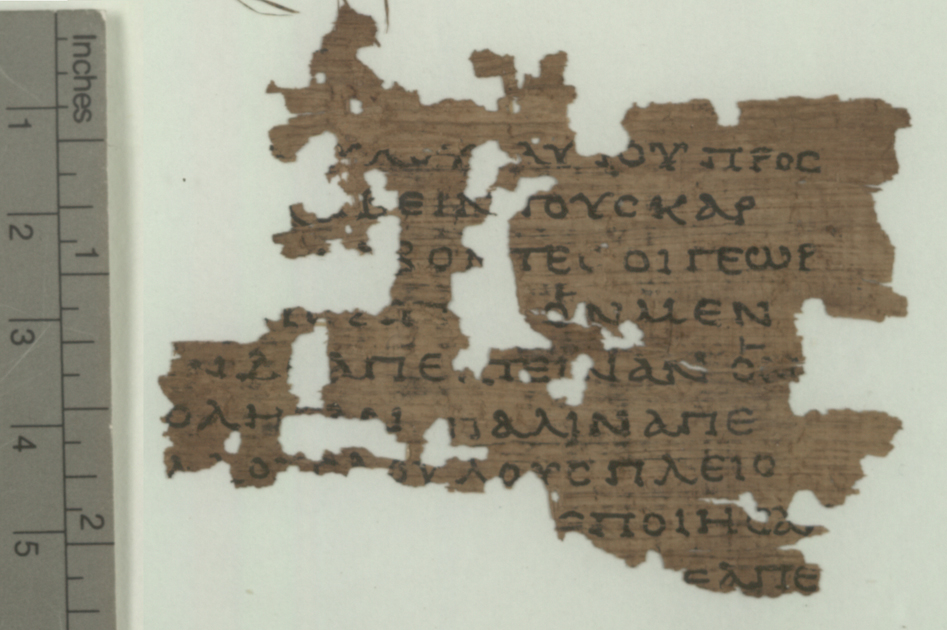
Gospel of Matthew
Matthew the Apostle · late 1st century AD
 Painting
Secondary source
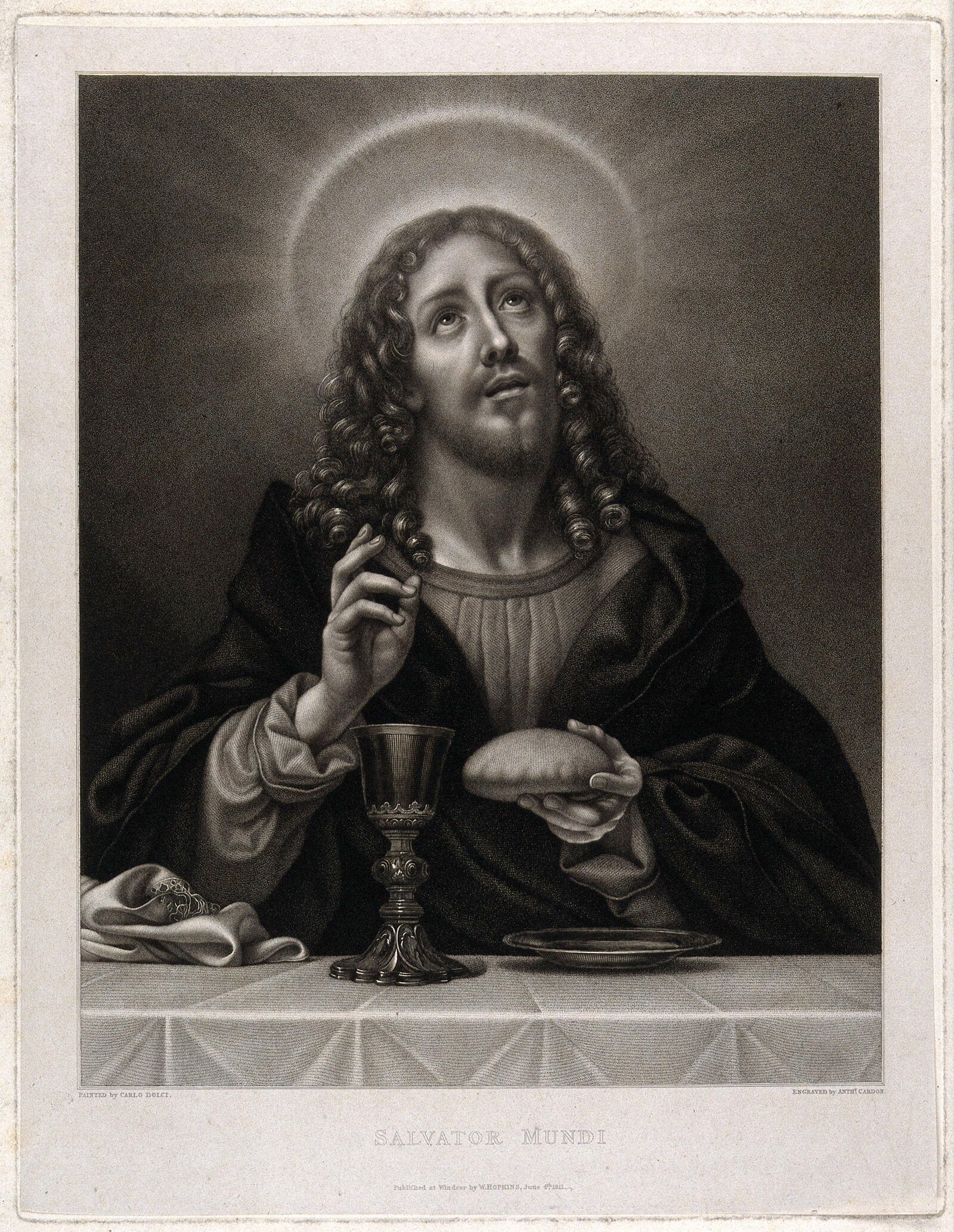
Jesus Christ blessing the Host
Carlo Dolci (painting); Anth. Cardon (engraving) · 4 June 1811
 Painting
Secondary source
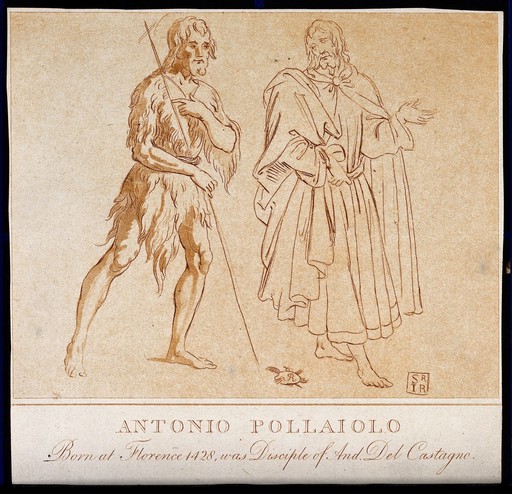
John the Baptist Meets Jesus Christ
Antonio Pollaiuolo
Ready when you are
Start chatting with Jesus Christ now.
20 messages free · No credit card · Available in 50+ languages.