


Secondary sourceArtifactc. 1213–1000 BCE
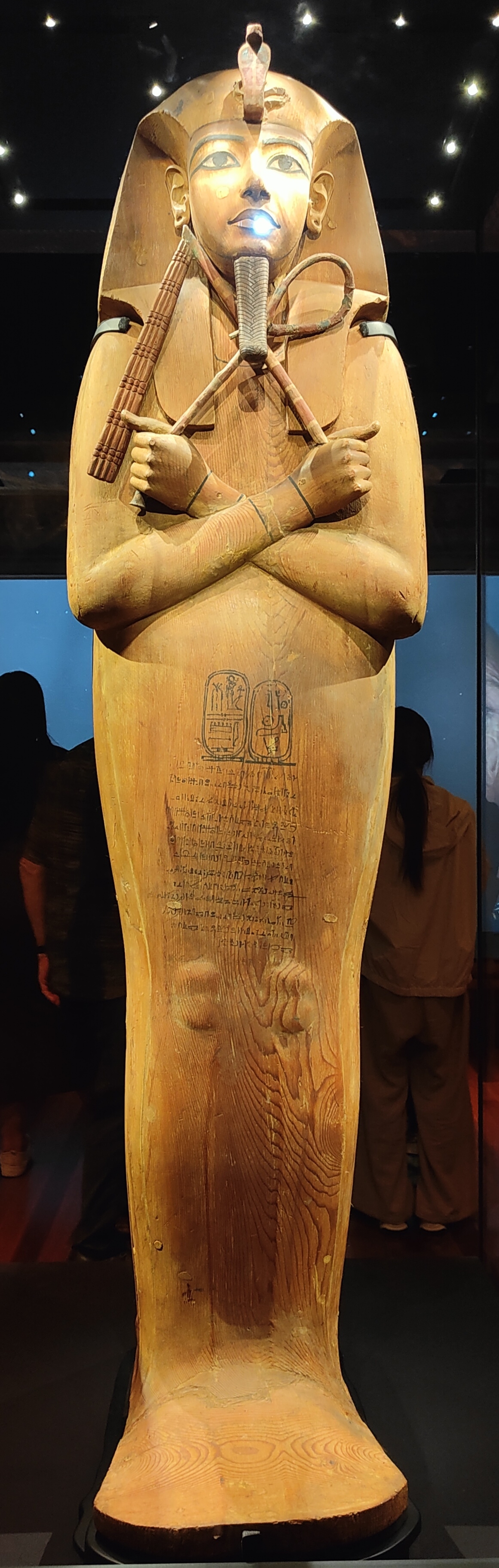
Coffin of Ramesses II
c. 1213–1000 BCE
A cedar coffin made for Ramesses II's mummy, bearing priestly records of its later reburials.
This coffin held the mummy of Ramesses II and records the later reburials made to protect his remains.
About this source
What it is
This cedarwood coffin was made for the burial of Ramesses II and dates to the period after his death. It carries a gold-toned face, a nemes headdress, and the crossed arms holding a crook and flail, marking it as royal. Vertical hieroglyphic inscriptions and cartouches cover the body. It is held today by the National Museum of Egyptian Civilization/Egyptian Museum in Cairo.
Why it matters
The coffin is not the one Ramesses was originally buried in — priestly notes on it record that his mummy was moved and reburied more than once during the Third Intermediate Period. This tells us about the chaos and tomb robbery that threatened royal burials centuries after his death, and about the priests who worked to protect his remains.
Look closer
- Why would priests need to move a pharaoh's mummy to a new coffin long after his death?
- What do the written notes on the coffin tell us that the decoration alone cannot?
- What does this object suggest about how Egyptians viewed the bodies of their kings?
This artifact is part of the curated material that grounds the AI version of Ramses II (Ramses the Great) on Humy.ai — when students ask about related events, the AI can quote it and cite it.
More Ramses II (Ramses the Great) sources
Meet the AI Ramses II (Ramses the Great) →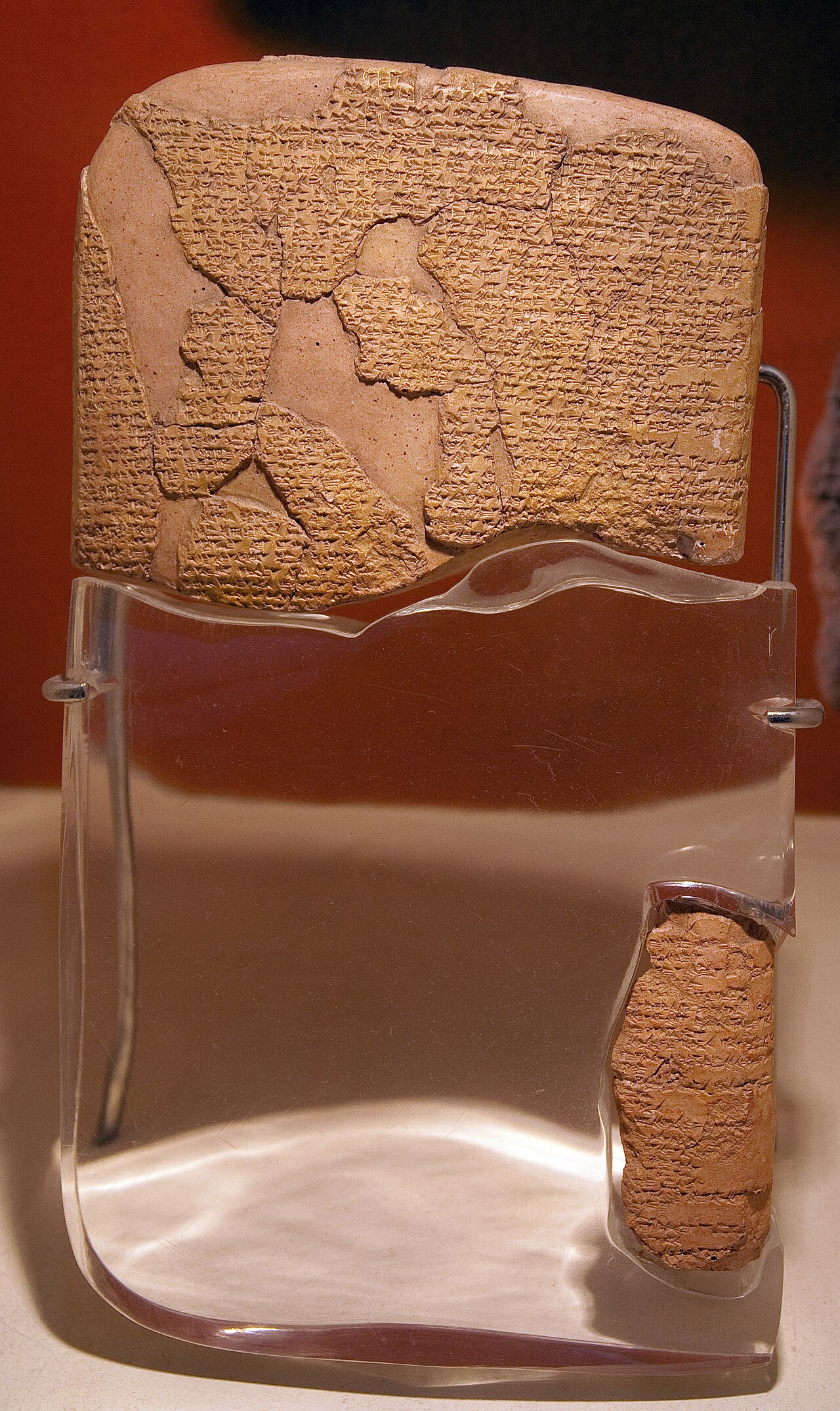 Document
Primary source
Egyptian–Hittite Peace Treaty
c. 1258 BCE
 Photograph
Secondary source
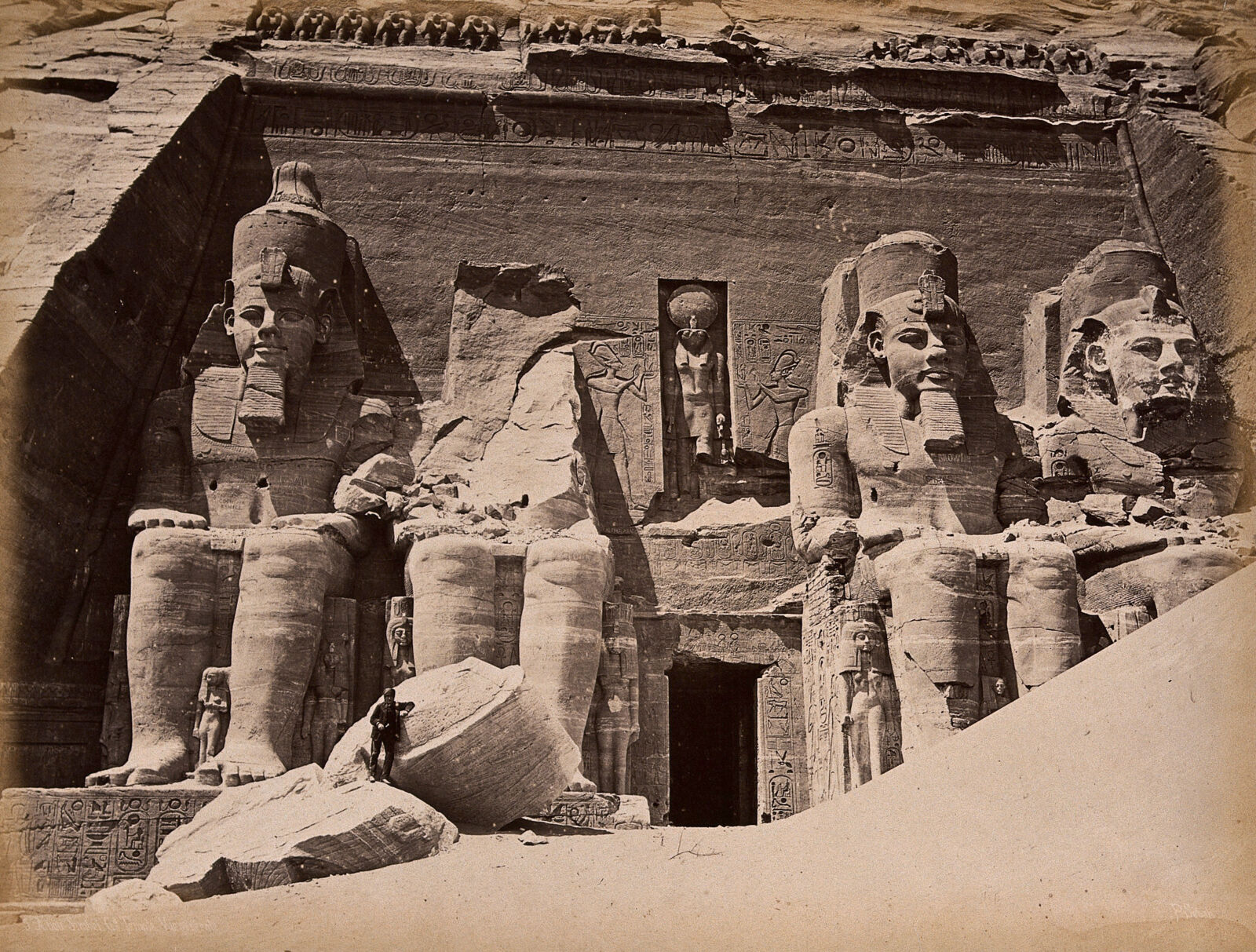
Abu Simbel Temple Colossi
Pascal Sébah · 1875
 Artifact
Primary source
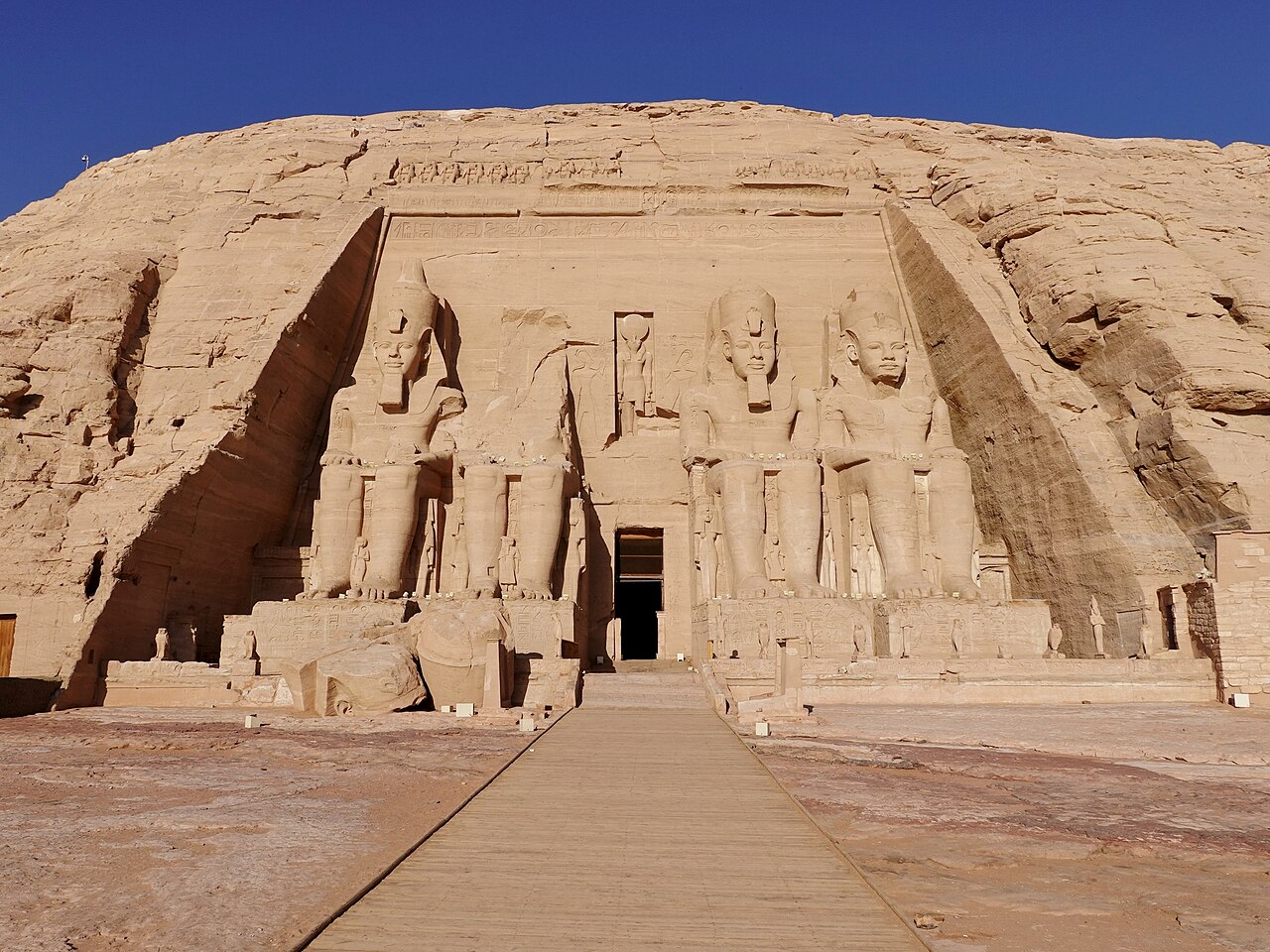
Abu Simbel
Ramesses II · c. 1273 BCE
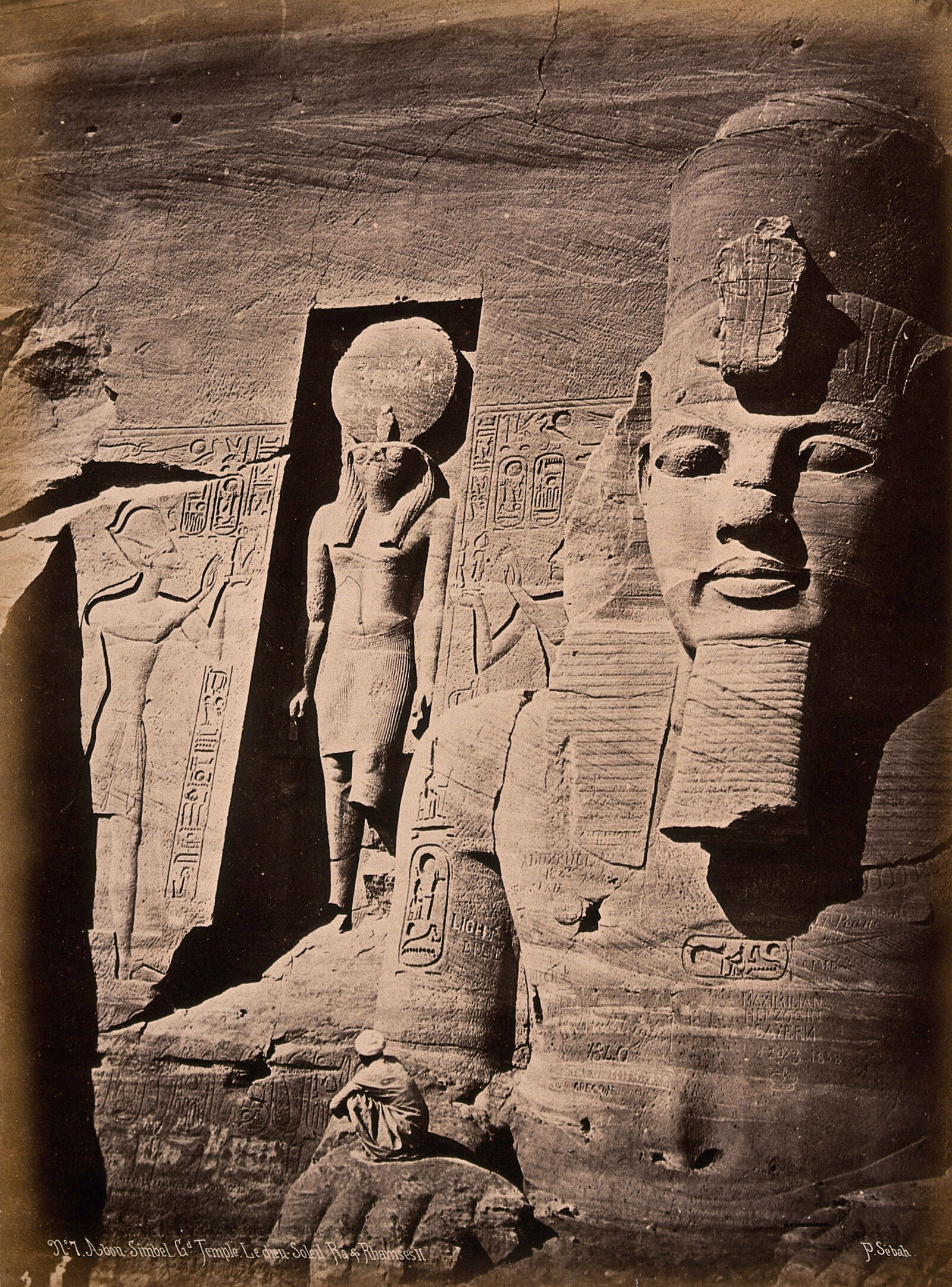 Photograph
Secondary source
Facade Detail of Abu Simbel Showing Ramesses II and Ra
Pascal Sébah · 1875
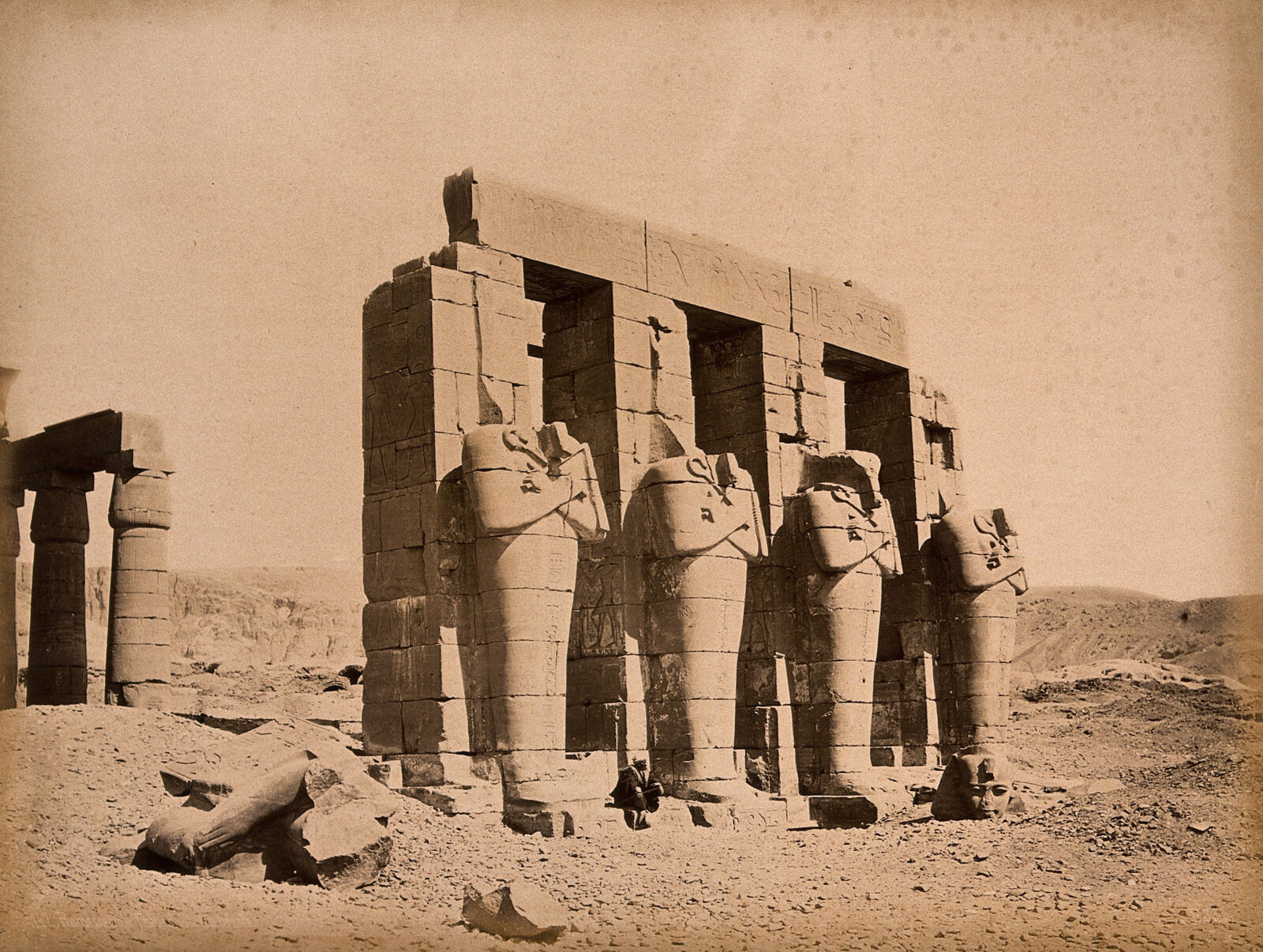 Photograph
Secondary source
Ramesseum Colossi in Ruins
Pascal Sébah · c. 1875
Ready when you are
Start chatting with Ramses II (Ramses the Great) now.
20 messages free · No credit card · Available in 50+ languages.