


Primary sourceArtifact578 AH (1182–83 CE)
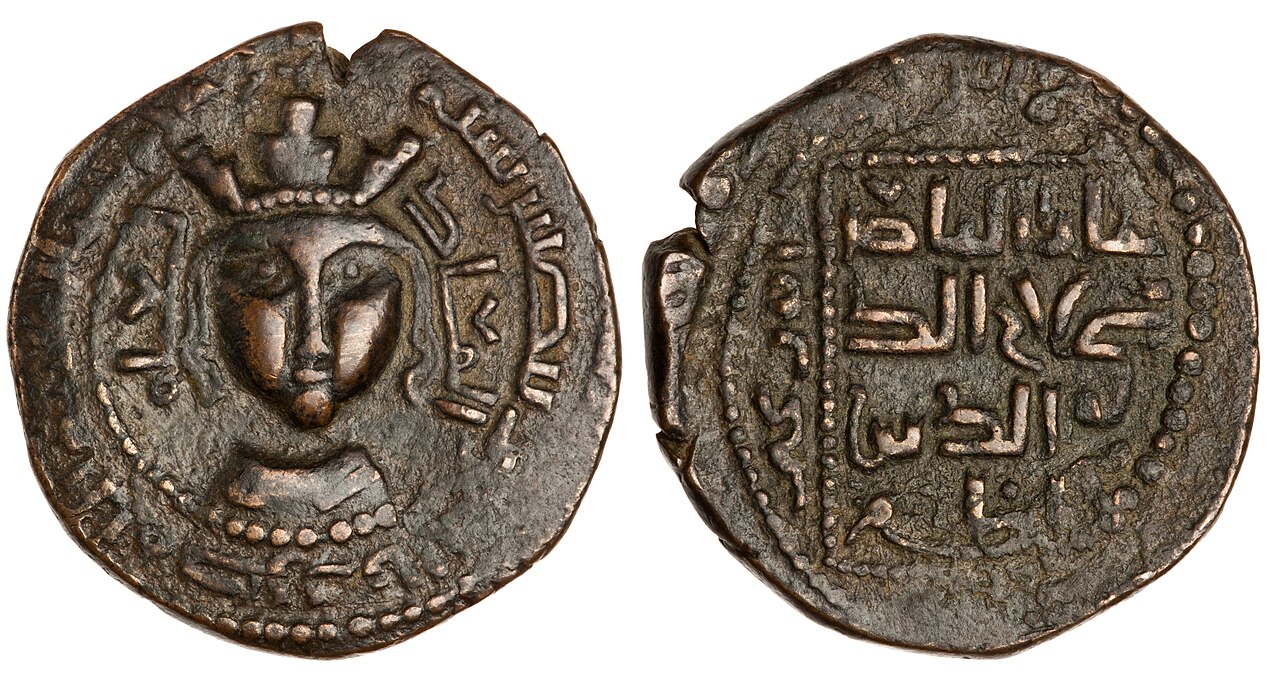
Coin of Saladin, Nisibin Mint
578 AH (1182–83 CE)
A bronze coin struck under Saladin's authority at Nisibin, marking his campaigns in Mesopotamia.
This coin was struck under Saladin's rule during his Mesopotamian campaigns, showing his territorial expansion.
About this source
What it is
This bronze coin was struck at the Nisibin mint in 578 AH (1182–83 CE), during Saladin's campaigns in Mesopotamia. The obverse shows a stylized human head and bust surrounded by Arabic inscriptions, while the reverse carries further Arabic text within a decorated frame. It is held by the American Numismatic Society.
Why it matters
Coins were one of the main ways a medieval ruler proclaimed authority over a region. This coin documents Saladin's expansion against the rival Zengid dynasty in Mesopotamia and shows how he used minted money to assert control over newly won territory.
Look closer
- Why would a ruler put his name and image on coins?
- What does the mint location tell us about where Saladin's power reached?
- How does money help historians trace the movements of an army or empire?
This artifact is part of the curated material that grounds the AI version of Saladin on Humy.ai — when students ask about related events, the AI can quote it and cite it.
More Saladin sources
Meet the AI Saladin →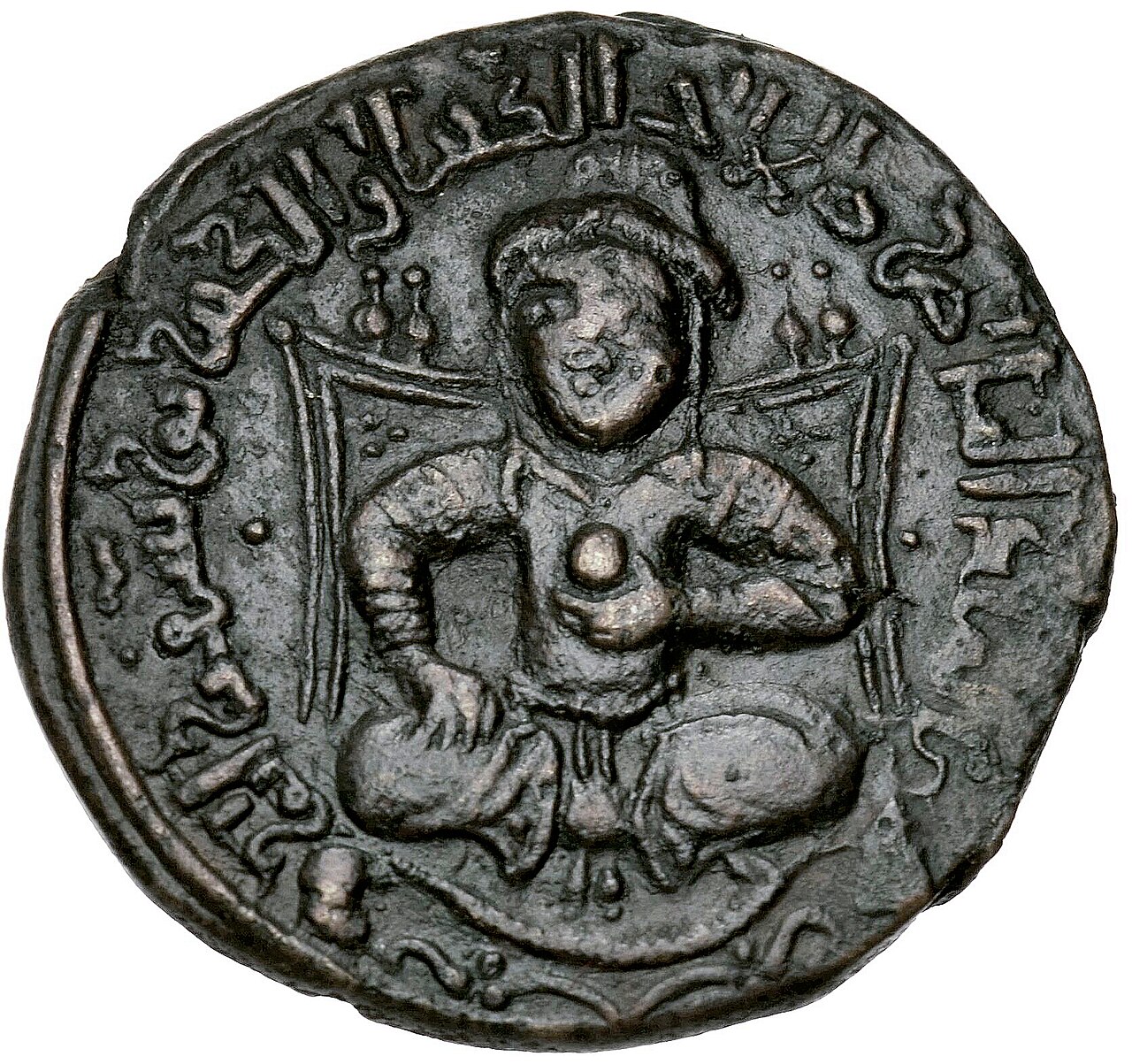 Artifact
Primary source
Dirham of Saladin
AH 586 (AD 1190-91)
 Painting
Secondary source
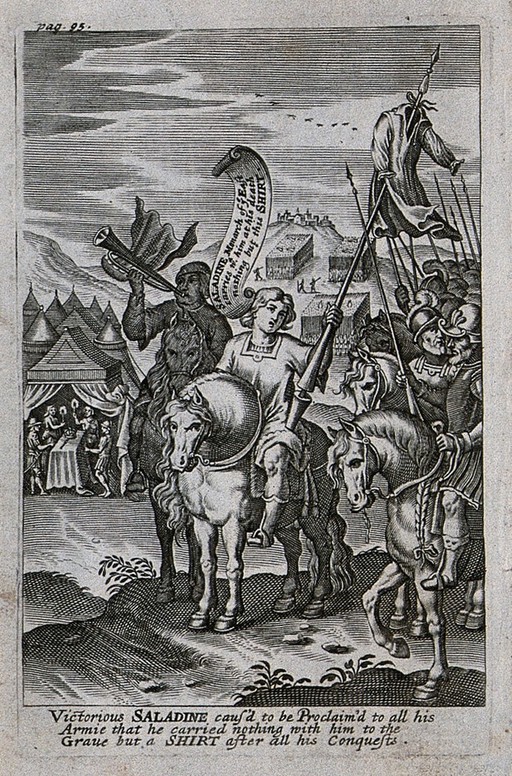
Saladin Proclaims He Will Take Only a Shirt to His Grave
John Payne · 1639
 Artifact
Primary source
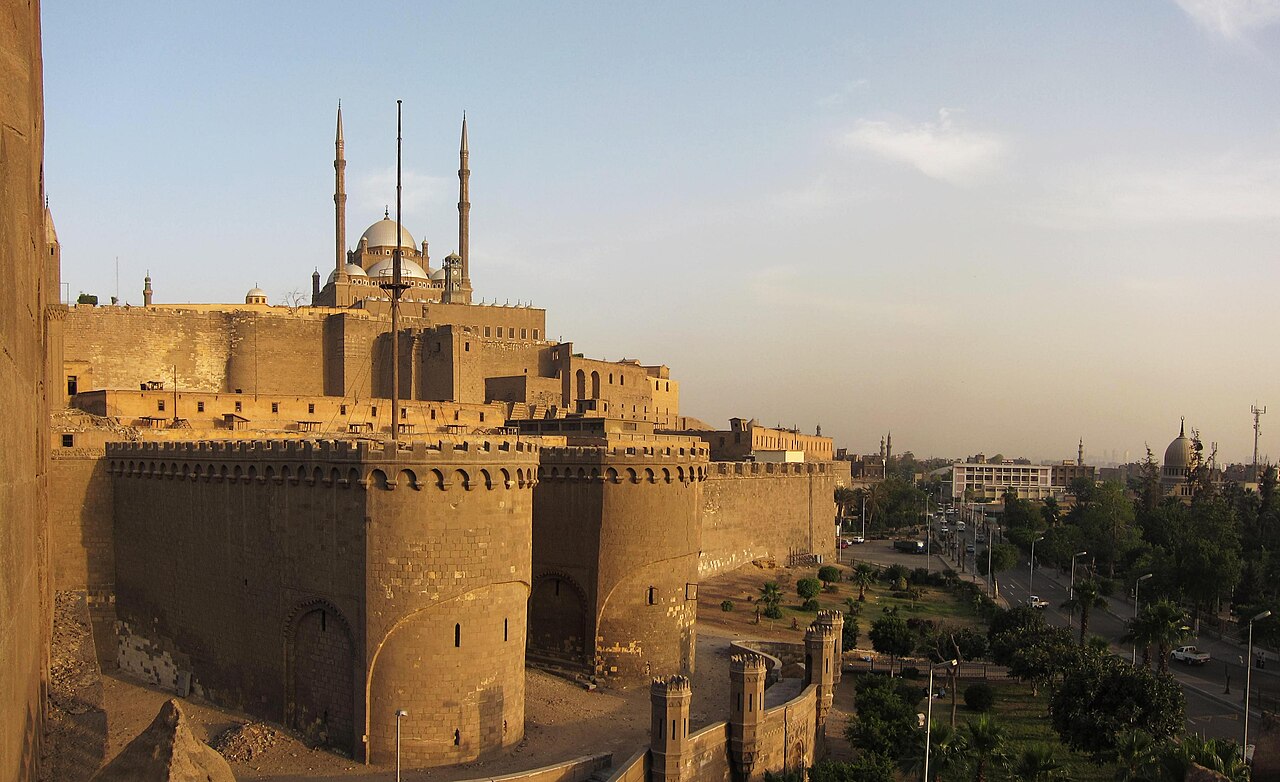
Cairo Citadel
Saladin · begun 1176
 Photograph
Secondary source
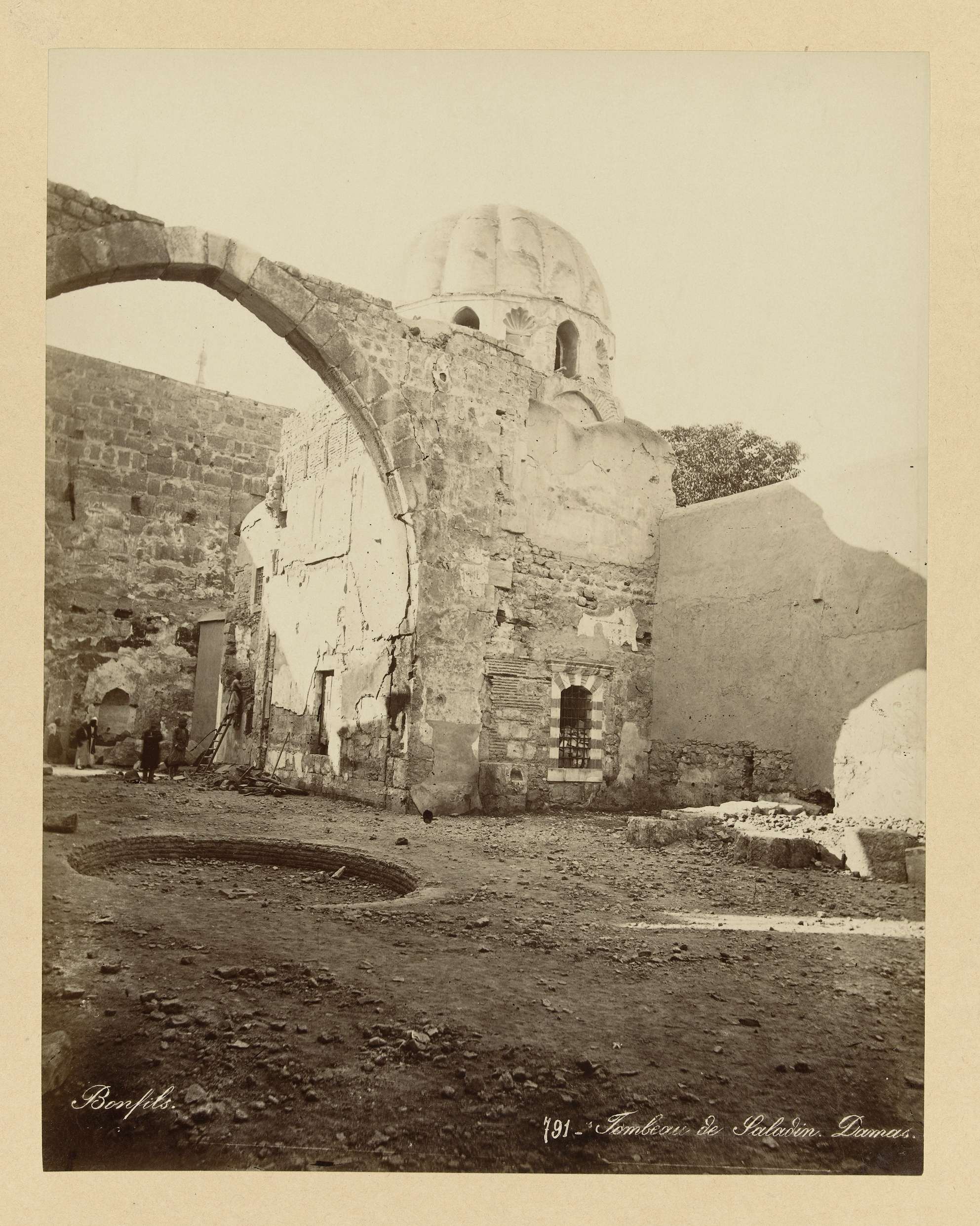
Tomb of Saladin, Damascus
 Painting
Secondary source
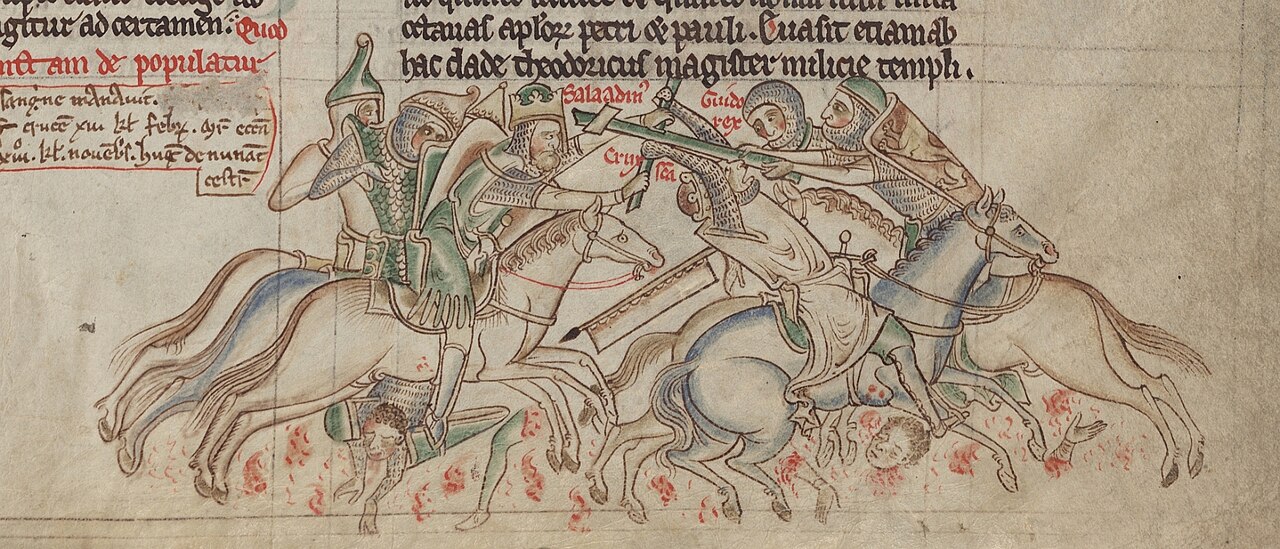
Saladin Seizing the True Cross from Guy of Lusignan
Matthew Paris
Ready when you are
Start chatting with Saladin now.
20 messages free · No credit card · Available in 50+ languages.