


Primary sourceSculpture
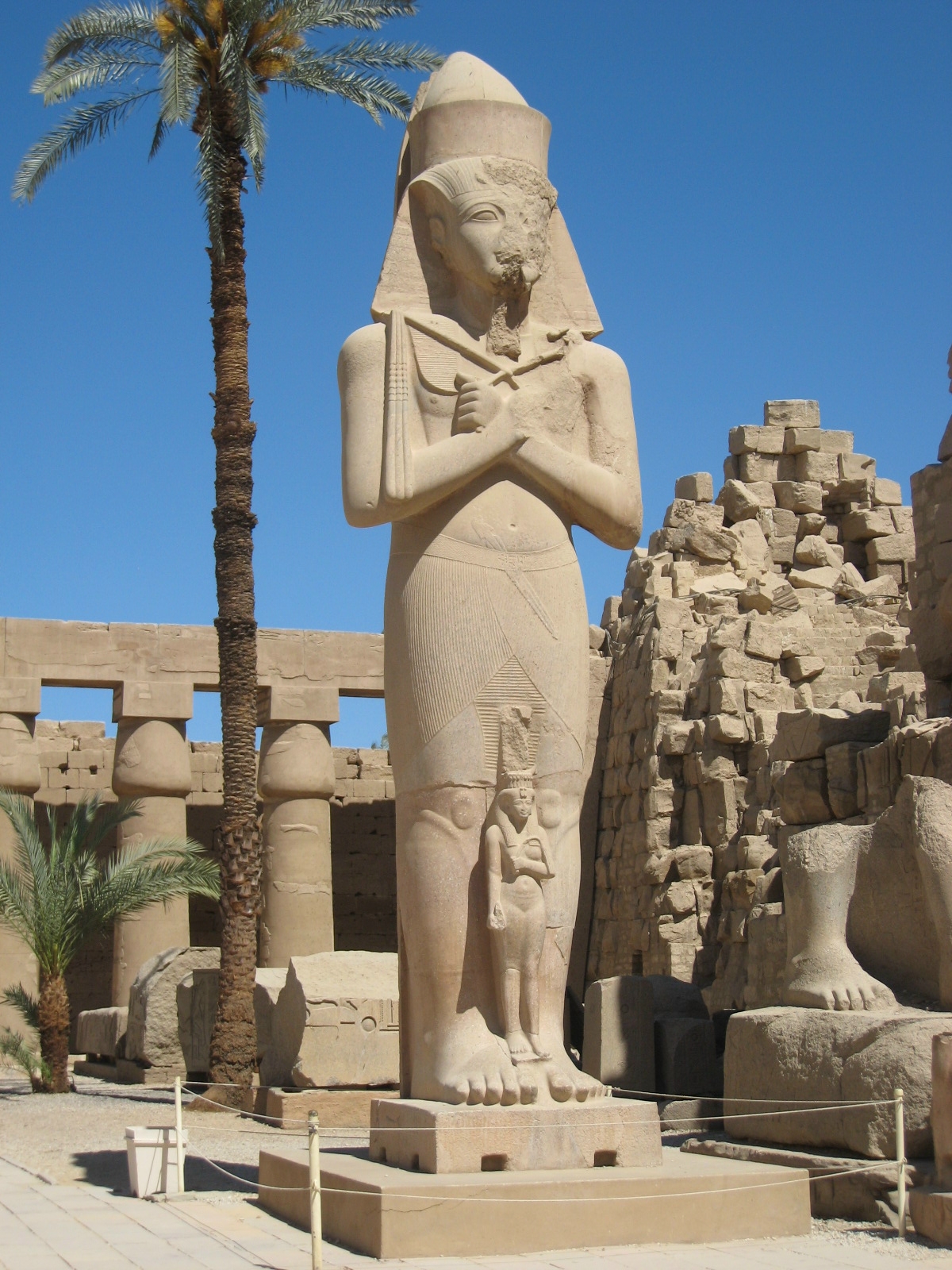
Colossal Statue of Ramesses II and Daughter
A huge standing statue of Ramesses II with a small figure of his daughter, later reinscribed by Pinedjem I.
This Karnak colossus originally depicted Ramesses II with his daughter, later usurped by Pinedjem I.
About this source
What it is
This colossal sandstone statue stands in the Great Forecourt of Karnak. It shows a standing pharaoh with a small figure of a royal daughter beside his leg. It was originally made for Ramesses II, but was later usurped — reinscribed with his own name — by the later ruler Pinedjem I.
Why it matters
The statue shows how Ramesses II presented his family alongside his own image, and how later rulers reused and reclaimed the monuments of earlier kings for their own glory, a common practice in ancient Egypt.
Look closer
- Why might a later king want to claim an older statue as his own?
- What might including a daughter figure tell us about royal family image-making?
- What clues might show the statue was changed after it was first made?
This sculpture is part of the curated material that grounds the AI version of Ramses II (Ramses the Great) on Humy.ai — when students ask about related events, the AI can quote it and cite it.
More Ramses II (Ramses the Great) sources
Meet the AI Ramses II (Ramses the Great) →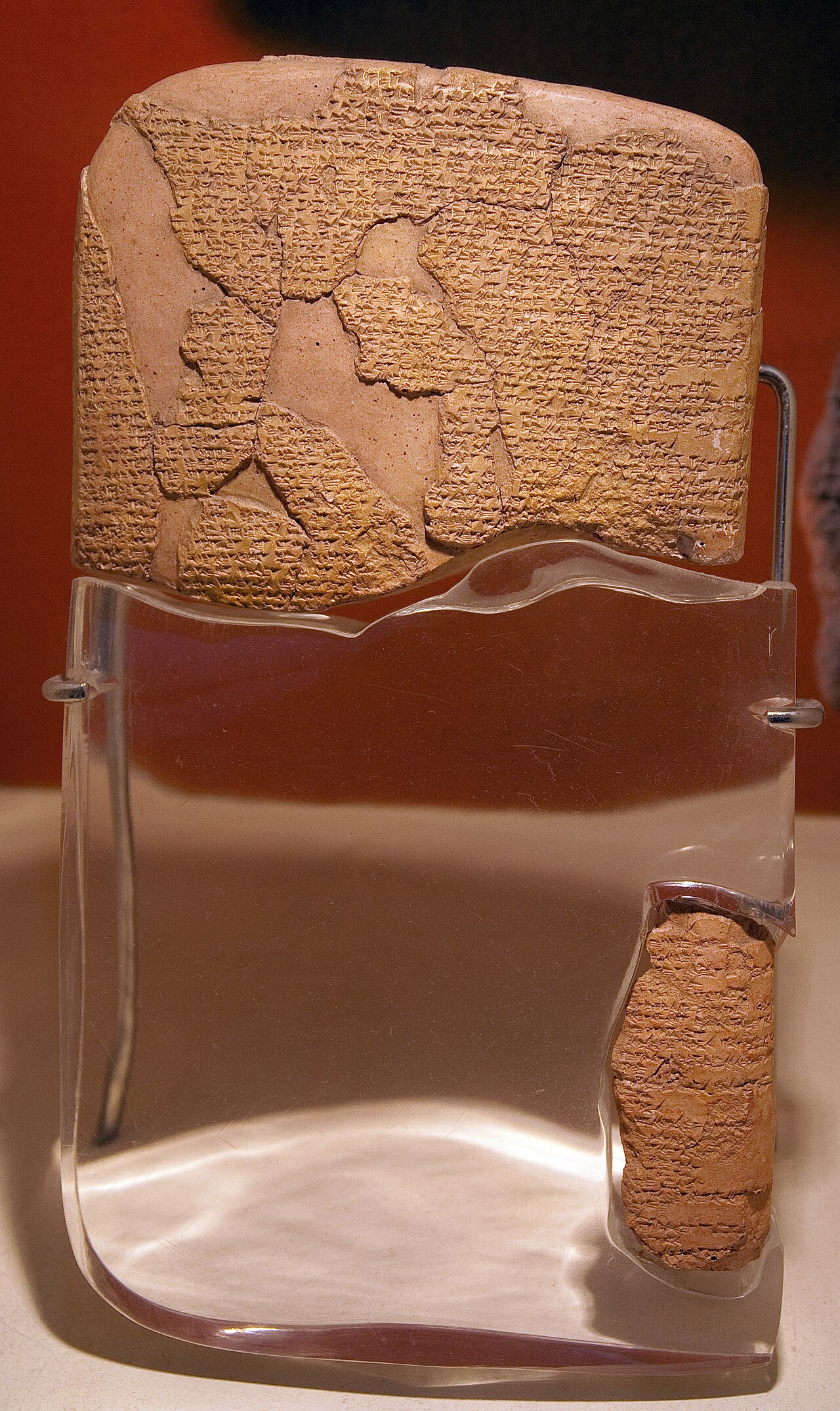 Document
Primary source
Egyptian–Hittite Peace Treaty
c. 1258 BCE
 Photograph
Secondary source
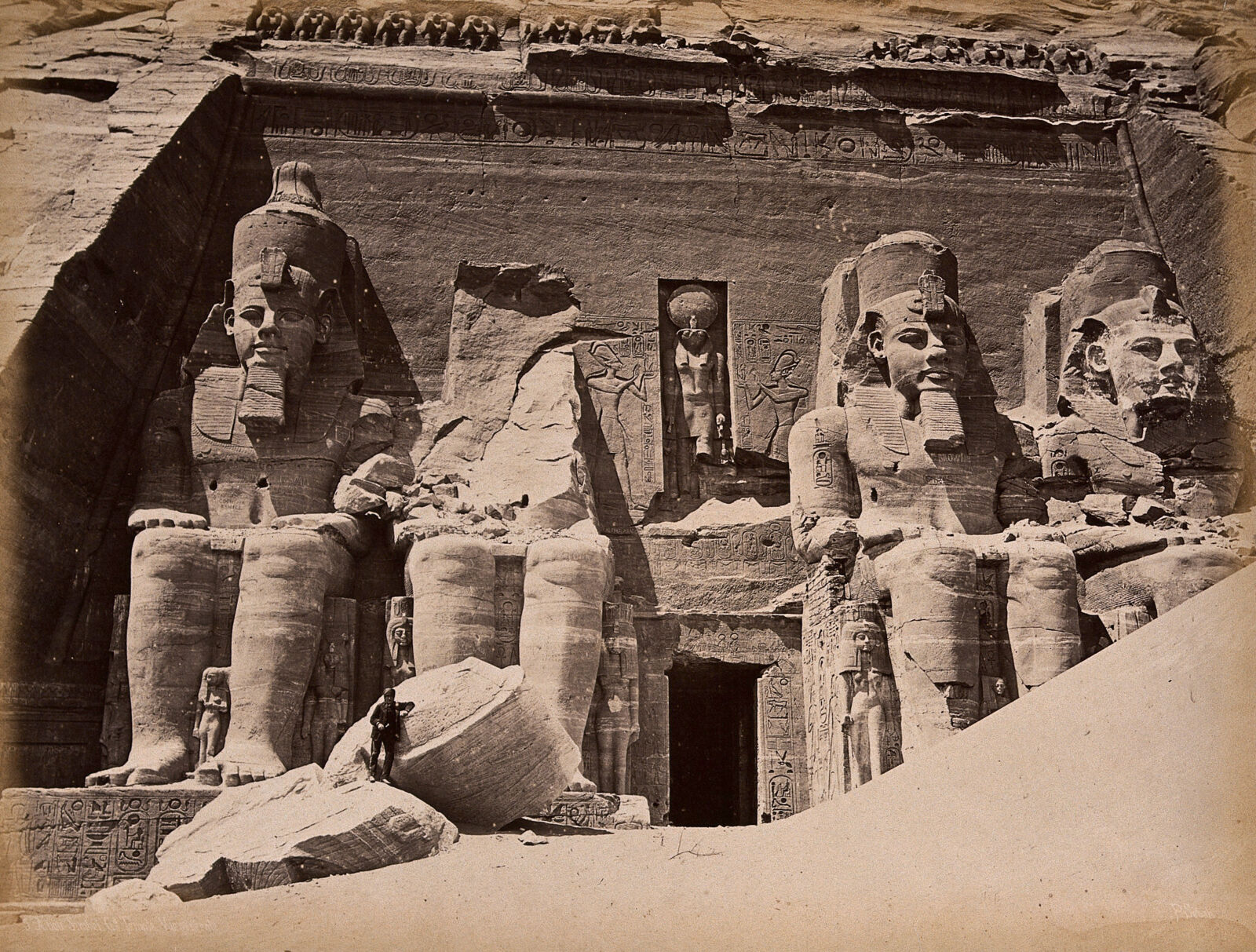
Abu Simbel Temple Colossi
Pascal Sébah · 1875
 Artifact
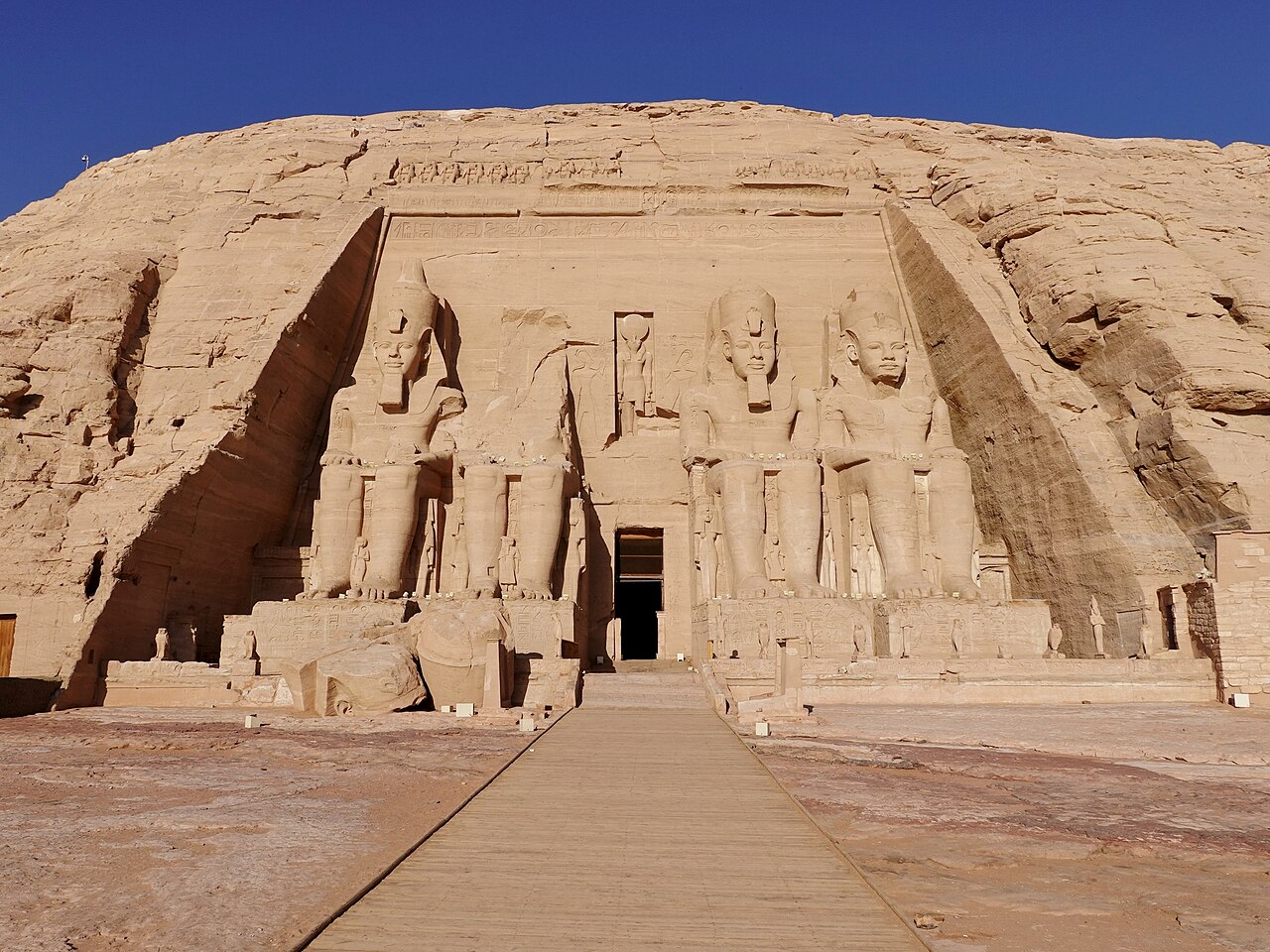
Primary source
Abu Simbel
Ramesses II · c. 1273 BCE
 Photograph
Secondary source
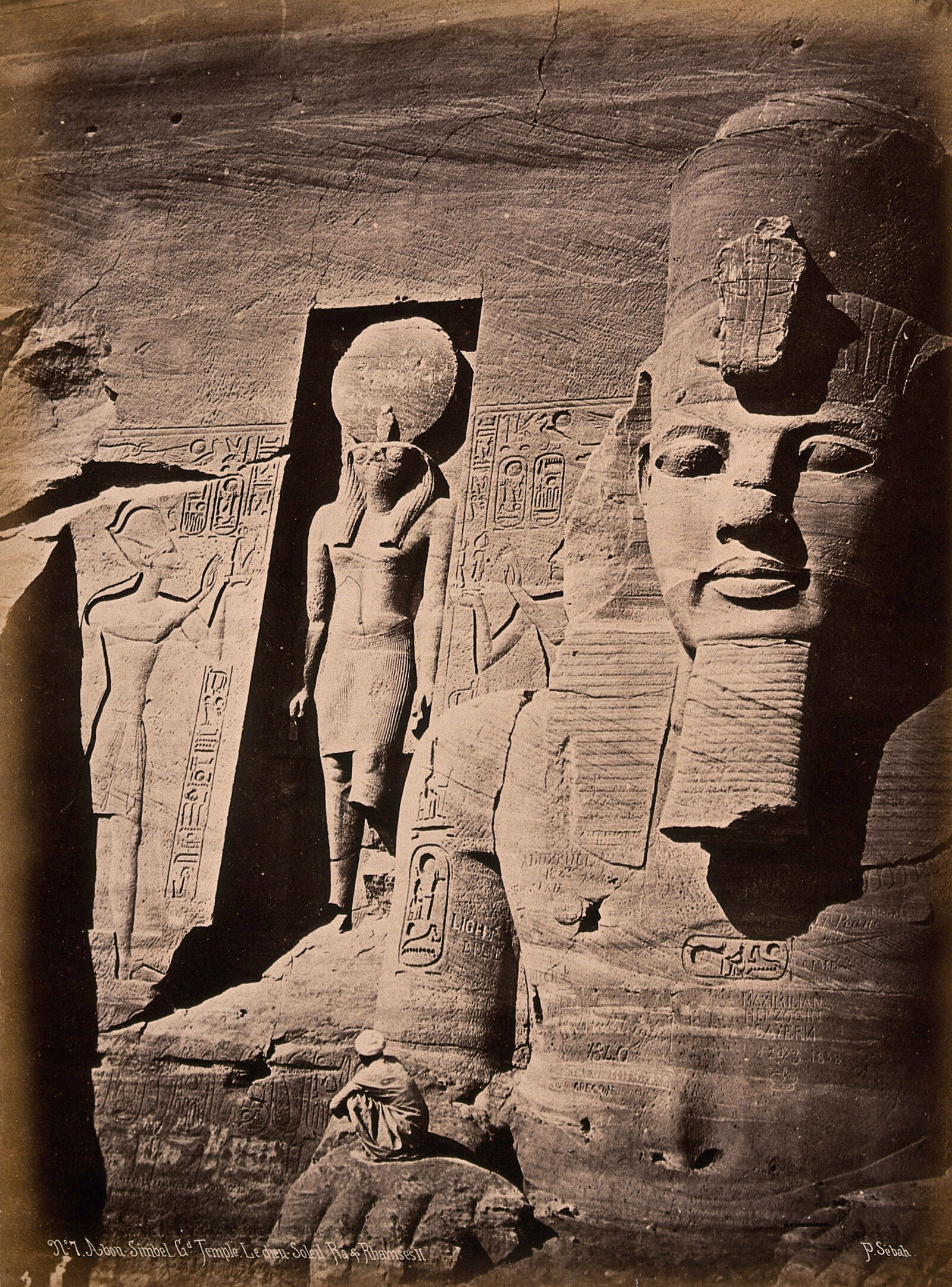
Facade Detail of Abu Simbel Showing Ramesses II and Ra
Pascal Sébah · 1875
 Photograph
Secondary source
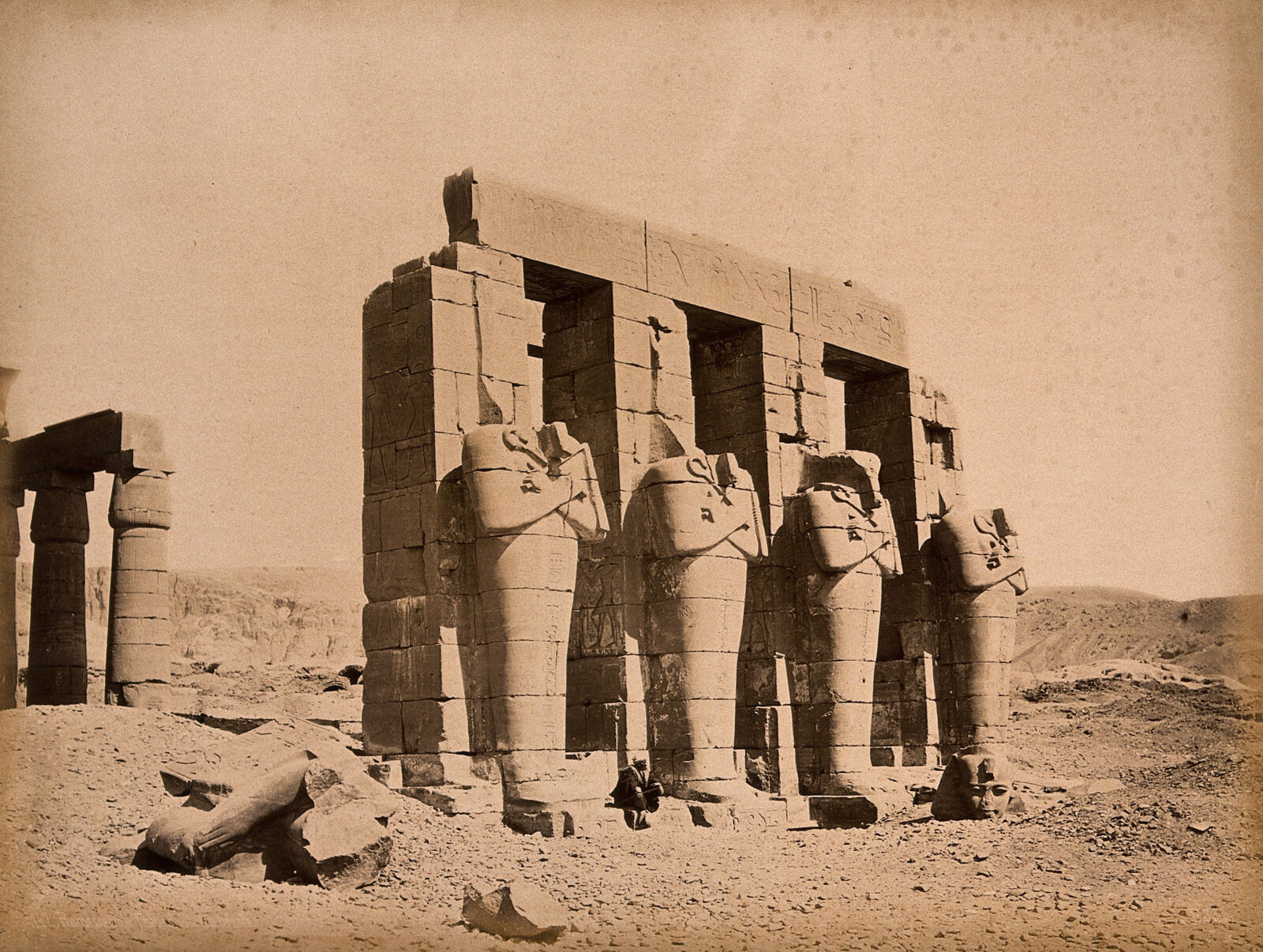
Ramesseum Colossi in Ruins
Pascal Sébah · c. 1875
Ready when you are
Start chatting with Ramses II (Ramses the Great) now.
20 messages free · No credit card · Available in 50+ languages.