


Primary sourceSculpturec. 1200s BCE
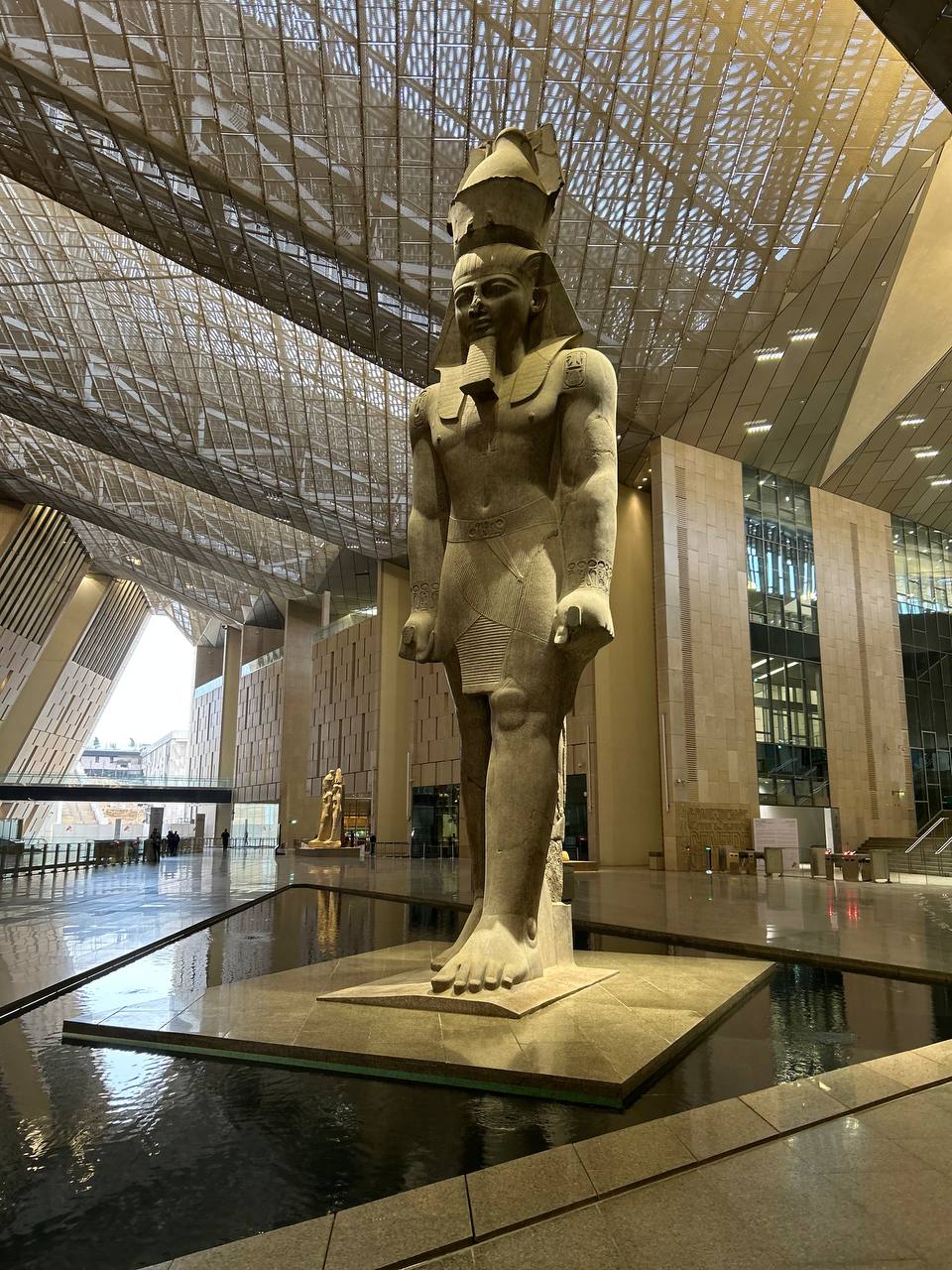
Colossal Statue of Ramesses II (Grand Egyptian Museum)
c. 1200s BCE
An 11-metre red granite colossus of Ramesses II standing, once in Cairo's Ramses Square and now the centrepiece of the Grand Egyptian Museum.
This colossus is a monumental image of Ramesses II that has become a symbol of his modern fame.
About this source
What it is
This colossal red granite statue of Ramesses II shown standing is about 3,200 years old, 11 metres tall, and weighs roughly 83 short tons. It was discovered broken into six pieces in 1820 near ancient Memphis.
Why it matters
The statue's modern history is almost as striking as its ancient origin. In 1955 it was moved to a Cairo square renamed in its honour, then in 2006 relocated again due to pollution and vibration concerns, and finally installed in 2018 in the Grand Egyptian Museum. It shows how an ancient royal monument can become a national symbol and a modern engineering challenge, and reveals how later governments, including Gamal Abdel Nasser's, used the image of Ramesses II for their own purposes.
Look closer
- Why might a modern government want a 3,200-year-old statue in a busy city square?
- What problems did pollution and traffic cause for such an ancient object?
- What does the care taken over each move tell you about how societies value the past?
This sculpture is part of the curated material that grounds the AI version of Ramses II (Ramses the Great) on Humy.ai — when students ask about related events, the AI can quote it and cite it.
More Ramses II (Ramses the Great) sources
Meet the AI Ramses II (Ramses the Great) →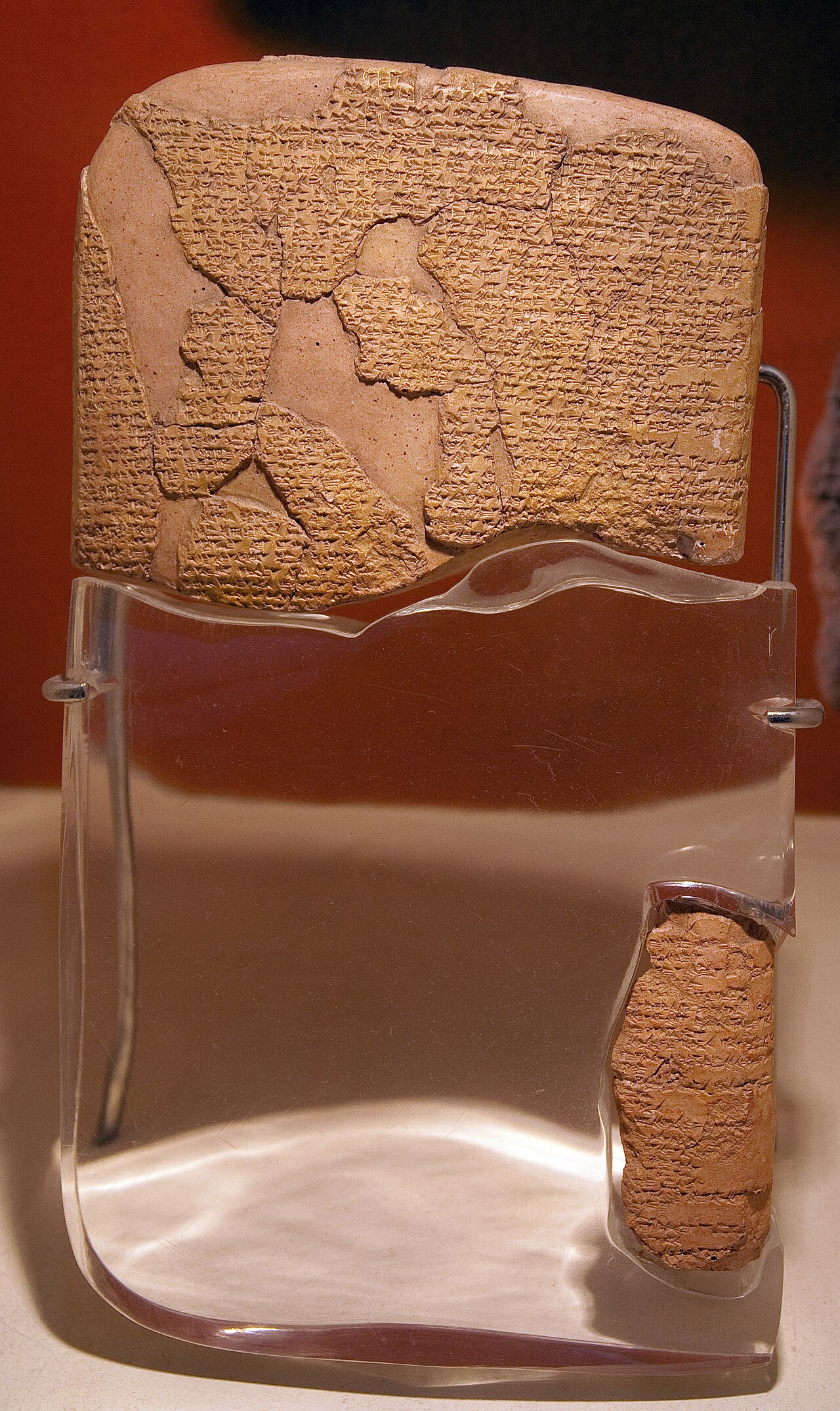 Document
Primary source
Egyptian–Hittite Peace Treaty
c. 1258 BCE
 Photograph
Secondary source
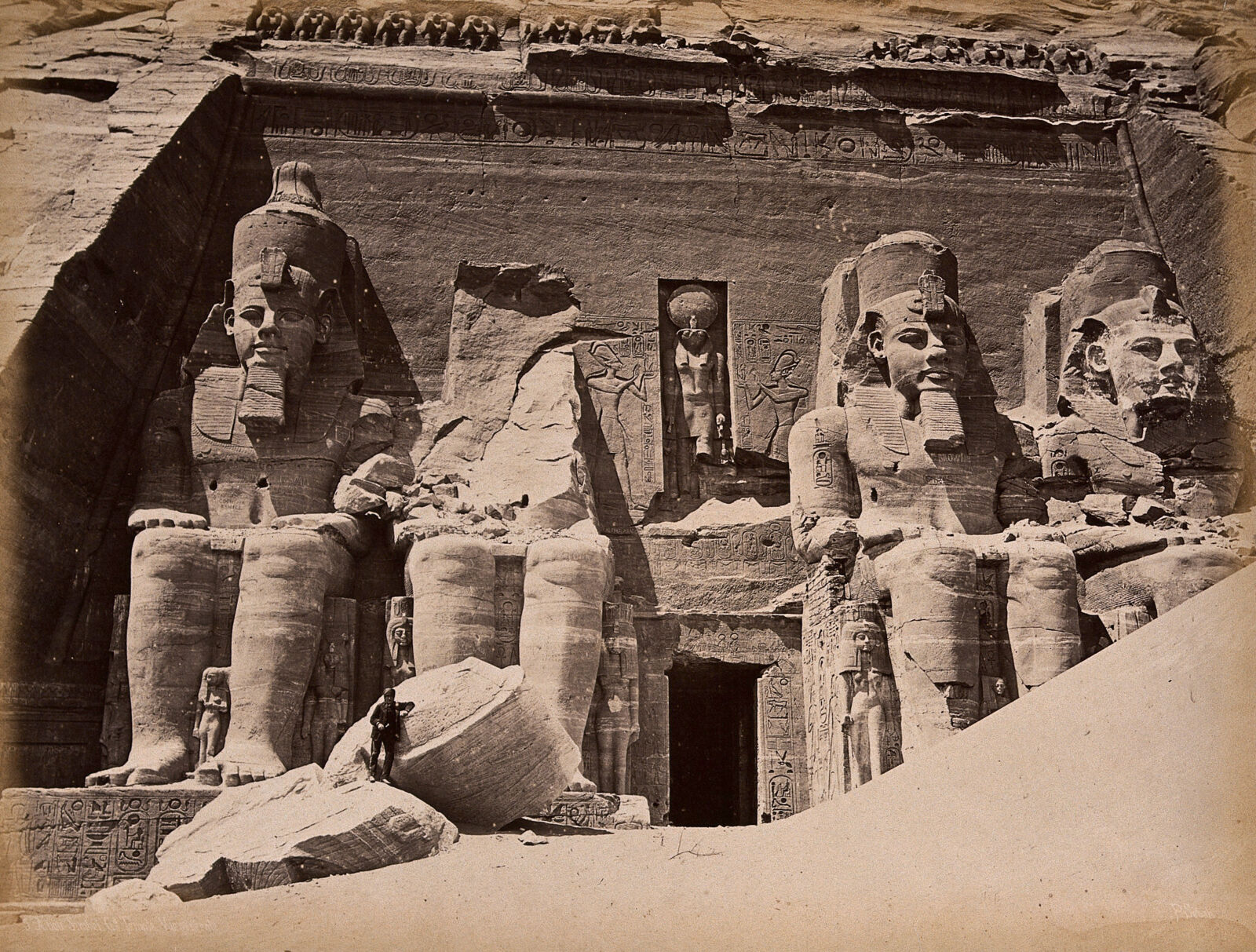
Abu Simbel Temple Colossi
Pascal Sébah · 1875
 Artifact
Primary source
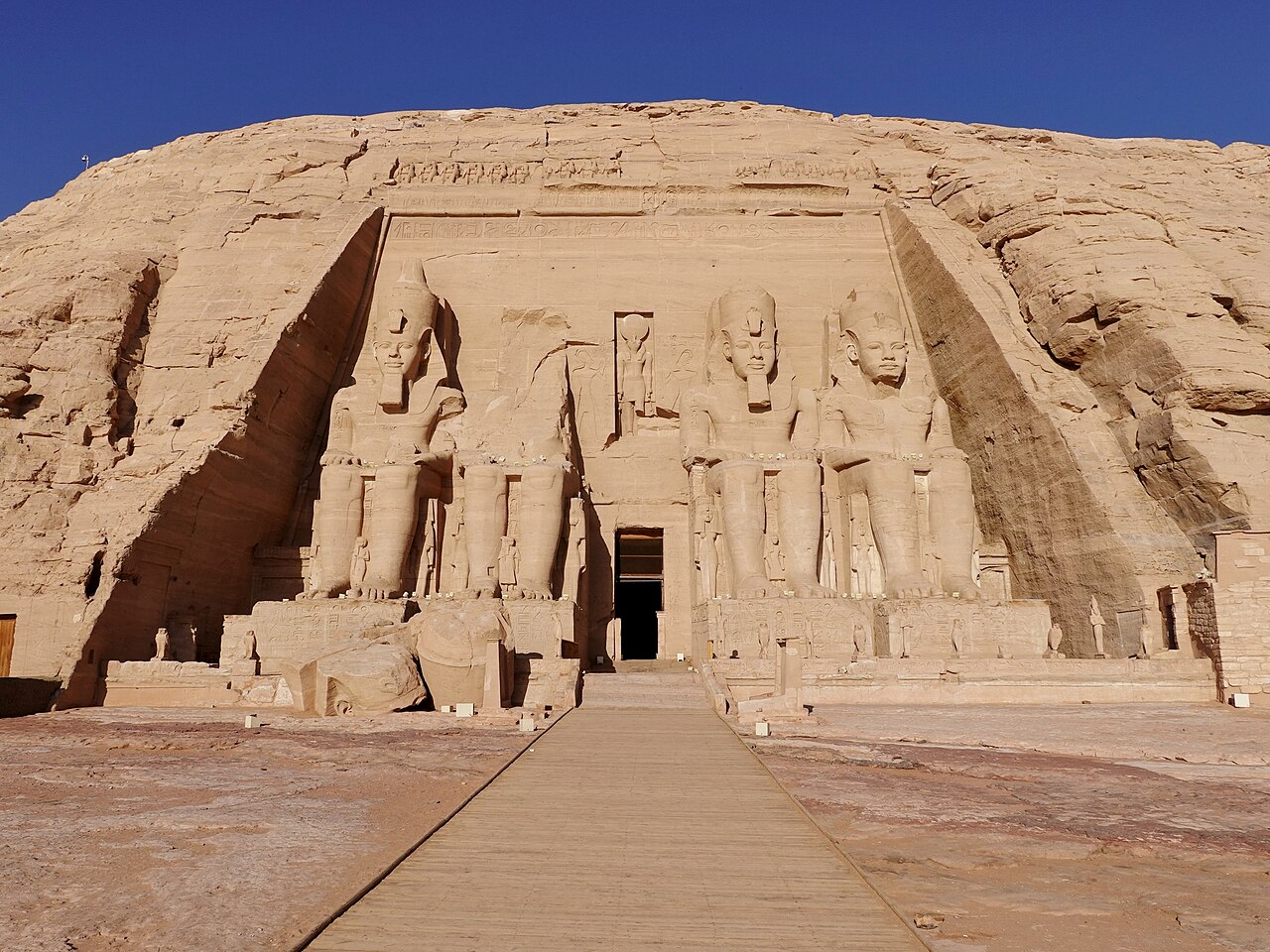
Abu Simbel
Ramesses II · c. 1273 BCE
 Photograph
Secondary source
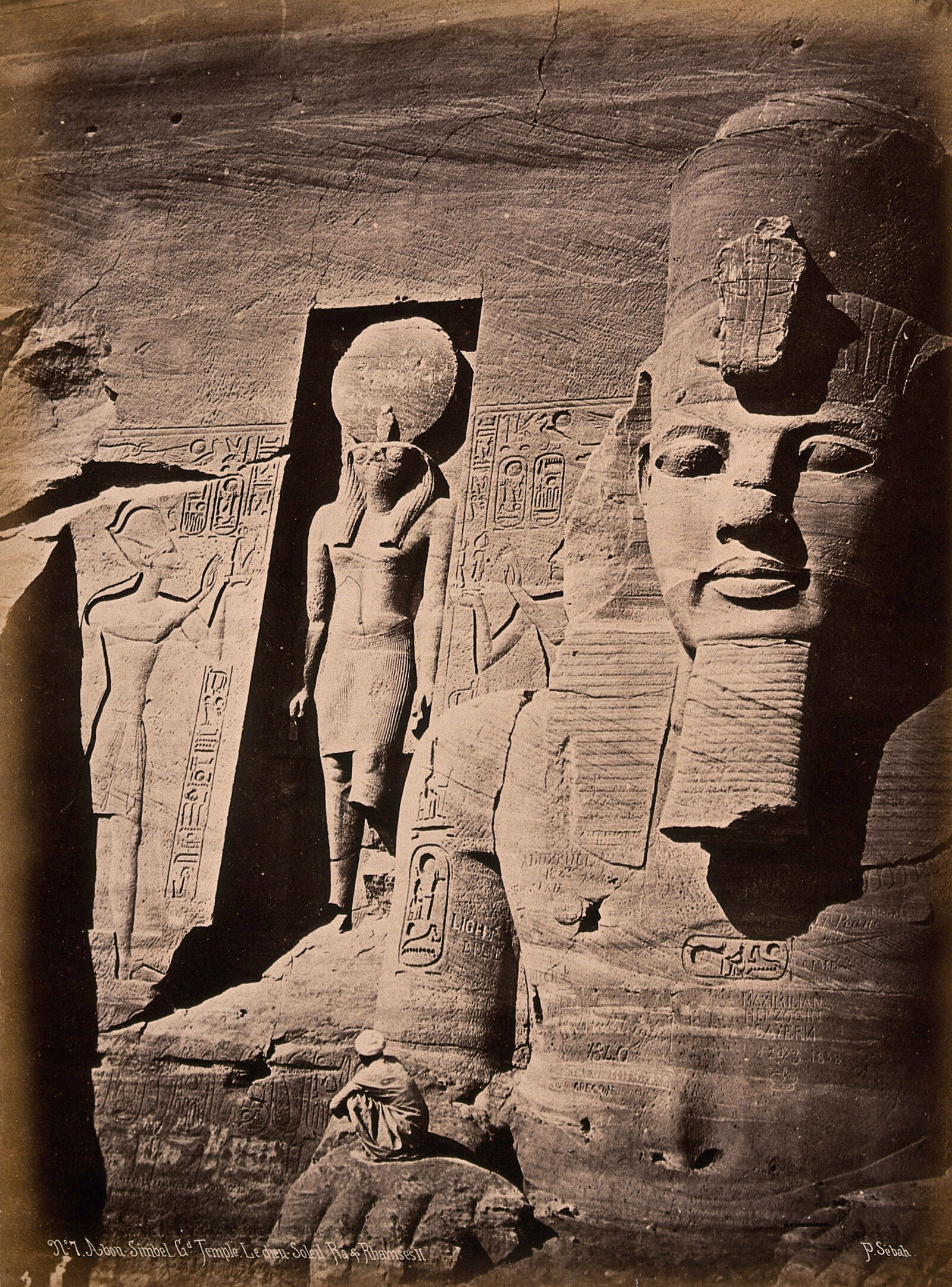
Facade Detail of Abu Simbel Showing Ramesses II and Ra
Pascal Sébah · 1875
 Photograph
Secondary source
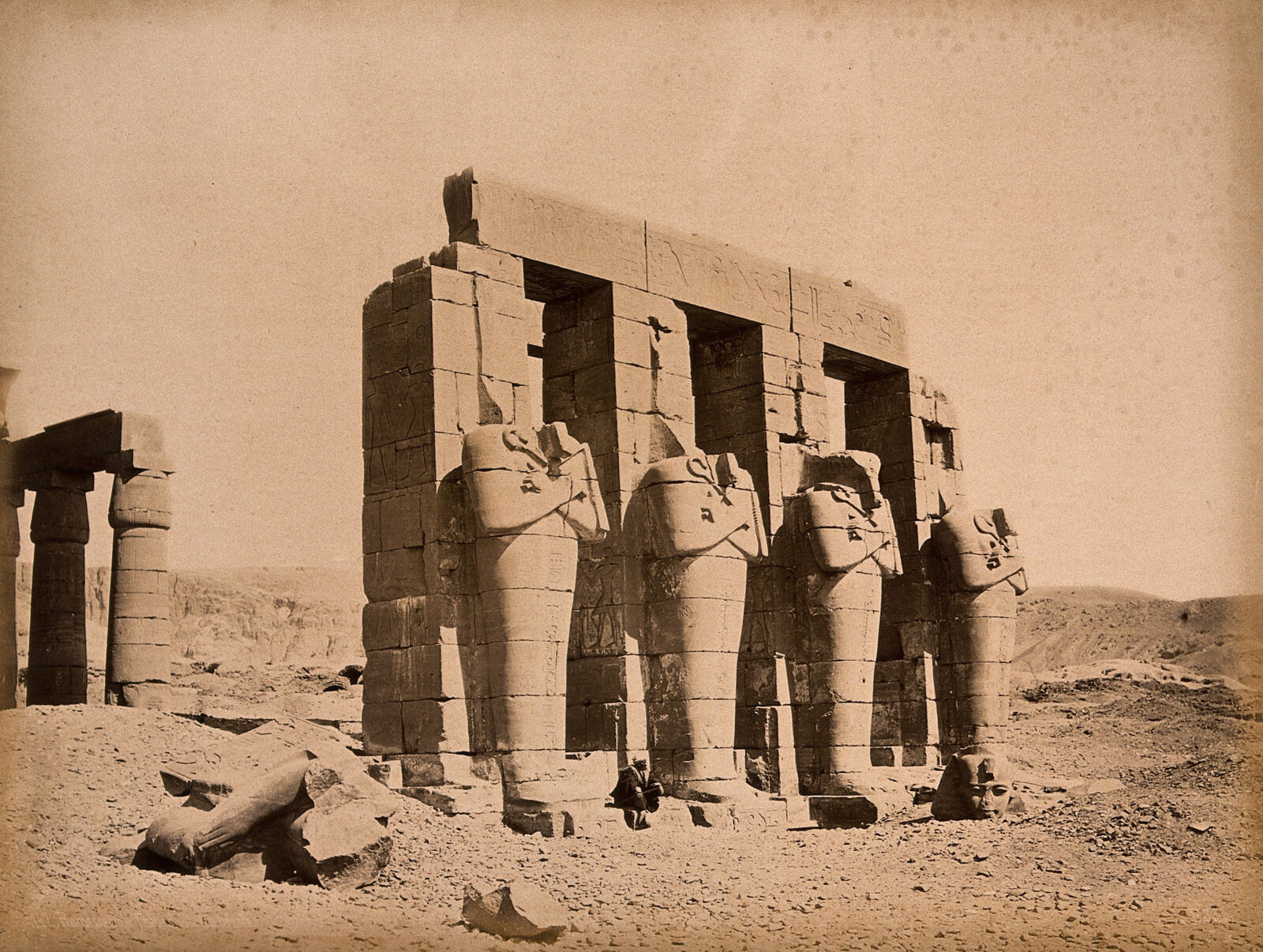
Ramesseum Colossi in Ruins
Pascal Sébah · c. 1875
Ready when you are
Start chatting with Ramses II (Ramses the Great) now.
20 messages free · No credit card · Available in 50+ languages.