


Primary sourceSculpturec. 1212 BCE
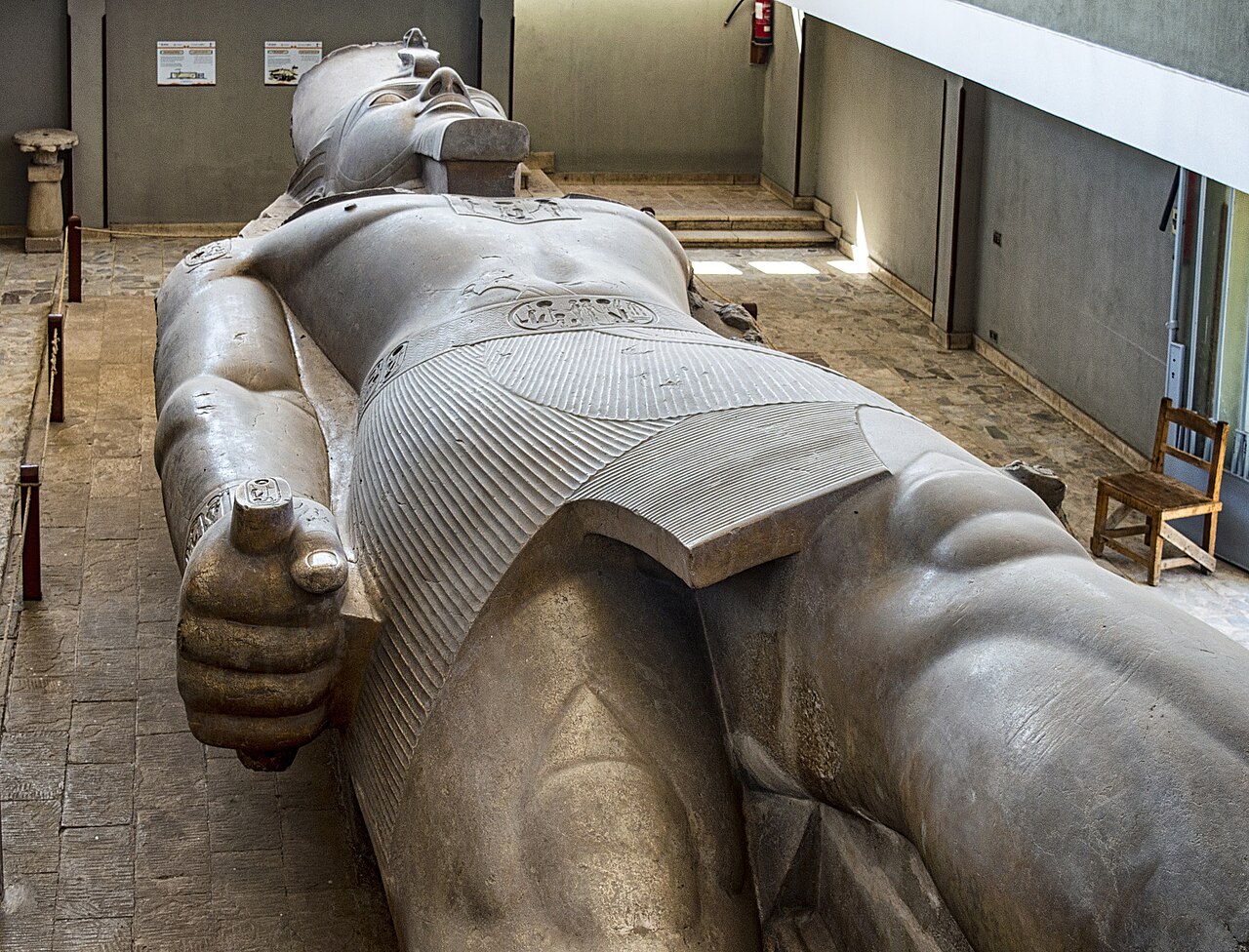
Colossus of Ramesses II at Memphis
c. 1212 BCE
A huge limestone statue of Ramesses II found at Memphis, showing how the king's image was spread across Egypt on a colossal scale.
This colossal statue shows Ramesses II as he was depicted at monumental scale during or soon after his reign.
About this source
What it is
This is an ancient Egyptian limestone statue of Ramesses II, found in 1820 and now presented at the museum of Mit Rahina, Egypt, near the site of ancient Memphis.
Why it matters
Colossal statues like this one illustrate how Ramesses II spread his royal image across Egypt in enormous form, placing giant versions of himself at major cities. Such statues tell historians about the scale of royal building programmes and how later rulers used size itself as a statement of power.
Look closer
- What effect would a statue this size have had on someone standing beside it in ancient times?
- Why might a pharaoh want to be shown on such a huge scale?
- What has been lost or damaged over the centuries, and what does that suggest about its long history?
This sculpture is part of the curated material that grounds the AI version of Ramses II (Ramses the Great) on Humy.ai — when students ask about related events, the AI can quote it and cite it.
More Ramses II (Ramses the Great) sources
Meet the AI Ramses II (Ramses the Great) →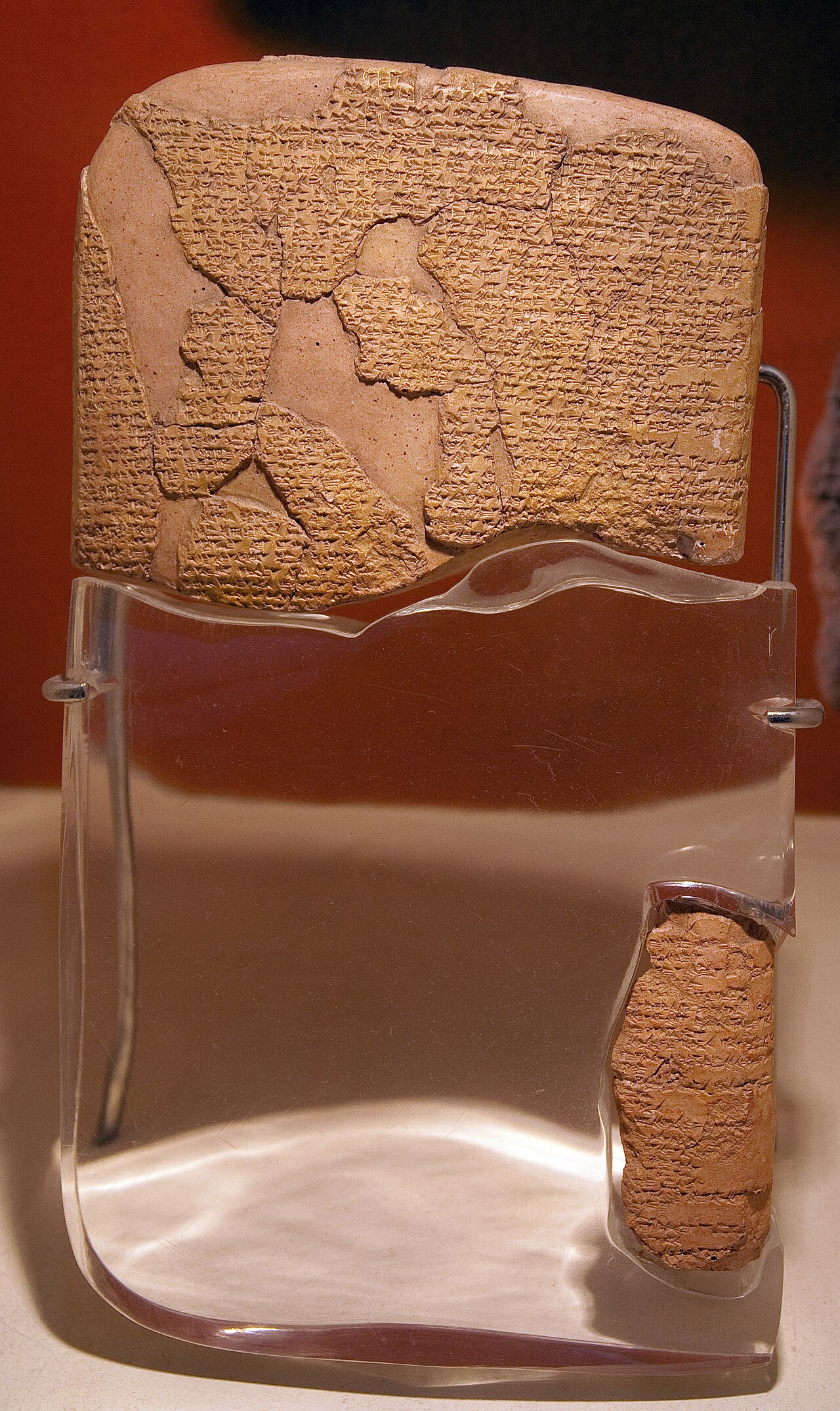 Document
Primary source
Egyptian–Hittite Peace Treaty
c. 1258 BCE
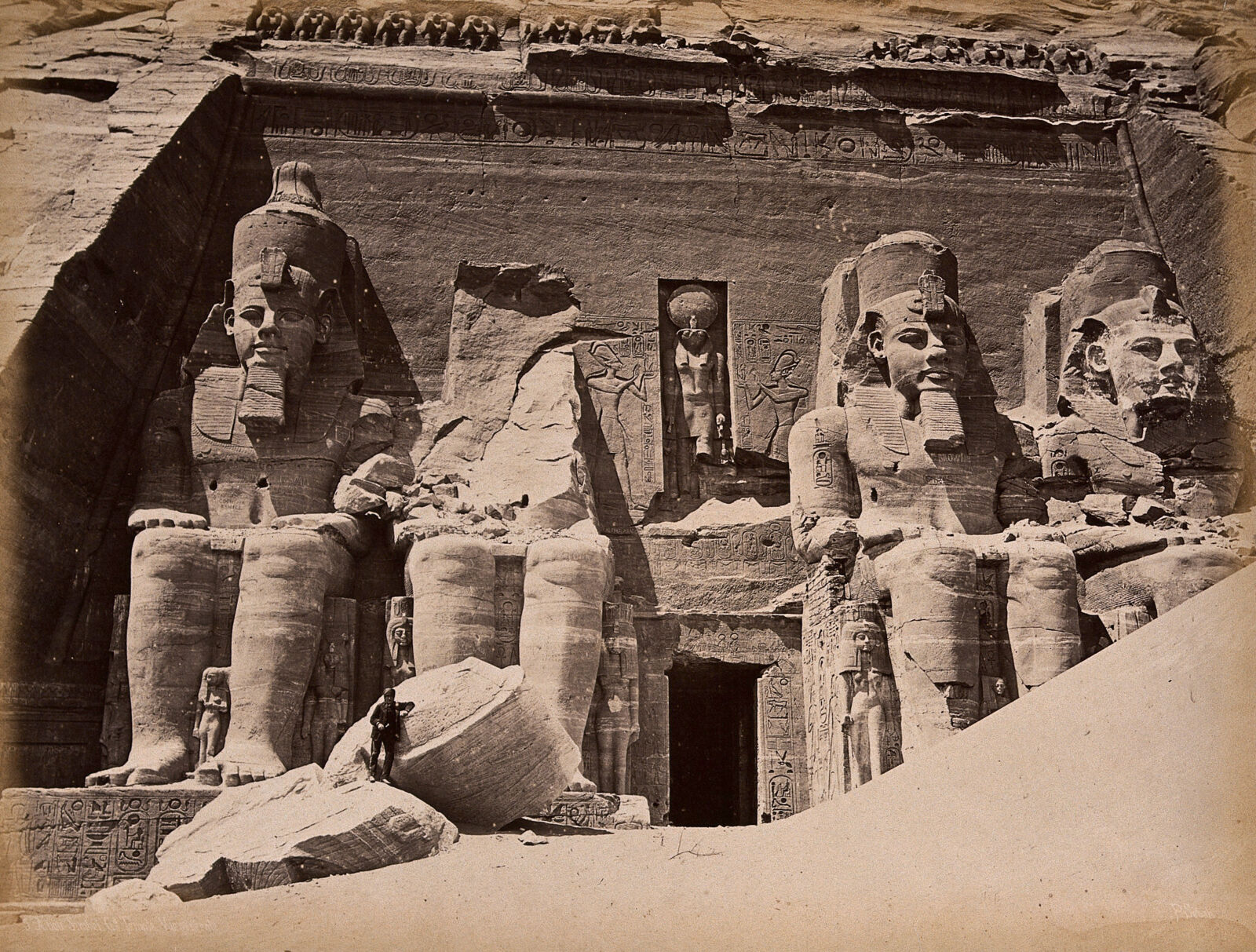 Photograph
Secondary source
Abu Simbel Temple Colossi
Pascal Sébah · 1875
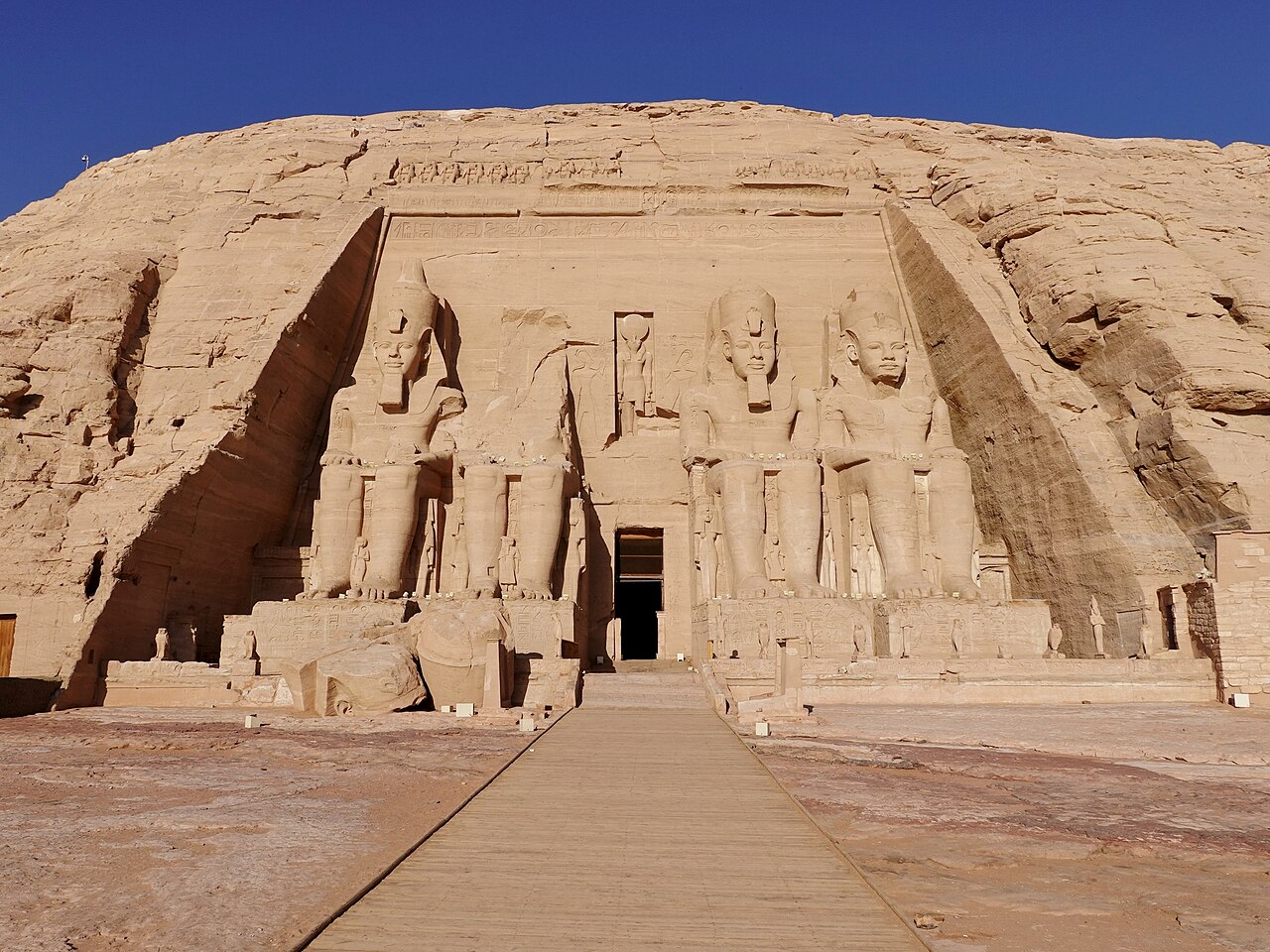 Artifact
Primary source
Abu Simbel
Ramesses II · c. 1273 BCE
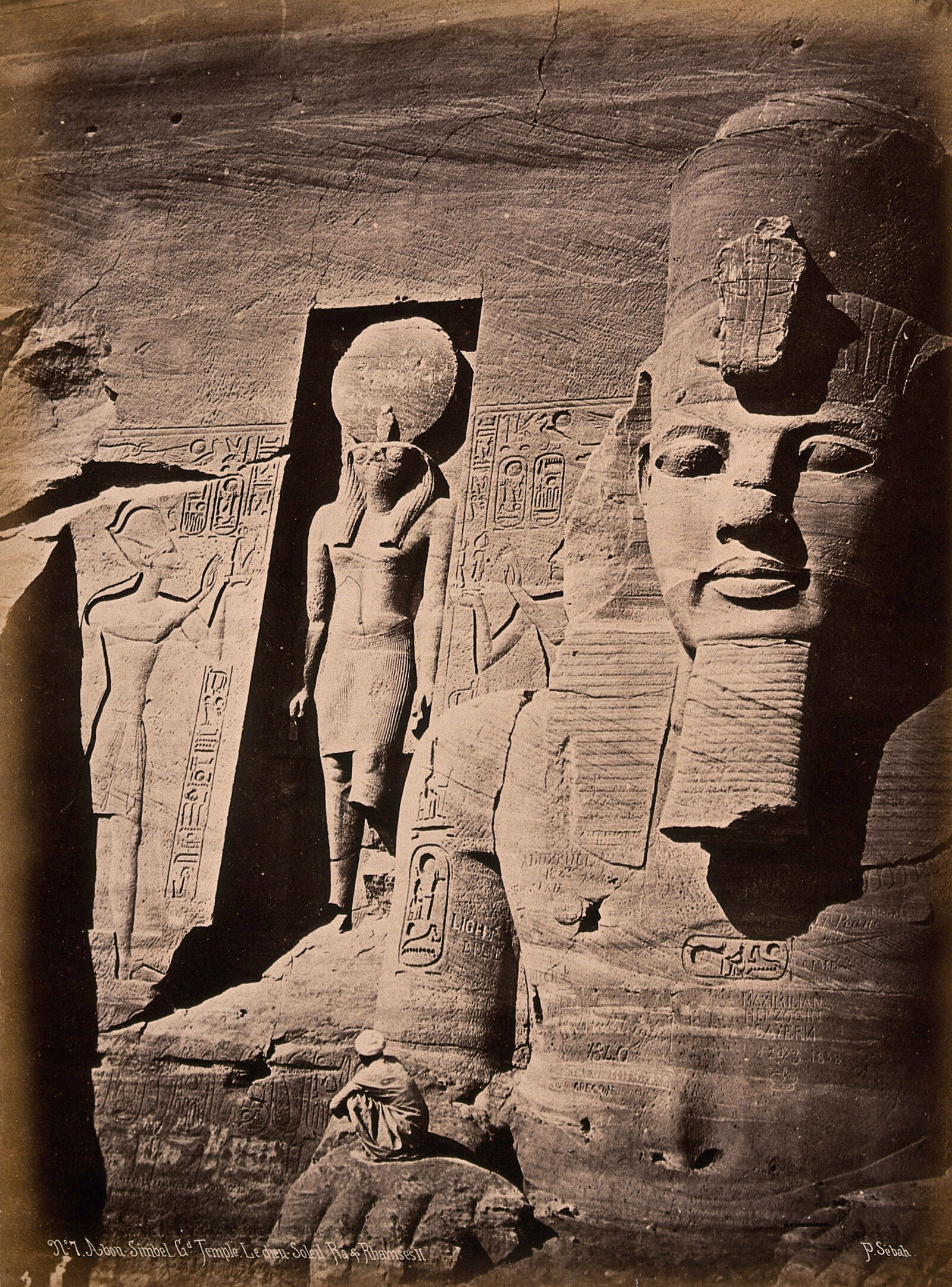 Photograph
Secondary source
Facade Detail of Abu Simbel Showing Ramesses II and Ra
Pascal Sébah · 1875
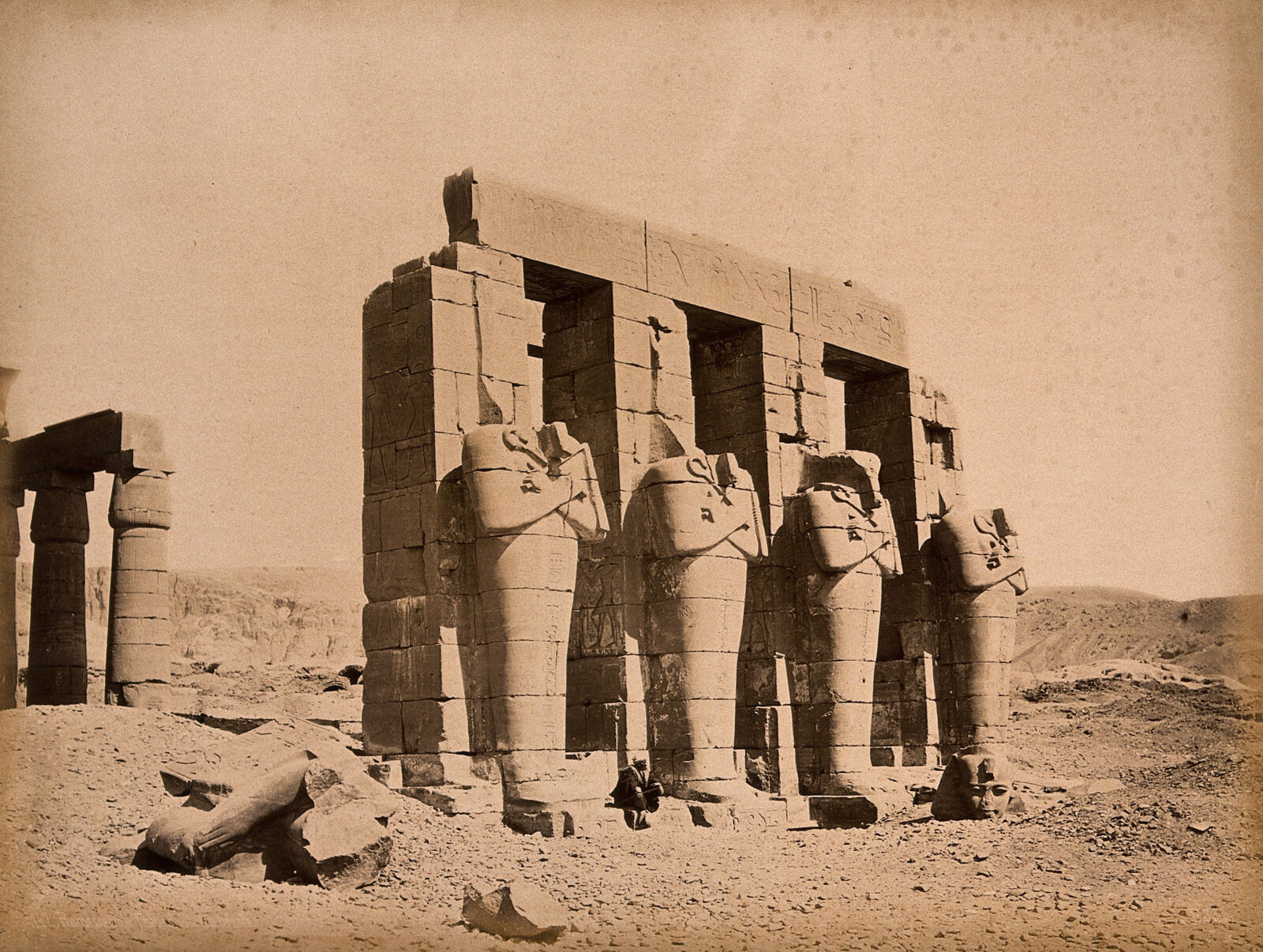 Photograph
Secondary source
Ramesseum Colossi in Ruins
Pascal Sébah · c. 1875
Ready when you are
Start chatting with Ramses II (Ramses the Great) now.
20 messages free · No credit card · Available in 50+ languages.