


Primary sourceBookAD 397-400
Confessions
Augustine of Hippo · AD 397-400
Augustine's autobiographical prayer recounting his youth, conversion, and reflections on memory and time, considered one of the earliest works of Western autobiography.
Augustine's own autobiographical account of his sinful youth and conversion, written in his own voice.
Free Humy account · No credit card · 118,535 sources to read
About this source
What it is
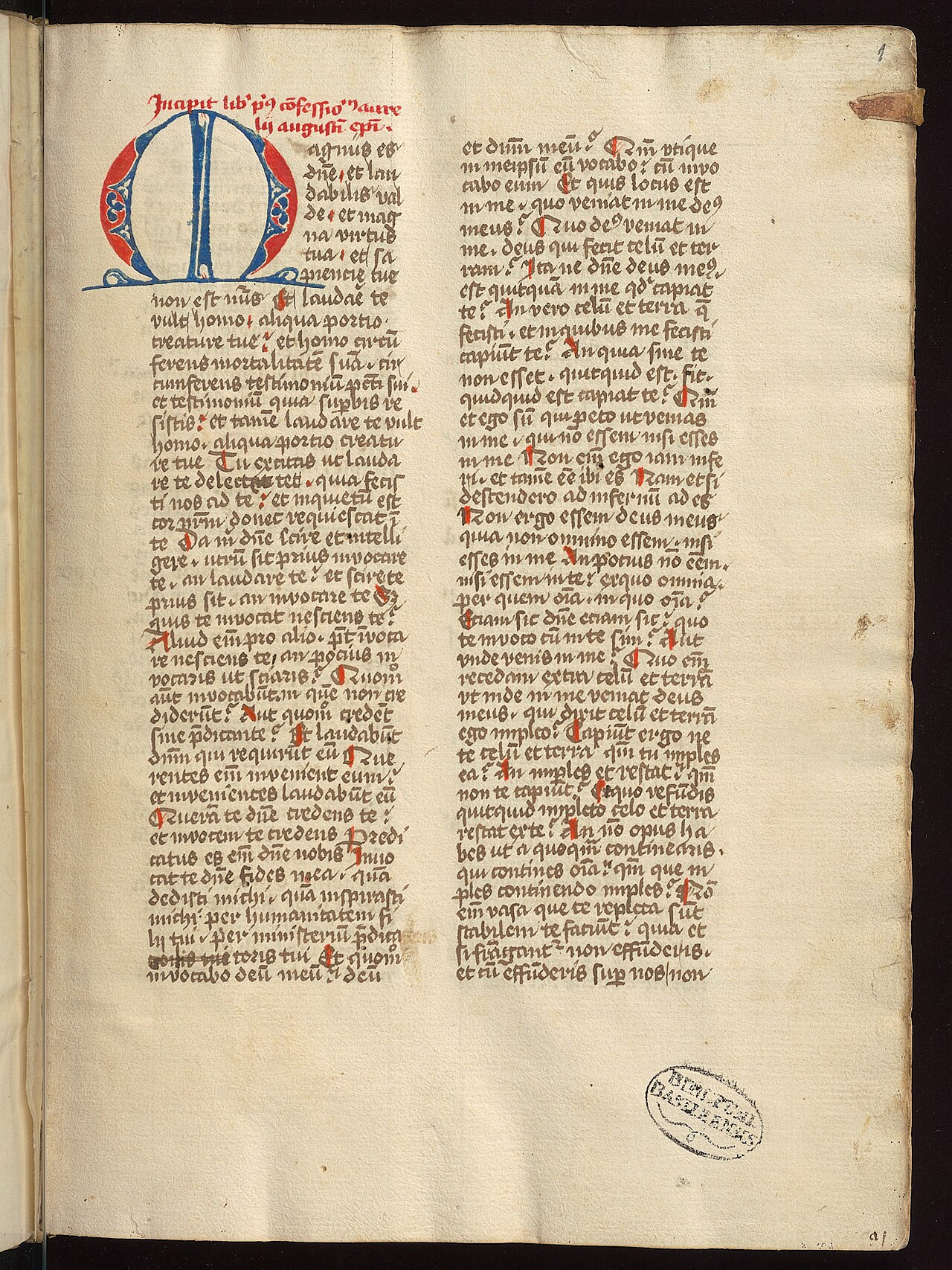
Confessions is a work in thirteen books written in Latin by Augustine of Hippo between about 397 and 400 AD. Composed as a prayer addressed to God, it recounts his childhood, his restless youth, his years following Manichaeism, and his conversion to Christianity. The surviving manuscript shown here was copied centuries later, in 1471, by a canon named Henricus de Bocholdia.
Why it matters
Confessions is one of the most influential works of spiritual autobiography in Western literature. It reveals Augustine not as a distant authority but as a person wrestling with guilt, loss, and searching for meaning — including famous episodes like stealing pears as a teenager and his conversion moment in Milan. It shaped how later Christian writers thought and wrote about inner life.
Look closer
- Why might Augustine have chosen to write his life story as a prayer rather than a plain narrative?
- What does the survival of this text in a 1471 copy tell us about how medieval readers valued it?
- What parts of a life might an autobiography like this leave out?
This book is part of the curated material that grounds the AI version of Saint Augustine on Humy.ai — when students ask about related events, the AI can quote it and cite it.
More Saint Augustine sources
Browse all 86 →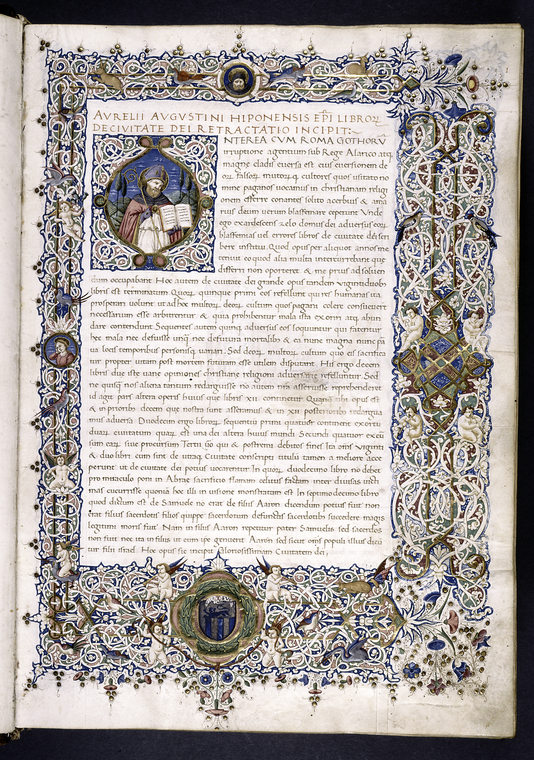 Book
Primary source
The City of God
Augustine of Hippo · early 5th century AD
Primary source
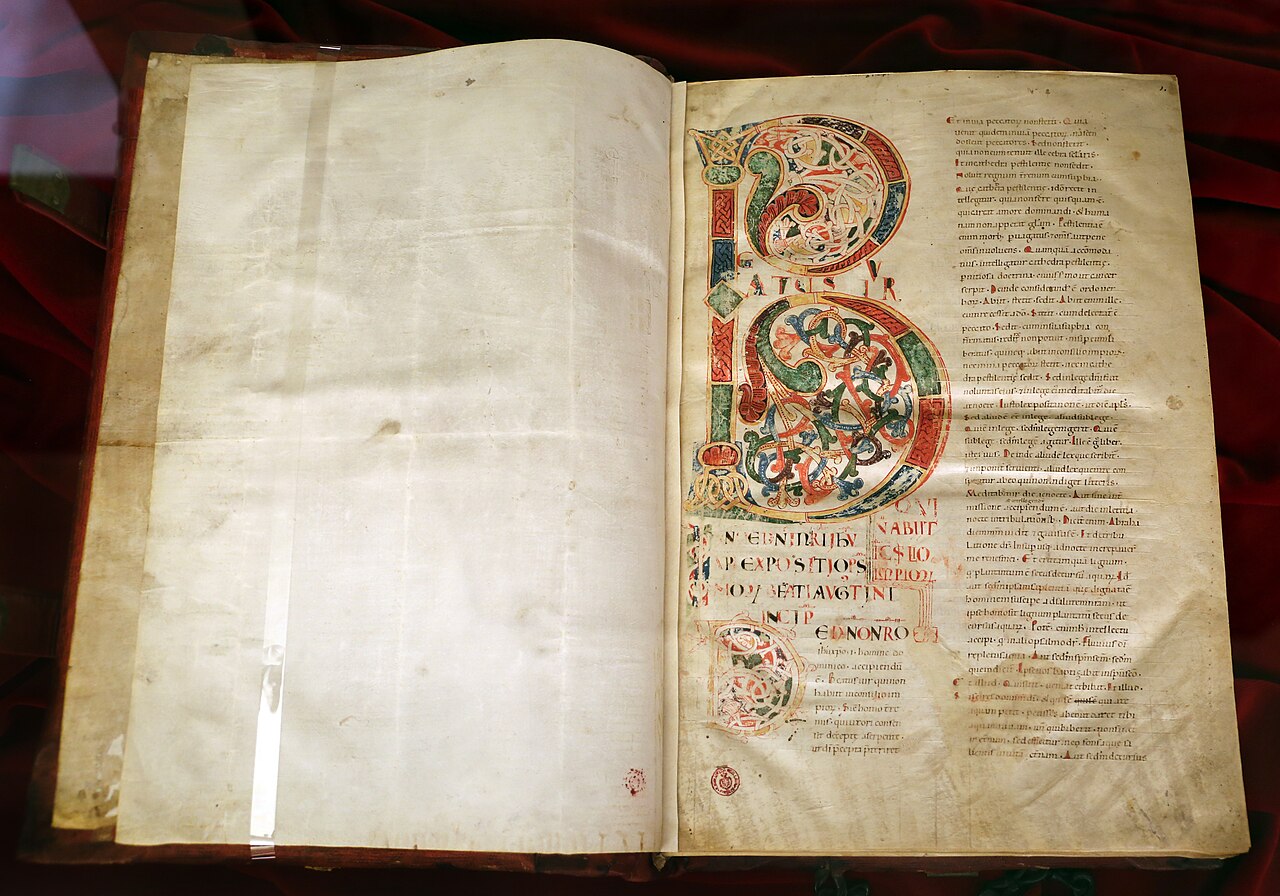
Sermons of Augustine of Hippo
Augustine of Hippo
Primary source
De libero arbitrio
Augustine of Hippo · 388-395 AD
Primary source
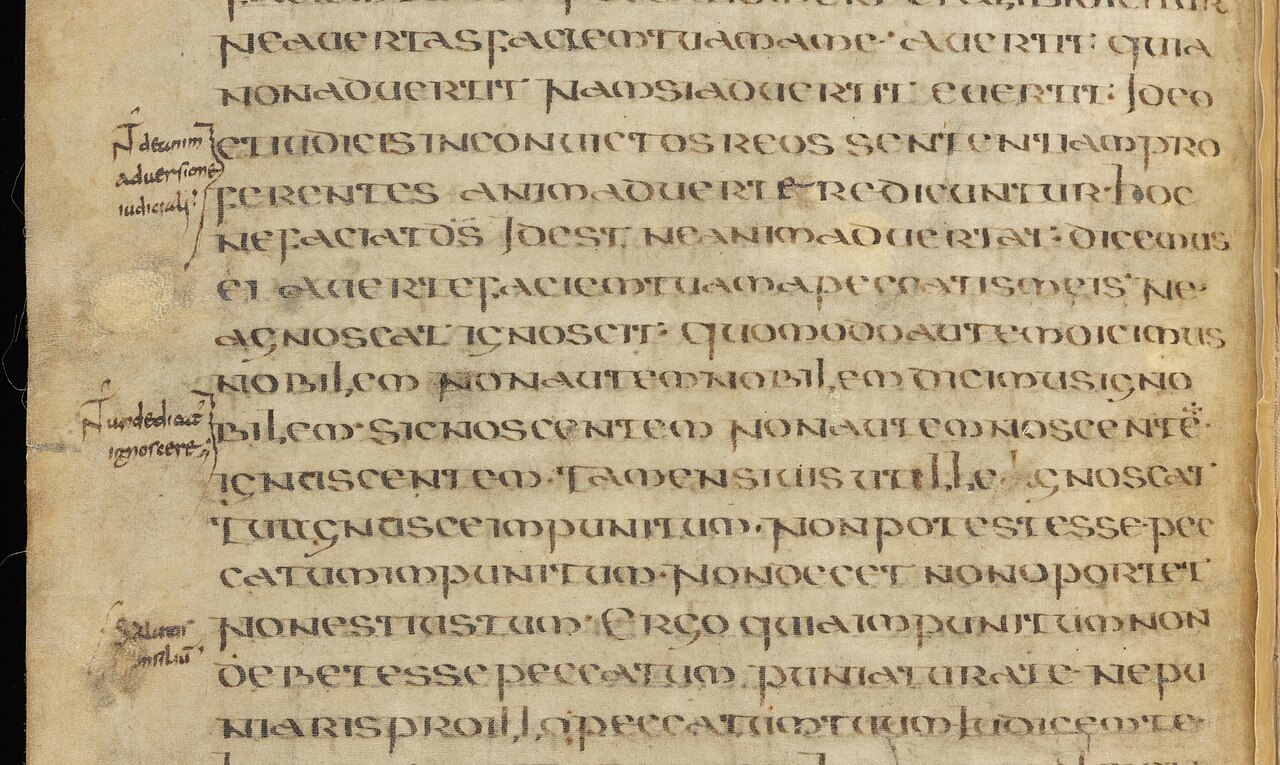
On the Trinity
Augustine of Hippo · c. 400-420s AD
Free account
Read every Saint Augustine source
Sign up free →
Ready when you are
Start chatting with Saint Augustine now.
20 messages free · No credit card · Available in 50+ languages.