


Primary sourceBook388-395 AD
De libero arbitrio
Augustine of Hippo · 388-395 AD
Augustine's dialogue with his friend Evodius on free will and the origin of evil, a foundational text for the 'Augustinian theodicy.'
Augustine's own dialogue, written with his friend Evodius, setting out his influential views on free will and evil.
Free Humy account · No credit card · 118,535 sources to read
About this source
What it is
De libero arbitrio voluntatis (On Free Choice of the Will) is a Latin dialogue by Augustine of Hippo, begun in 388 and completed around 395. Structured as a conversation between Augustine and his friend Evodius, it argues that free will, not God, is the cause of sin and suffering.
Why it matters
Written partly to refute Manichaeism, which Augustine had once followed, the work tries to explain how evil can exist if God is both good and all-powerful. It became the central source for what is later called the 'Augustinian theodicy,' still studied in philosophy of religion, and was later used (and debated) by thinkers such as Thomas Aquinas.
Look closer
- Why might Augustine have chosen a dialogue format instead of a straightforward argument?
- How does his former belief in Manichaeism shape the questions he asks here?
- What problems might arise from blaming all evil on human free will?
This book is part of the curated material that grounds the AI version of Saint Augustine on Humy.ai — when students ask about related events, the AI can quote it and cite it.
More Saint Augustine sources
Browse all 86 →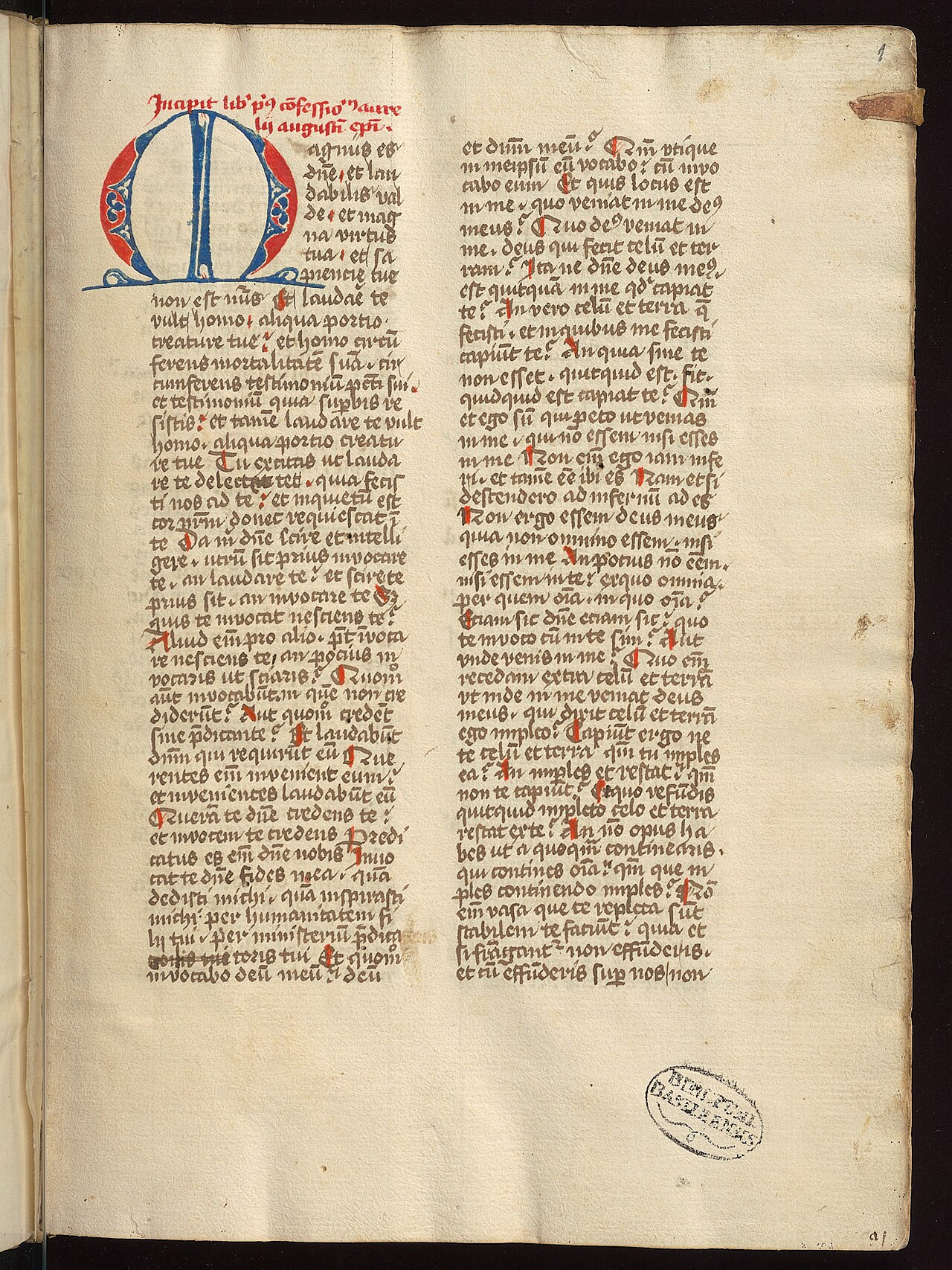 Book
Primary source
Confessions
Augustine of Hippo · AD 397-400
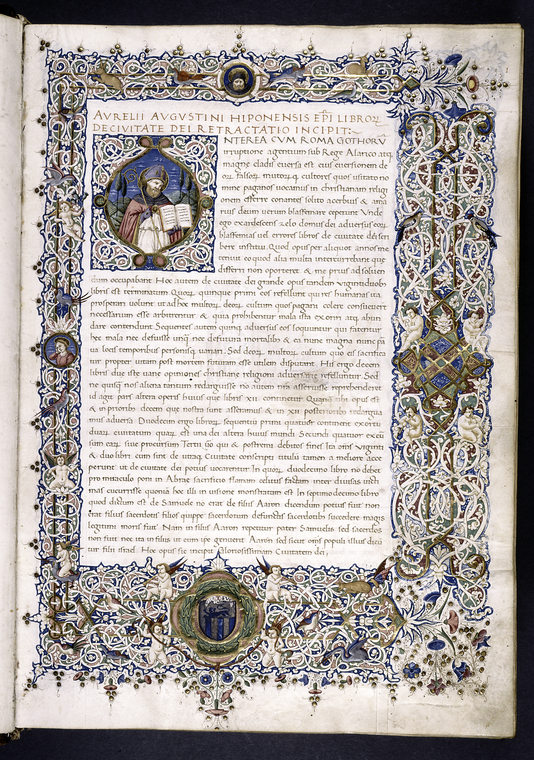 Book
Primary source
The City of God
Augustine of Hippo · early 5th century AD
Primary source
Sermons of Augustine of Hippo
Augustine of Hippo
Primary source
On the Trinity
Augustine of Hippo · c. 400-420s AD
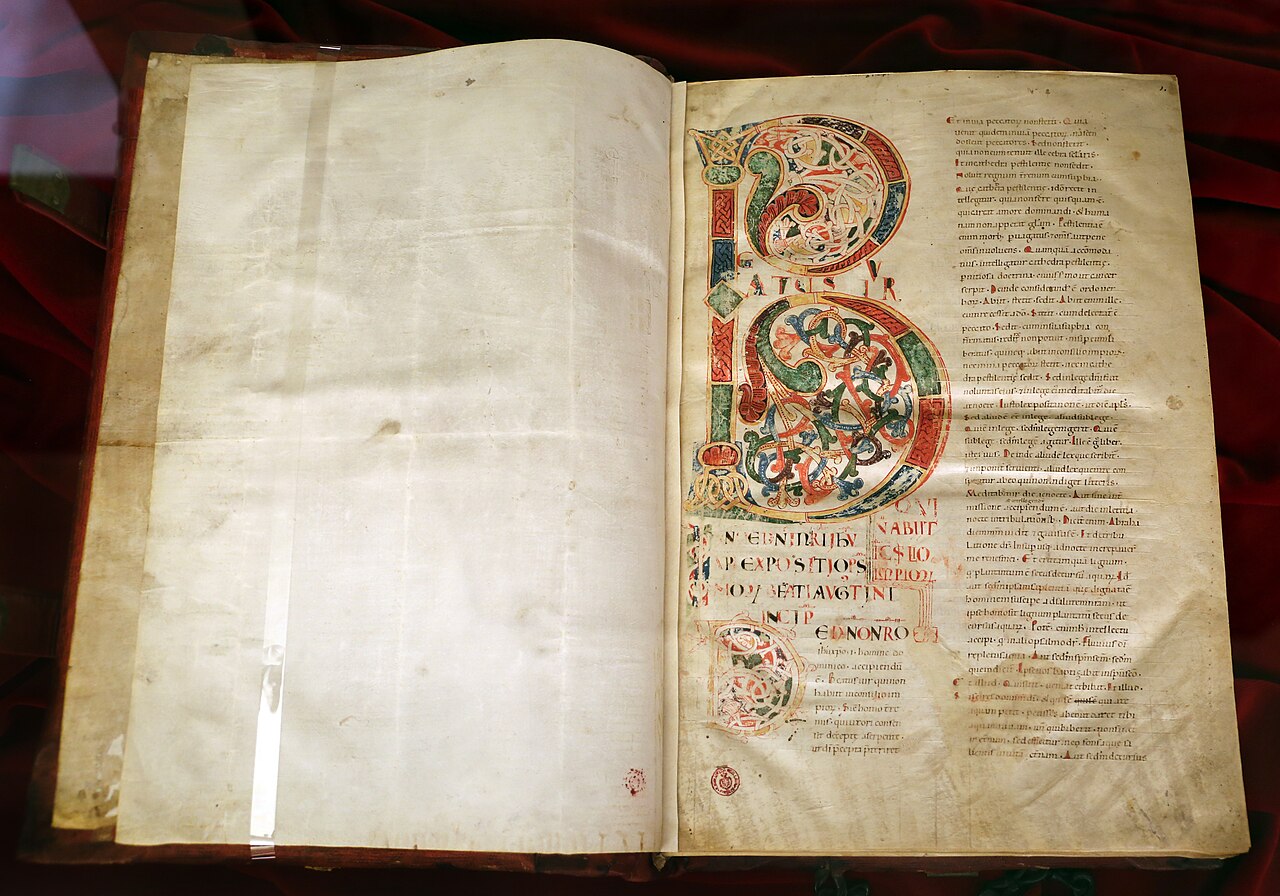
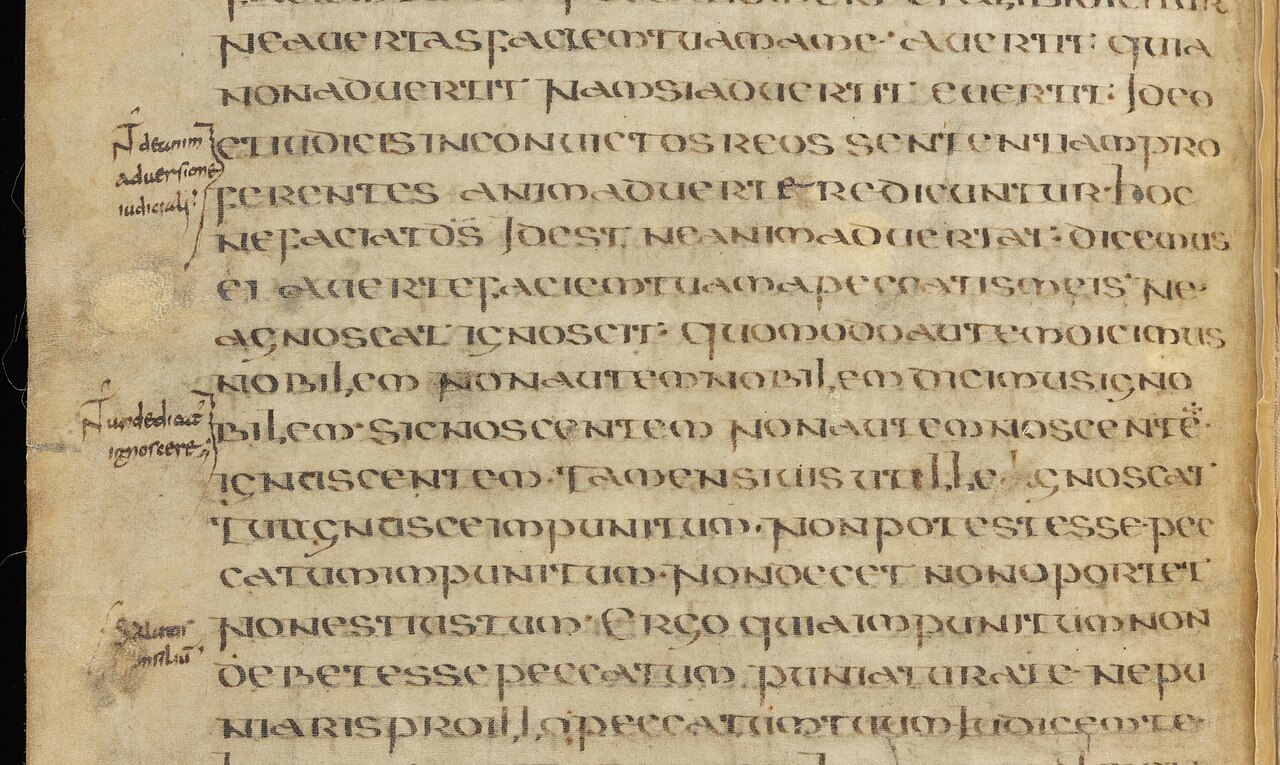
Free account
Read every Saint Augustine source
Sign up free →
Ready when you are
Start chatting with Saint Augustine now.
20 messages free · No credit card · Available in 50+ languages.