


Primary sourceBookc. 400-420s AD
On the Trinity
Augustine of Hippo · c. 400-420s AD
Augustine's major dogmatic treatise explaining the Christian doctrine of the Trinity through analogies like memory, understanding, and will.
Augustine's own major treatise explaining his understanding of the Trinity, a central doctrine of his theology.
Free Humy account · No credit card · 118,889 sources to read
About this source
What it is
De Trinitate is a Latin work by Augustine of Hippo discussing the Christian doctrine of the Trinity. Augustine began it as a young man and finished it in old age, with work spanning from around 400 to the 420s. Some scholars regard it as his doctrinal masterpiece, even above Confessions and The City of God.
Why it matters
The treatise uses psychological analogies, comparing the Trinity to the human mind's memory, understanding, and will, to help explain a mystery central to Christian belief. Its ideas shaped later Western theology for centuries, showing how Augustine combined careful reasoning with deep faith.
Look closer
- Why might Augustine compare the Trinity to aspects of the human mind rather than to physical objects?
- What does it suggest about Augustine that this work took him decades to complete?
- What parts of complex religious ideas might be hard to explain using analogies?
This book is part of the curated material that grounds the AI version of Saint Augustine on Humy.ai — when students ask about related events, the AI can quote it and cite it.
More Saint Augustine sources
Browse all 86 →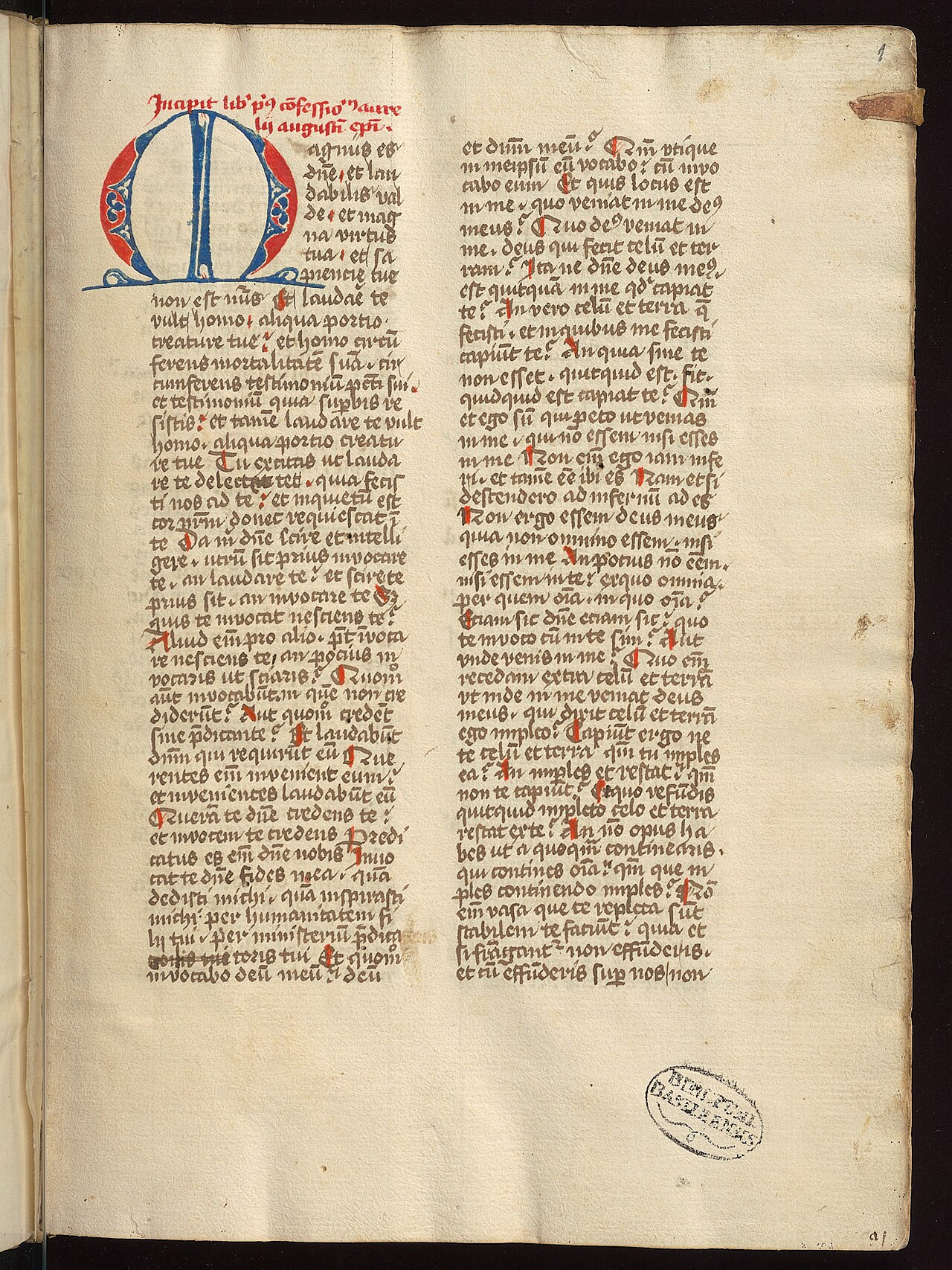 Book
Primary source
Confessions
Augustine of Hippo · AD 397-400
 Book
Primary source
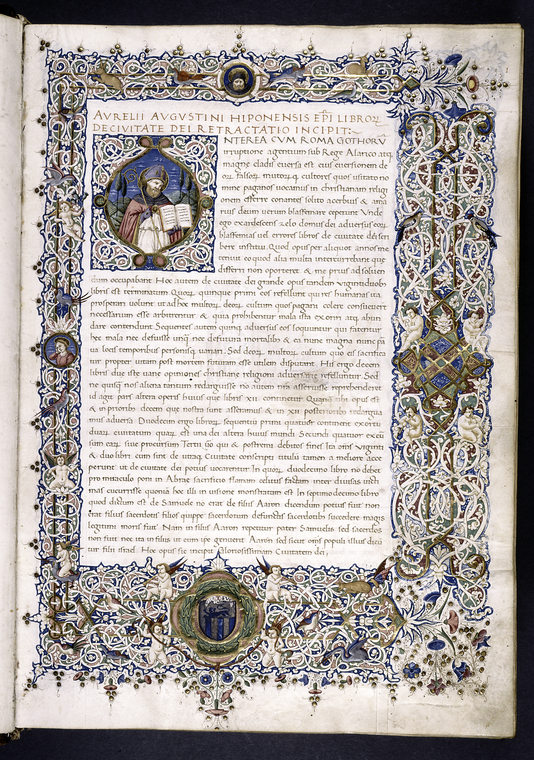
The City of God
Augustine of Hippo · early 5th century AD
Primary source
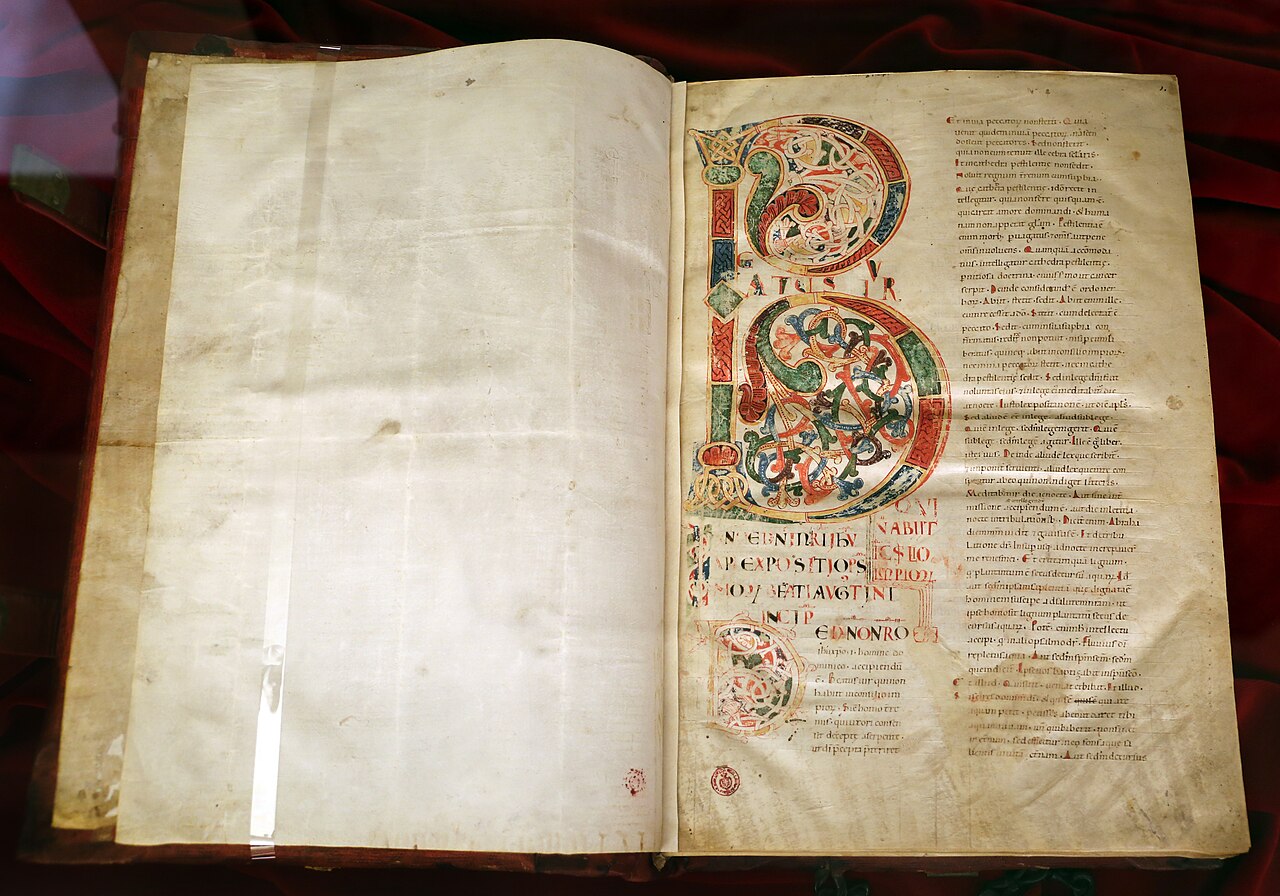
Sermons of Augustine of Hippo
Augustine of Hippo
Primary source
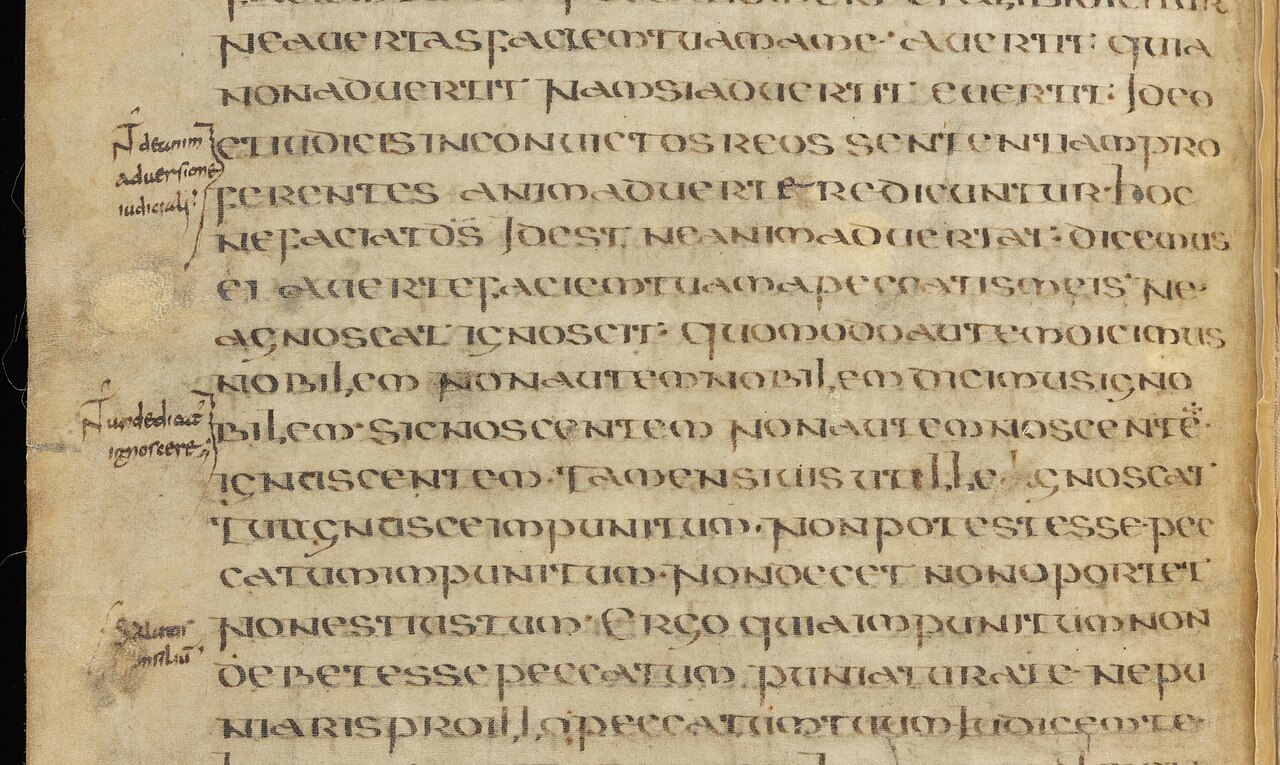
De libero arbitrio
Augustine of Hippo · 388-395 AD
Free account
Read every Saint Augustine source
Sign up free →
Ready when you are
Start chatting with Saint Augustine now.
20 messages free · No credit card · Available in 50+ languages.