


Secondary sourcePainting
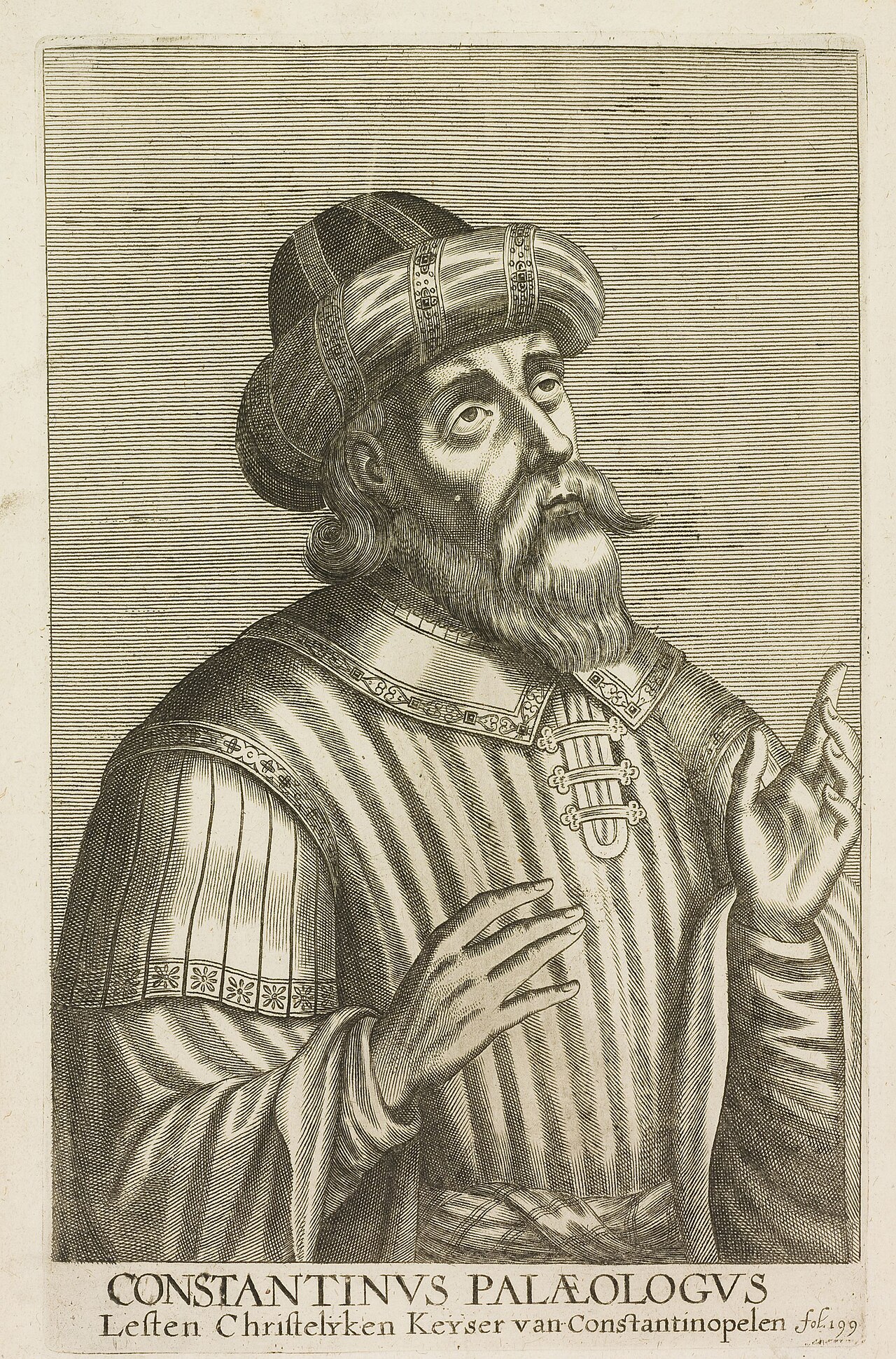
Constantinus Palæologus
A later European engraving imagining the appearance of the last Byzantine emperor, made long after his death for Dutch readers.
An imagined, invented portrait of Constantine XI made centuries after his death for a European audience.
About this source
What it is
This is a black-and-white engraved portrait labelled Constantinus Palæologus, with a Dutch caption describing him as the last Christian emperor of Constantinople. It was made sometime between 1600 and 1800, long after the emperor's lifetime, possibly as a book illustration.
Why it matters
No real likeness of Constantine XI from his own time was widely known in early-modern Europe, so printmakers invented images of him based on imagination and stereotypes of Eastern rulers, using costume and gesture to signal exotic authority. This print shows how later Europeans imagined and retold the story of the fall of Constantinople.
Look closer
- What details in the clothing and hat suggest the artist was guessing rather than copying a real portrait?
- Why might printmakers keep producing images of Constantine XI centuries after his death?
- How does this image differ from the Byzantine manuscript portrait made in his own lifetime?
This painting is part of the curated material that grounds the AI version of Constantine XI Palaiologos on Humy.ai — when students ask about related events, the AI can quote it and cite it.
More Constantine XI Palaiologos sources
Meet the AI Constantine XI Palaiologos →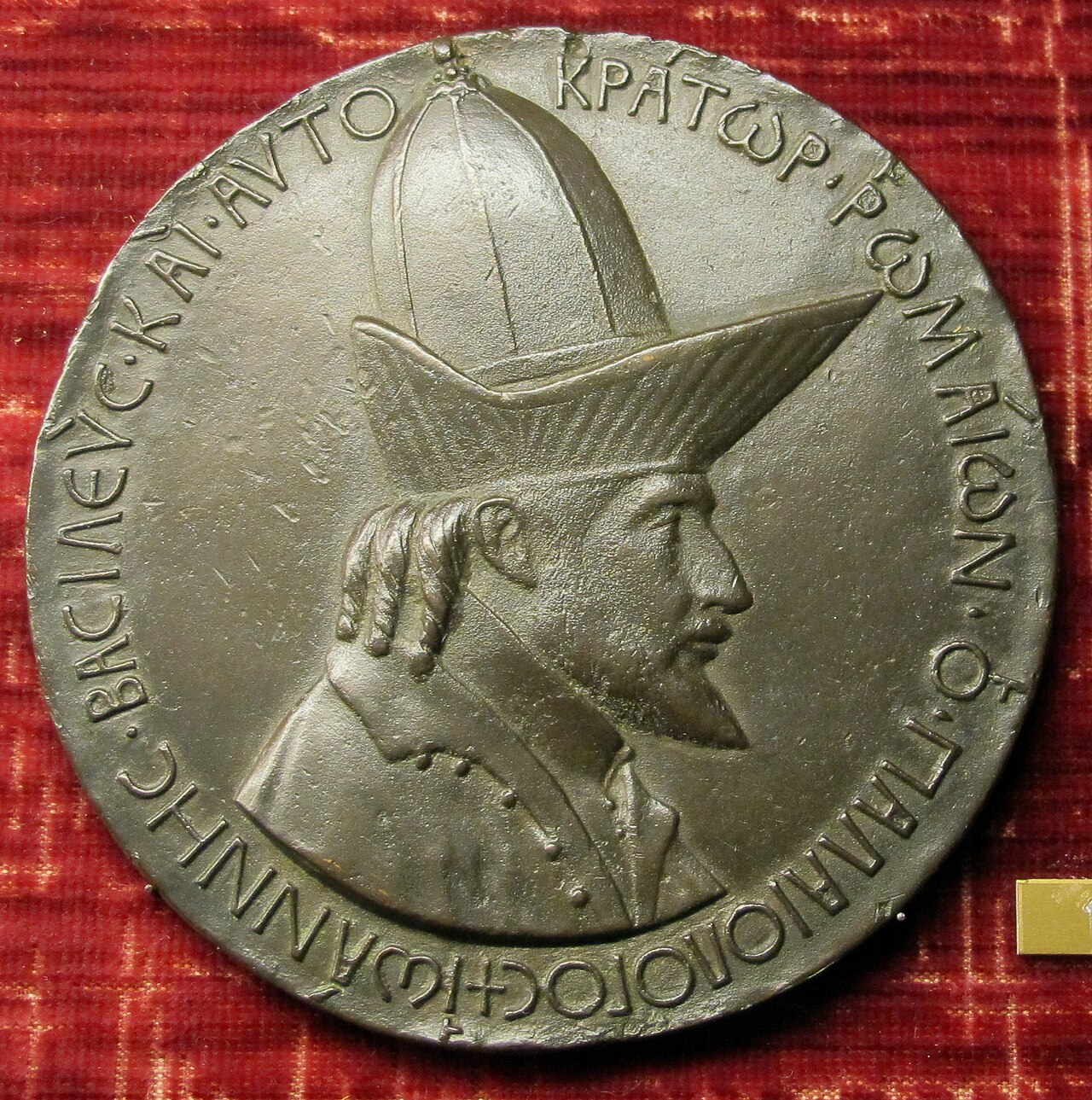 Sculpture
Primary source
Medal of John VIII Palaiologos
Pisanello · 1438-1439
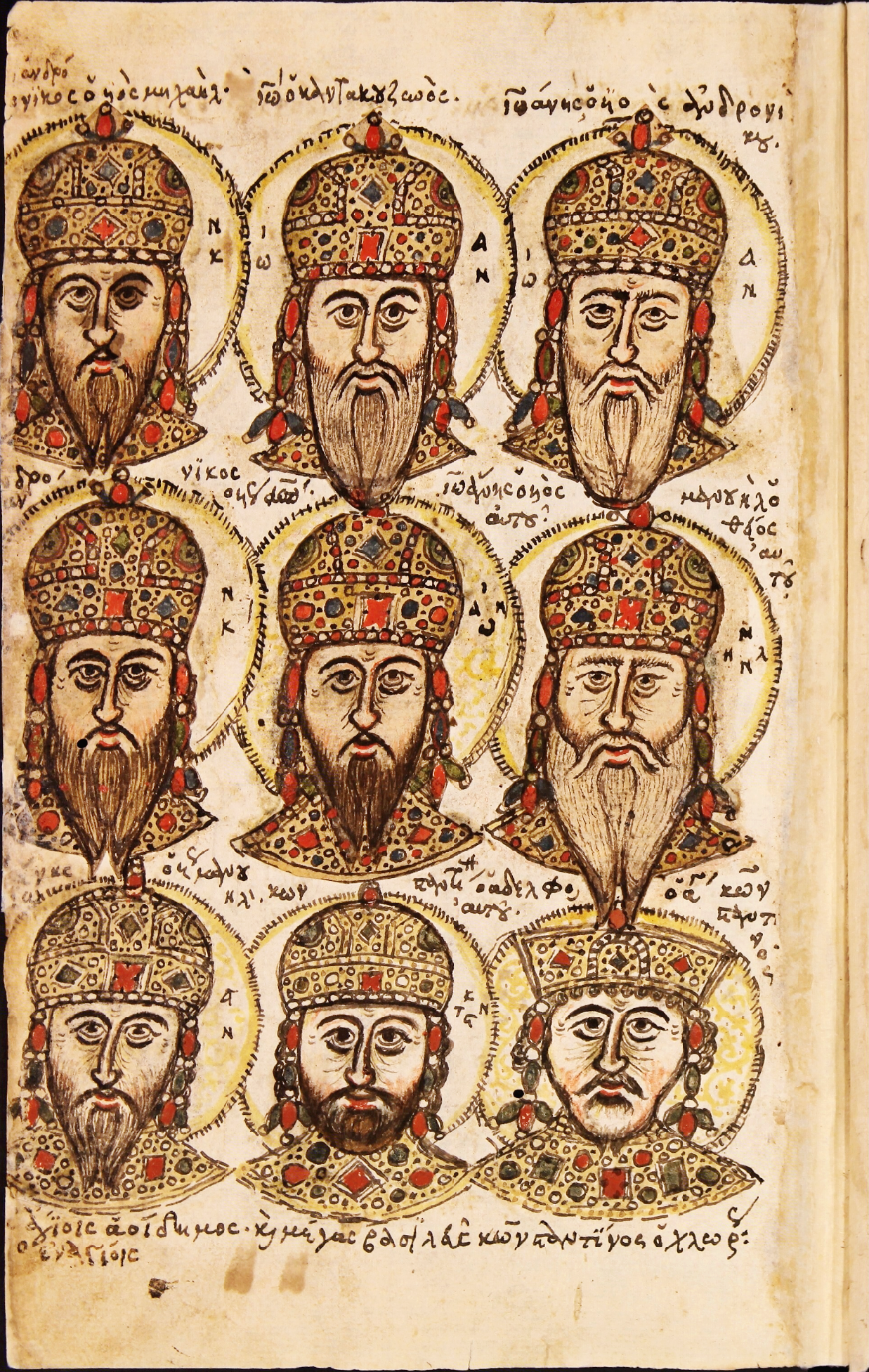 Painting
Secondary source
Zonaras Chronicle Portrait Folio
Unknown Byzantine scribes
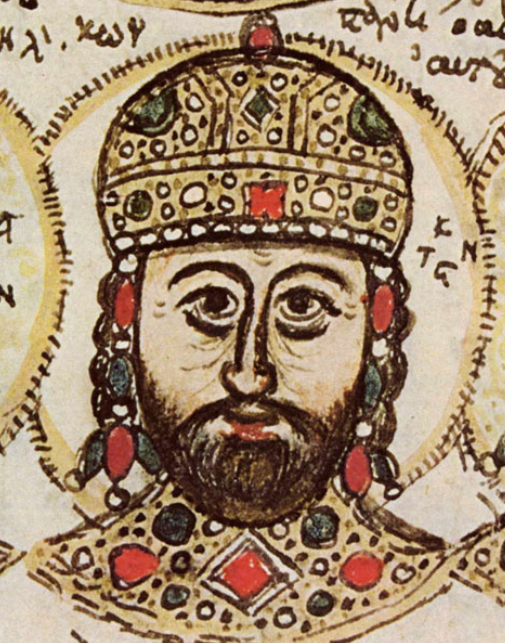 Painting
Secondary source
Portrait of Constantine XI Palaiologos in the Mutinensis gr. 122 Codex
Unknown Byzantine artist · 15th century
 Artifact
Primary source
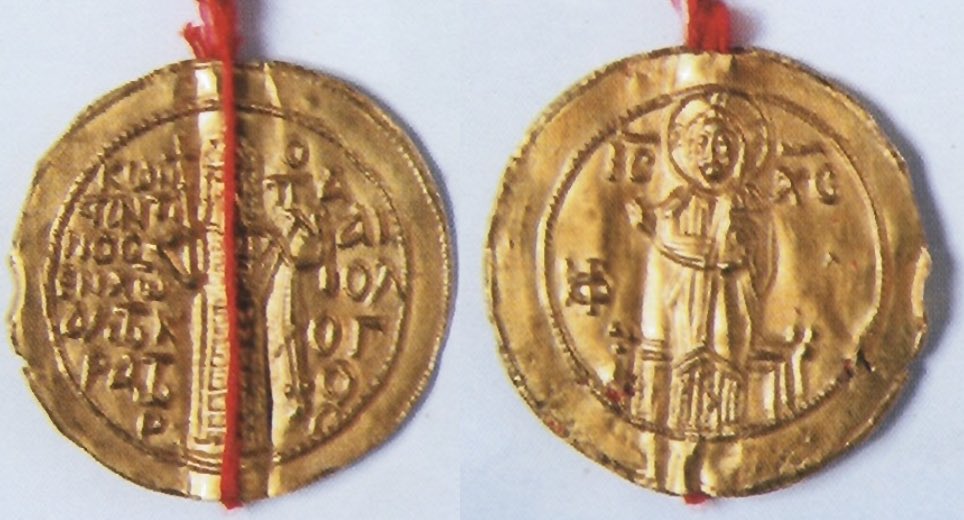
Gold Seal of Constantine XI for Ragusa
1451
 Photograph
Secondary source
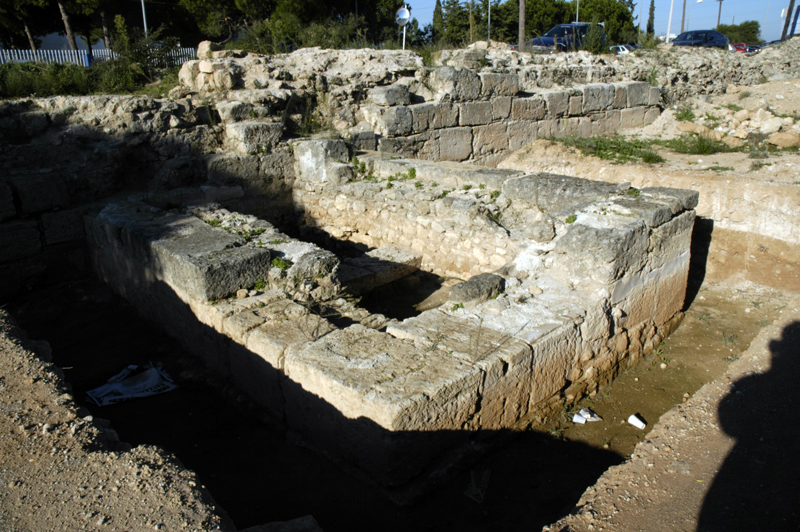
Hexamilion Wall Ruins Across the Corinth Isthmus
Nefasdicere
Ready when you are
Start chatting with Constantine XI Palaiologos now.
20 messages free · No credit card · Available in 50+ languages.