


Primary sourceArtifactc. 1792-1750 BCE
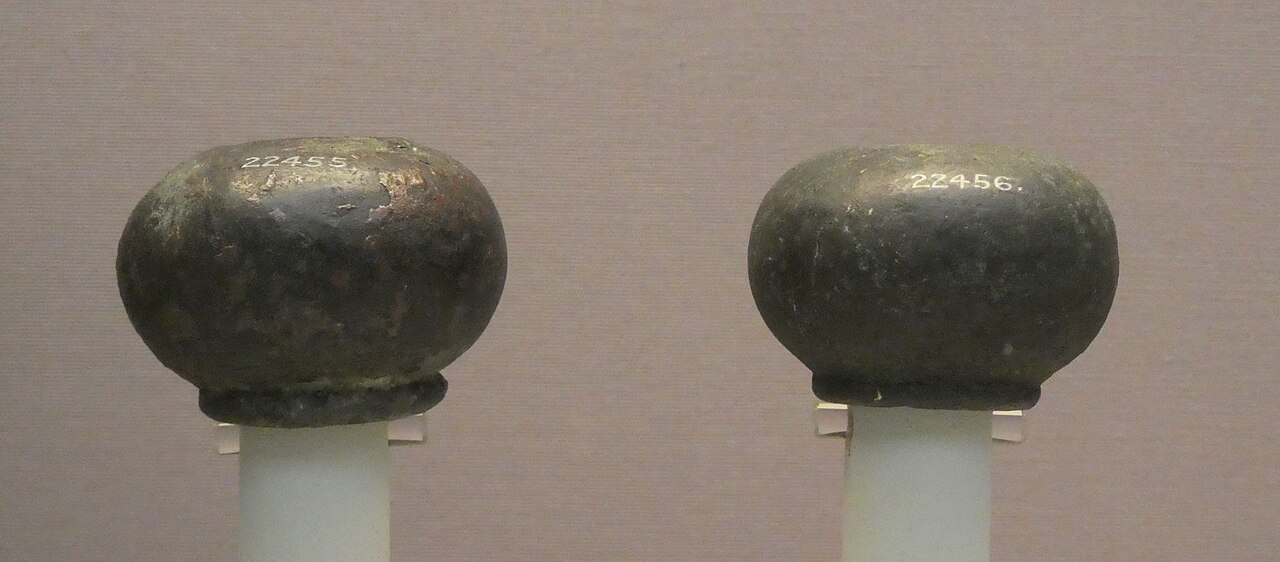
Copper Mace Heads of Hammurabi
c. 1792-1750 BCE
Two copper alloy mace heads from Hammurabi's palace, inscribed with his name, now in the British Museum.
These mace heads were inscribed with Hammurabi's name and found associated with his palace, making them objects he owned.
About this source
What it is
These two copper alloy mace heads were found at Tell Muhammad near Baghdad, Iraq. They carry an inscription naming King Hammurabi of Babylon and referring to his palace. Although the inscription is not currently visible to museum visitors because of how the objects are displayed, it reads "Palace of Hammurabi". They are held today in the British Museum.
Why it matters
Objects inscribed with a king's name and linked to his palace show how rulers like Hammurabi marked their possessions and buildings as symbols of royal power. These small, everyday-seeming objects connect directly to Hammurabi's reign and give physical evidence of his rule beyond written texts like his famous law code.
Look closer
- Why might a king want his name inscribed on a mace head rather than just a palace wall?
- What does the worn, green patina on one of the mace heads tell you about its age and how it was kept?
- What is missing from this object that a written law code could tell us instead?
This artifact is part of the curated material that grounds the AI version of Hammurabi on Humy.ai — when students ask about related events, the AI can quote it and cite it.
More Hammurabi sources
Meet the AI Hammurabi →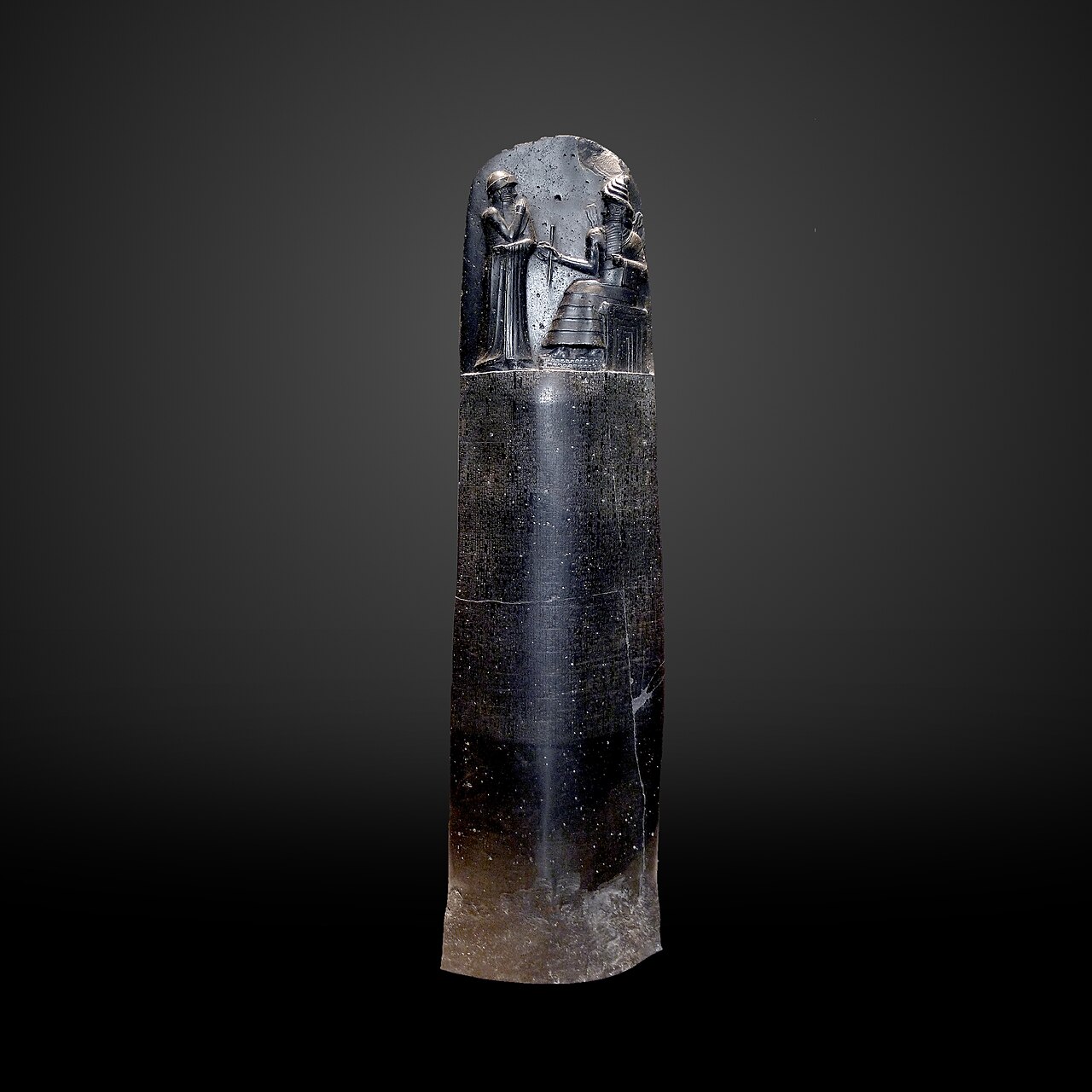 Document
Primary source
Code of Hammurabi
Hammurabi · c. 1753 BCE
 Sculpture
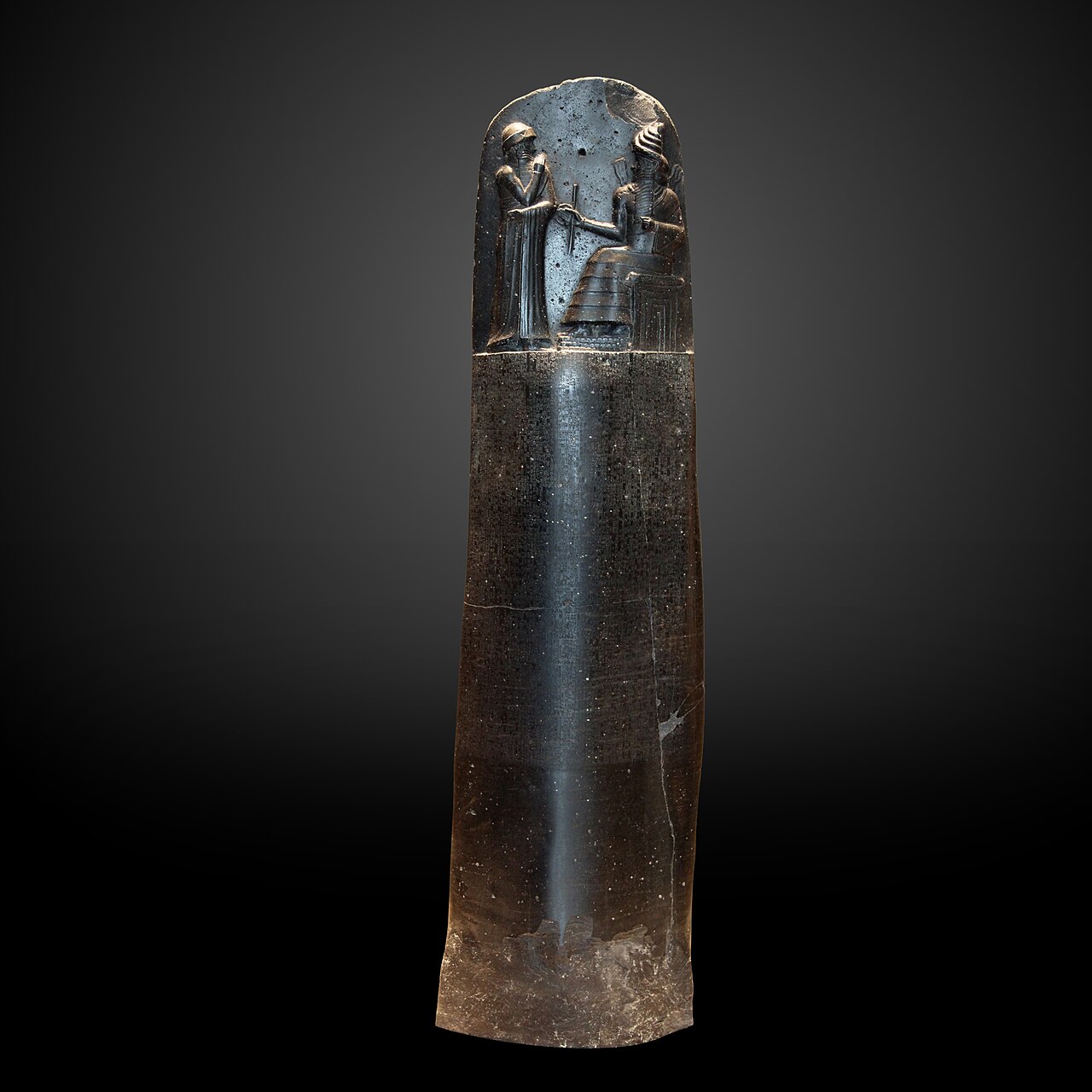
Primary source
Stele with the Code of Hammurabi
Hammurabi · c. 1792 BCE
 Letter
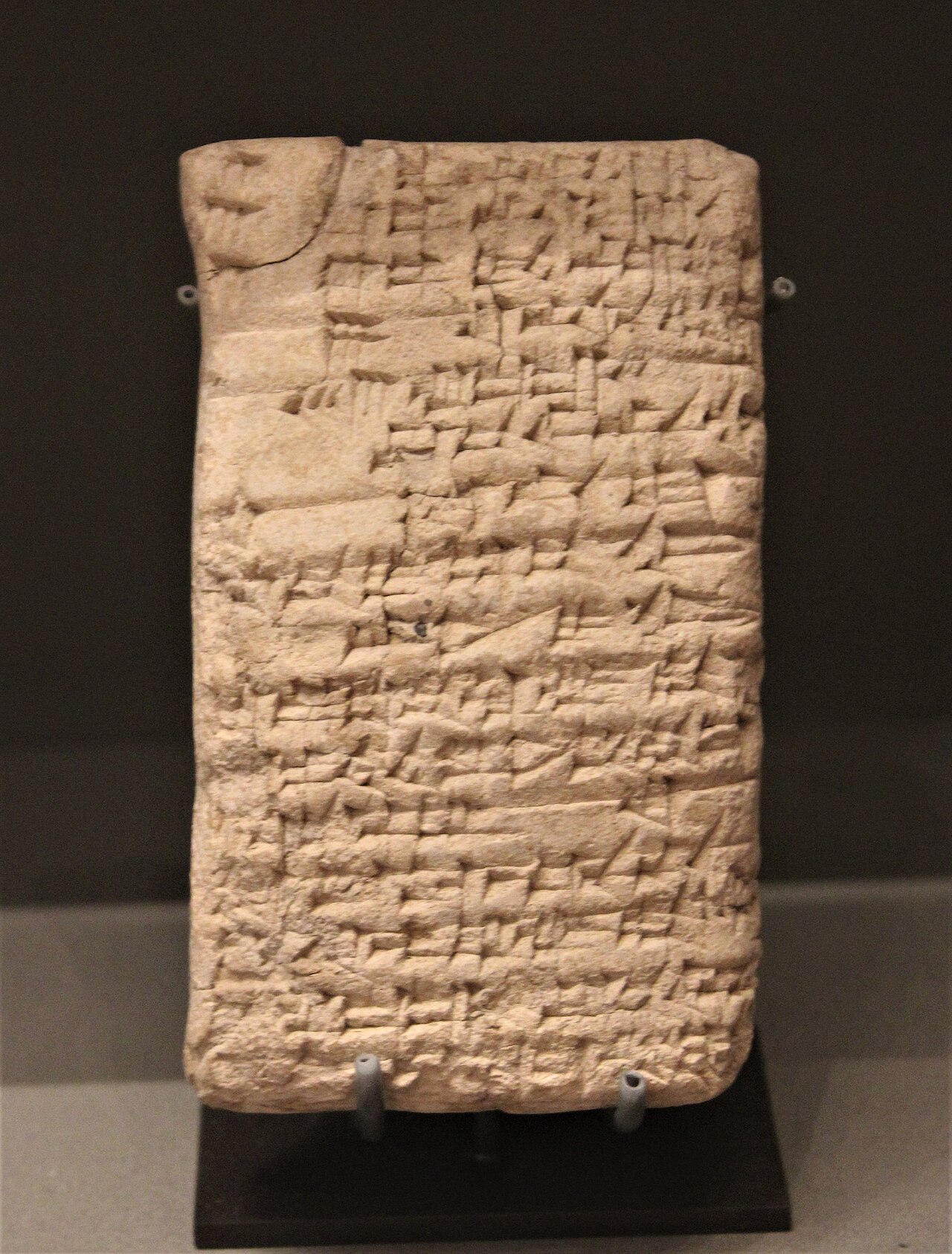
Primary source
Letter from Hammurabi to Sîn-iddinam
Hammurabi · c. 1792-1750 BCE
 Document
Primary source
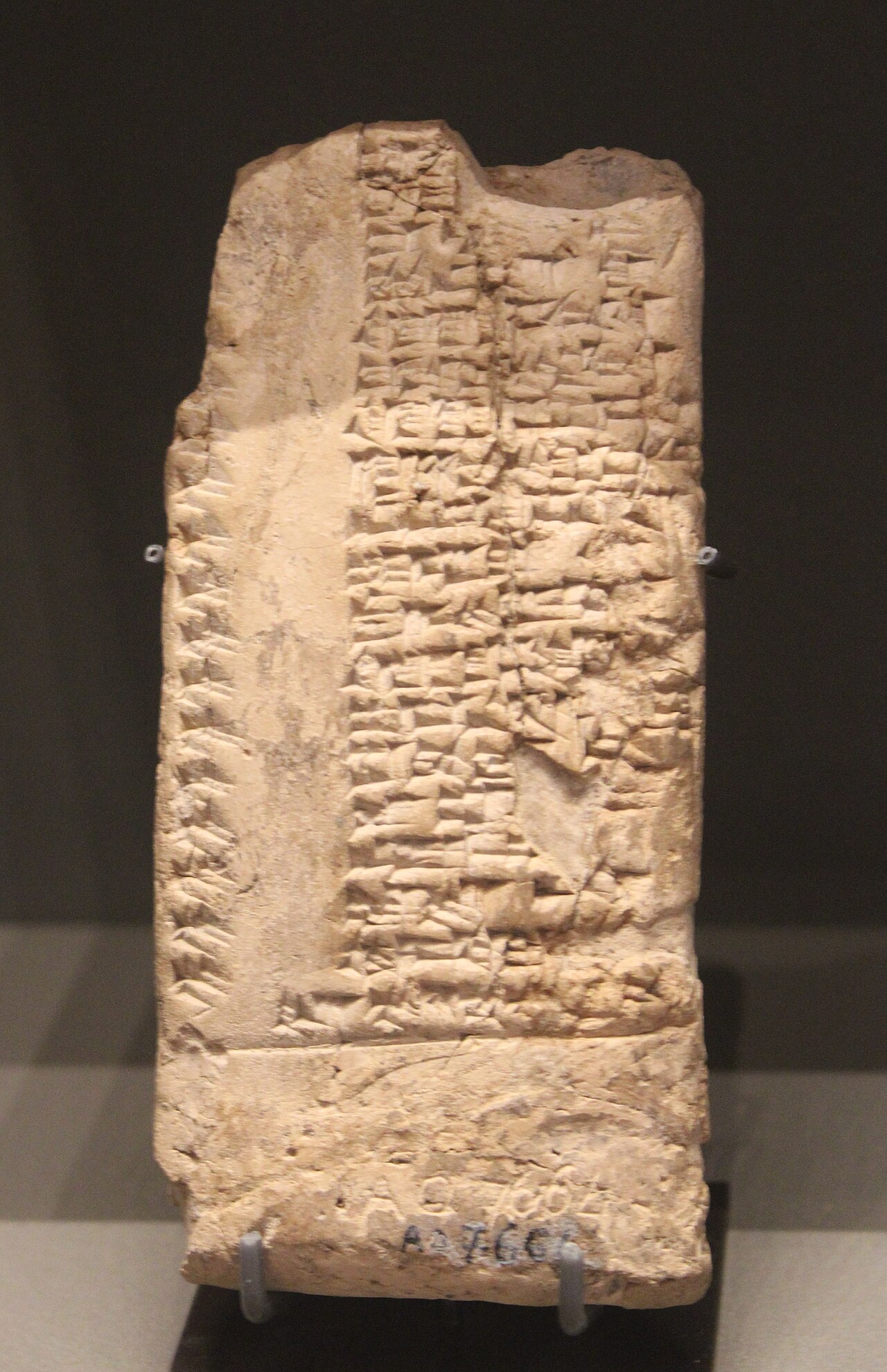
List of the year-names of Hammurabi's reign
Old Babylonian period, reign of Hammurabi (c. 1792-1750 BCE)
 Document
Secondary source
Chronicle of Early Kings
Babylonian scribes · c. 6th century BCE copy
Ready when you are
Start chatting with Hammurabi now.
20 messages free · No credit card · Available in 50+ languages.