


Secondary sourceDocument6th century BC (copy of an inscription originally from c. 1792-1750 BC)
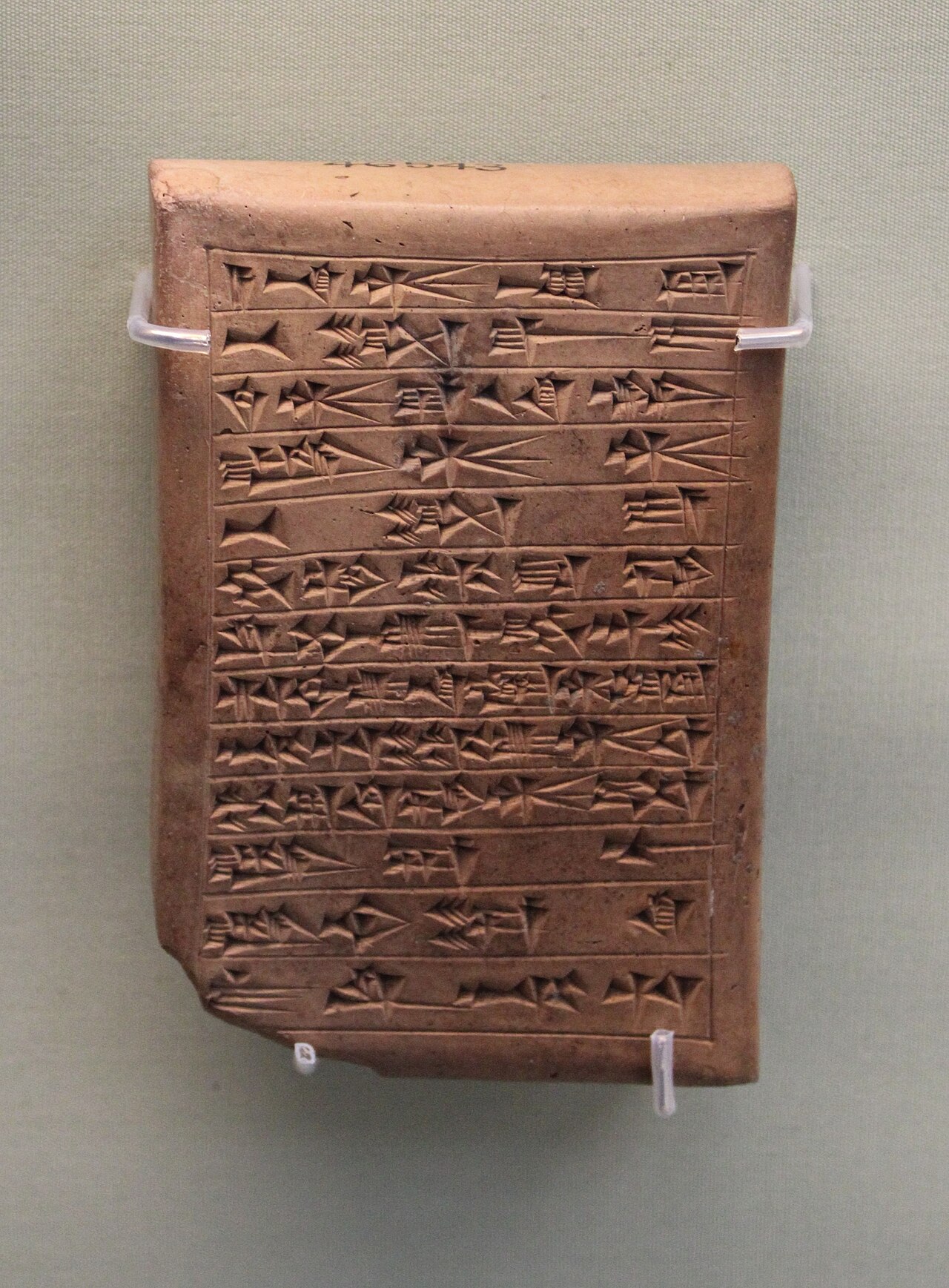
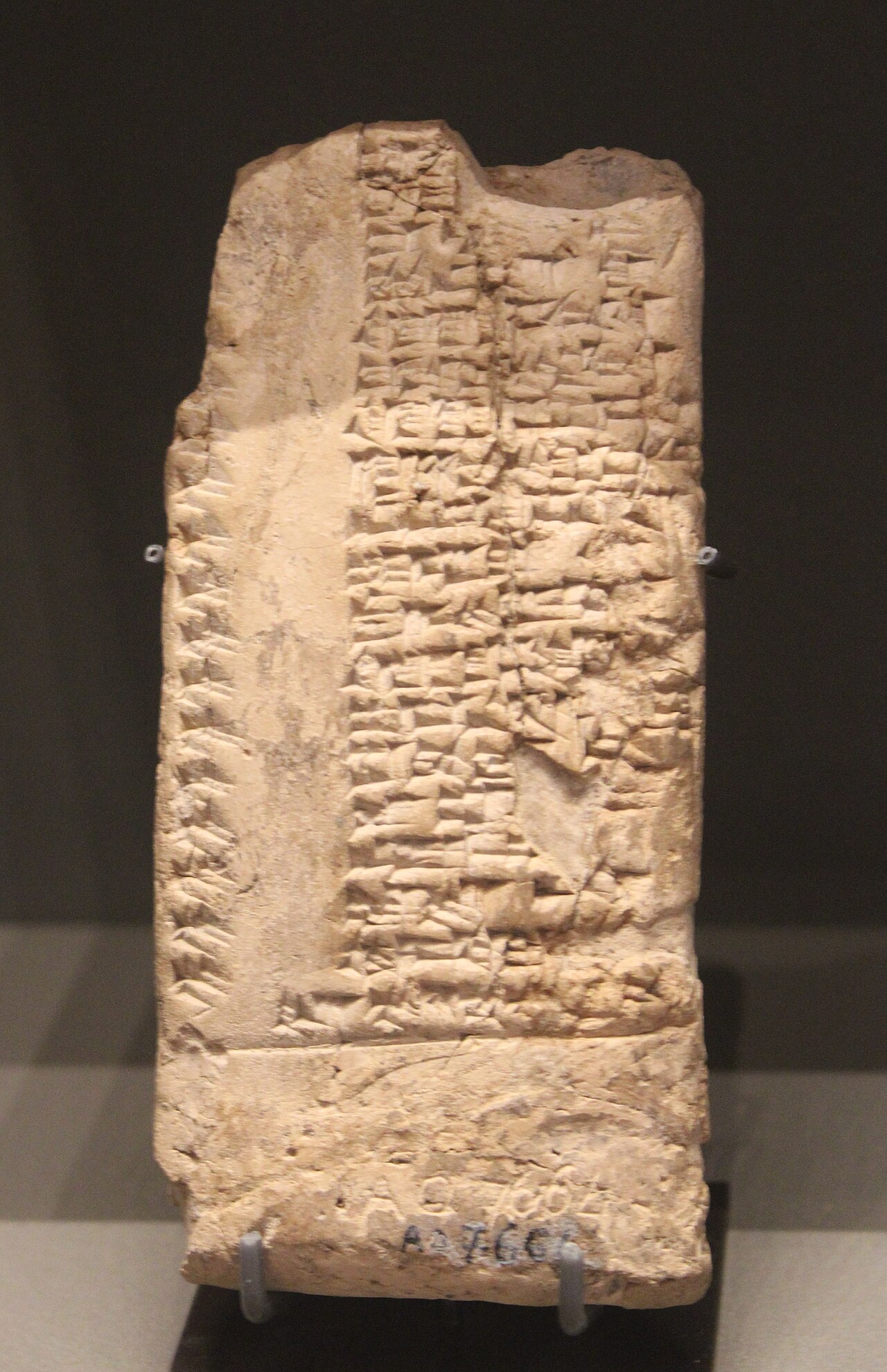
Copy of a Royal Inscription of Hammurabi
Unknown Neo-Babylonian scribe · 6th century BC (copy of an inscription originally from c. 1792-1750 BC)
A later scribal copy of a Hammurabi building inscription, made centuries after his reign to imitate the original script.
This later copy of Hammurabi's own inscription shows how his royal texts were preserved and studied long after his reign.
About this source
What it is
This clay tablet is a copy of a royal inscription of King Hammurabi of Babylon. It was made much later, during the Neo-Babylonian period, by a scribe trying to imitate the old script. The text concerns the construction of a storehouse for the god Enlil in Babylon. It was found in Babylon and is held by the British Museum.
Why it matters
The copy shows that Hammurabi's own inscriptions were still valued, read and copied by scribes long after his death. It tells us that Babylonian scribal culture preserved royal texts carefully, treating old kings' words as worth studying centuries later.
Look closer
- Why might a scribe centuries later want to copy an old king's inscription exactly?
- What does the care taken to imitate the original script tell you about how Babylonians viewed their past?
- What is missing from this tablet that we cannot know, since it is a copy rather than the original?
This document is part of the curated material that grounds the AI version of Hammurabi on Humy.ai — when students ask about related events, the AI can quote it and cite it.
More Hammurabi sources
Meet the AI Hammurabi →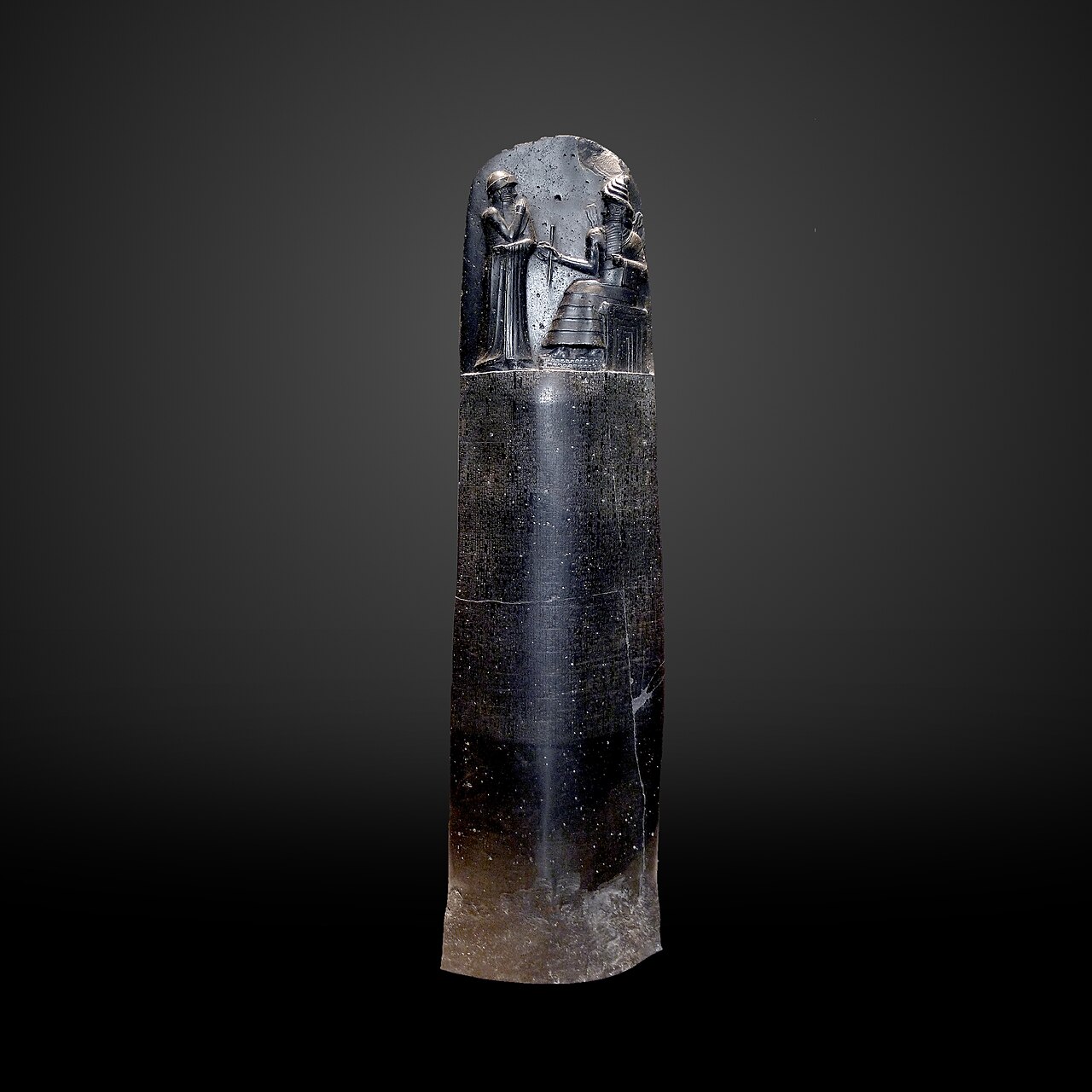 Document
Primary source
Code of Hammurabi
Hammurabi · c. 1753 BCE
 Sculpture
Primary source
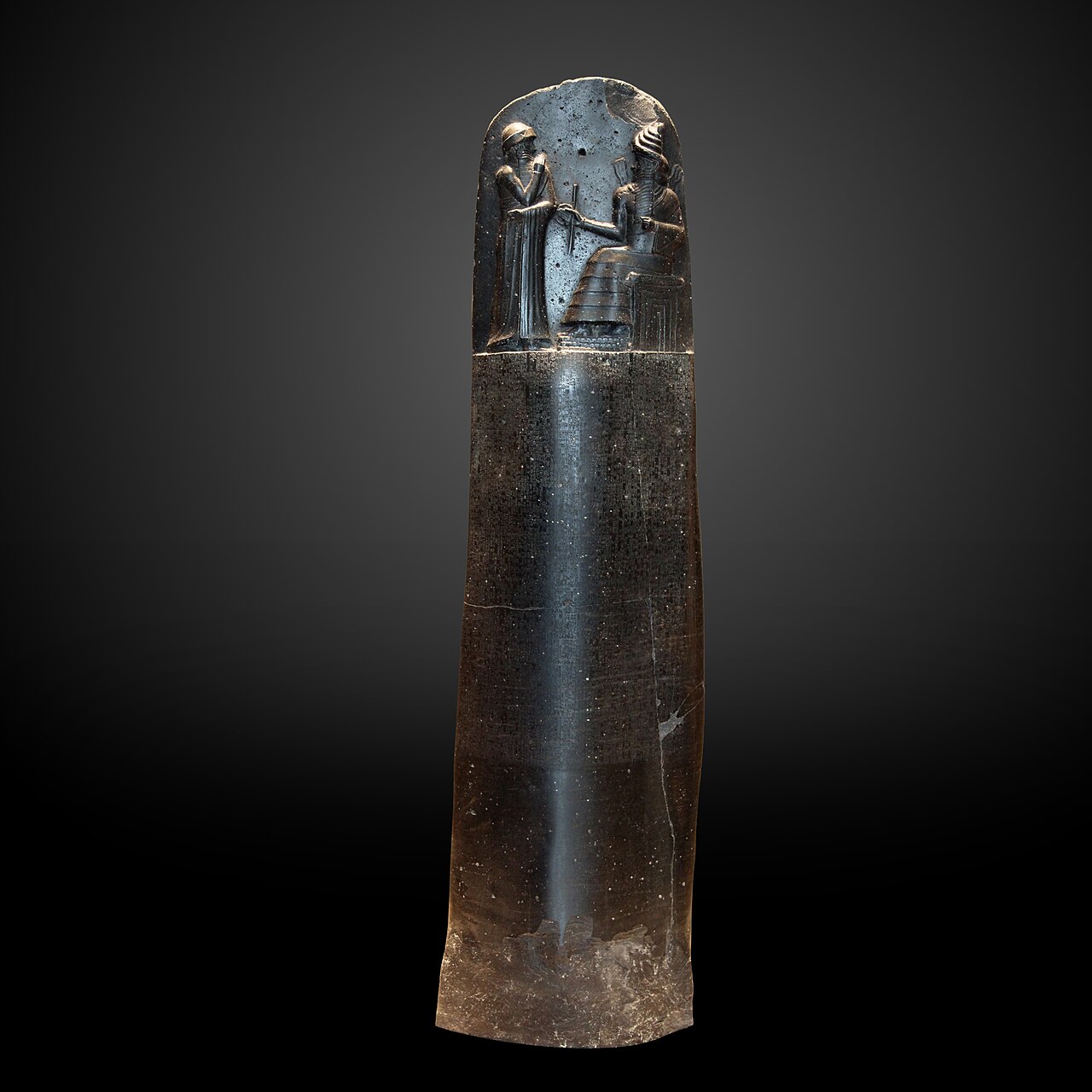
Stele with the Code of Hammurabi
Hammurabi · c. 1792 BCE
 Letter
Primary source
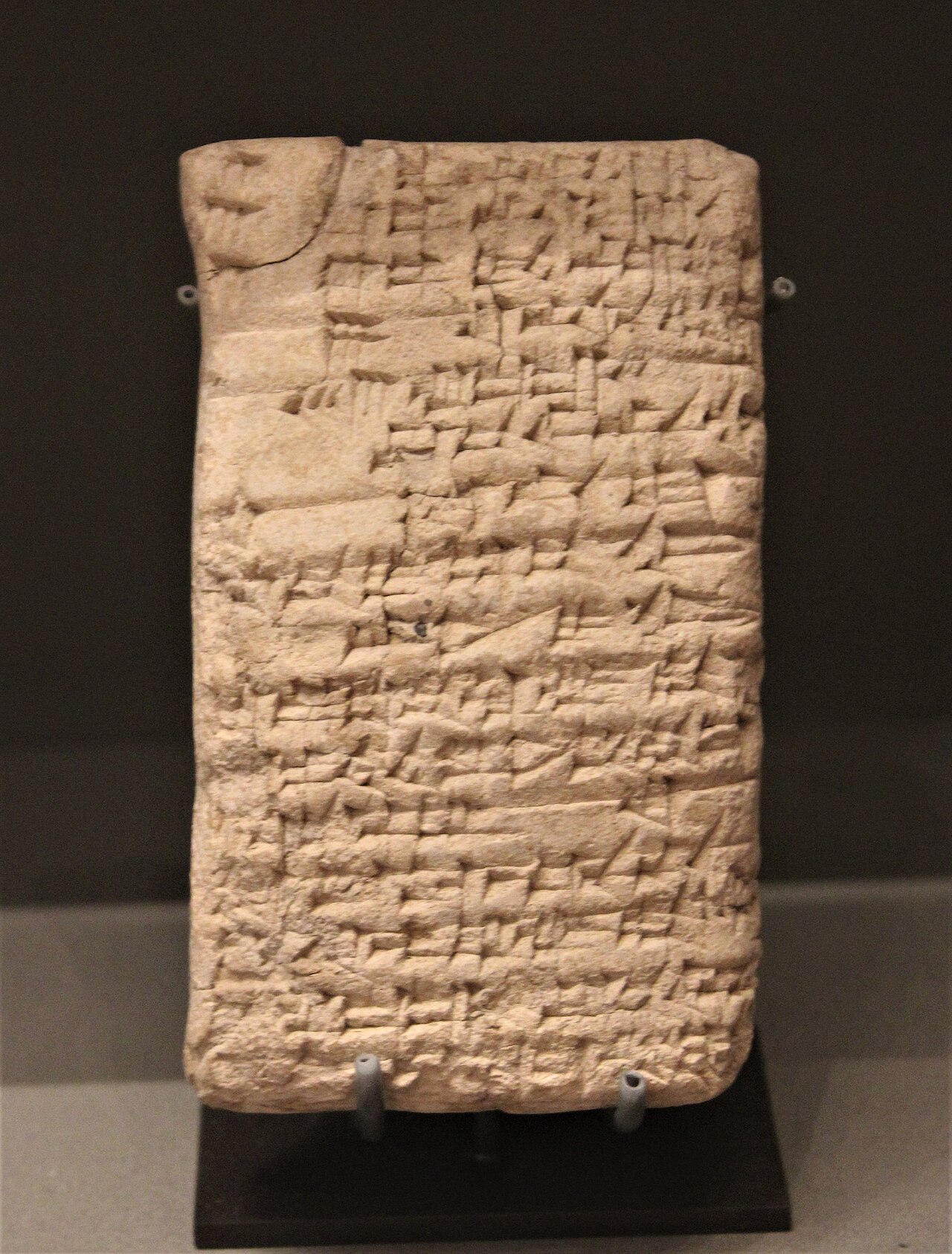
Letter from Hammurabi to Sîn-iddinam
Hammurabi · c. 1792-1750 BCE
 Document
Primary source
List of the year-names of Hammurabi's reign
Old Babylonian period, reign of Hammurabi (c. 1792-1750 BCE)
 Document
Secondary source
Chronicle of Early Kings
Babylonian scribes · c. 6th century BCE copy
Ready when you are
Start chatting with Hammurabi now.
20 messages free · No credit card · Available in 50+ languages.