


Primary sourceBook19th century
Correspondences
Charles Baudelaire · 19th century
A sonnet by Baudelaire on the symbolic links between scents, sounds and colours, later seen as a founding text of Symbolism.
This sonnet is one of Baudelaire's own poems and a key statement of his poetic philosophy.
Free Humy account · No credit card · 120,912 sources to read
About this source
What it is
"Correspondances" (Correspondences) is a sonnet by Charles Baudelaire, part of his poetic work. It describes nature as a kind of temple where sounds, scents and colours answer one another, blending the senses together.
Why it matters
The poem's idea that different senses can correspond and merge—sound calling to colour, scent calling to sound—became a key inspiration for the Symbolist movement in poetry and art later in the 19th century. It shows Baudelaire's interest in how perception and imagination work together to create meaning.
Look closer
- What senses does the poem mix together, and what effect does that create for the reader?
- Why might comparing nature to a temple change how we think about the natural world?
- How might this poem have inspired artists working in other forms, like painting or music?
This book is part of the curated material that grounds the AI version of Charles Baudelaire on Humy.ai — when students ask about related events, the AI can quote it and cite it.
More Charles Baudelaire sources
Browse all 97 →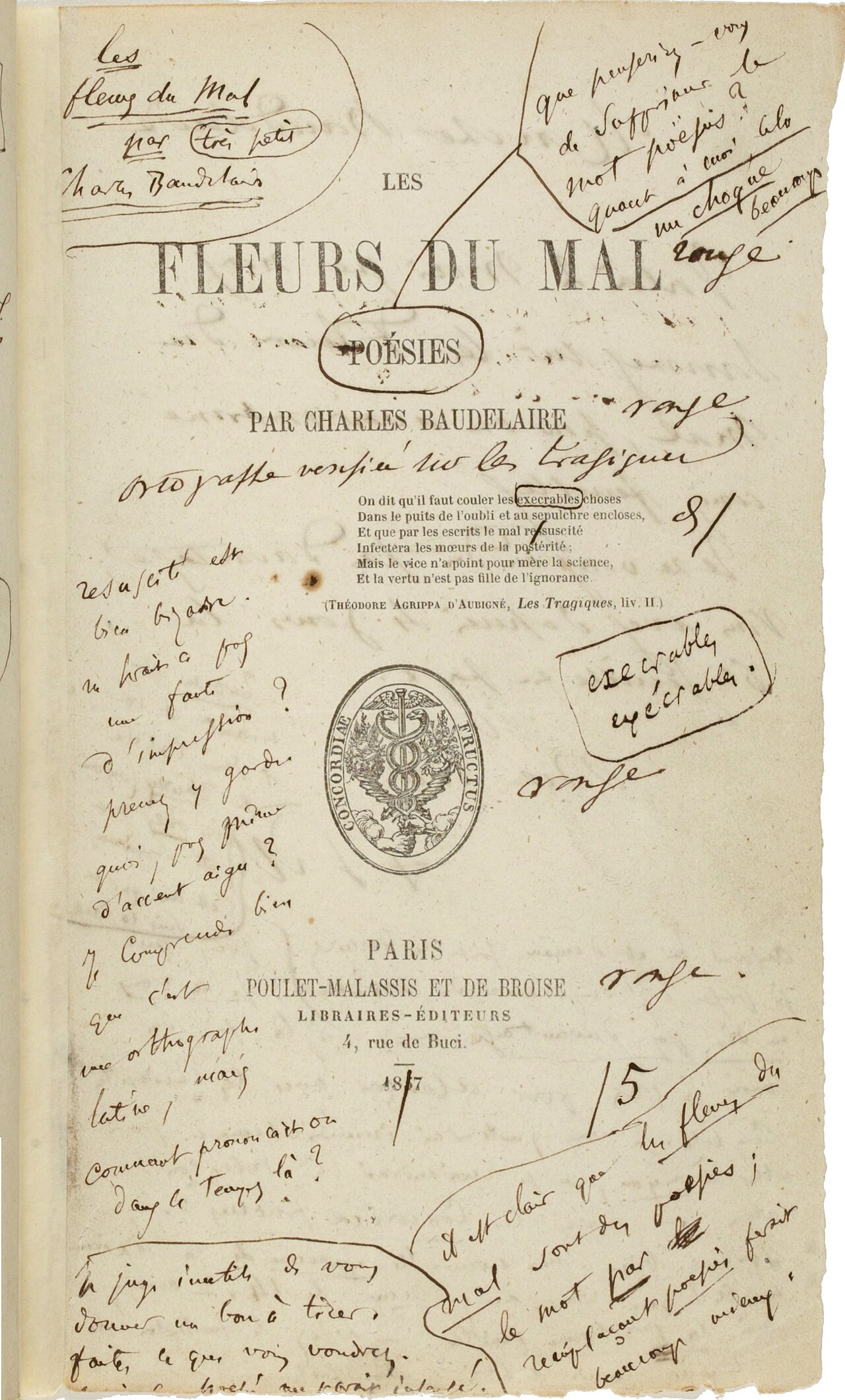 Book
Primary source
Les Fleurs du mal
Charles Baudelaire · 1857 (proof); written 1840–1867
Primary source
Le Peintre de la vie moderne
Charles Baudelaire · 1863 (written c. 1859–1860)
 Book
Primary source
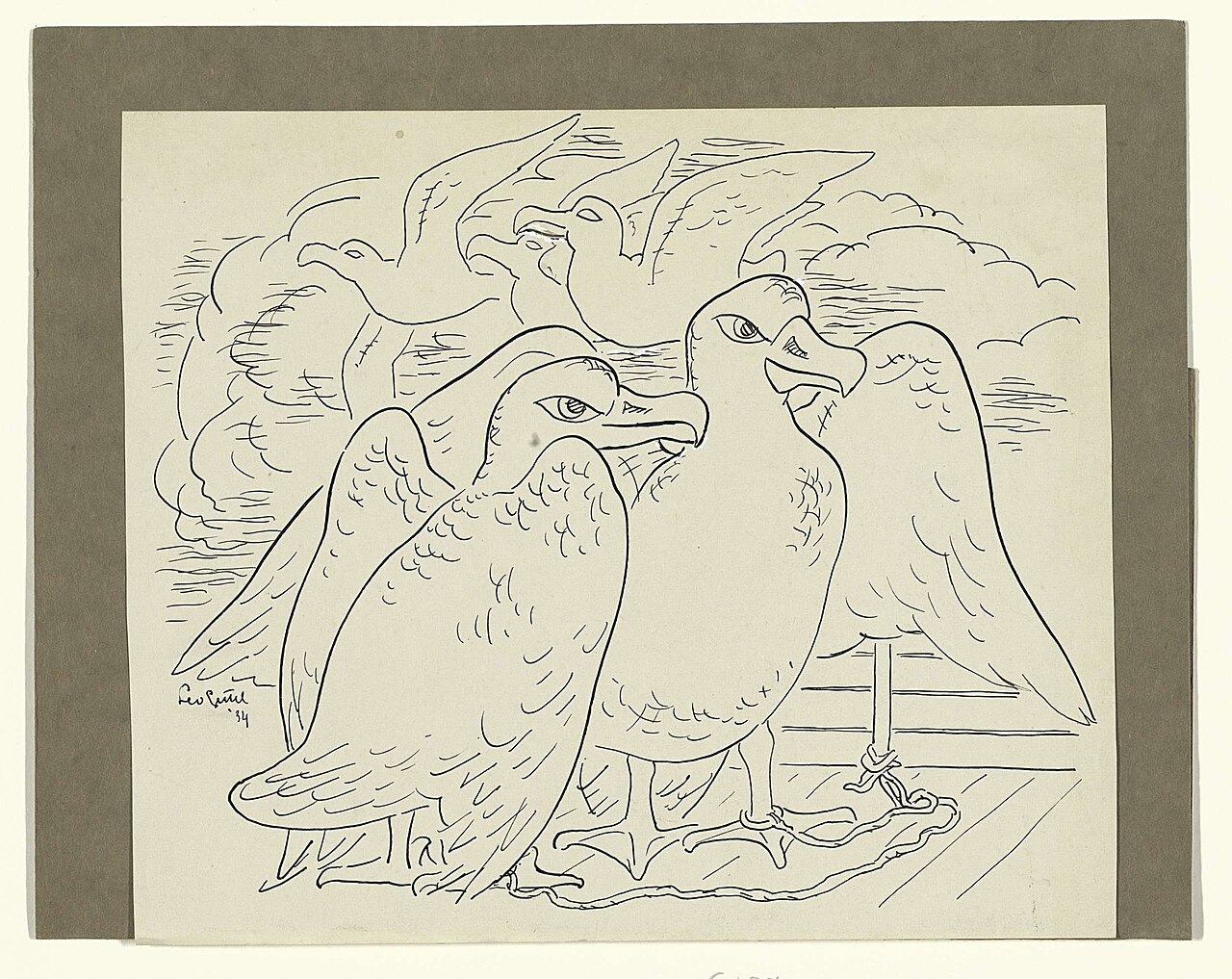
The Albatross
Charles Baudelaire · 1842–1859
 Painting
Secondary source
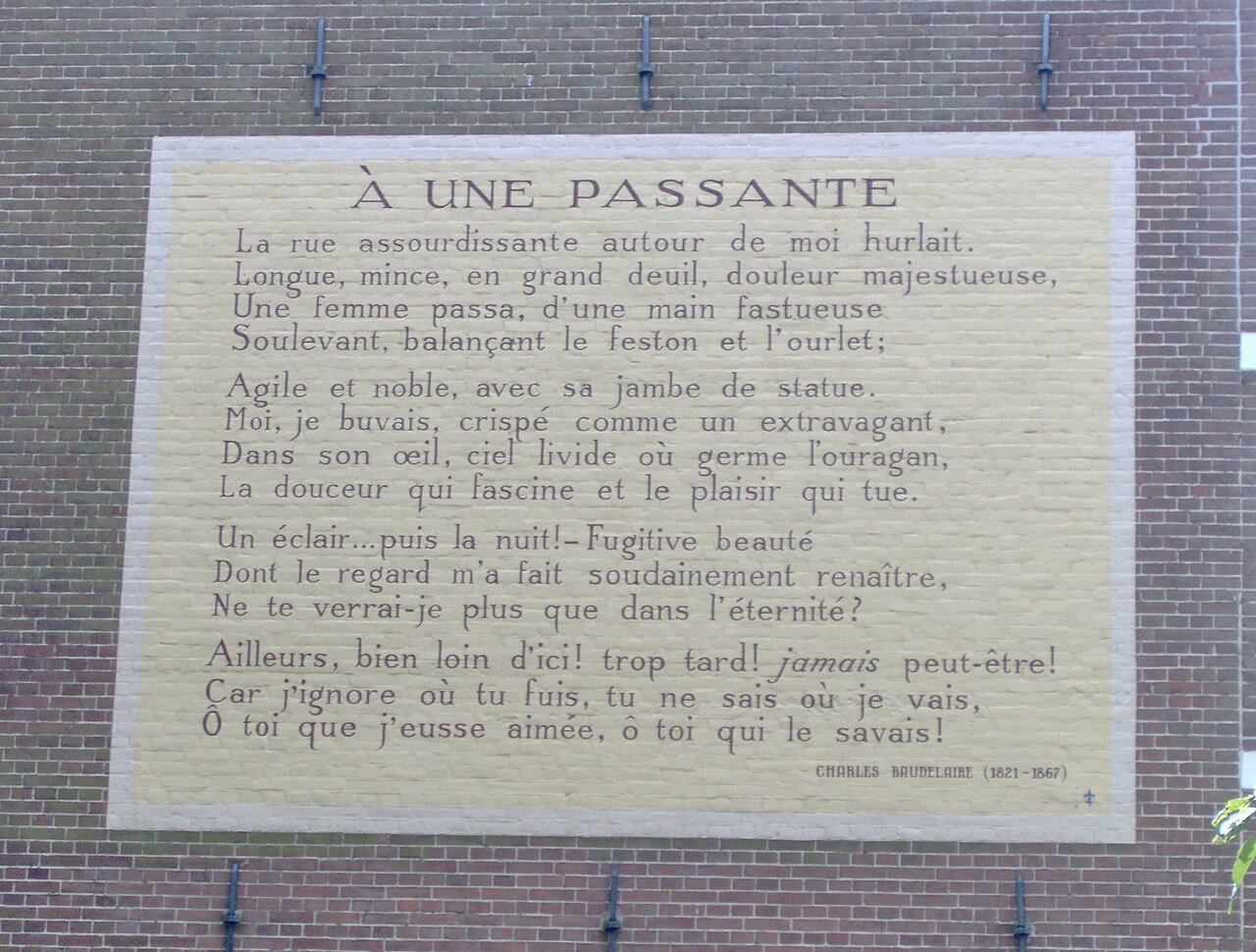
À une passante
Charles Baudelaire · 19th century
Free account
Read every Charles Baudelaire source
Sign up free →
Ready when you are
Start chatting with Charles Baudelaire now.
20 messages free · No credit card · Available in 50+ languages.