


Primary sourceBook1842–1859
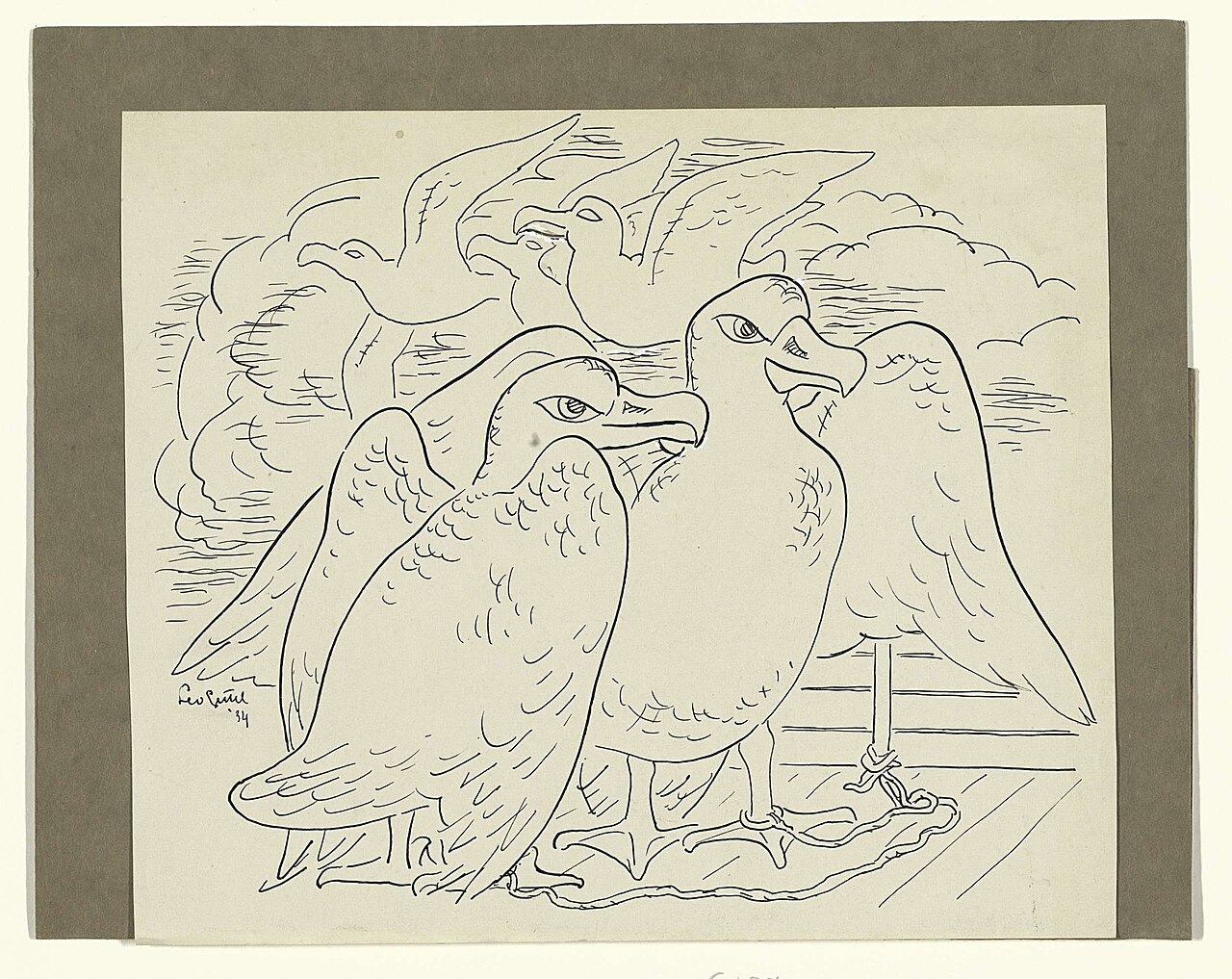
The Albatross
Charles Baudelaire · 1842–1859
A poem by Baudelaire comparing the poet to a captured albatross, mocked and grounded though majestic in flight.
This poem, drawn from Baudelaire's own sea voyage, is one of his most famous statements about the poet's role in society.
Free Humy account · No credit card · 120,912 sources to read
About this source
What it is
"L'Albatros" is a poem by Charles Baudelaire, begun in 1842 and completed in 1859, when it was first published. It later appeared in the second edition of Les Fleurs du mal in 1861. The poem was inspired by a real sea voyage Baudelaire took to Bourbon Island (now Réunion) in 1841, forced on him by his stepfather.
Why it matters
Sailors sometimes captured albatrosses for amusement, mocking the birds once grounded despite their grace in flight. Baudelaire used this image as an allegory for the poet: noble and free when creating, but awkward and ridiculed when forced into ordinary society. The poem became one of the clearest statements of the idea of the poète maudit, the misunderstood artist.
Look closer
- Why might Baudelaire have chosen an albatross rather than a more traditional noble bird like an eagle?
- What does the sailors' cruelty toward the bird suggest about how Baudelaire saw society's treatment of artists?
- Do you think the comparison between poet and bird is too direct, as some critics say, or does it still work as poetry?
This book is part of the curated material that grounds the AI version of Charles Baudelaire on Humy.ai — when students ask about related events, the AI can quote it and cite it.
More Charles Baudelaire sources
Browse all 97 →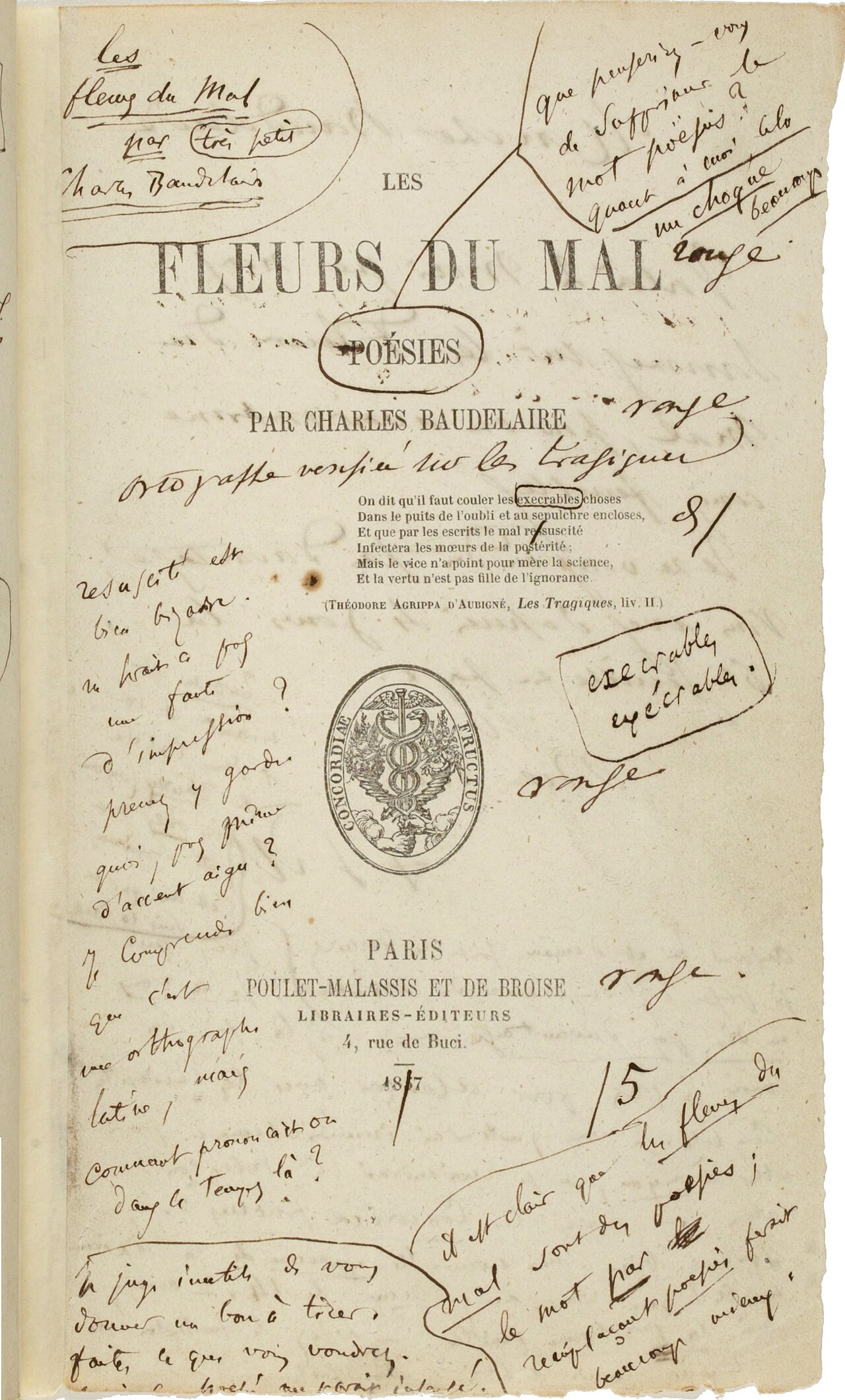 Book
Primary source
Les Fleurs du mal
Charles Baudelaire · 1857 (proof); written 1840–1867
Primary source
Le Peintre de la vie moderne
Charles Baudelaire · 1863 (written c. 1859–1860)
Primary source
Correspondences
Charles Baudelaire · 19th century
 Painting
Secondary source
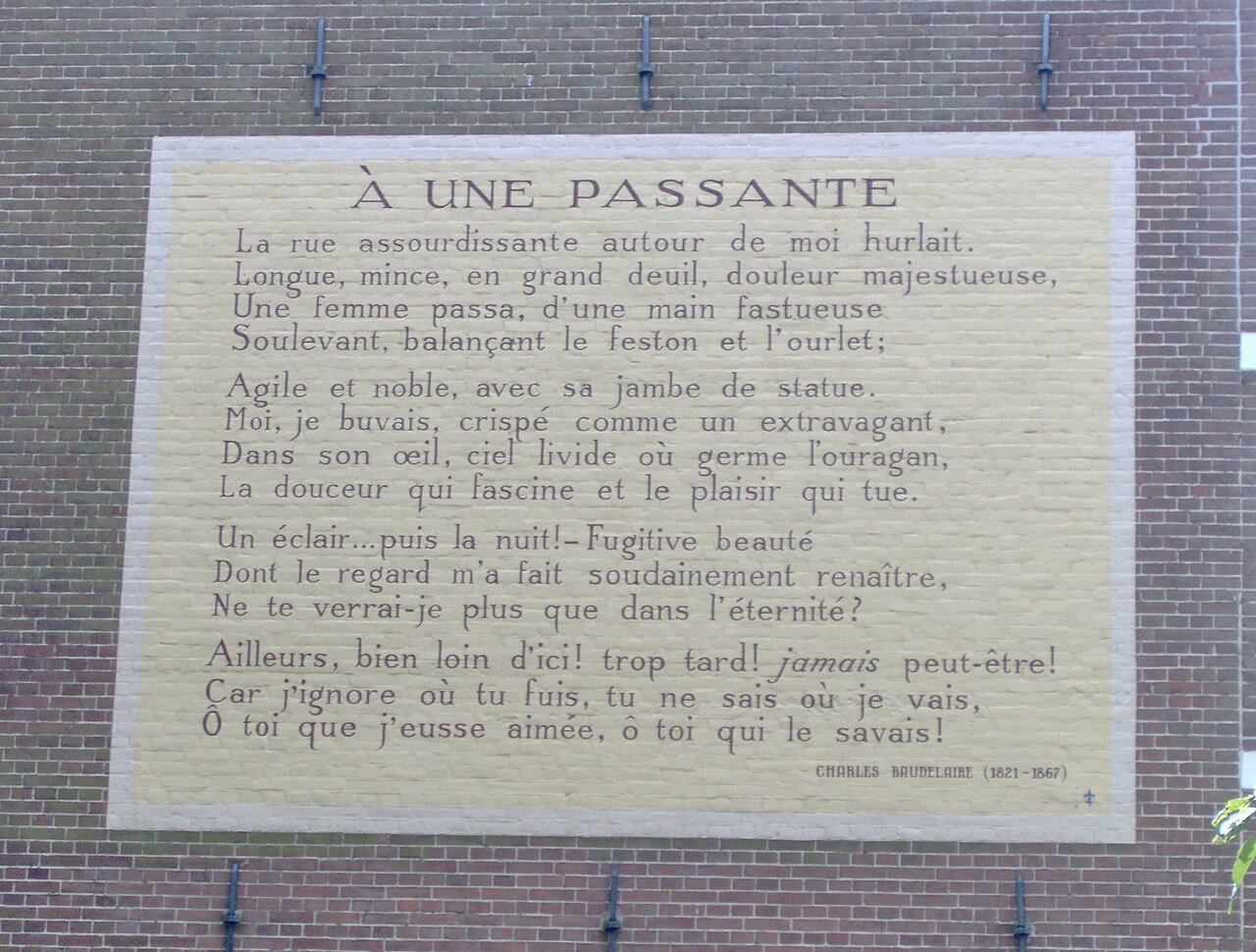
À une passante
Charles Baudelaire · 19th century
Free account
Read every Charles Baudelaire source
Sign up free →
Ready when you are
Start chatting with Charles Baudelaire now.
20 messages free · No credit card · Available in 50+ languages.