


Primary sourceDocument1863 (written c. 1859–1860)
Le Peintre de la vie moderne
Charles Baudelaire · 1863 (written c. 1859–1860)
Baudelaire's 1863 essay on the painter Constantin Guys, in which he defined 'modernité' and the figure of the flâneur.
This essay is Baudelaire's own critical statement on modern art, central to his thinking as a critic.
Free Humy account · No credit card · 120,912 sources to read
About this source
What it is
"The Painter of Modern Life" is an essay by Charles Baudelaire, written around 1859–1860 and published in three parts in the newspaper Le Figaro in 1863. It focuses on the artist Constantin Guys as an example of how an artist can capture the fleeting nature of modern life.
Why it matters
The essay introduced the idea of 'modernité'—the transitory, fugitive, contingent quality of contemporary life—and the figure of the flâneur, the urban observer who wanders the city watching it change. It encouraged young artists to move away from academic traditions and find new ways to depict the modern world, influencing how art and literature approached city life for decades.
Look closer
- Why might Baudelaire have chosen a lesser-known illustrator, rather than a famous painter, to make his argument about modern art?
- What does the idea of the 'flâneur' suggest about how Baudelaire himself observed Paris?
- How might defining 'modern beauty' as fleeting change what artists choose to paint or write about?
This document is part of the curated material that grounds the AI version of Charles Baudelaire on Humy.ai — when students ask about related events, the AI can quote it and cite it.
More Charles Baudelaire sources
Browse all 97 →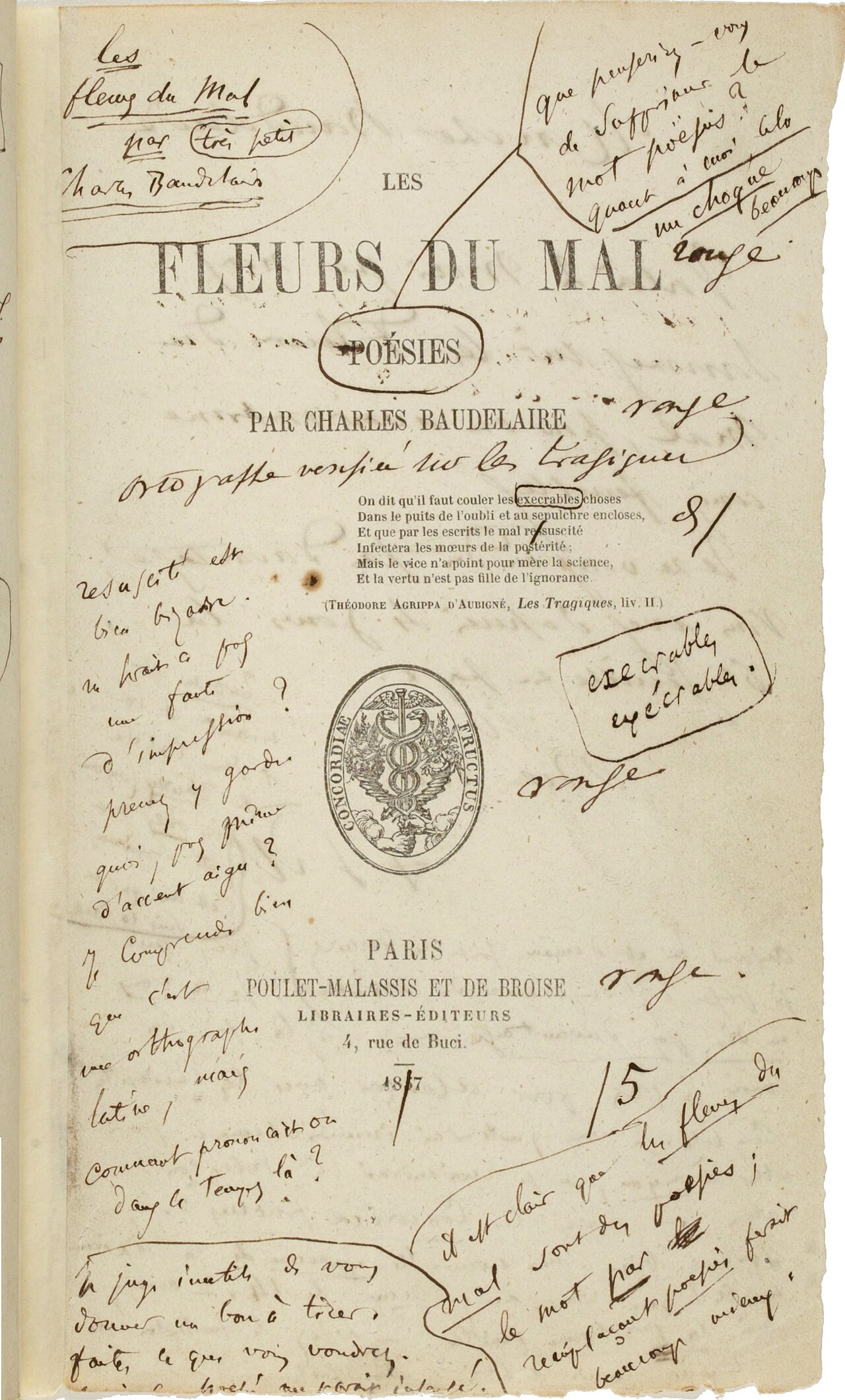 Book
Primary source
Les Fleurs du mal
Charles Baudelaire · 1857 (proof); written 1840–1867
 Book
Primary source
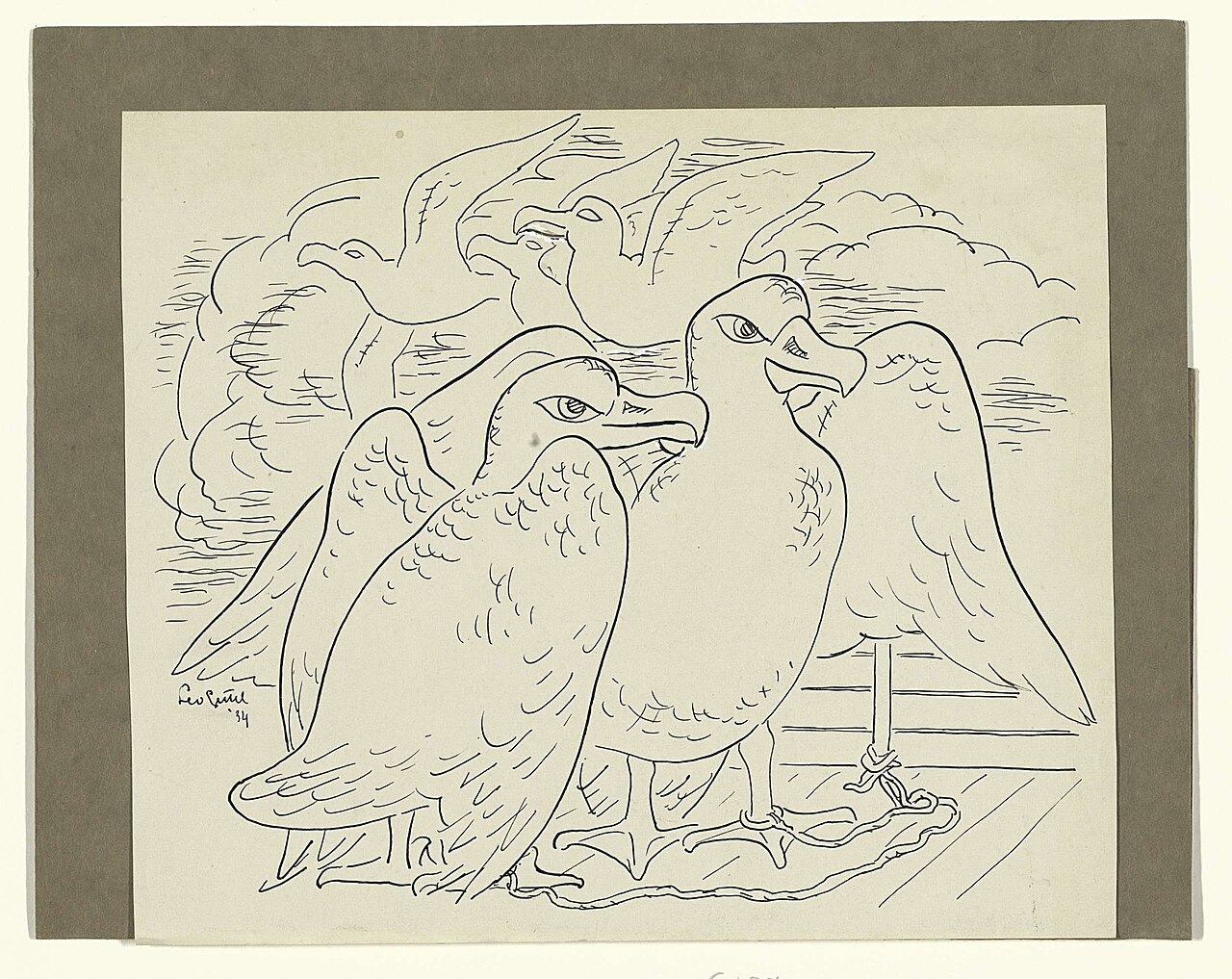
The Albatross
Charles Baudelaire · 1842–1859
Primary source
Correspondences
Charles Baudelaire · 19th century
 Painting
Secondary source
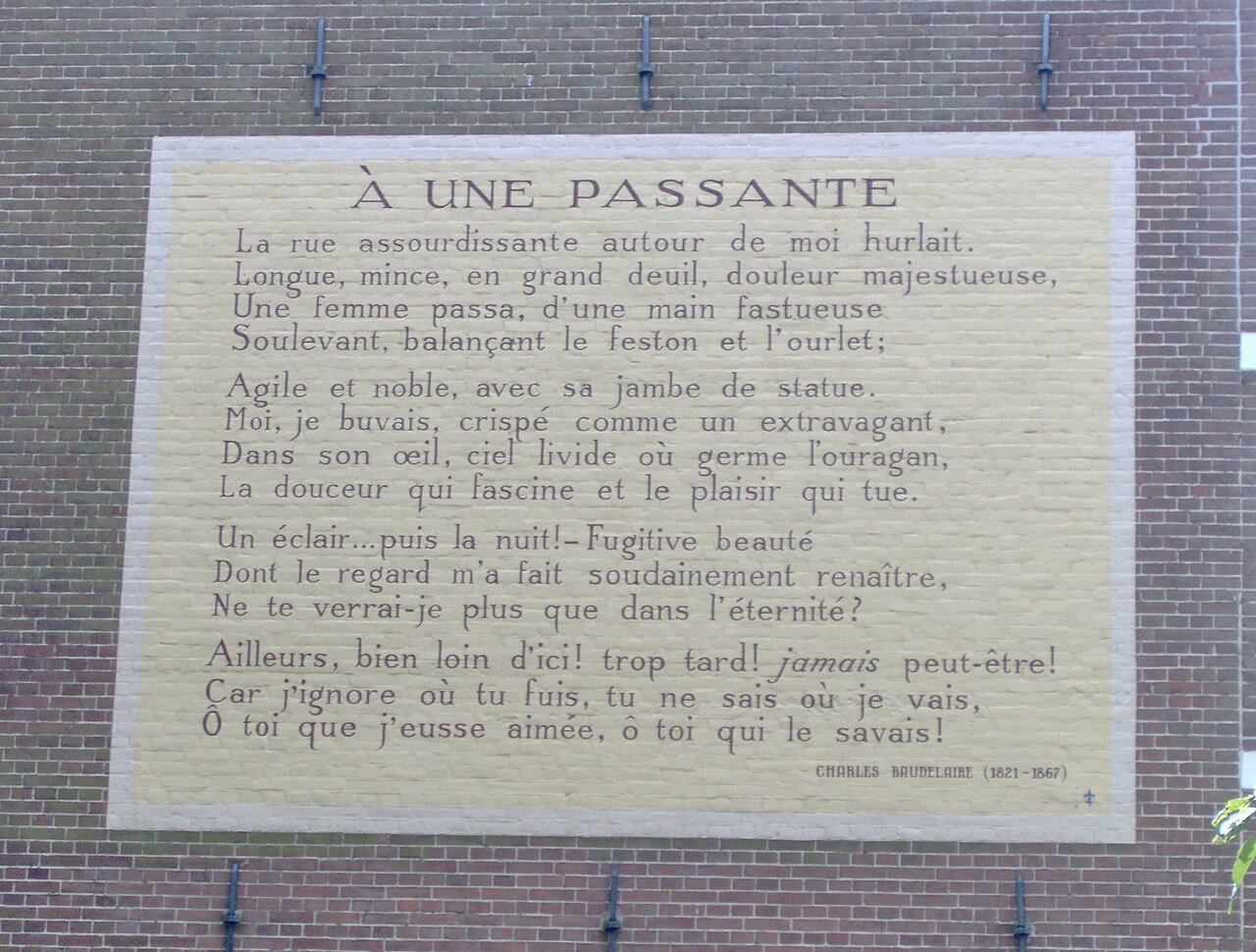
À une passante
Charles Baudelaire · 19th century
Free account
Read every Charles Baudelaire source
Sign up free →
Ready when you are
Start chatting with Charles Baudelaire now.
20 messages free · No credit card · Available in 50+ languages.