


Primary sourceArtifact
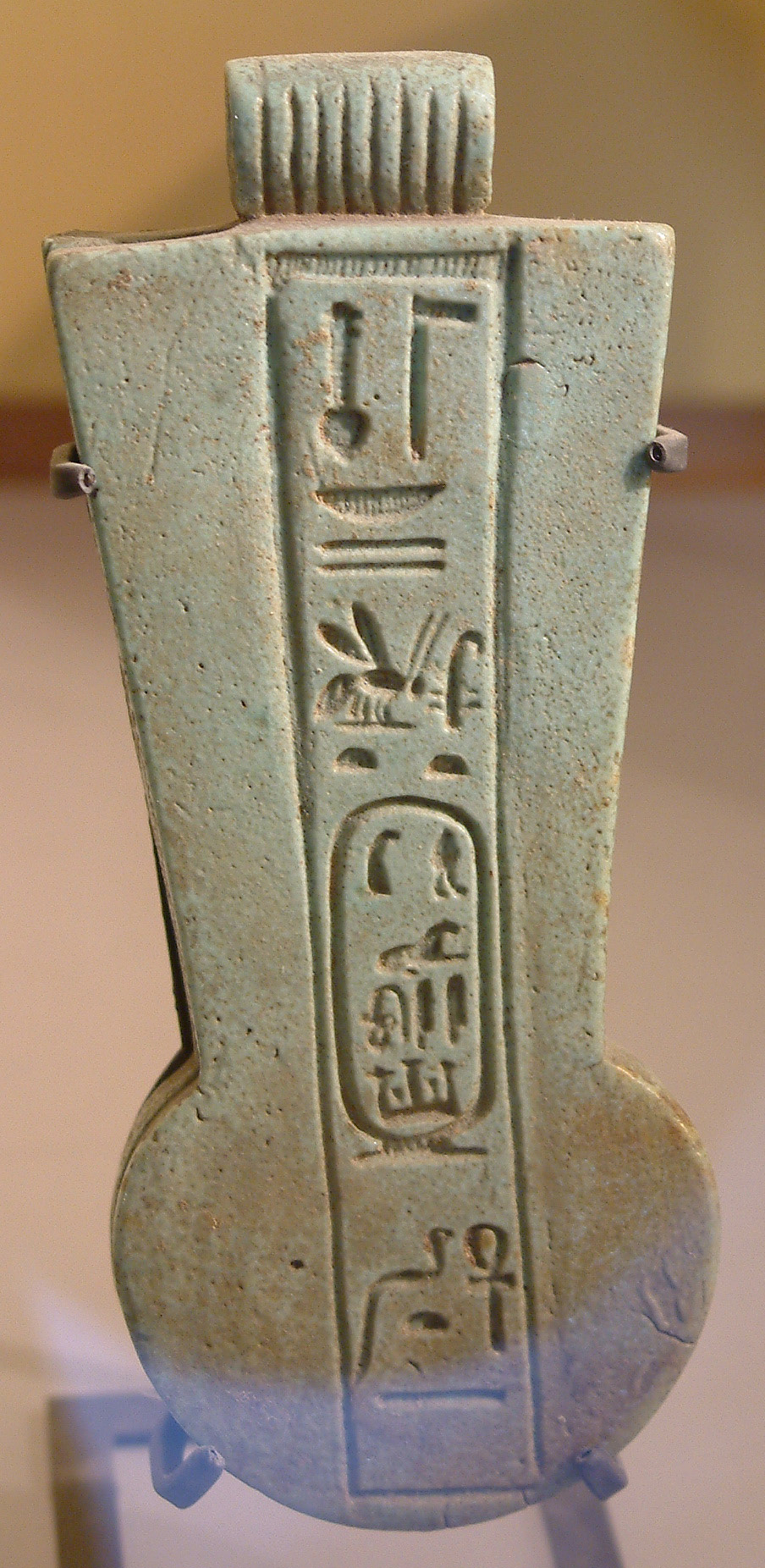
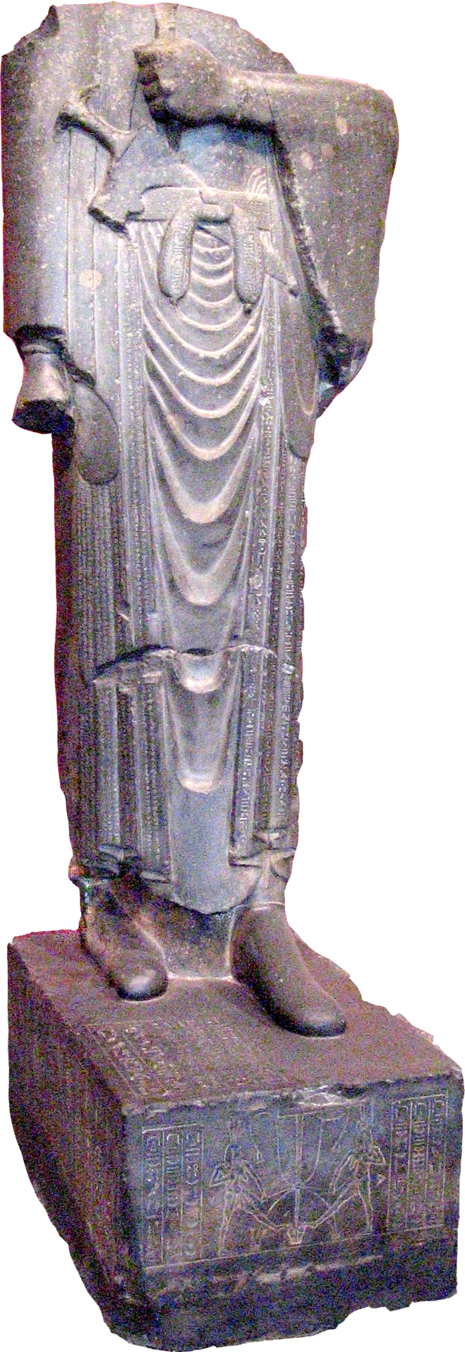
Counterpoise Amulet of Pharaoh Darius I
An Egyptian faience amulet naming Darius I as pharaoh, held in the Louvre.
This amulet bears Darius I's name as pharaoh, showing his rule over Egypt as part of his empire.
About this source
What it is
This small faience amulet, photographed in July 2004, is inscribed with hieroglyphs naming Darius I as pharaoh-king. It is held in the Musée du Louvre and is shaped as a counterpoise, a type of pendant often worn as part of ancient Egyptian jewelry.
Why it matters
Darius I ruled Egypt as part of the vast Achaemenid Empire, and objects like this amulet show how he adopted Egyptian royal titles and symbols, including the cartouche and the ankh, to present himself as a legitimate pharaoh to his Egyptian subjects. It reveals how Achaemenid rulers blended local traditions into their rule over conquered lands.
Look closer
- Why might a Persian king want to be shown using Egyptian symbols like the cartouche and ankh?
- What does this object suggest about how Darius I governed different peoples within his empire?
- What questions does this small object raise about everyday religious or court life under Darius I?
This artifact is part of the curated material that grounds the AI version of Darius the Great on Humy.ai — when students ask about related events, the AI can quote it and cite it.
More Darius the Great sources
Meet the AI Darius the Great →

Ready when you are
Start chatting with Darius the Great now.
20 messages free · No credit card · Available in 50+ languages.