


Primary sourceArtifact17th century
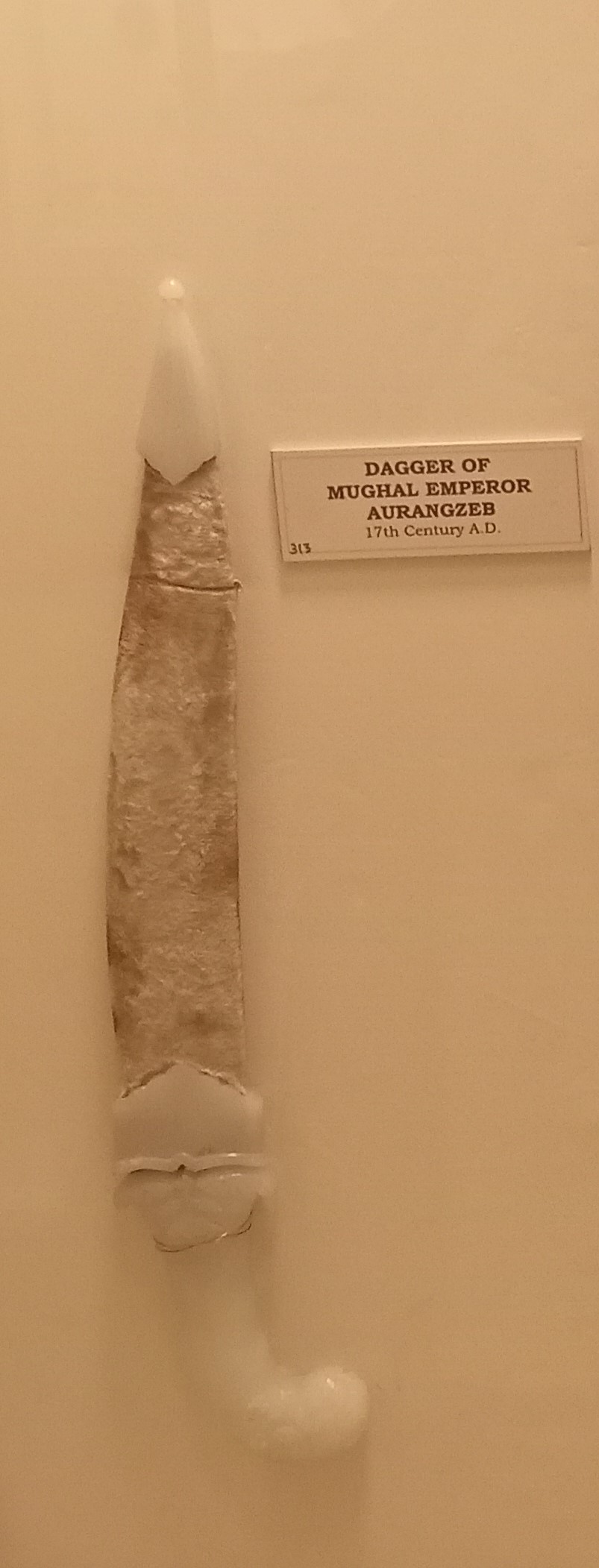
Dagger of Aurangzeb
17th century
A white jade-hilted dagger from the 17th century attributed to Aurangzeb, displayed at the Salar Jung Museum.
This jade-hilted dagger is attributed to Aurangzeb, representing the luxury arms of the Mughal court he ruled.
About this source
What it is
This is a dagger with a pale, possibly jade, hilt and a long blade, dated to the 17th century and labelled in its museum display as belonging to the Mughal emperor Aurangzeb. It is held at the Salar Jung Museum.
Why it matters
Weapons like this were not only practical but also status objects at the Mughal court, often made with costly materials such as jade. An object linked to Aurangzeb shows the kind of luxury arms that surrounded even an emperor known for austere personal habits.
Look closer
- Why might an emperor own a finely decorated weapon rather than a plain one?
- What does the choice of jade for the hilt suggest about its purpose — practical use or display?
- How confident can we be in a museum label's attribution of ownership to a specific historical figure?
This artifact is part of the curated material that grounds the AI version of Aurangzeb on Humy.ai — when students ask about related events, the AI can quote it and cite it.
More Aurangzeb sources
Meet the AI Aurangzeb →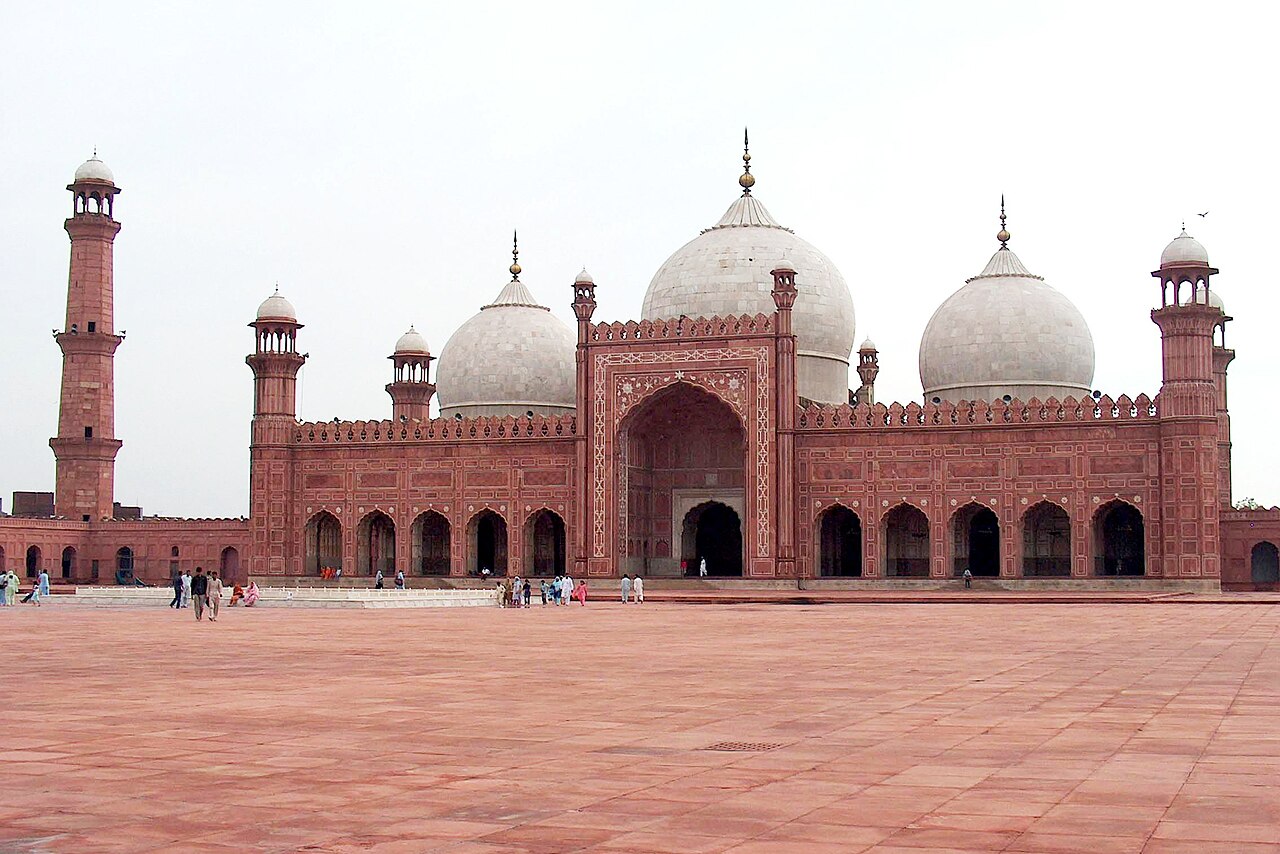 Artifact
Primary source
Badshahi Mosque
1671–1673
 Document
Primary source
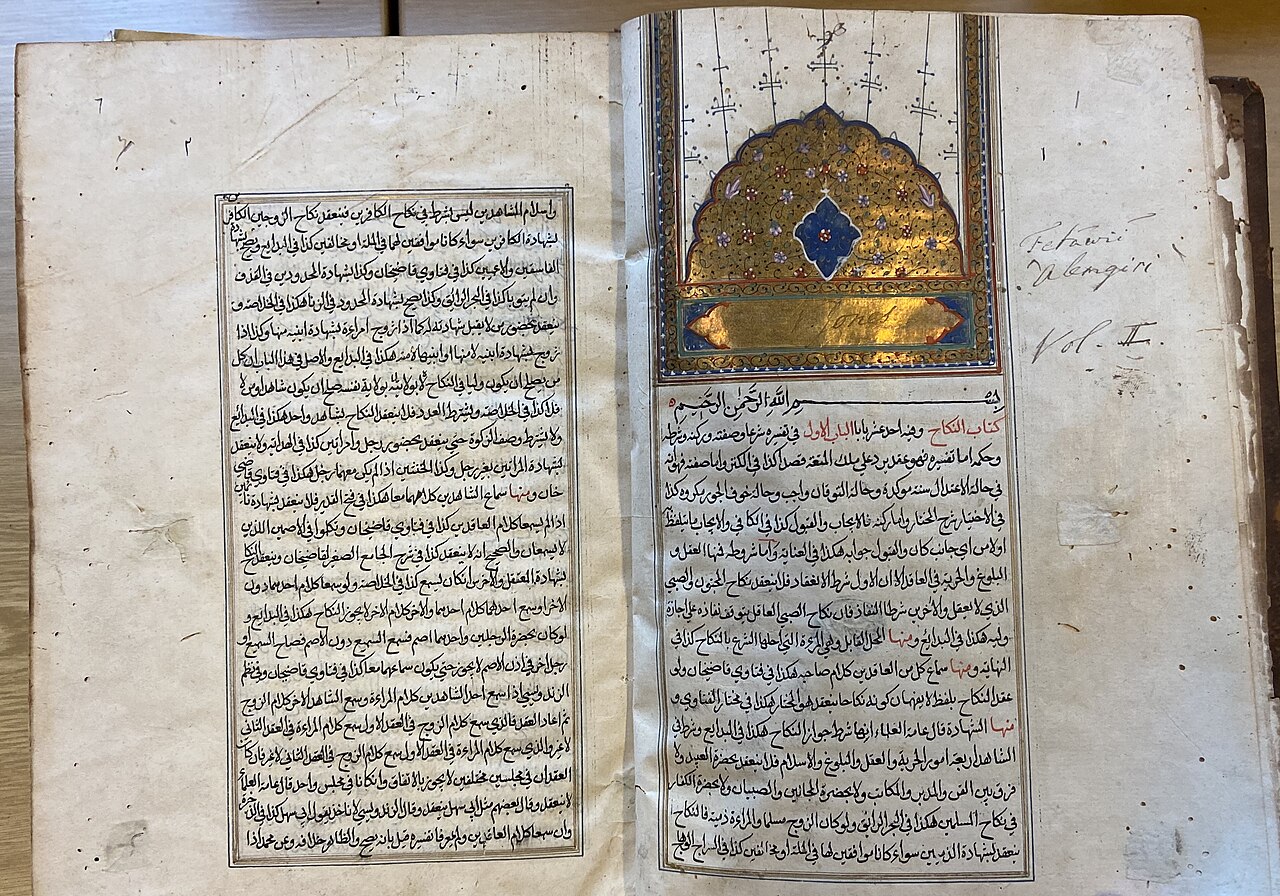
Fatawa-i Alamgiri Manuscript
17th century (this copy later recopied)
 Book
Secondary source
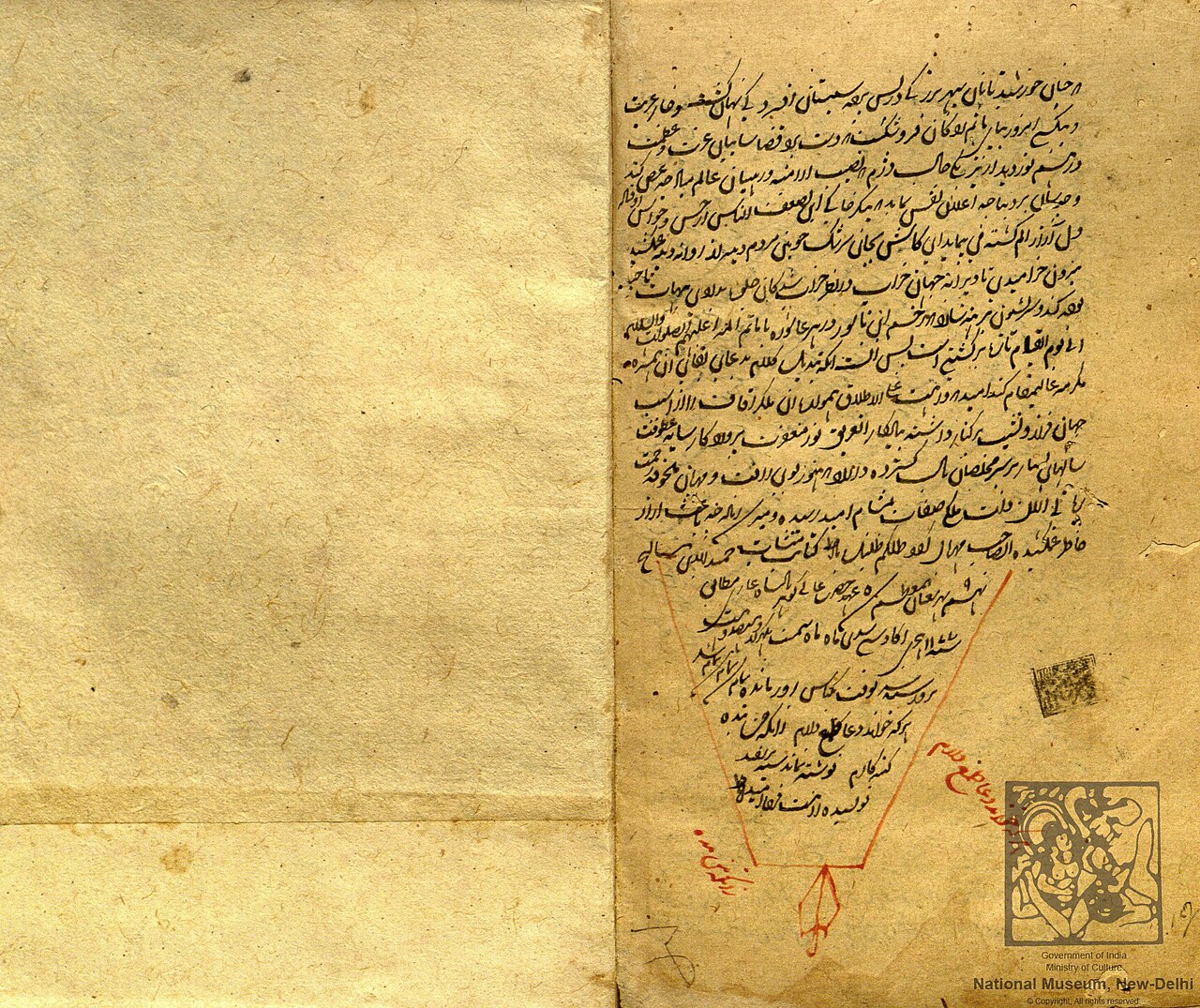
Maasir-i-Alamgiri
Saqi Musta'id Khan · c. 1710 (this copy 1763-1764)
Primary source
Ruka'at-i-Alamgiri
Aurangzeb · 17th century
 Letter
Primary source
Zafarnamah
Guru Gobind Singh · 1705
Ready when you are
Start chatting with Aurangzeb now.
20 messages free · No credit card · Available in 50+ languages.