


Secondary sourceBook
Daodejing jie (Commentary on the Daodejing attributed to Lü Zhenren)
Lü Zhenren
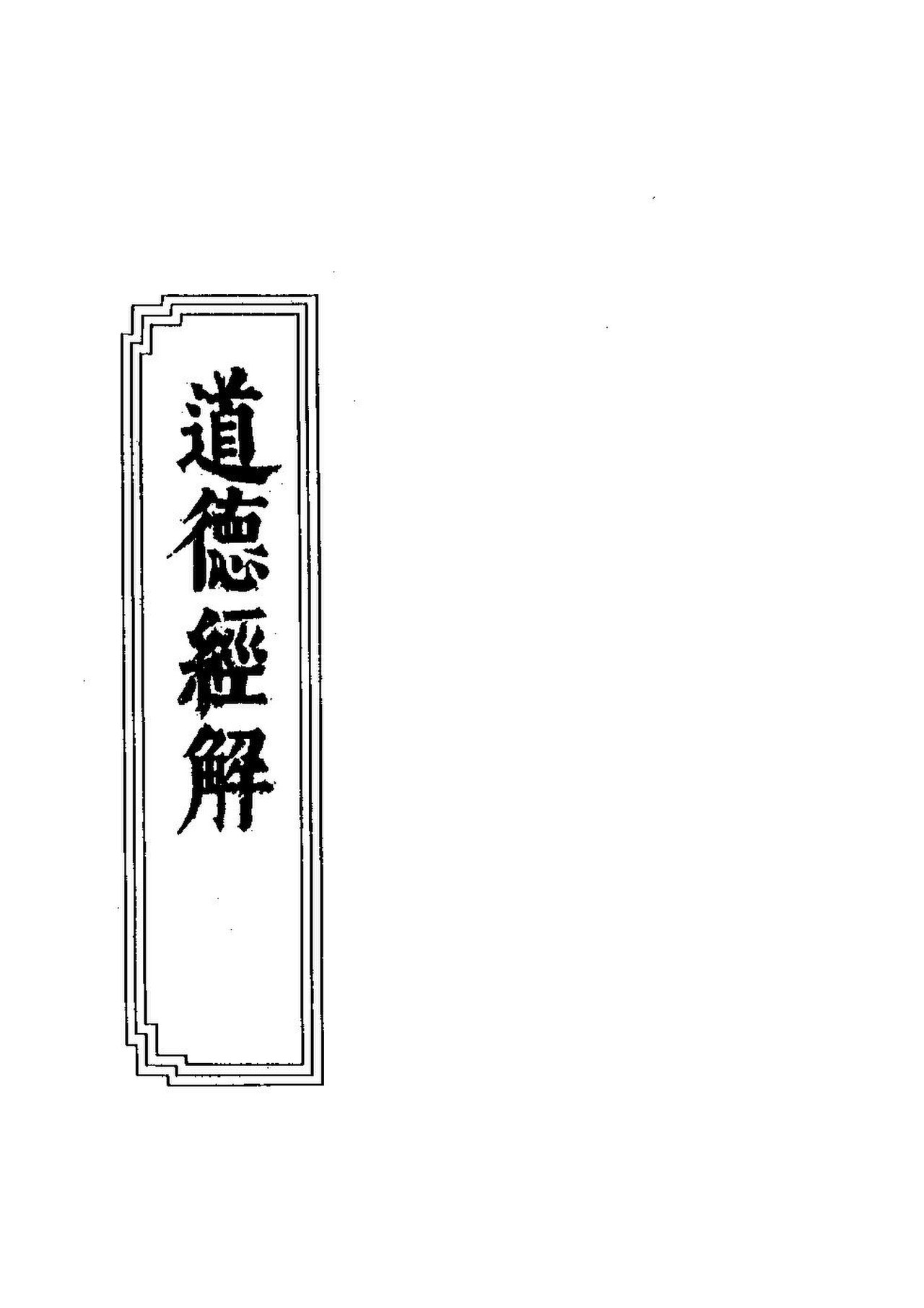
The title page of a Chinese book, Daodejing jie, names Lü Zhenren as commentator on the Daodejing. This is a 2019 digital scan of a traditional edition.
A later commentary on the Daodejing, the text traditionally linked to Laozi, showing how his teachings were studied and explained afterward.
About this source
What it is
This is the title page of a Chinese book, Daodejing jie, shown as a 2019 digital scan of a traditional edition. Three large black brush characters, 道德經解 (Daodejing jie), sit inside a stepped border on a white background. The title page also names 唐呂真人 (Lü Zhenren) as the commentator. The facts do not give the date when the commentary was first written, and the 2019 date refers to the scan, not to the book itself.
Why it matters
The Daodejing is the central text traditionally linked to Laozi, and later Taoist scholars wrote commentaries to explain it. This edition is a later work that interprets the text attributed to Laozi, so it shows how readers understood his ideas in later centuries. It reveals the commentator and the readers who studied and copied the book, rather than Laozi's own voice.
Look closer
- What does the title page tell you about the book, and what does it not tell you?
- Why would a commentator write an explanation of an older text?
- Since this is a digital scan, what might be lost or changed compared with the printed original?
This book is part of the curated material that grounds the AI version of Laozi on Humy.ai — when students ask about related events, the AI can quote it and cite it.
More Laozi sources
Meet the AI Laozi →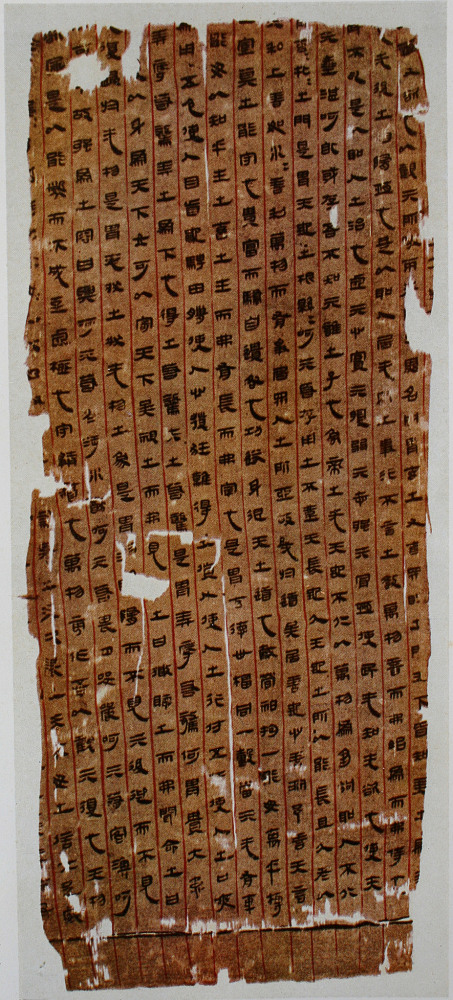 Book
Secondary source
Tao Te Ching
Laozi · c. 4th-3rd century BCE
 Artifact
Primary source
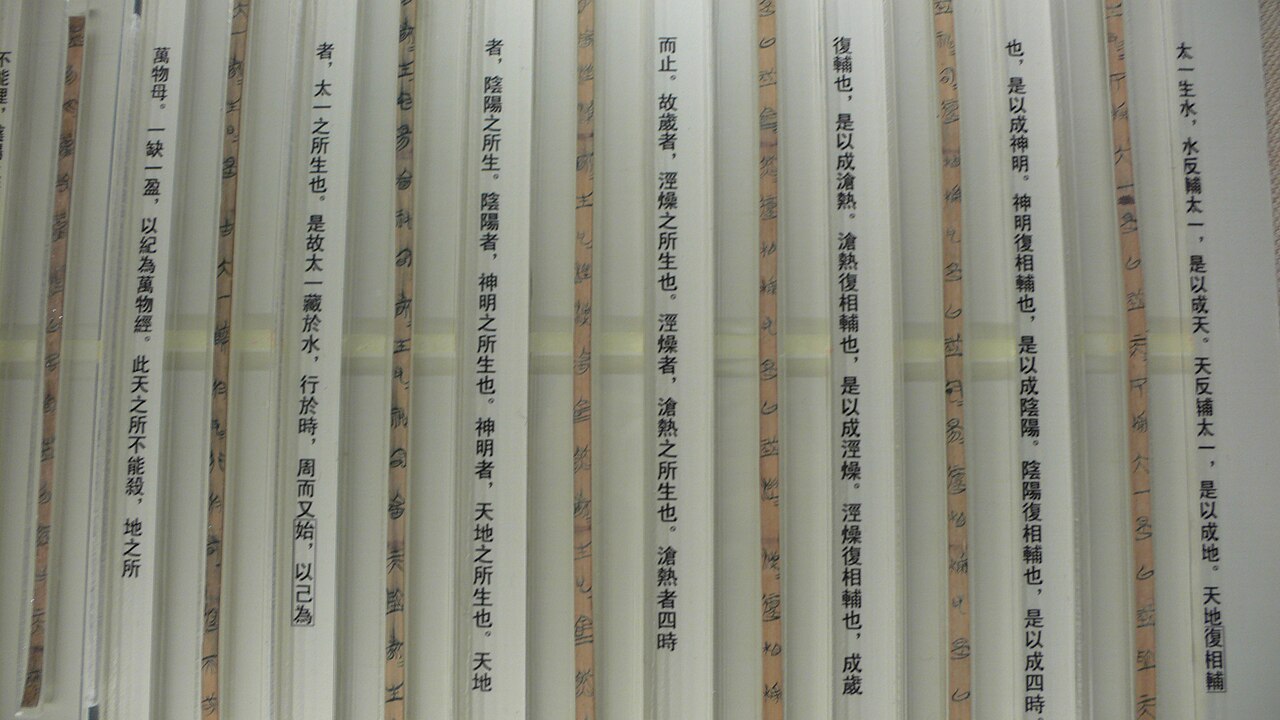
Bamboo Texts of Guodian
c. 300 BCE
 Book
Primary source
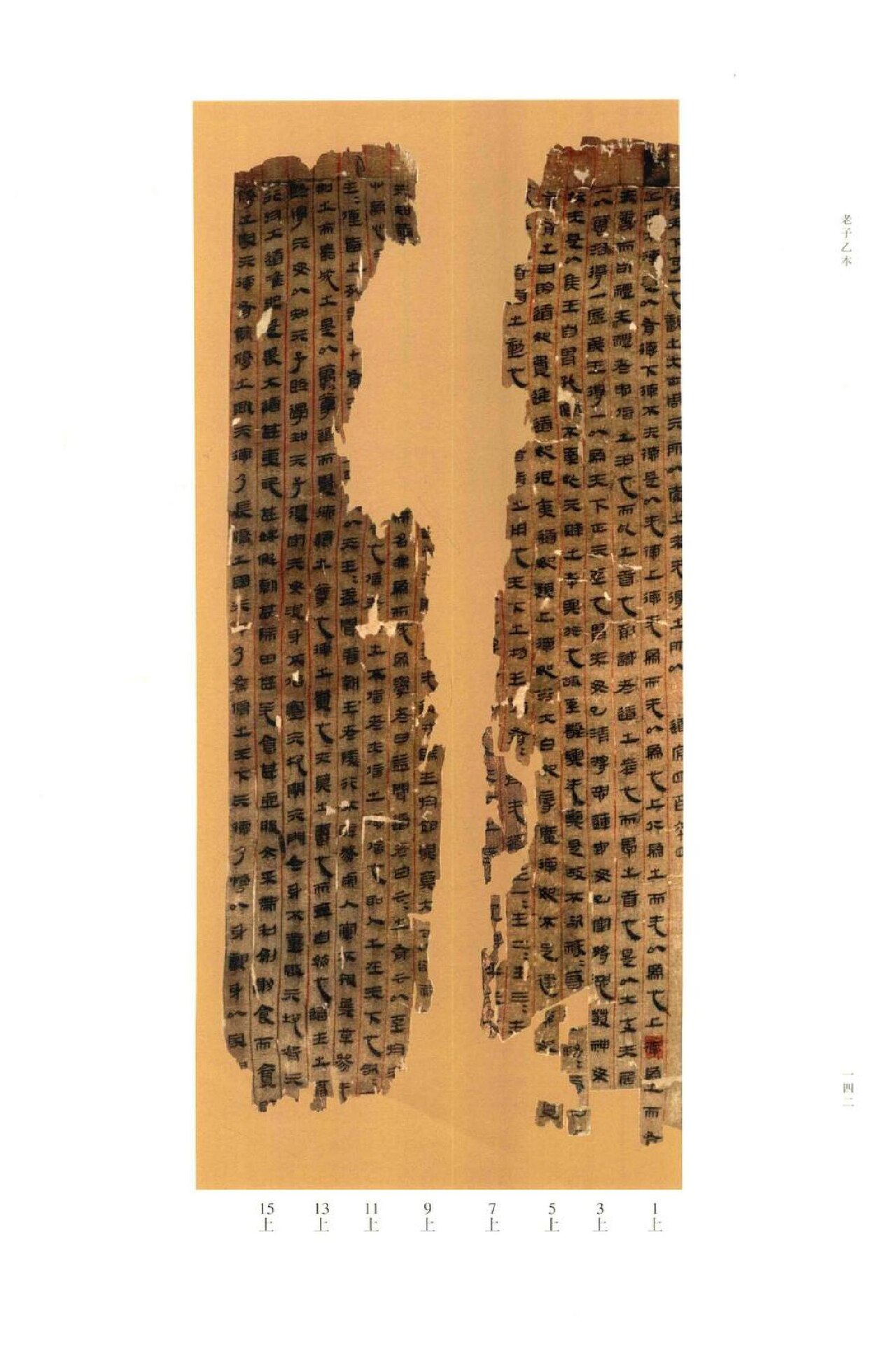
Mawangdui Silk Texts of the Laozi
Anonymous Han scribes · c. 200-168 BCE
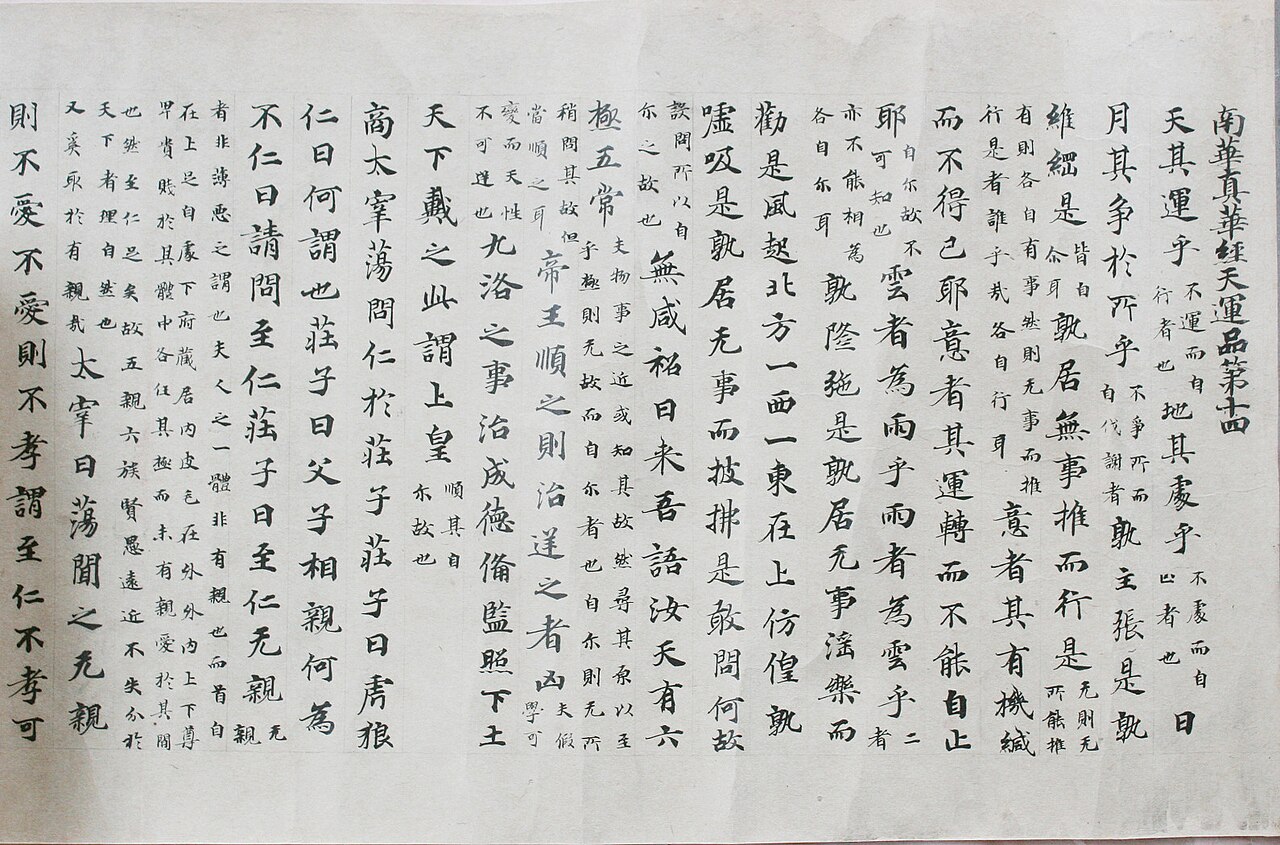 Book
Secondary source
Zhuangzi
Zhuang Zhou · c. 300 BCE
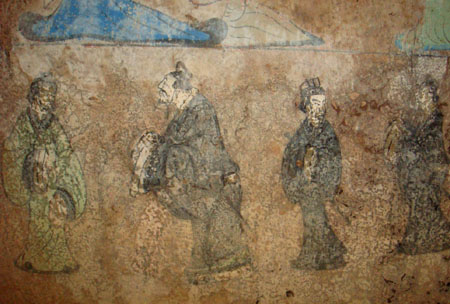 Painting
Secondary source
Confucius and Laozi fresco, Dongping tomb
Anonymous Chinese painter of the Western Han period · Western Han period, c. 2000 years old
Ready when you are
Start chatting with Laozi now.
20 messages free · No credit card · Available in 50+ languages.