


Primary sourceArtifact521-486 BCE
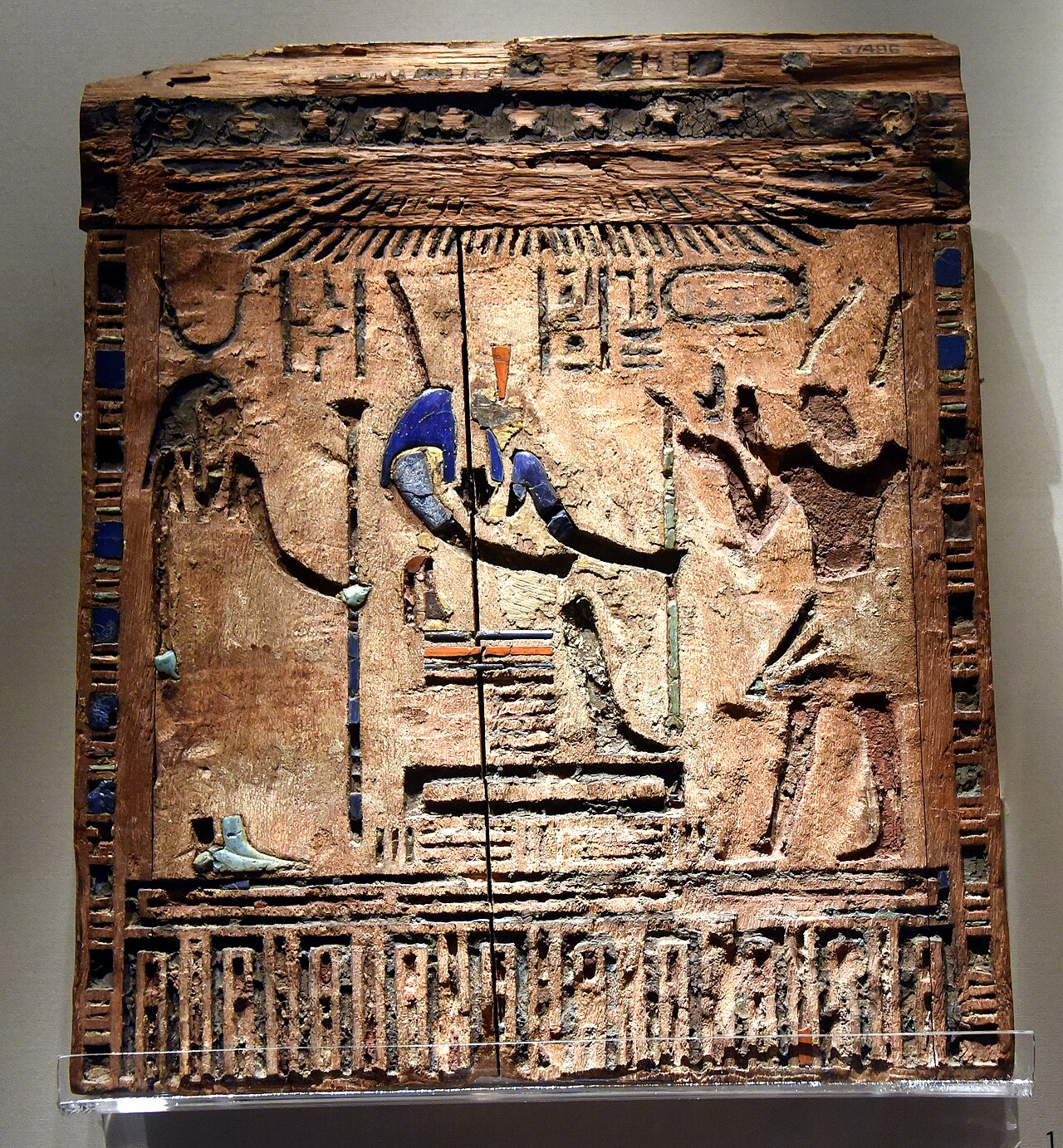
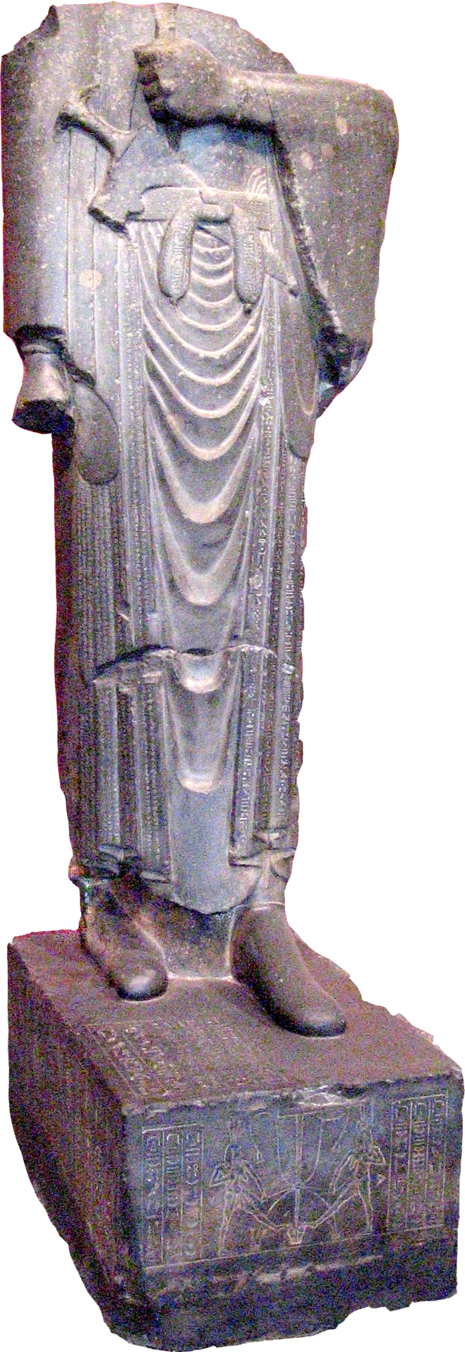
Darius I Dressed as an Egyptian Pharaoh, Making an Offering to Anubis
521-486 BCE
A carved and inlaid wooden door panel from a shrine showing Darius I as pharaoh offering to the Egyptian gods Anubis and Isis.
Darius I is shown here as an Egyptian pharaoh, revealing how he presented his rule to his Egyptian subjects.
About this source
What it is
This is a wooden door panel, inlaid with blue and polychrome glass, from a naos (a shrine for a cult image) made during the 27th Dynasty of Egypt, when Egypt was ruled by the Achaemenid Persian kings, around 521-486 BCE. It shows Darius I depicted as pharaoh, making an offering to the Egyptian god Anubis, with the goddess Isis standing behind. Darius's cartouche appears in the carving. It is now held in the British Museum, London.
Why it matters
The panel shows how Darius I, a Persian emperor, chose to be shown to his Egyptian subjects: not as a foreign conqueror but in the traditional form of an Egyptian pharaoh, worshipping Egyptian gods. This reveals how Achaemenid rulers adapted their image to fit local traditions in each part of their vast empire.
Look closer
- Why might Darius have wanted to be shown as an Egyptian pharaoh rather than in Persian dress?
- What does the choice of Egyptian gods and hieroglyphs tell you about how empires manage different peoples?
- What does this object not tell us about how Egyptians themselves felt about Persian rule?
This artifact is part of the curated material that grounds the AI version of Darius the Great on Humy.ai — when students ask about related events, the AI can quote it and cite it.
More Darius the Great sources
Meet the AI Darius the Great →

Ready when you are
Start chatting with Darius the Great now.
20 messages free · No credit card · Available in 50+ languages.