


Primary sourceArtifact6th-5th century BC (photographed 2002)
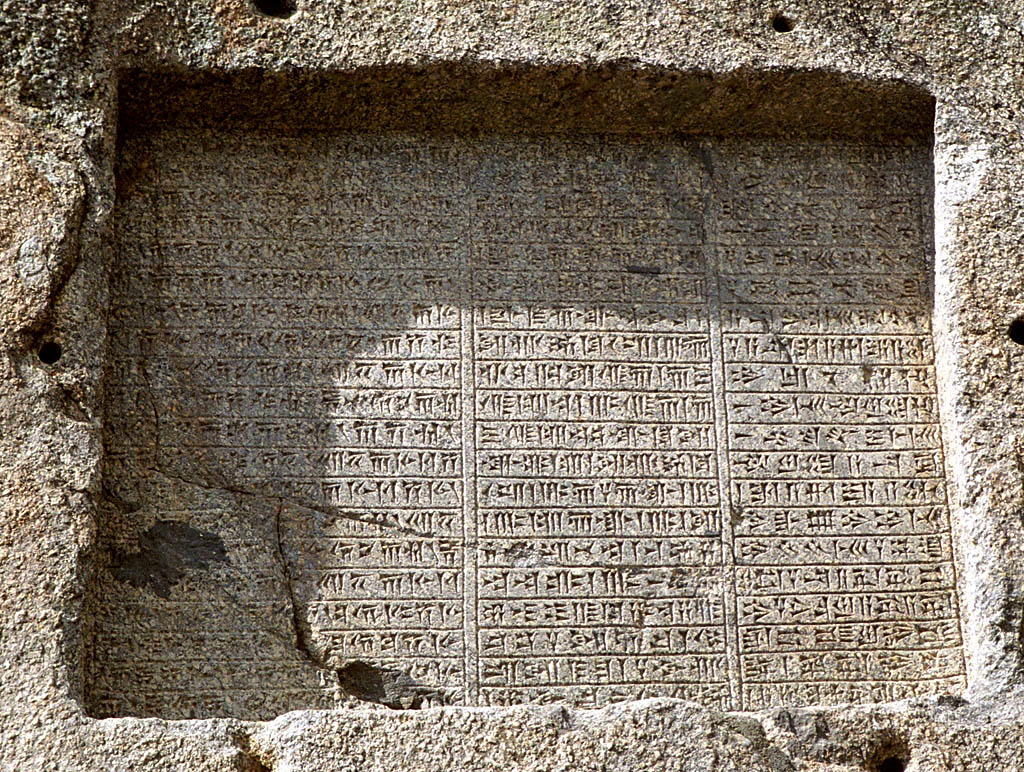
Darius I Trilingual Inscription at Ganj Nameh
6th-5th century BC (photographed 2002)
A royal inscription carved by Darius I's order into a cliff near Hamadan, Iran, written in Old Persian, Elamite, and Babylonian.
A direct royal inscription commissioned by Darius I himself, proclaiming his authority in three languages.
About this source
What it is
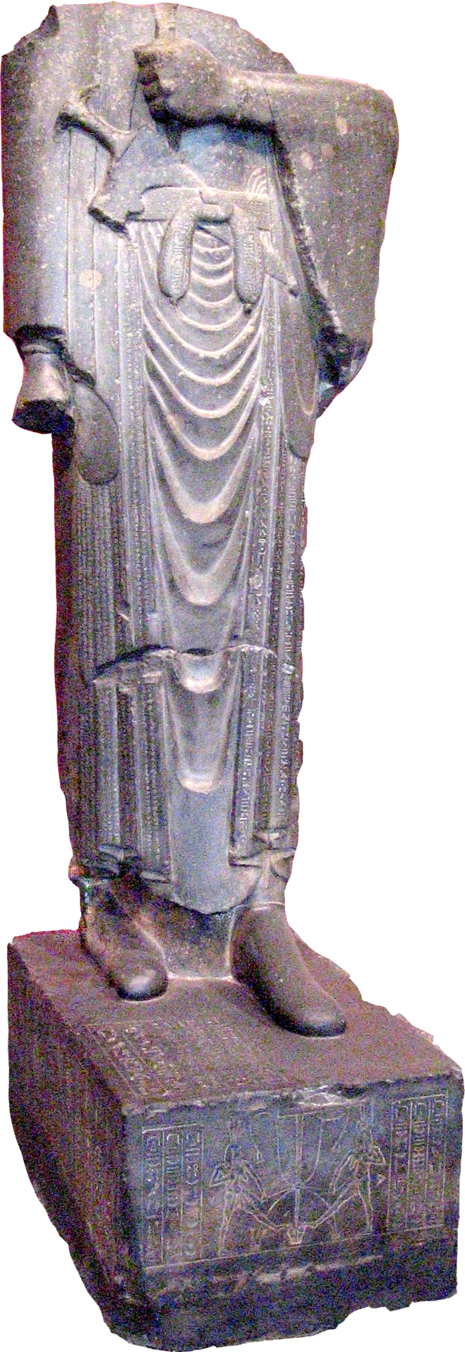
This photograph shows a trilingual inscription carved into a rock face at Ganj Nameh, near Hamadan, Iran. It was commissioned by Darius I and written in three languages: Old Persian, Elamite, and Babylonian. The photograph was taken in 2002.
Why it matters
This inscription is a genuine record made under Darius's own authority, declaring his kingship and lineage. Such trilingual texts were crucial for scholars in decoding ancient cuneiform scripts, making this type of inscription historically important far beyond Persia.
Look closer
- Why might Darius have had the same message carved in three different languages?
- What does commissioning a monumental inscription like this tell you about how Darius wanted to be remembered?
- What can and can't this kind of inscription tell us about daily life under Darius's rule?
This artifact is part of the curated material that grounds the AI version of Darius the Great on Humy.ai — when students ask about related events, the AI can quote it and cite it.
More Darius the Great sources
Meet the AI Darius the Great →

Ready when you are
Start chatting with Darius the Great now.
20 messages free · No credit card · Available in 50+ languages.