


Primary sourceDocumentc. 500s BCE
Darius the Great's Suez Inscriptions
Darius I · c. 500s BCE
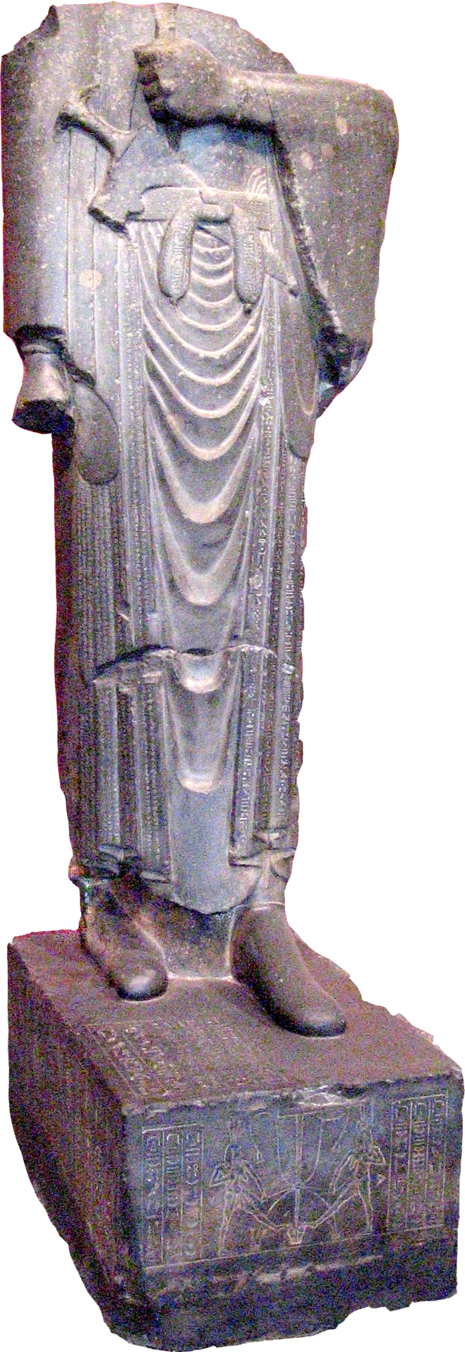
Stelae erected by Darius I in Egypt recording his construction of a canal linking the Nile to the Red Sea, connecting Egypt and Persia.
Darius I commissioned and speaks in this inscription, recording his canal project linking Egypt and Persia.
About this source
What it is
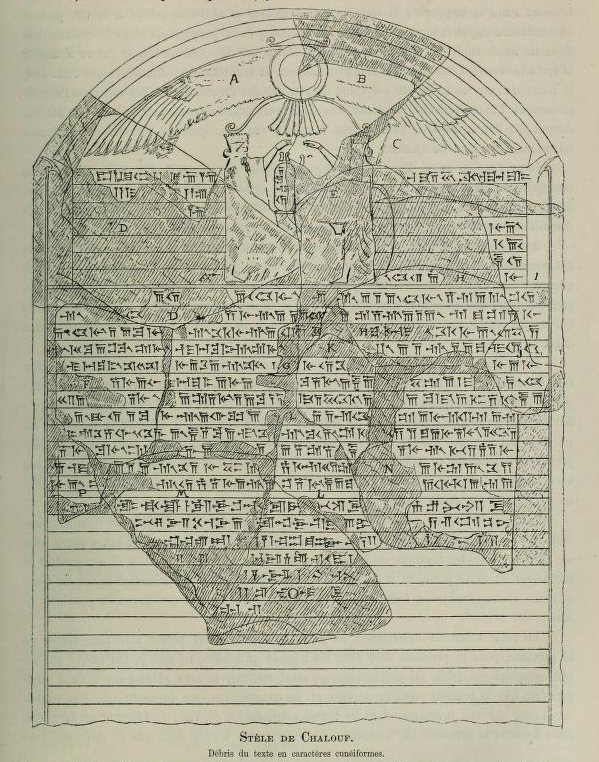
These inscriptions, written in Old Persian, Elamite, Babylonian and Egyptian, were set up on monuments in Wadi Tumilat to commemorate a canal connecting the Nile to the Red Sea. One well-preserved example, a pink granite stele known as the Chalouf (or Shaluf) stele, was discovered in Egypt in 1866. It was erected by Darius the Great.
Why it matters
In the inscription, Darius declares himself a Persian who conquered Egypt and ordered the canal dug so ships could sail from Egypt to Persia. This is a rare case of a ruler's own words describing a major infrastructure project, showing how Darius linked conquest, trade and engineering to his image as king.
Look closer
- Why might Darius have had this message carved in four different languages?
- What does the inscription emphasize about Darius's achievements, and what does it leave unsaid?
- Why would a ruler want a permanent stone record of a canal project?
This document is part of the curated material that grounds the AI version of Darius the Great on Humy.ai — when students ask about related events, the AI can quote it and cite it.
More Darius the Great sources
Meet the AI Darius the Great →

Ready when you are
Start chatting with Darius the Great now.
20 messages free · No credit card · Available in 50+ languages.