


Secondary sourceArtifact1503
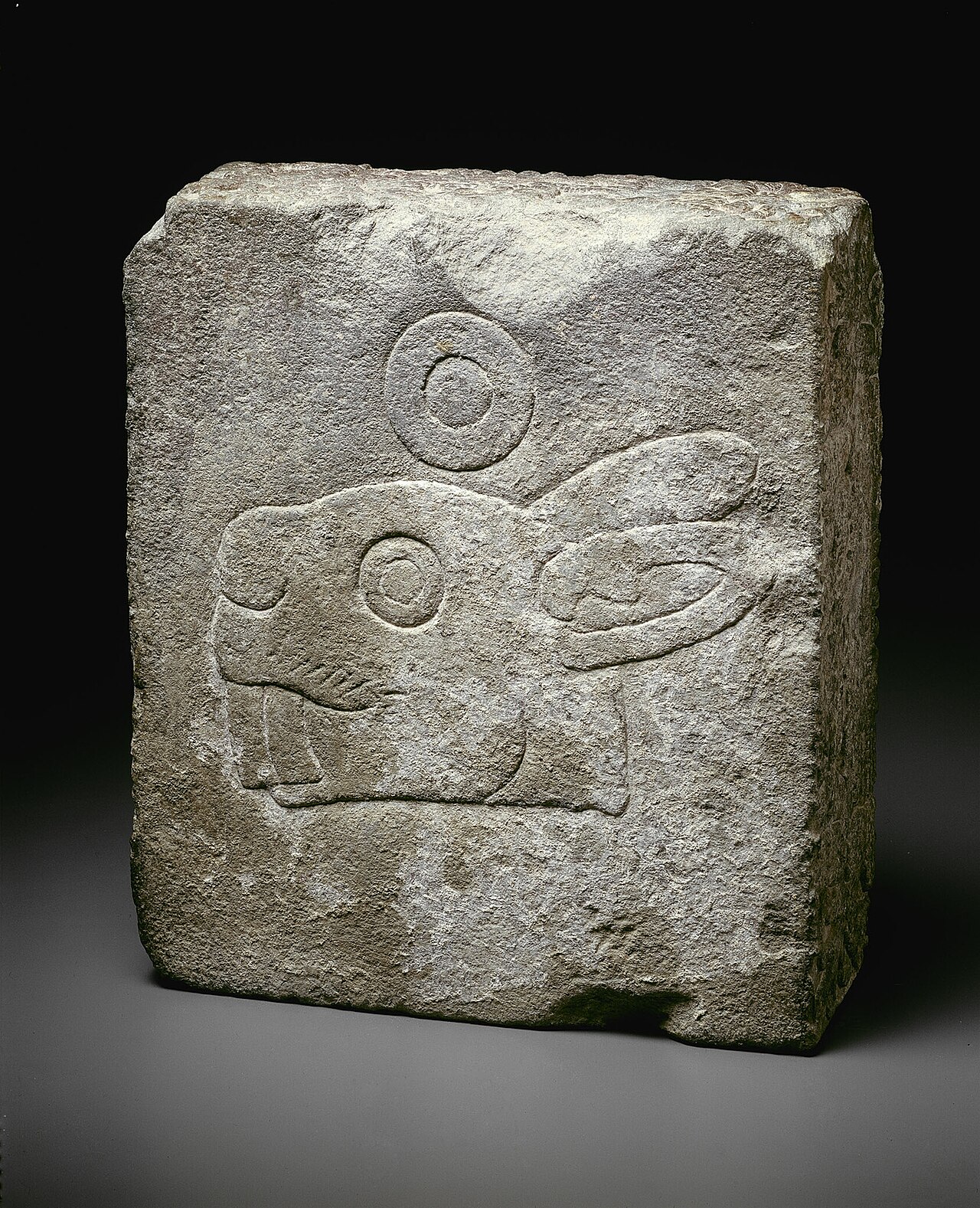
Date Inscription Ce Tochtli on the Coronation Stone
1503
A carved stone inscription showing the Aztec calendar date "1 Rabbit," linked to the 1503 coronation stone from Moctezuma's reign.
This date glyph comes from a coronation stone linked to the year of Moctezuma II's accession as ruler.
About this source
What it is
This is a photograph of a carved stone block bearing the date glyph "Ce Tochtli" ("1 Rabbit") in the Aztec calendar. The carving is a stylized rabbit-like head with long ears and a circular eye, created around 1503 as part of a coronation stone.
Why it matters
The date 1503 corresponds to the period of Moctezuma II's accession as tlatoani of Tenochtitlan. Calendar stones like this were official records marking important royal events, showing how the Aztec state used calendar symbolism to commemorate rulers and legitimize their power.
Look closer
- What does the choice of carving a date in stone tell you about how the Aztecs recorded history?
- Why might a rabbit symbol be used to represent a date rather than a number?
- What is missing from this close-up view that might help you understand the whole monument?
This artifact is part of the curated material that grounds the AI version of Montezuma II on Humy.ai — when students ask about related events, the AI can quote it and cite it.
More Montezuma II sources
Meet the AI Montezuma II →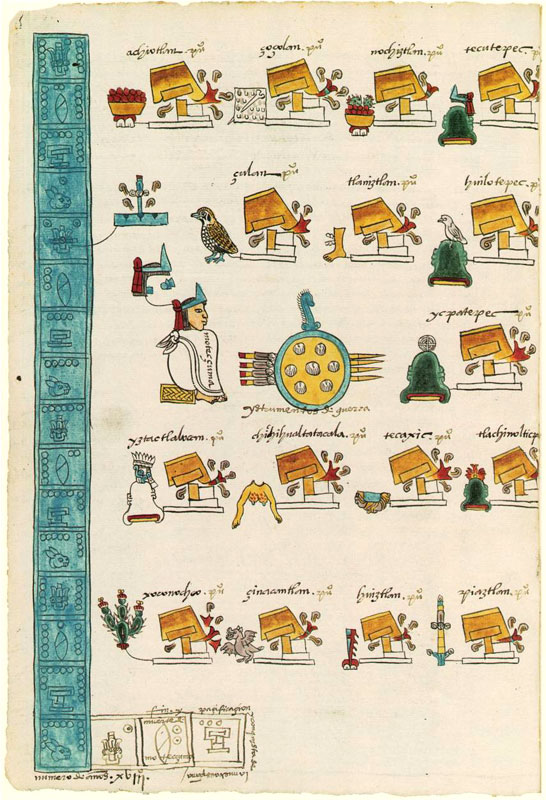 Document
Secondary source
Codex Mendoza, Folio 15v
Unknown author · 16th century
 Painting
Secondary source
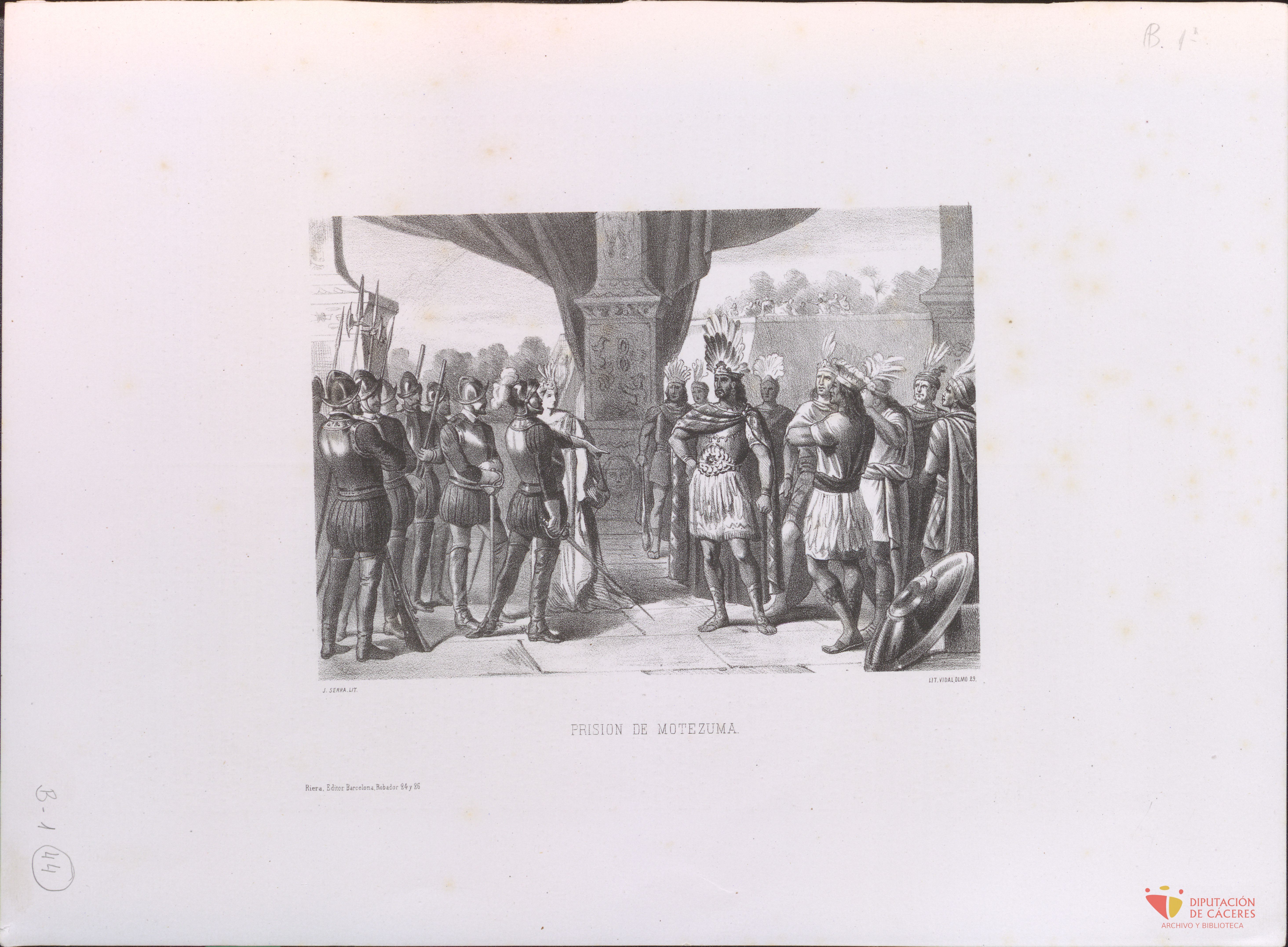
Prisión del emperador Moctezuma
Rafael del Castillo de la Cuesta · 1880
 Book
Secondary source
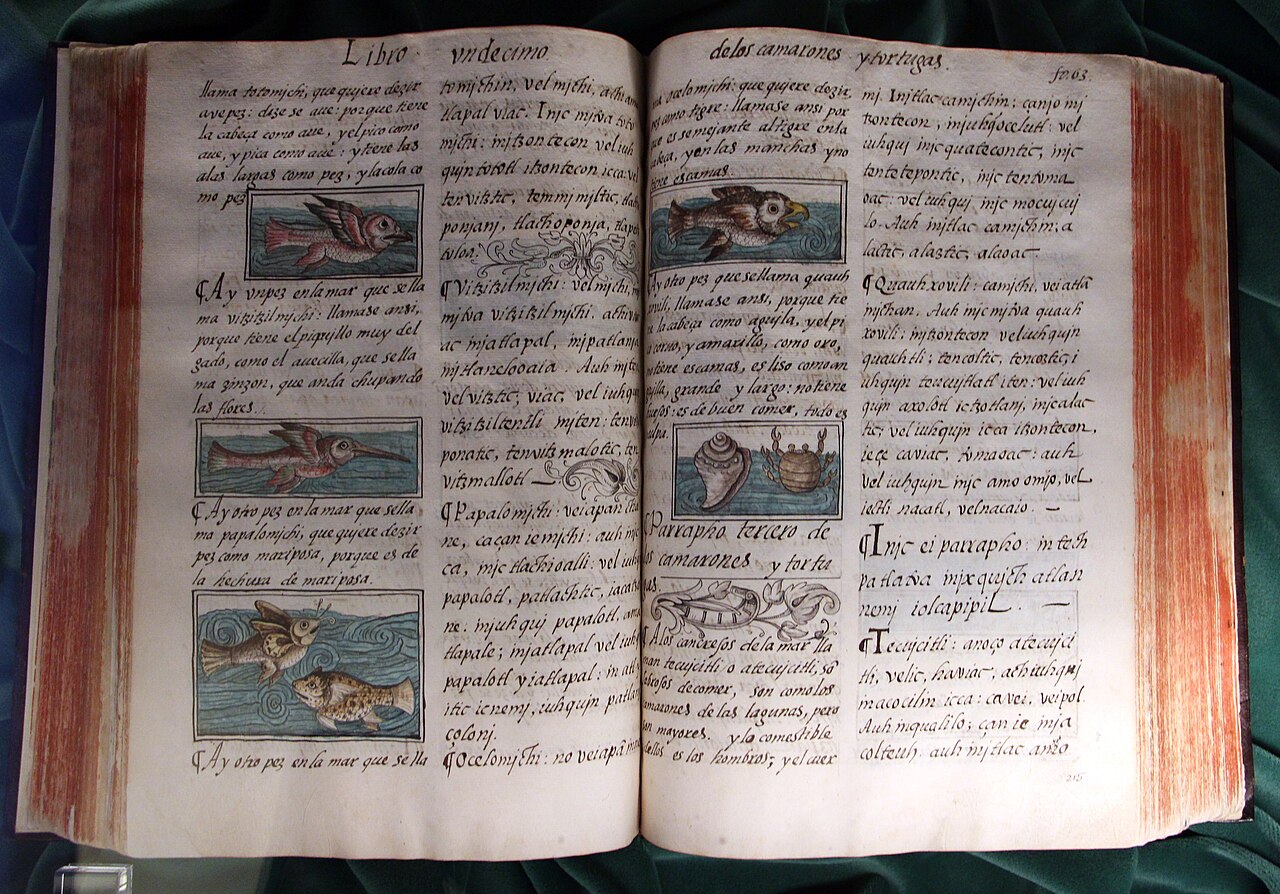
Florentine Codex
Bernardino de Sahagún with Nahua collaborators · 1569
 Painting
Secondary source
Hernán Cortés takes Moctezuma prisoner
Louis Auguste Turgis · 1895
 Letter
Primary source
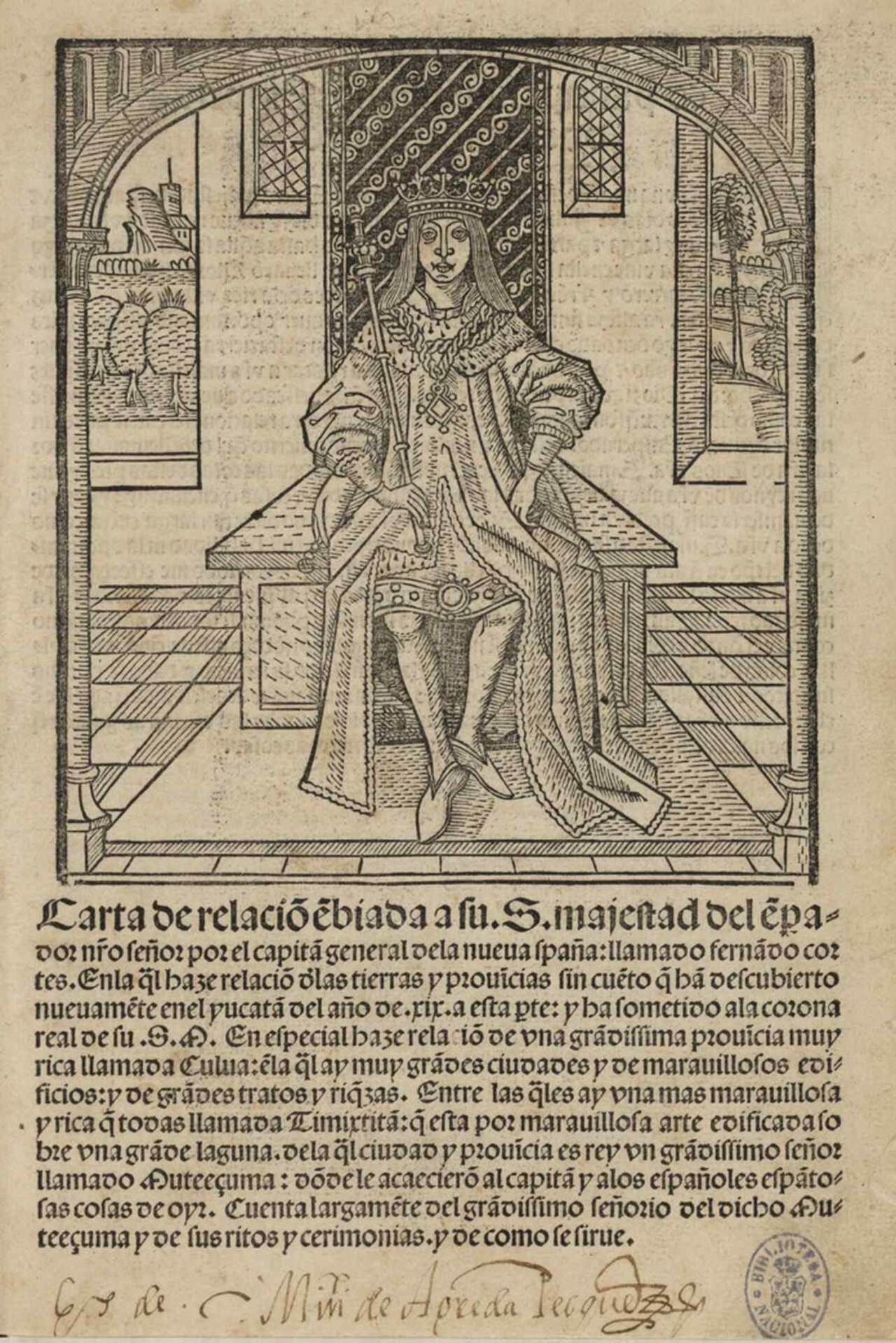
Second Letter to Charles V
Hernán Cortés · 1520 (printed 1522)
Ready when you are
Start chatting with Montezuma II now.
20 messages free · No credit card · Available in 50+ languages.