


Secondary sourceArtifact12th century; capital 1327-1334
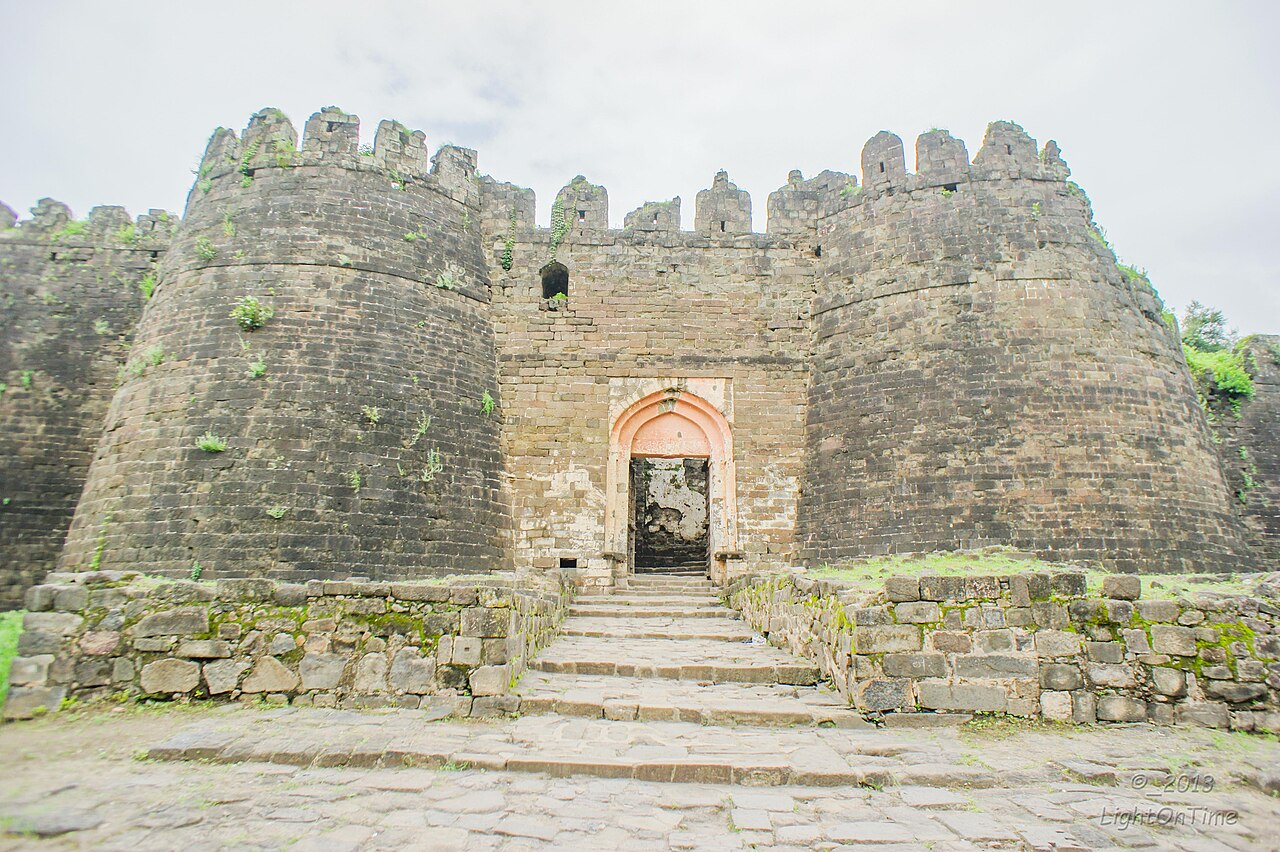
Daulatabad Fort
12th century; capital 1327-1334
The fortress-city where Muhammad bin Tughluq forcibly relocated Delhi's population, an episode Ibn Battuta recorded as a sign of the sultan's harsh rule.
Ibn Battuta reported the sultan's forced relocation of Delhi's people to this fortress as a mark of his harshness.
About this source
What it is
Daulatabad Fort, originally Devagiri, is a fortified citadel near Aurangabad, India, built from the 12th century and later used as a capital by the Delhi Sultanate under Muhammad bin Tughluq from 1327.
Why it matters
In 1327 Muhammad bin Tughluq moved his capital here and ordered much of Delhi's population to relocate, a drastic act that Ibn Battuta reported in his travel account as evidence of the sultan's severity. The fort's elaborate defences, including confusing gateways and spiked doors, reveal how seriously its rulers took the threat of attack.
Why it matters
Look closer
- What do the fort's defensive tricks suggest about who its builders expected to attack it?
- Why might a traveller like Ibn Battuta have focused on a ruler's treatment of ordinary people rather than just his buildings?
- What is left out of a description of a fort that only talks about walls and gates?
This artifact is part of the curated material that grounds the AI version of Ibn Battuta on Humy.ai — when students ask about related events, the AI can quote it and cite it.
More Ibn Battuta sources
Meet the AI Ibn Battuta →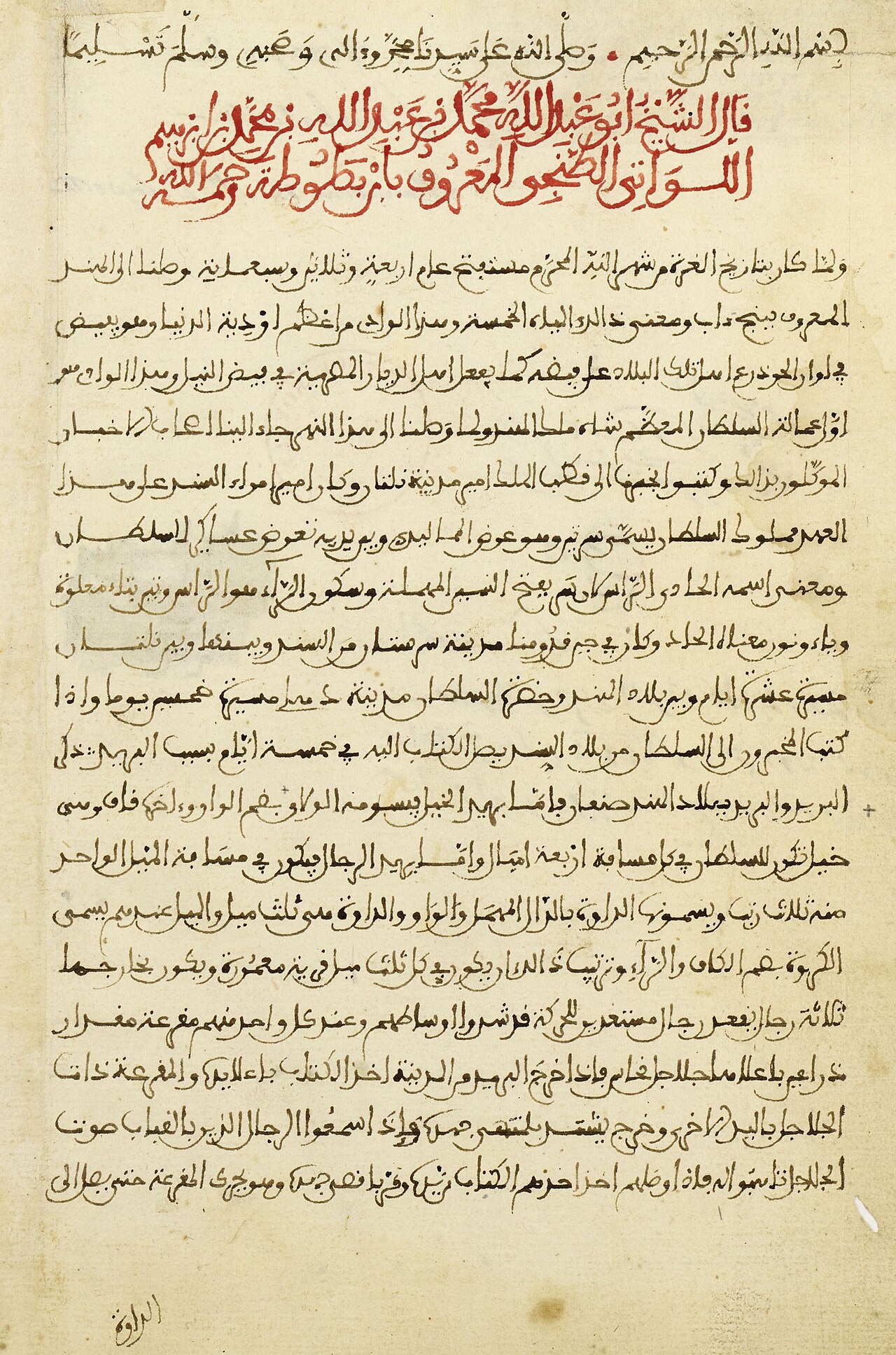 Book
Primary source
The Rihla
Ibn Battuta · 1354-1356
 Book
Primary source
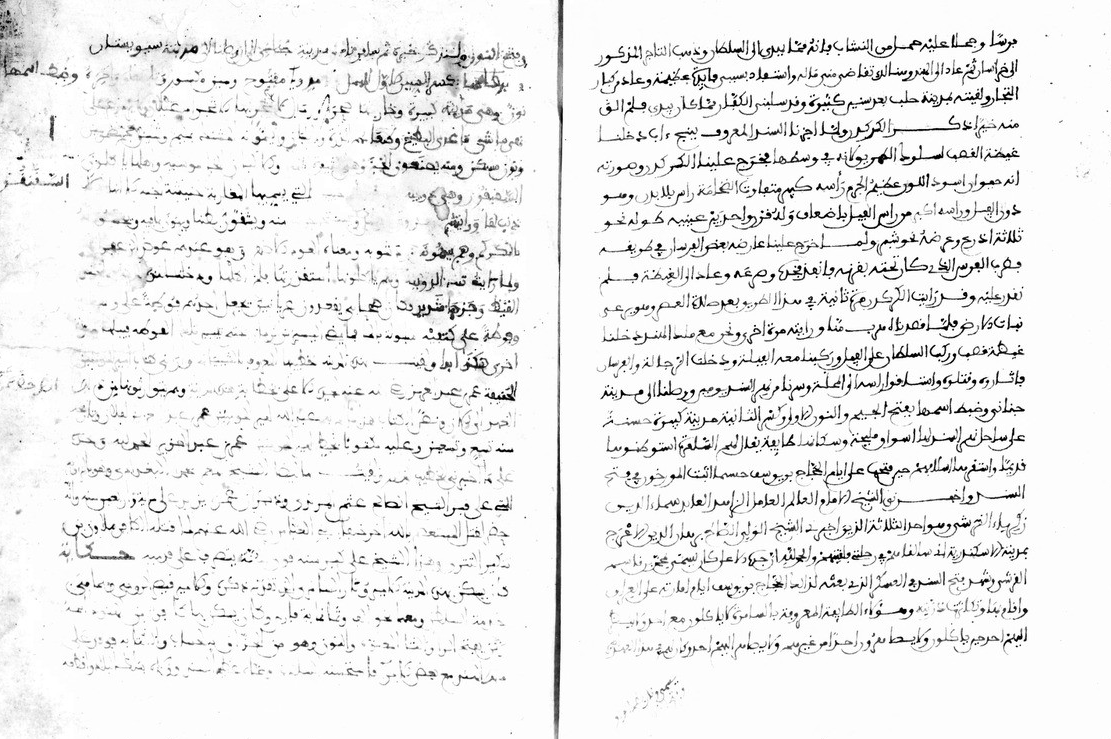
Manuscript of the Rihla by Ibn Juzayy
Ibn Juzayy · 14th century
 Artifact
Secondary source
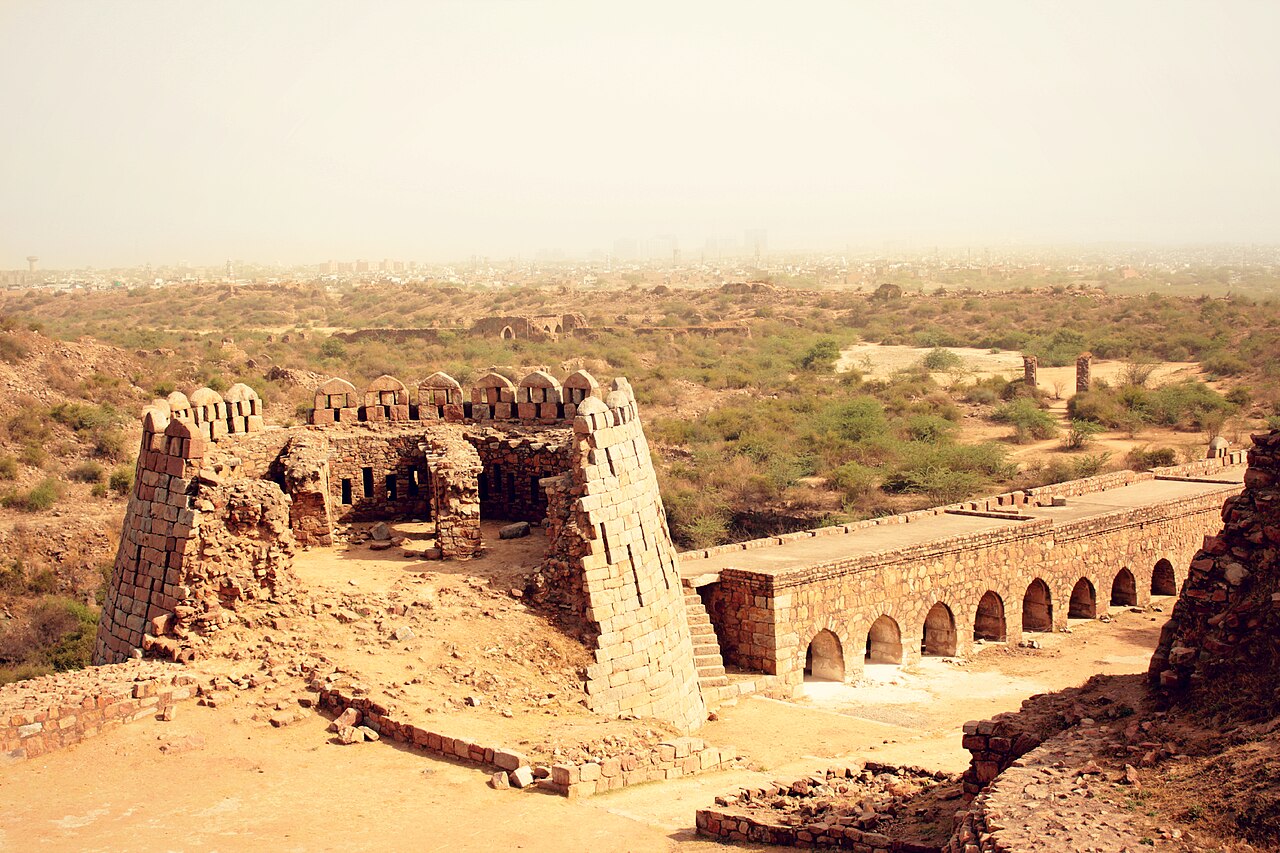
Tughlaqabad Fort
Ghiyath al-Din Tughluq · 1321
 Book
Secondary source
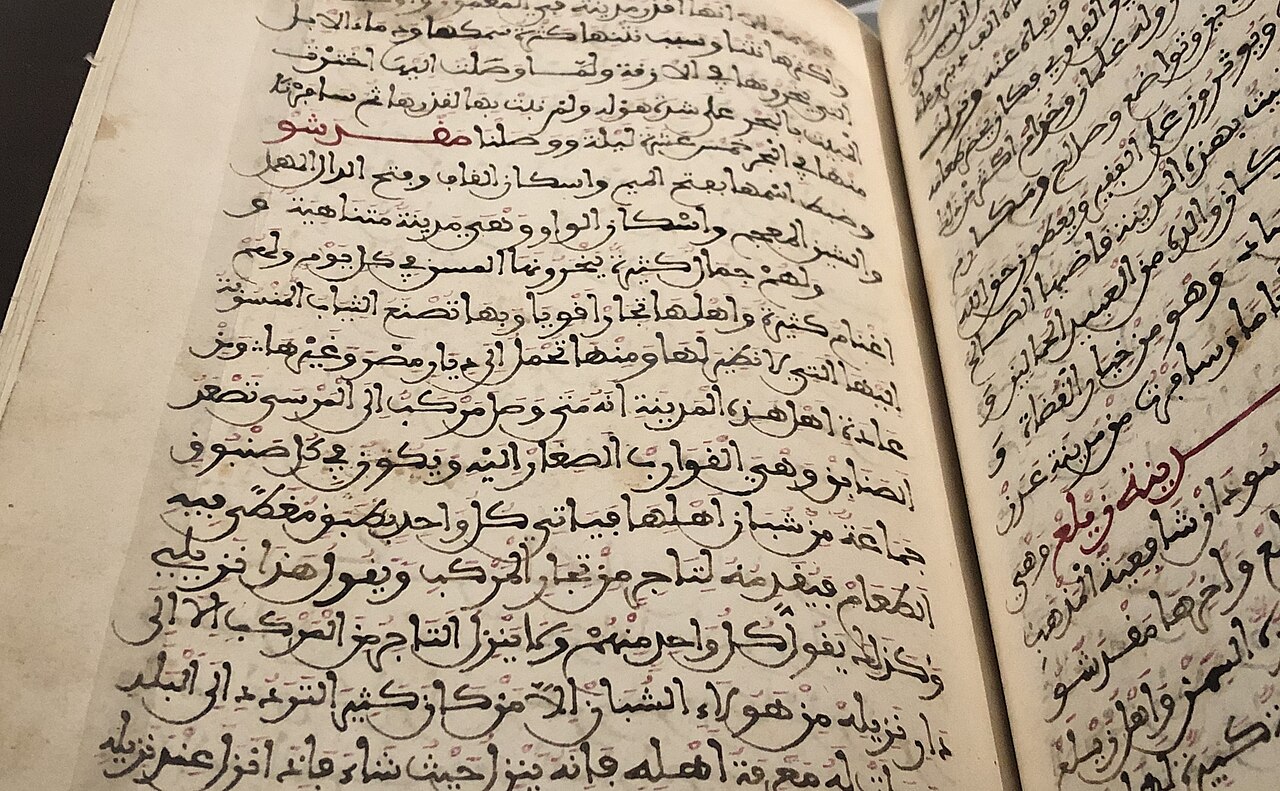
Manuscript copy of the Rihla (1484)
Ibn Juzayy · 1484
 Painting
Primary source
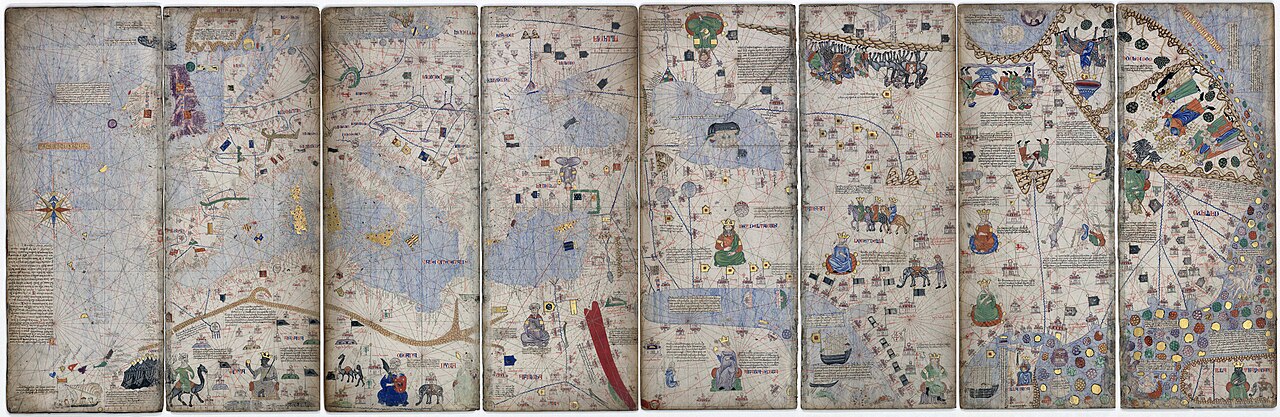
Catalan Atlas
Cresques Abraham · c. 1375
Ready when you are
Start chatting with Ibn Battuta now.
20 messages free · No credit card · Available in 50+ languages.