


Primary sourceBook44 BC
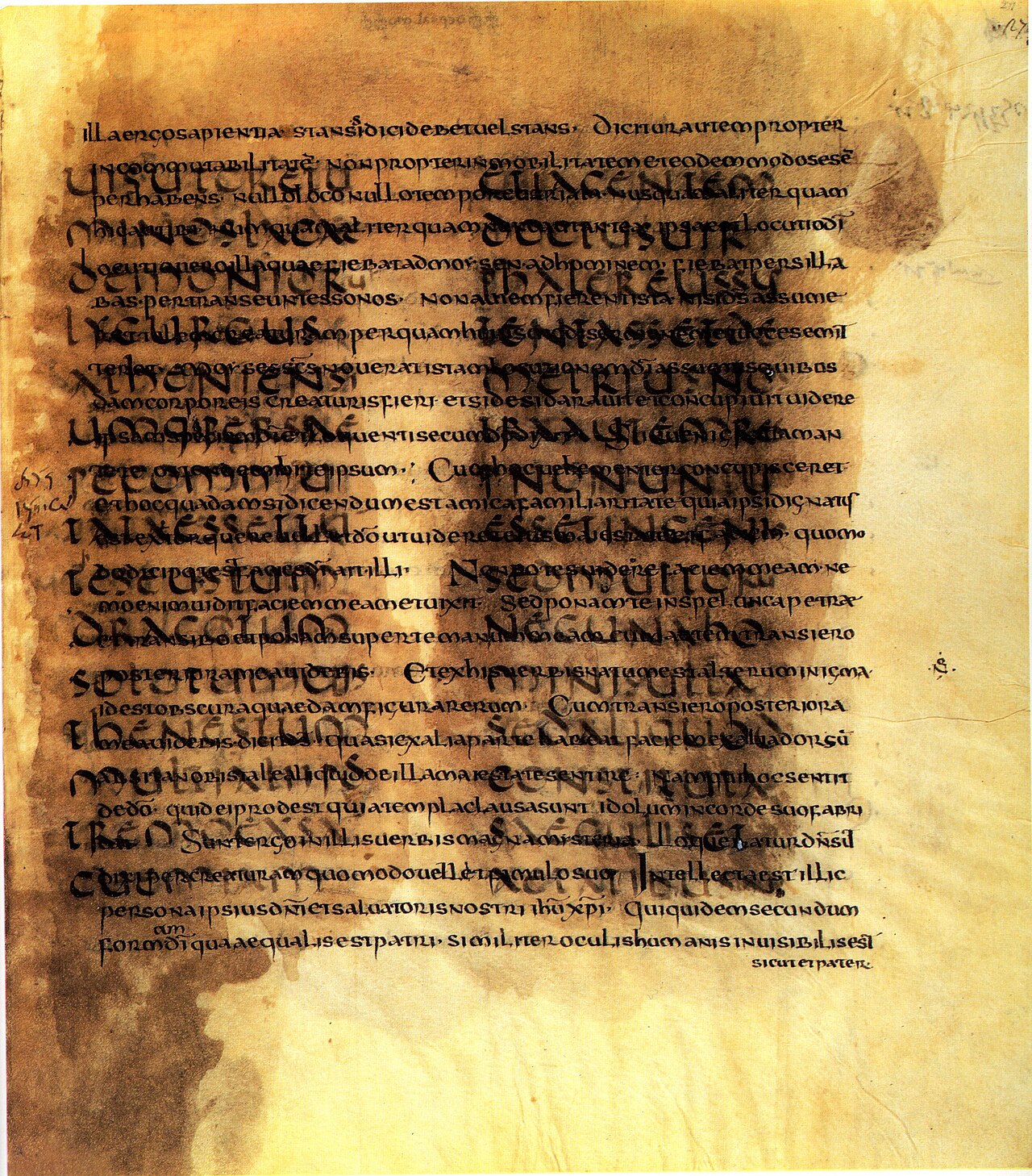
De fato
Cicero · 44 BC
Cicero's philosophical treatise from 44 BC on fate, free will, and the logic of future events.
This treatise shows Cicero's own philosophical reflections written in the chaos following Caesar's assassination.
About this source
What it is
This is a philosophical treatise written by Cicero in 44 BC discussing fate and whether future events are determined or open to chance. He mentions discussing these questions with Hirtius, a consul-designate, while staying near Puteoli, shortly after the death of Julius Caesar.
Why it matters
Written in the turbulent period right after Caesar's assassination, this text shows Cicero turning to philosophy to make sense of uncertainty and political upheaval. It reveals his engagement with Greek philosophical ideas about fate and logic, translated and adapted into Latin thought.
Look closer
- What personal and political circumstances does Cicero mention at the start of this work?
- Why might questions about fate and free will have mattered so much to Romans after Caesar's death?
- How does Cicero connect Greek philosophical terms to Latin ideas?
This book is part of the curated material that grounds the AI version of Cicero on Humy.ai — when students ask about related events, the AI can quote it and cite it.
More Cicero sources
Meet the AI Cicero →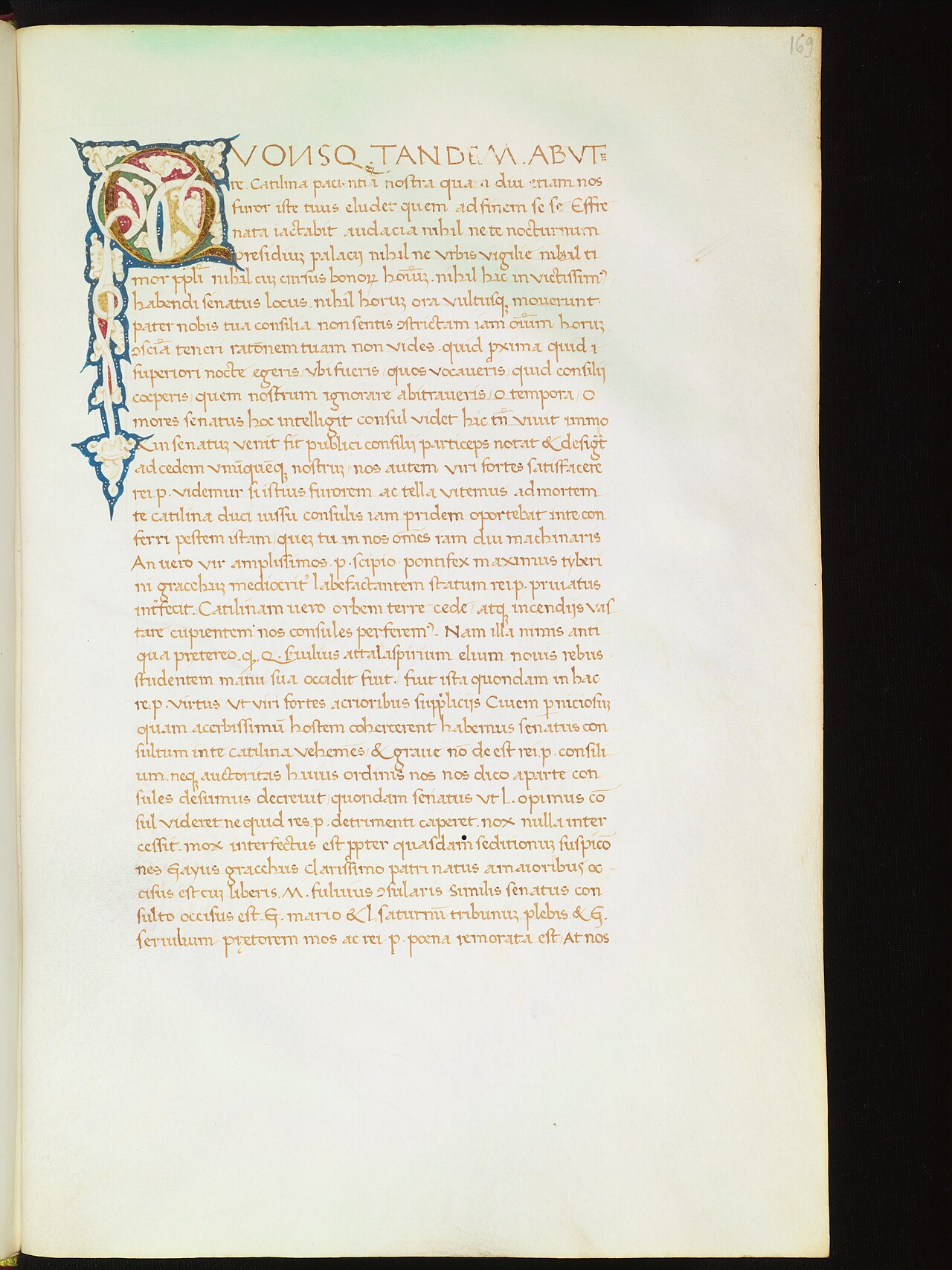 Speech
Primary source
Catiline Orations
Cicero · 63 BCE
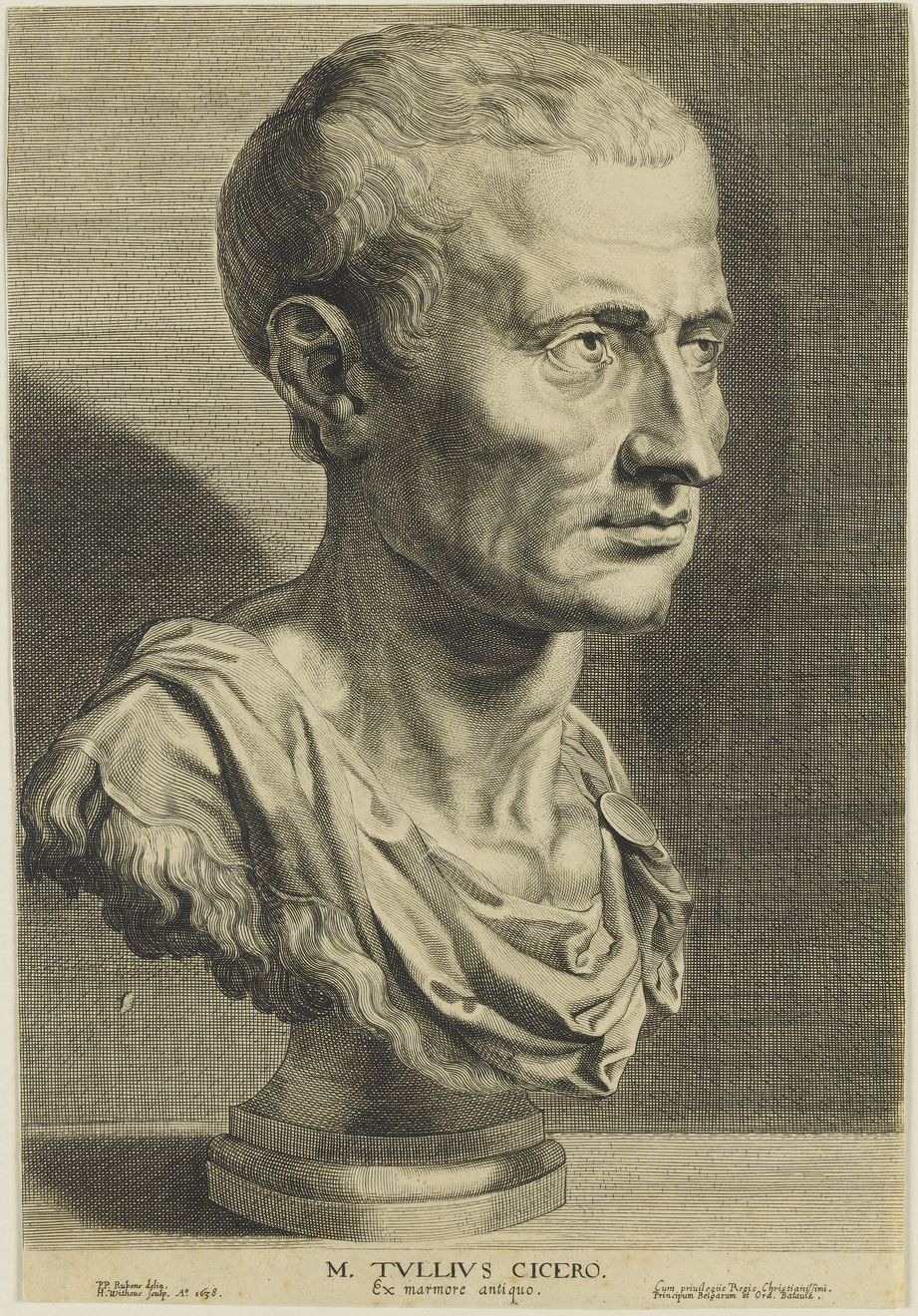 Painting
Secondary source
Marcus Tullius Cicero, engraved after antique marble busts
Jan Witdoeck
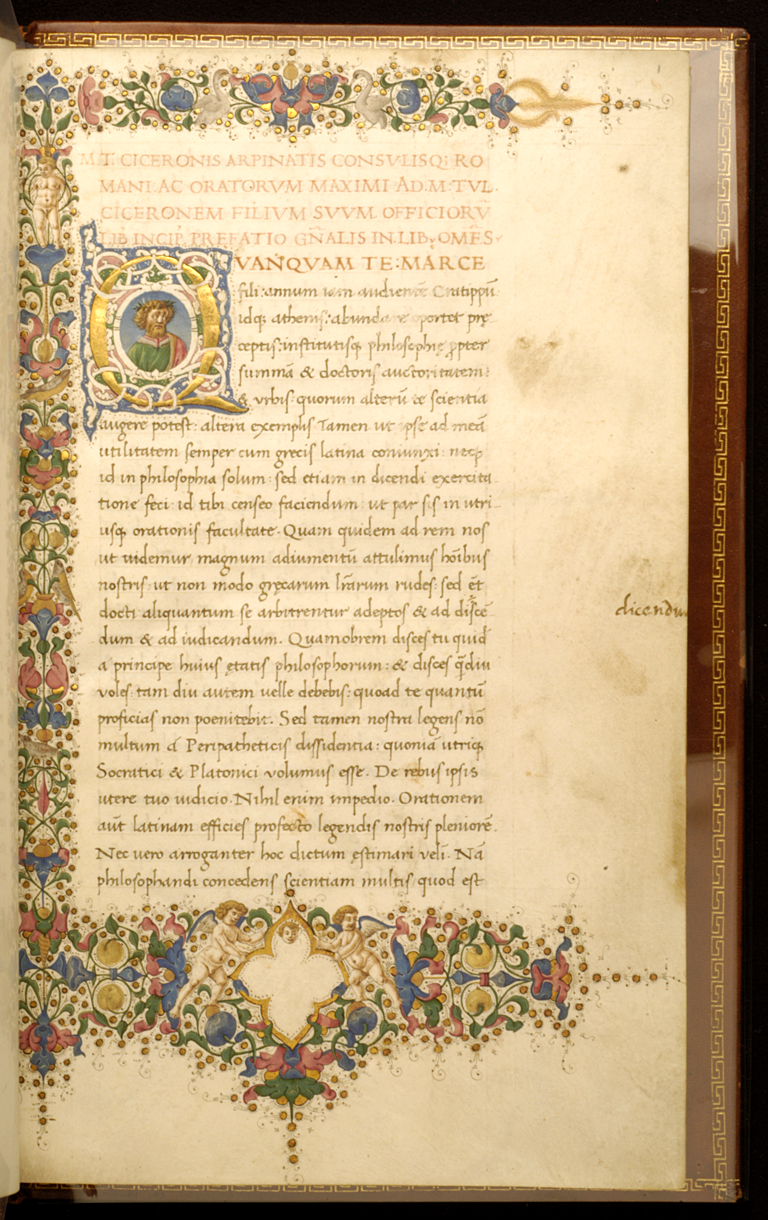 Book
Primary source
De Officiis
Cicero · 44 BC
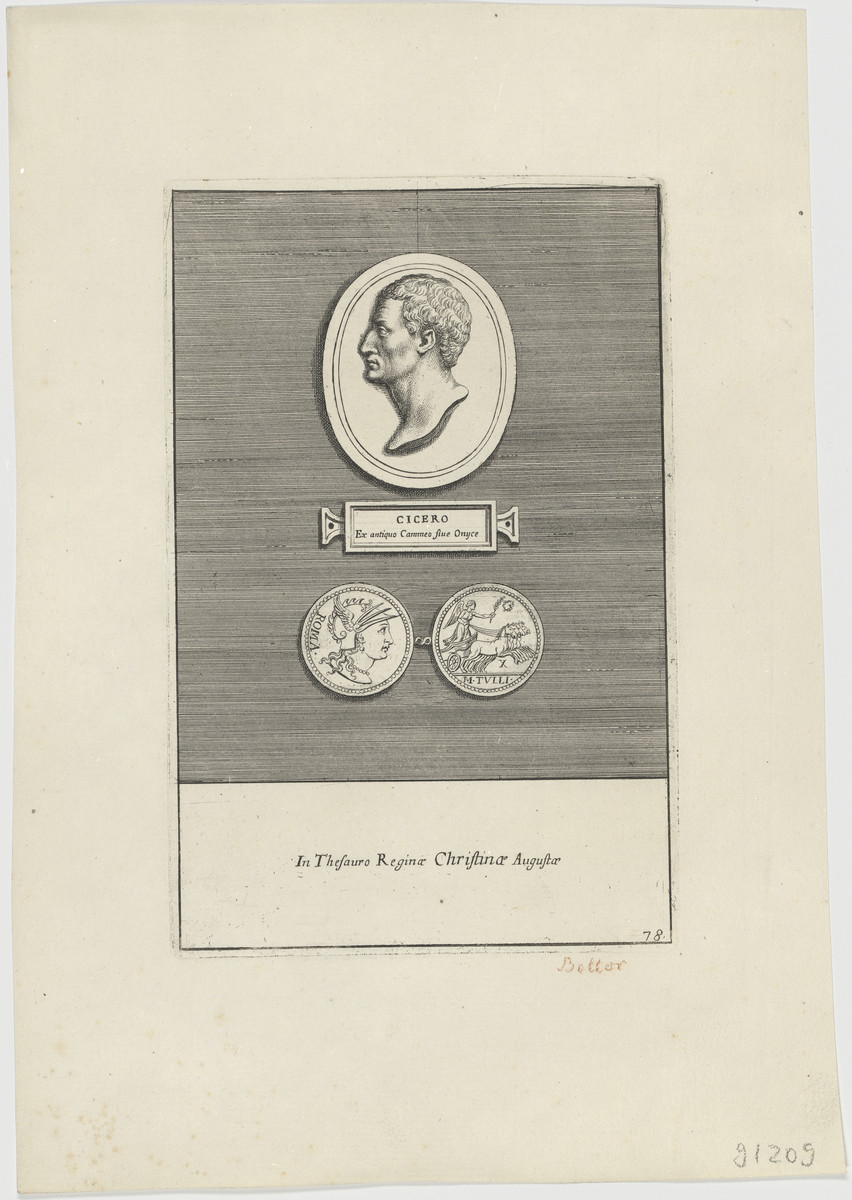 Painting
Secondary source
Portrait of Cicero (Bildnis des Cicero)
 Book
Primary source
De re publica
Cicero · c. 54–51 BC
Ready when you are
Start chatting with Cicero now.
20 messages free · No credit card · Available in 50+ languages.