


Primary sourceBook1876
De Senectute, De Amicitia, Paradoxa, and Somnium Scipionis of Cicero
Marcus Tullius Cicero · 1876
An 1876 edition collecting several of Cicero's philosophical dialogues, including works on old age and friendship.
This collection contains several philosophical dialogues written by Cicero himself.

About this source
What it is
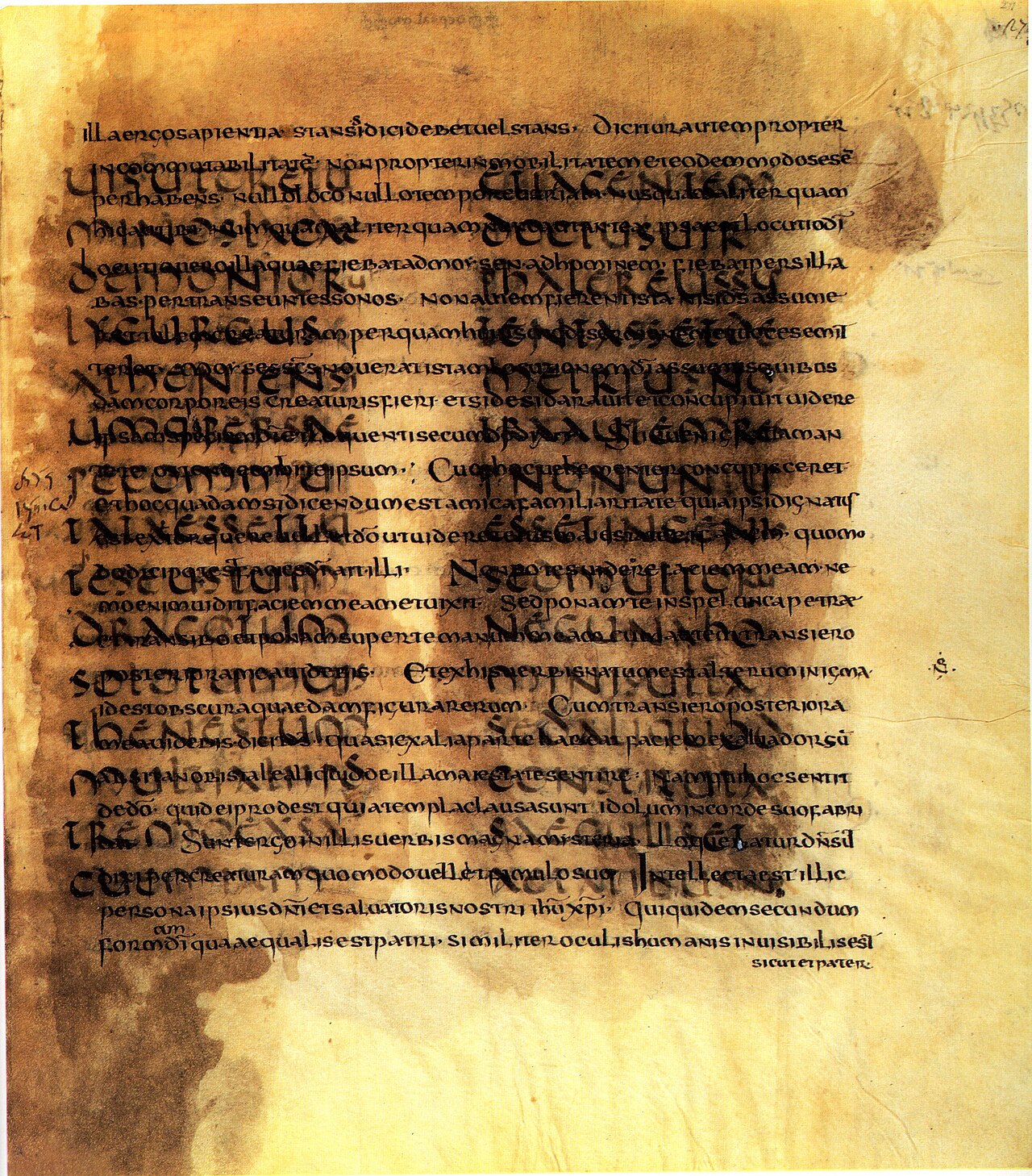
This book brings together several short works by Cicero: De Senectute (On Old Age), De Amicitia (On Friendship), the Paradoxa, and the Somnium Scipionis (Dream of Scipio). It also includes the Life of Atticus by Cornelius Nepos. The edition, with English notes by Charles Anthon, was published by Harper & Brothers in New York.
Why it matters
These works show a different side of Cicero from his political speeches: his reflections on aging, friendship and philosophy. Pairing them with the Life of Atticus, written by Cicero's contemporary Cornelius Nepos about Cicero's close friend, places Cicero within the circle of people who knew and wrote about him. The book shows how his philosophical writing was valued as much as his oratory.
Look closer
- How might Cicero's philosophical writings change your impression of him compared to his political speeches?
- Why might an editor combine Cicero's dialogues with a biography of his friend Atticus?
- What do notes like this tell you about how students were expected to read Latin texts?
This book is part of the curated material that grounds the AI version of Cicero on Humy.ai — when students ask about related events, the AI can quote it and cite it.
More Cicero sources
Meet the AI Cicero →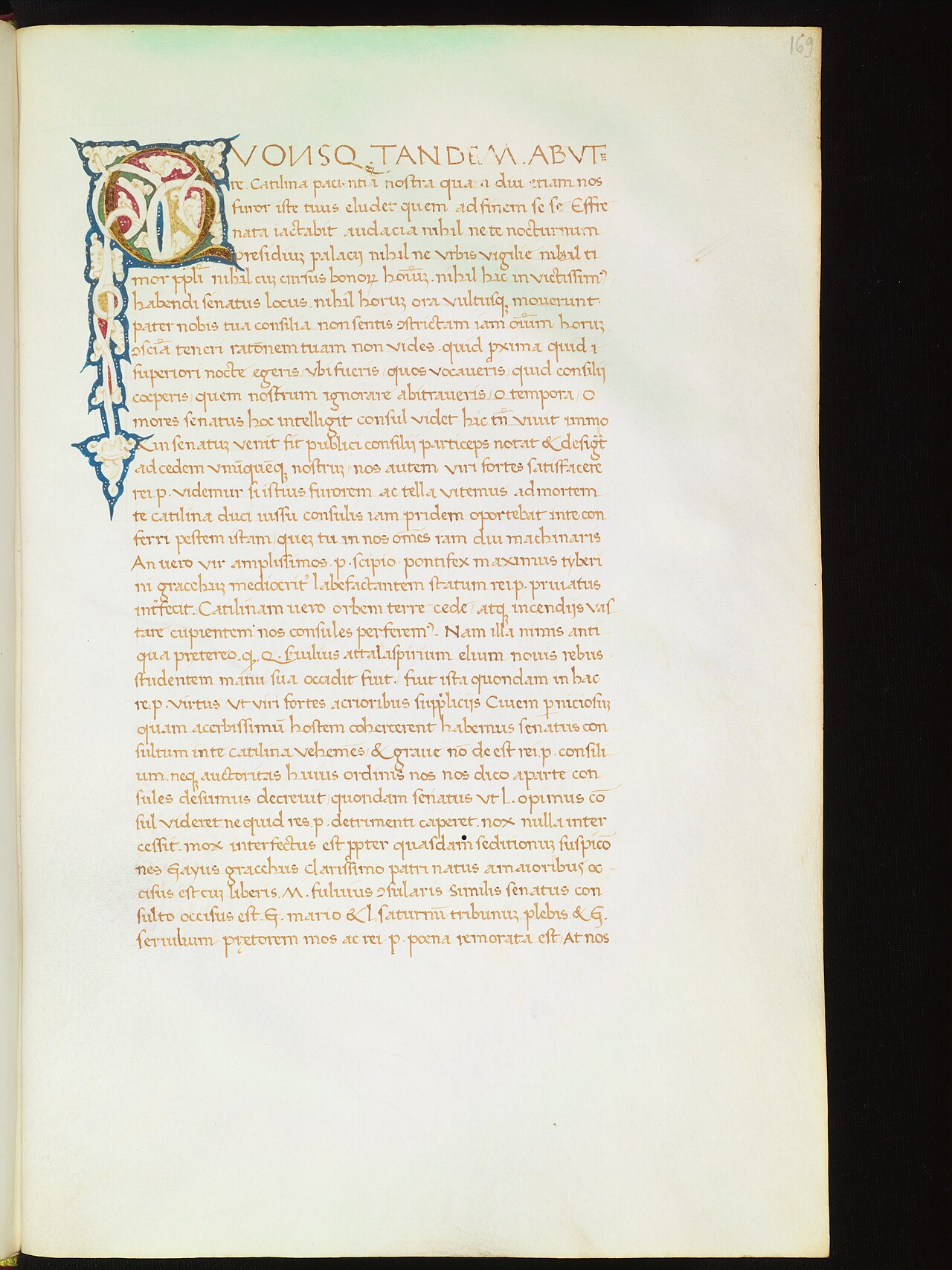 Speech
Primary source
Catiline Orations
Cicero · 63 BCE
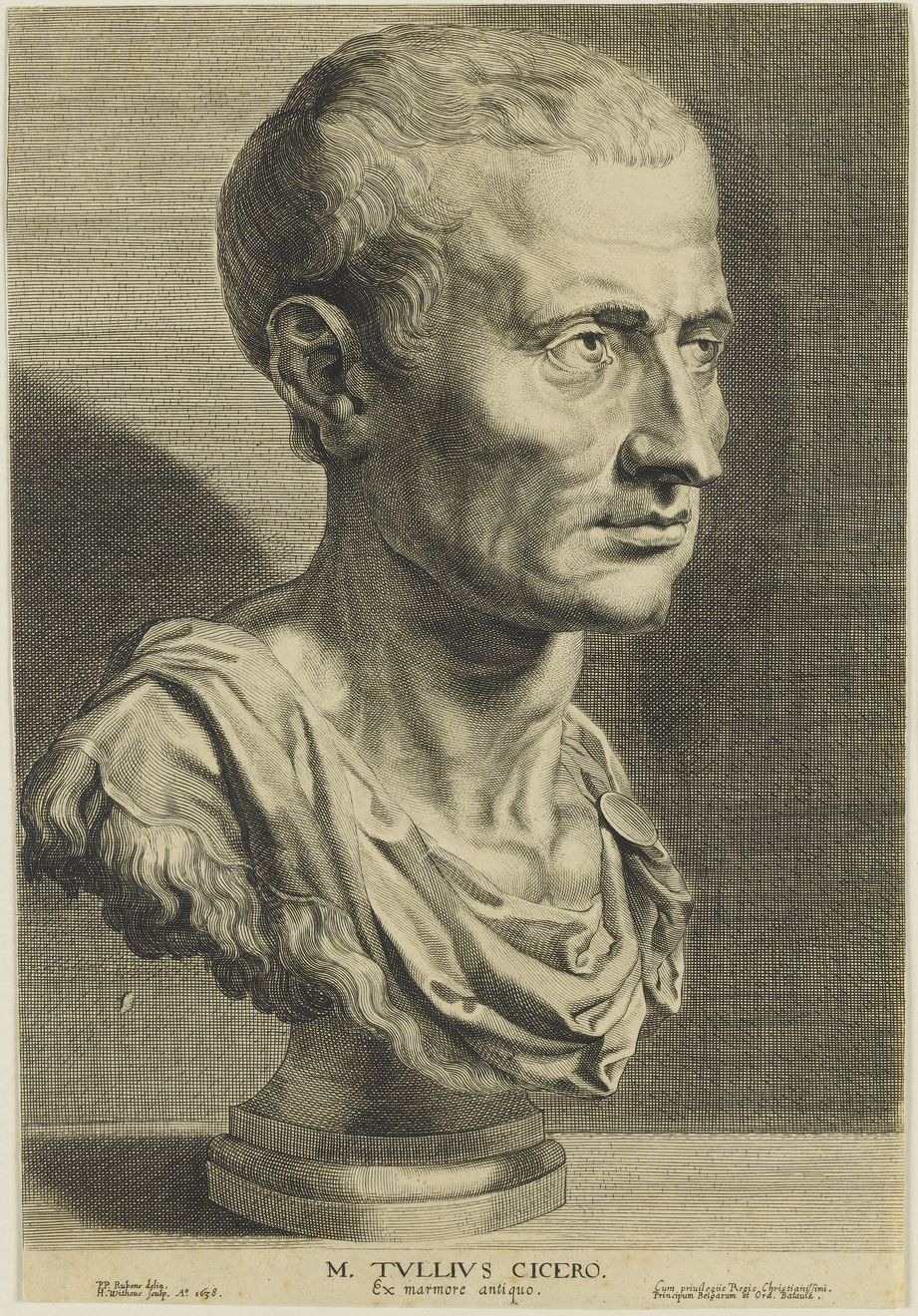 Painting
Secondary source
Marcus Tullius Cicero, engraved after antique marble busts
Jan Witdoeck
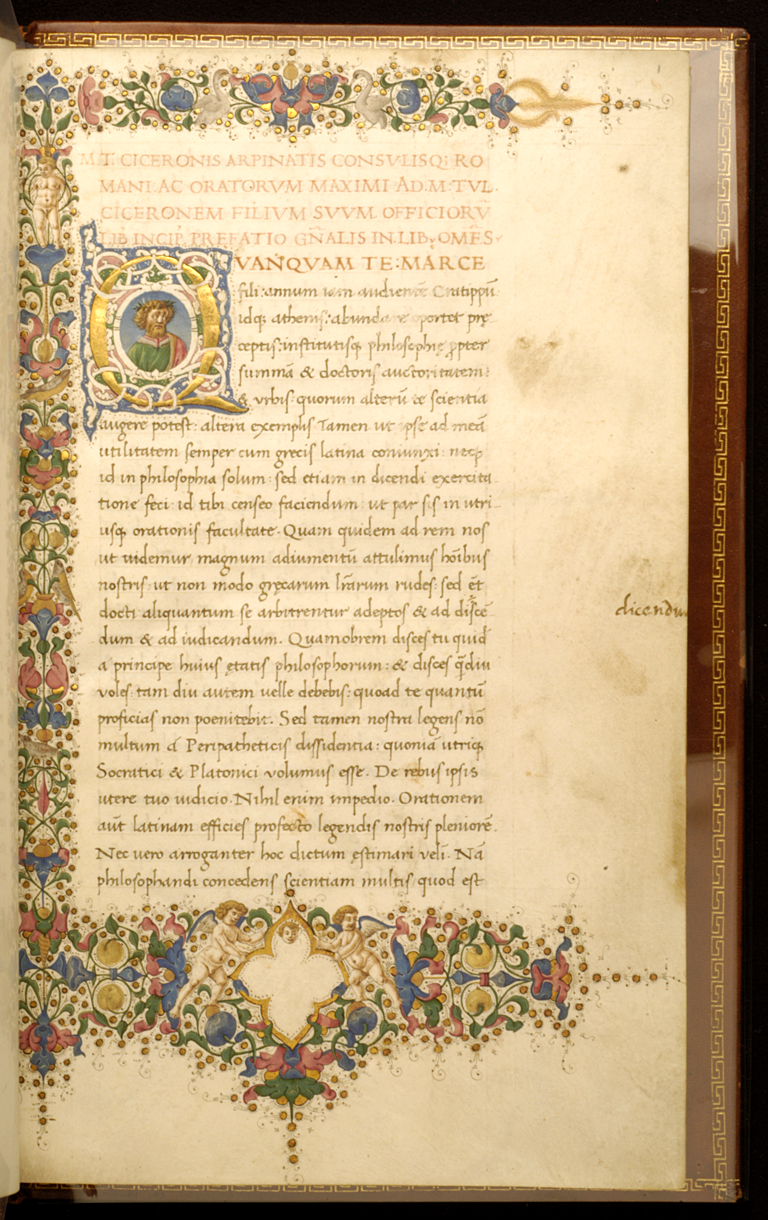 Book
Primary source
De Officiis
Cicero · 44 BC
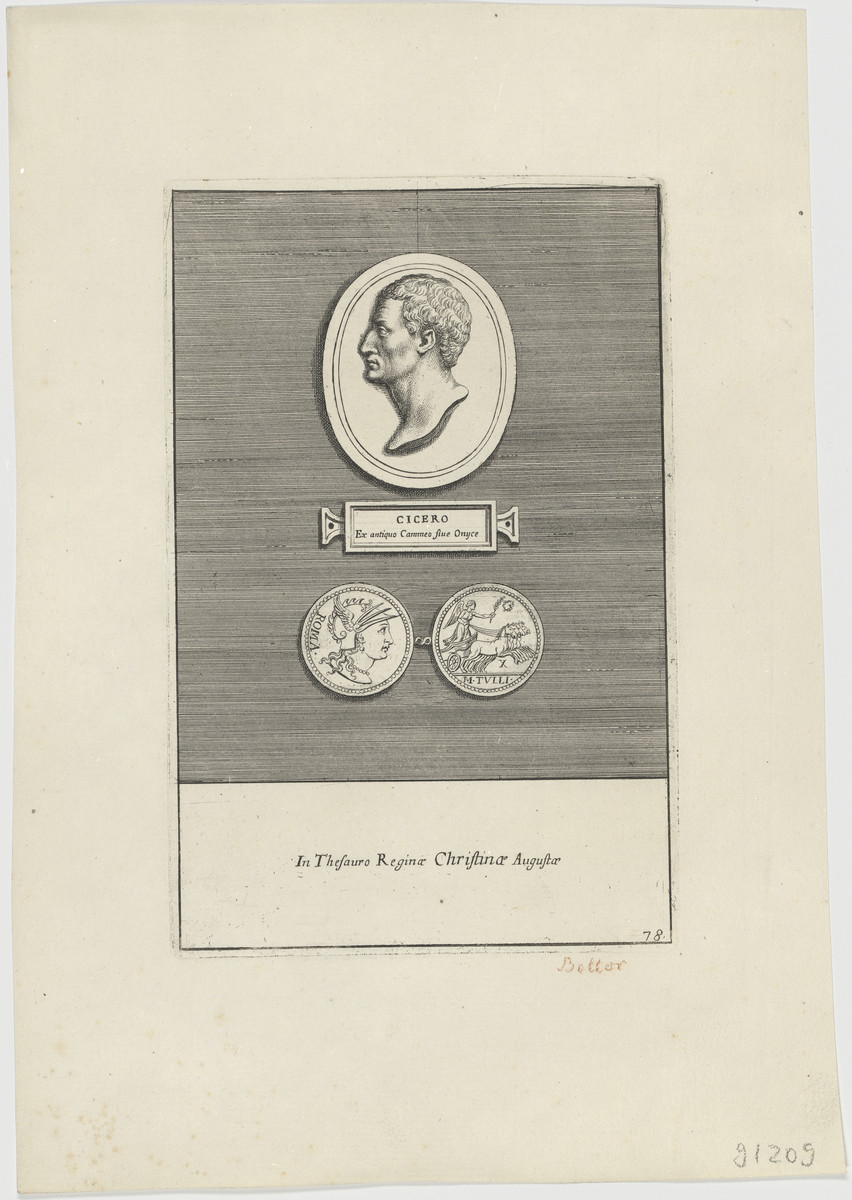 Painting
Secondary source
Portrait of Cicero (Bildnis des Cicero)
 Book
Primary source
De re publica
Cicero · c. 54–51 BC
Ready when you are
Start chatting with Cicero now.
20 messages free · No credit card · Available in 50+ languages.