


Primary sourceSculpture1778 (photographed 1913)
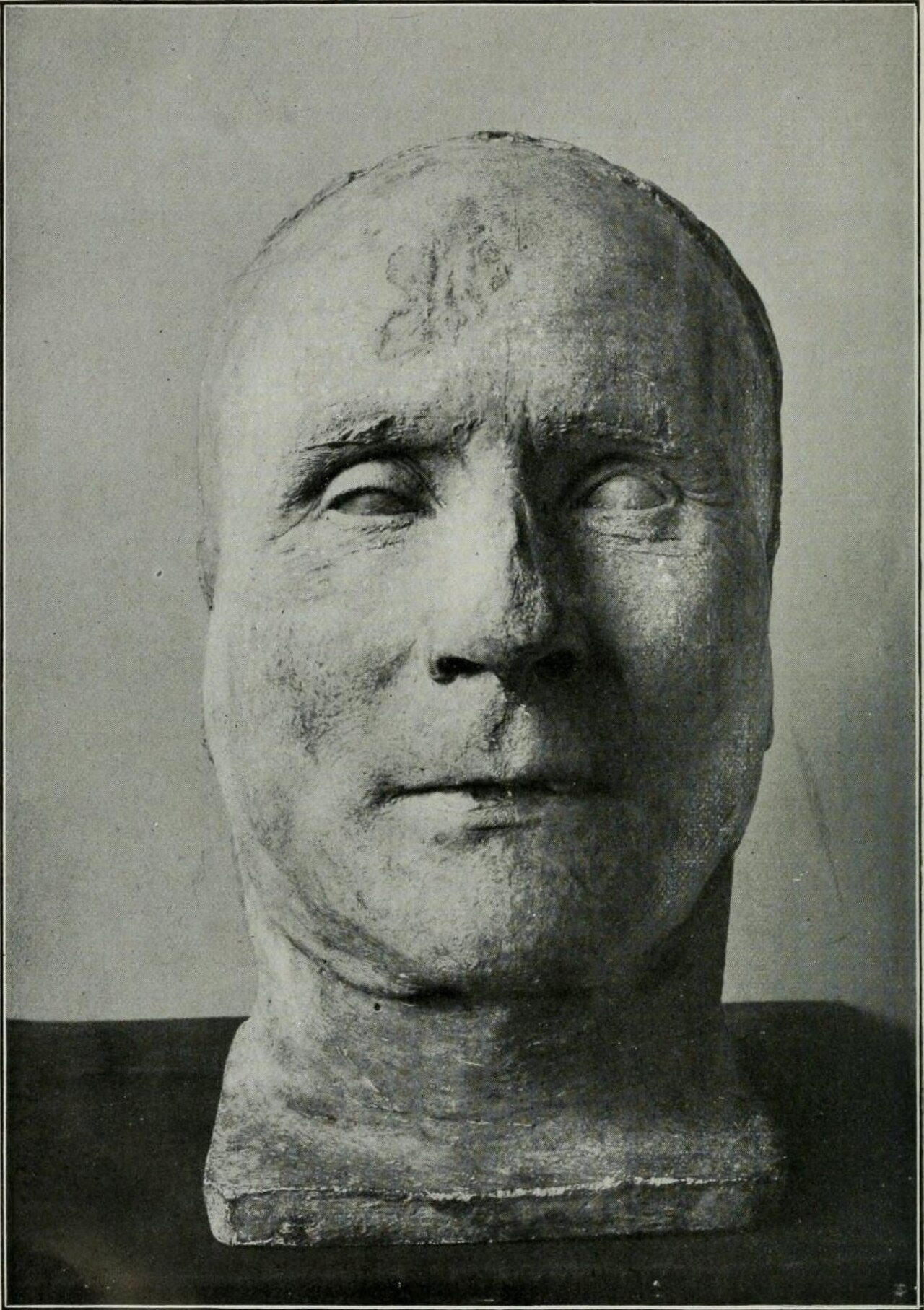
Death mask of Jean-Jacques Rousseau, front view
Jean-Antoine Houdon · 1778 (photographed 1913)
A photograph of the front view of Rousseau's 1778 death mask, made by Houdon directly from his face after death.
This death mask was cast directly from Rousseau's face after his death, preserving his actual likeness.
About this source
What it is
This is a black-and-white photograph, published in 1913, of the front view of a plaster death mask of Jean-Jacques Rousseau made by the sculptor Jean-Antoine Houdon in 1778. The mask shows the closed eyes, smooth domed forehead, and closed mouth typical of a death mask taken directly from a person's face.
Why it matters
Death masks were taken immediately after death to preserve an exact likeness, so this mask is considered an especially reliable record of Rousseau's actual appearance at the end of his life. It was later photographed for a 1913 publication, showing how later scholars and doctors continued to study his physical features long after his death.
Look closer
- Why might someone take a cast of a person's face immediately after death?
- What can a death mask tell us that a painted portrait cannot, and what can it not tell us?
- Why do you think this mask was photographed and published more than a century after Rousseau died?
This sculpture is part of the curated material that grounds the AI version of Jean-Jacques Rousseau on Humy.ai — when students ask about related events, the AI can quote it and cite it.
More Jean-Jacques Rousseau sources
Meet the AI Jean-Jacques Rousseau →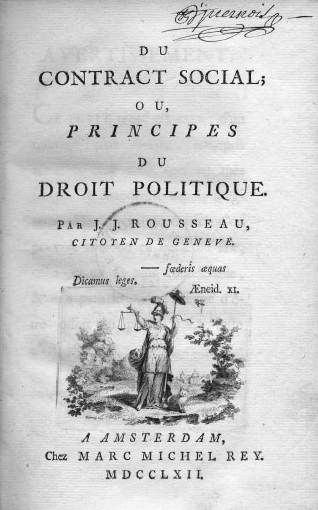 Book
Primary source
The Social Contract
Jean-Jacques Rousseau · 1762
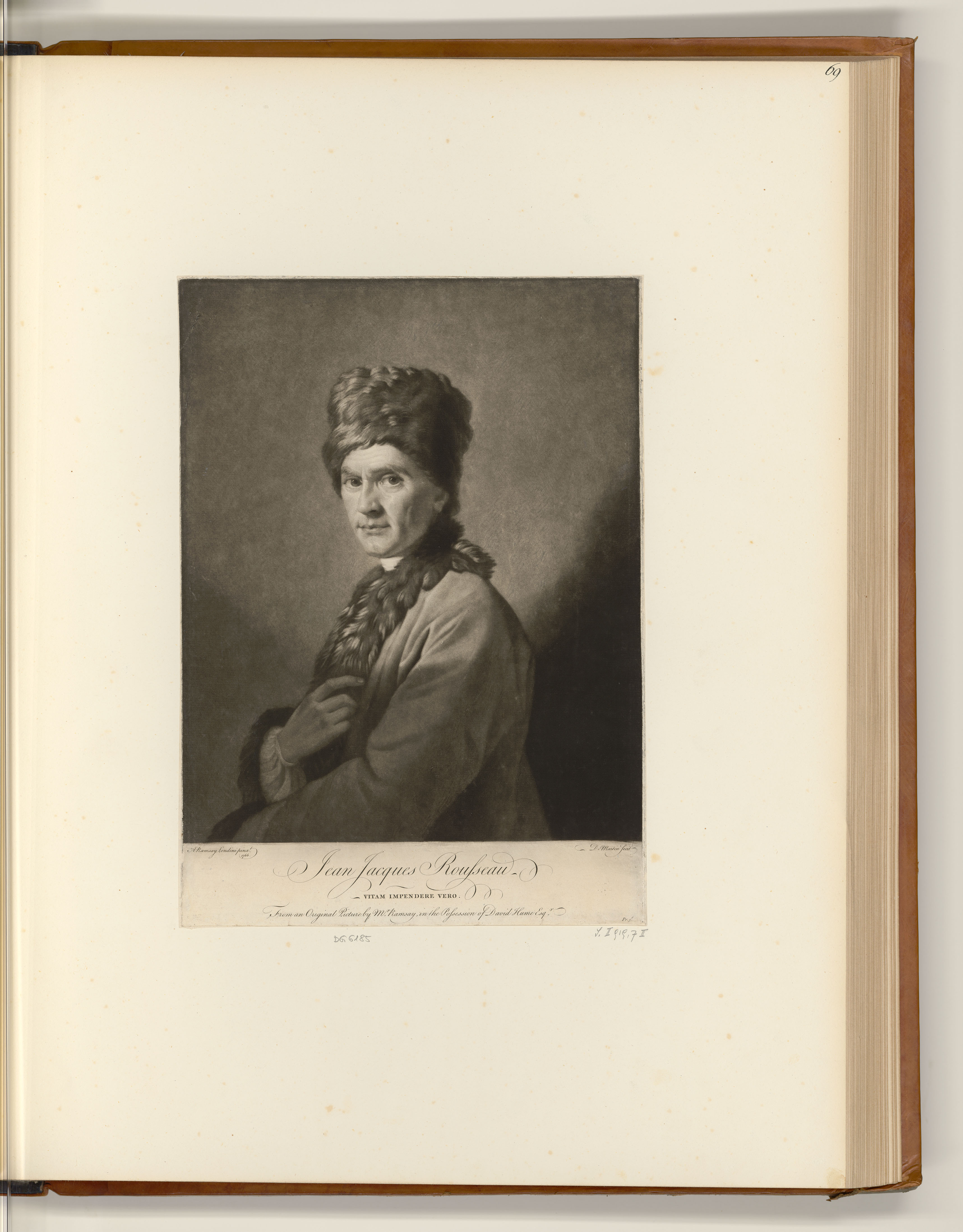 Painting
Primary source
Portrait of Jean Jacques Rousseau
David Martin · 1766
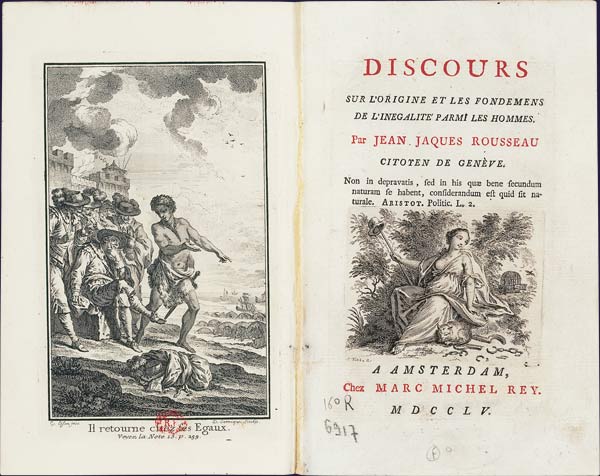 Book
Primary source
Discourse on Inequality
Jean-Jacques Rousseau · 1754 (published 1755)
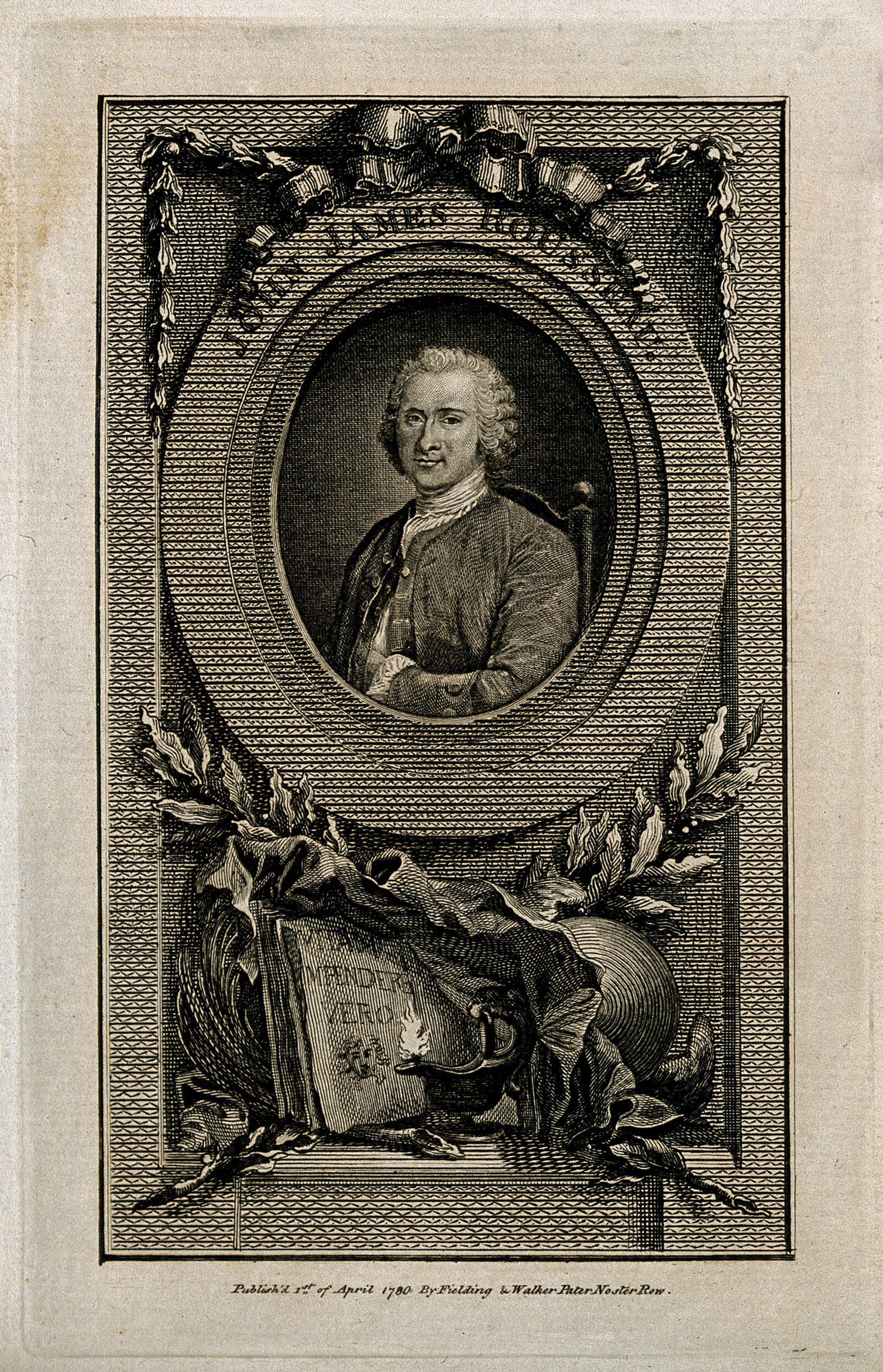 Painting
Secondary source
Engraving of Rousseau after La Tour's Portrait
E. Ficquet, after Maurice Quentin de La Tour · 1780
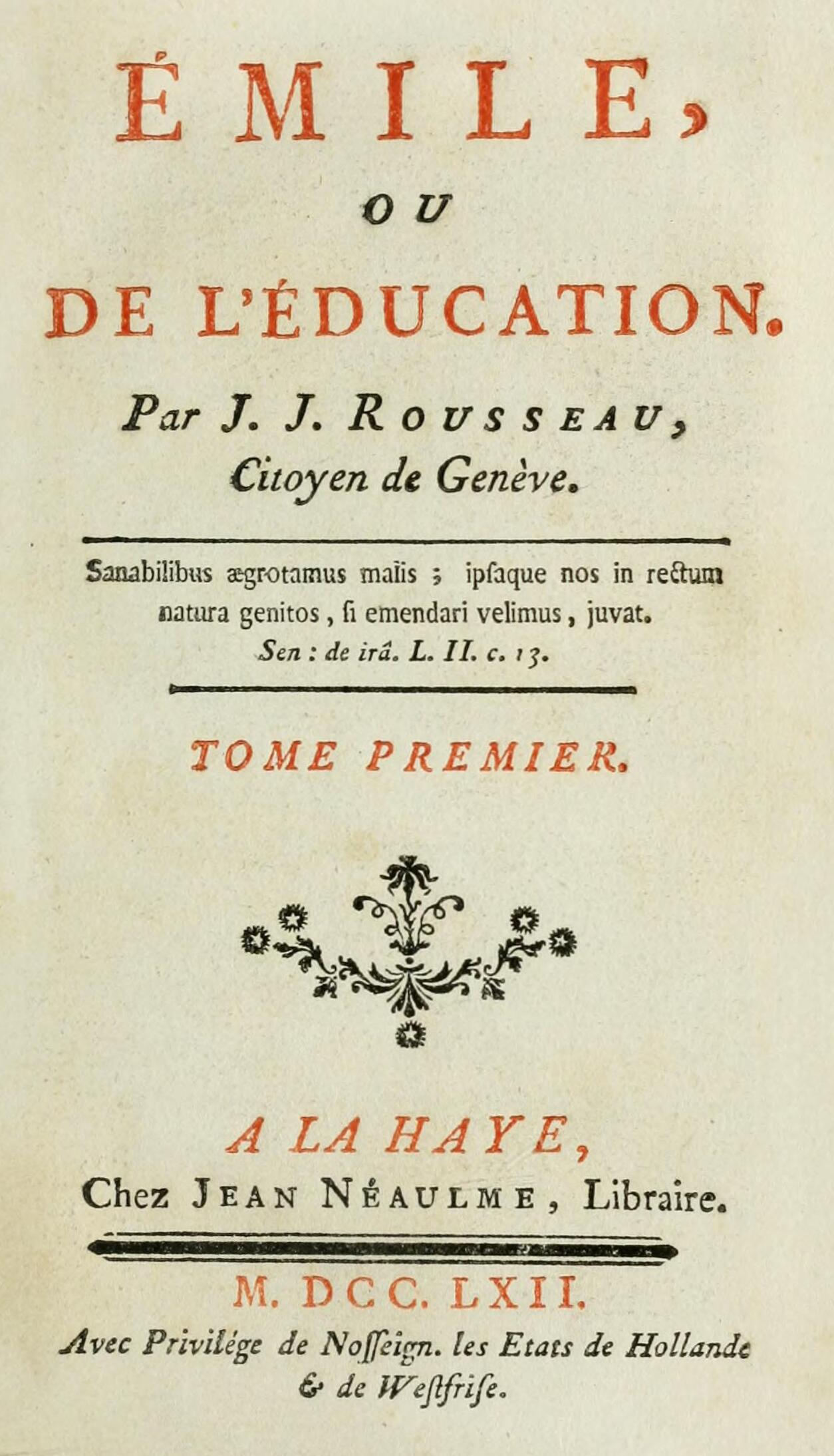 Book
Primary source
Emile, or On Education
Jean-Jacques Rousseau · 1762
Ready when you are
Start chatting with Jean-Jacques Rousseau now.
20 messages free · No credit card · Available in 50+ languages.