


Secondary sourcePainting
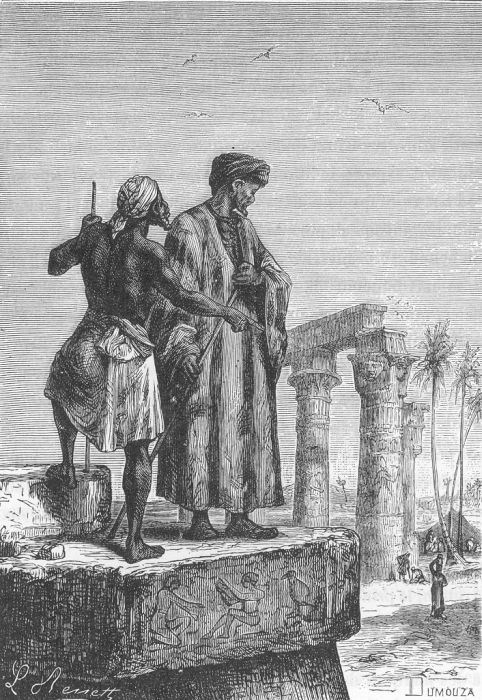
Découverte de la Terre Illustration
Léon Benett
A 19th-century engraving imagining Ibn Battuta among ruins, made for Jules Verne's history of exploration.
A later European illustration imagining Ibn Battuta as a figure in the history of world exploration.
About this source
What it is
This is a black-and-white engraving created for Jules Verne's work on the history of exploration, drawn by Léon Benett (or possibly Paul Philippoteaux). It shows two men standing among ruined columns and palm trees, one pointing forward.
Why it matters
This image was made centuries after Ibn Battuta's life, as part of a 19th-century European project to tell the story of world exploration. It shows how European writers and illustrators like Jules Verne and Léon Benett imagined and presented non-European explorers like Ibn Battuta to their readers, often shaping his image to fit their own ideas of adventure.
Look closer
- What clues in the clothing or setting suggest this is an imagined scene rather than a real depiction?
- Why might a French author in the 19th century want to include Ibn Battuta in a history of exploration?
- What might this illustration get wrong or leave out about Ibn Battuta's actual journeys?
This painting is part of the curated material that grounds the AI version of Ibn Battuta on Humy.ai — when students ask about related events, the AI can quote it and cite it.
More Ibn Battuta sources
Meet the AI Ibn Battuta →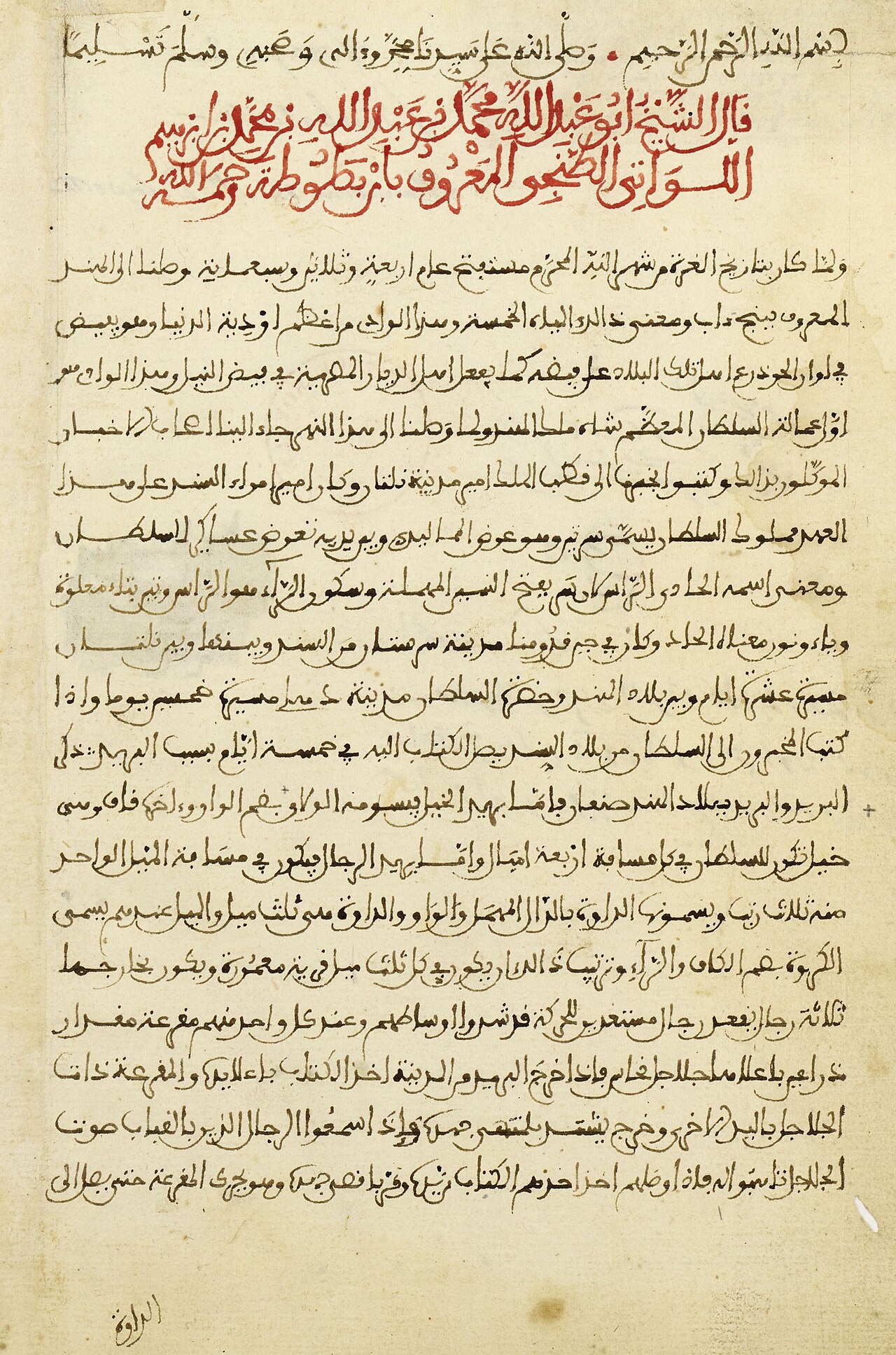 Book
Primary source
The Rihla
Ibn Battuta · 1354-1356
 Book
Primary source
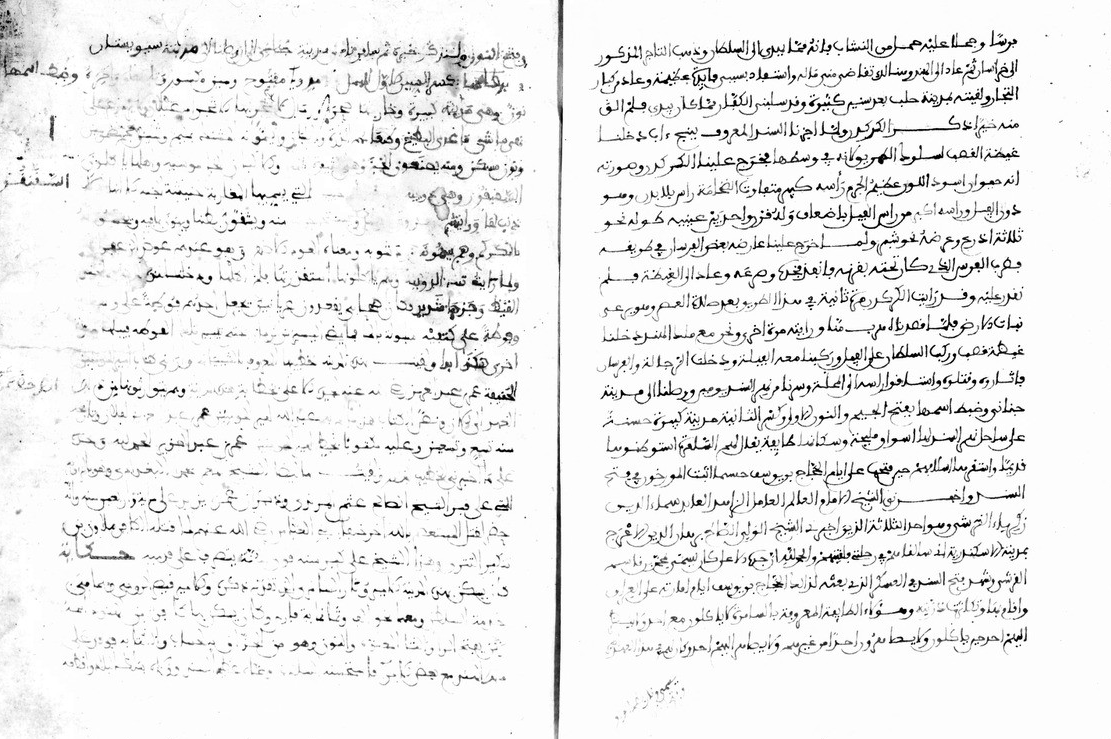
Manuscript of the Rihla by Ibn Juzayy
Ibn Juzayy · 14th century
 Artifact
Secondary source
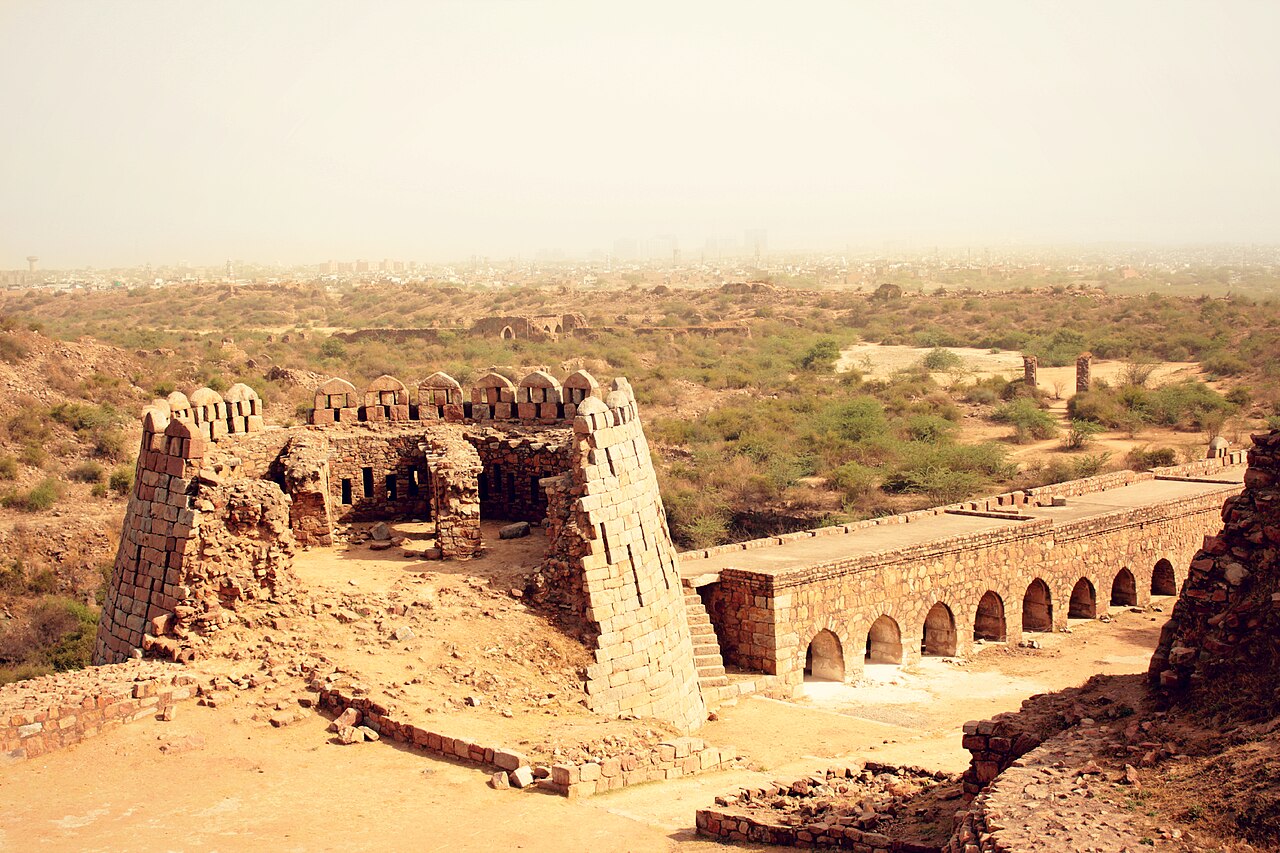
Tughlaqabad Fort
Ghiyath al-Din Tughluq · 1321
 Book
Secondary source
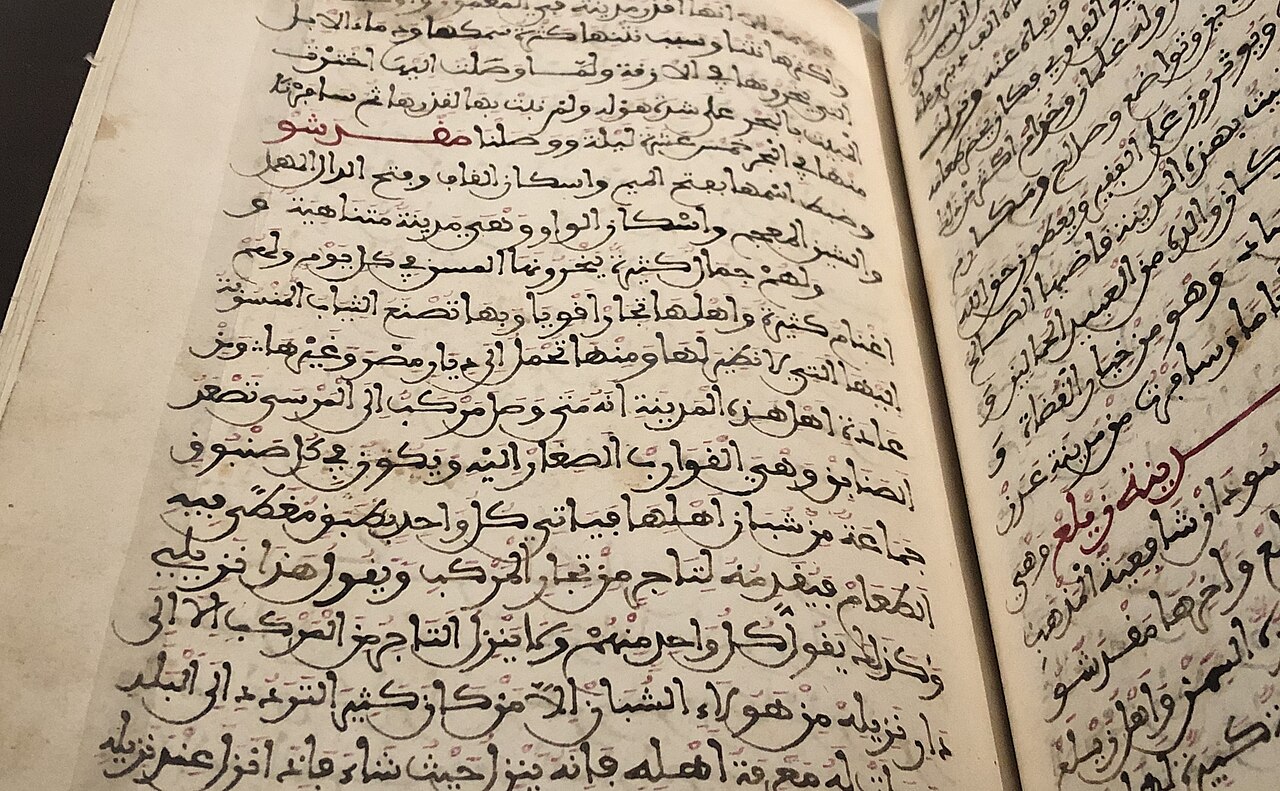
Manuscript copy of the Rihla (1484)
Ibn Juzayy · 1484
 Painting
Primary source
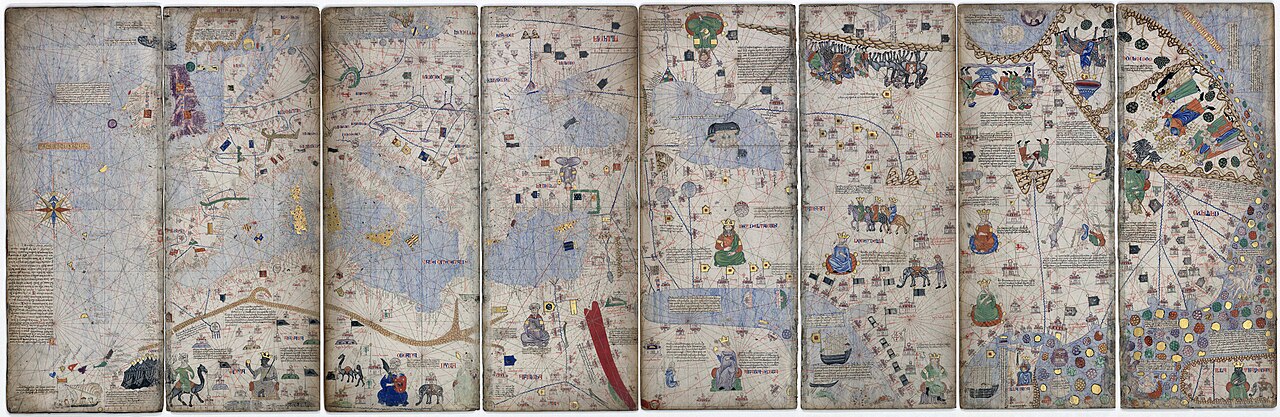
Catalan Atlas
Cresques Abraham · c. 1375
Ready when you are
Start chatting with Ibn Battuta now.
20 messages free · No credit card · Available in 50+ languages.