


Primary sourceArtifact
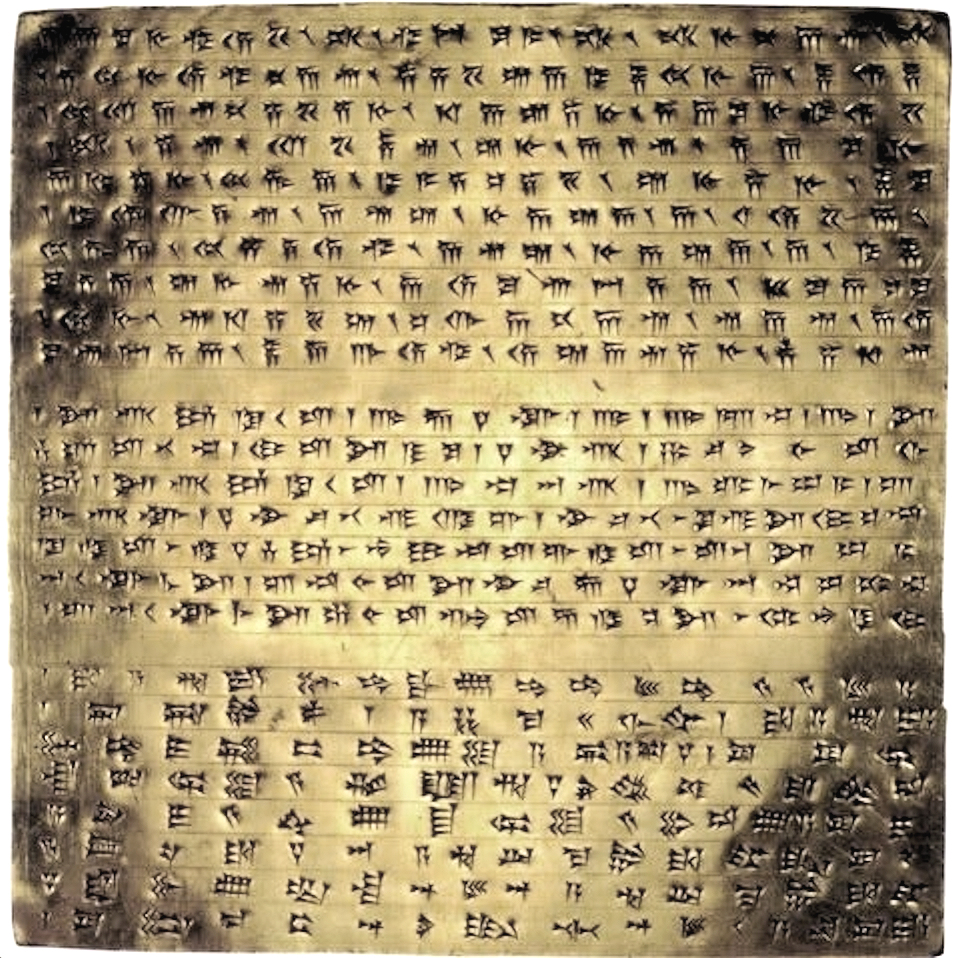
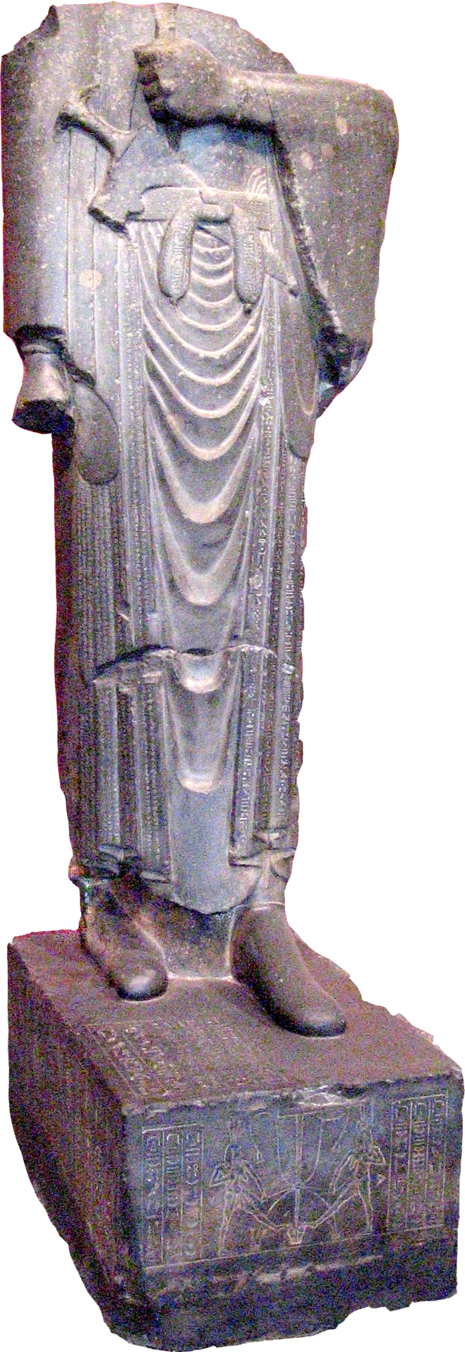
Deposition Plate of Darius I from Persepolis
Unknown
A foundation plate inscribed in cuneiform in the name of Darius I, recording his building work at Persepolis.
This foundation plate bears Darius I's own name and records his building work at Persepolis.
About this source
What it is
This photograph shows a golden-brown foundation plate covered in rows of cuneiform wedge-shaped writing, with scorched or stained patches at its edges. It is inscribed in the name of Darius I and relates to his construction work at Persepolis, the ceremonial capital of the Achaemenid Empire.
Why it matters
Foundation deposits like this were buried under royal buildings to record who built them and why. Because it carries Darius's own name, it is a primary record of his role as a builder of the empire's great capital, not just a later retelling of his achievements.
Look closer
- What do the darker, scorched-looking areas suggest happened to this plate over time?
- Why might a ruler want a written record buried inside the foundations of a building rather than displayed openly?
- What does this object tell us about how Achaemenid kings wanted to be remembered?
This artifact is part of the curated material that grounds the AI version of Darius the Great on Humy.ai — when students ask about related events, the AI can quote it and cite it.
More Darius the Great sources
Meet the AI Darius the Great →

Ready when you are
Start chatting with Darius the Great now.
20 messages free · No credit card · Available in 50+ languages.