


Primary sourceBook1782
Der Erlkönig
Johann Wolfgang von Goethe · 1782
Goethe's famous ballad about a boy carried through the night by his father and pursued by a supernatural Erlking.
Goethe wrote this ballad, adapting folk material into supernatural verse, showing his range as a poet.
About this source
What it is
"Erlkönig" is a poem by Johann Wolfgang von Goethe, originally written for a 1782 Singspiel. It tells of a father riding at night with his son, who claims to see and hear a supernatural being, the Erlking.
Why it matters
Called Goethe's most famous ballad, it shows how he transformed folk material into dramatic verse: the story derives from a traditional Danish ballad, reaching Goethe through Johann Gottfried Herder's German translation. The poem later inspired many composers, most famously Franz Schubert, whose musical setting is one of his best-known works.
Look closer
- Why does the father refuse to believe what the son says he sees and hears?
- How does Goethe build tension and fear using only dialogue?
- What does the poem's borrowing from folklore tell us about how writers reuse old stories?
This book is part of the curated material that grounds the AI version of Johann Wolfgang von Goethe on Humy.ai — when students ask about related events, the AI can quote it and cite it.
More Johann Wolfgang von Goethe sources
Meet the AI Johann Wolfgang von Goethe →Primary source
Faust
Johann Wolfgang von Goethe · drafted 1770s-1831
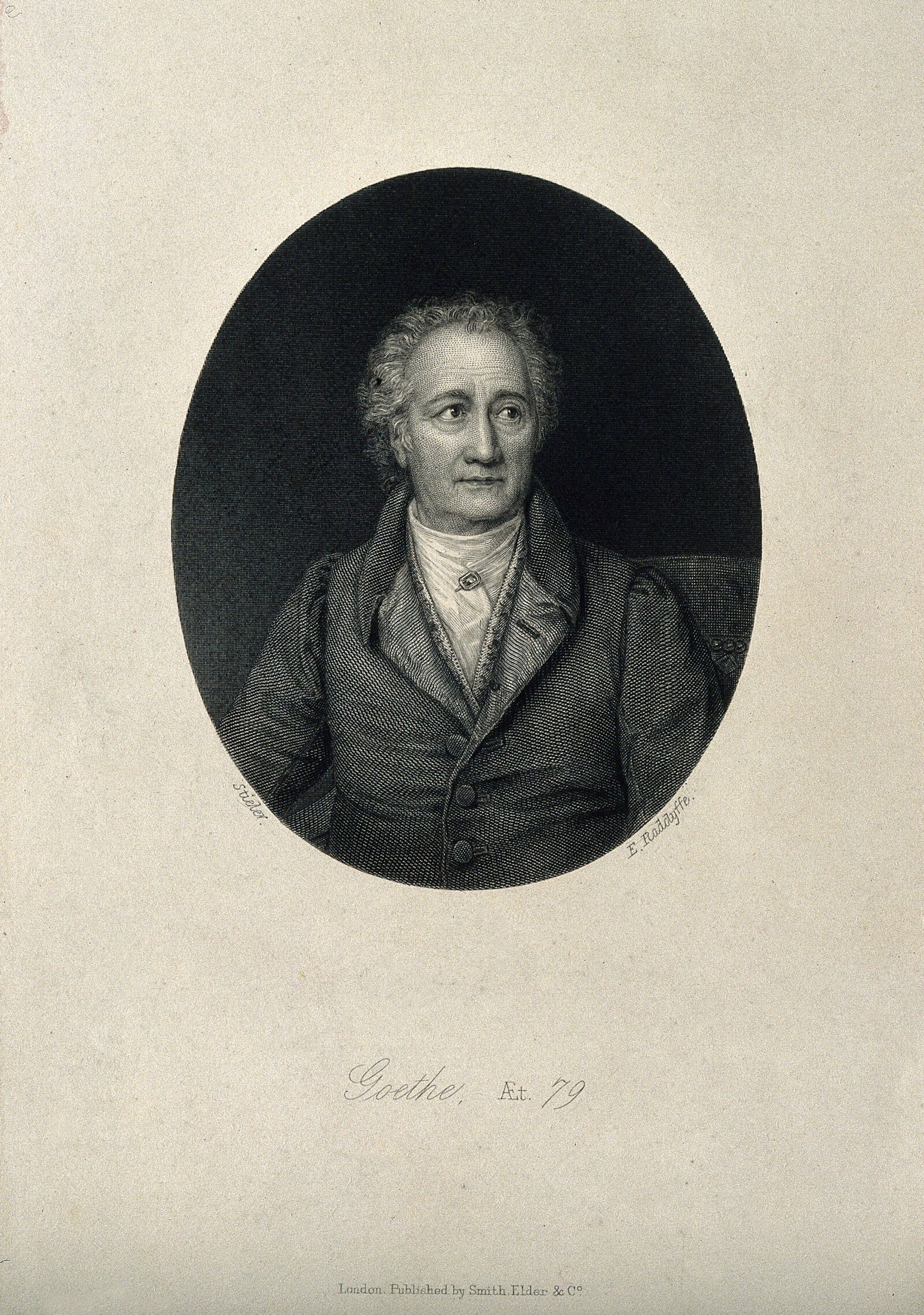 Painting
Primary source
Goethe Line Engraving by Radclyffe after Stieler
E. Radclyffe after J. K. Stieler · 1828
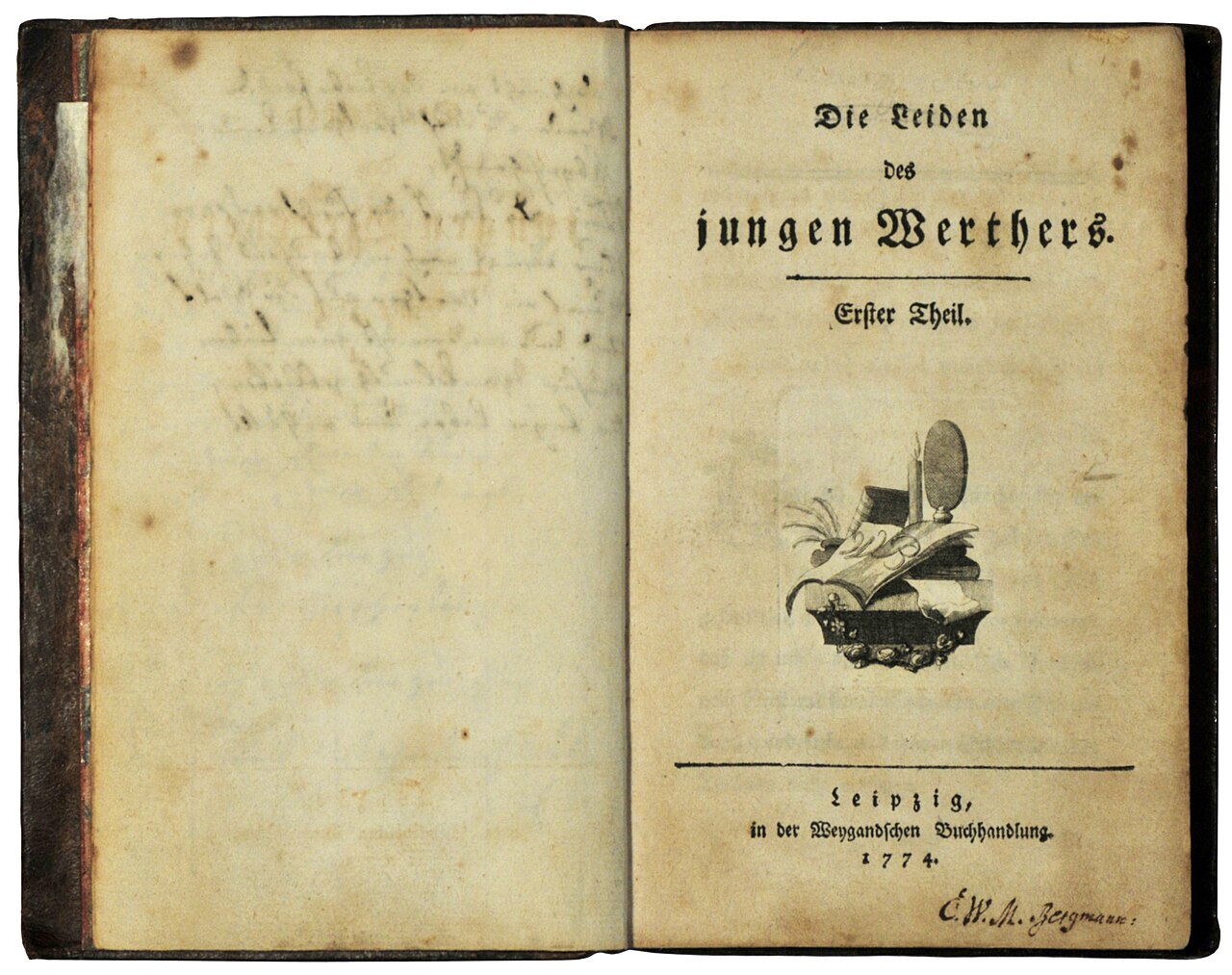 Book
Primary source
The Sorrows of Young Werther
Johann Wolfgang von Goethe · 1774
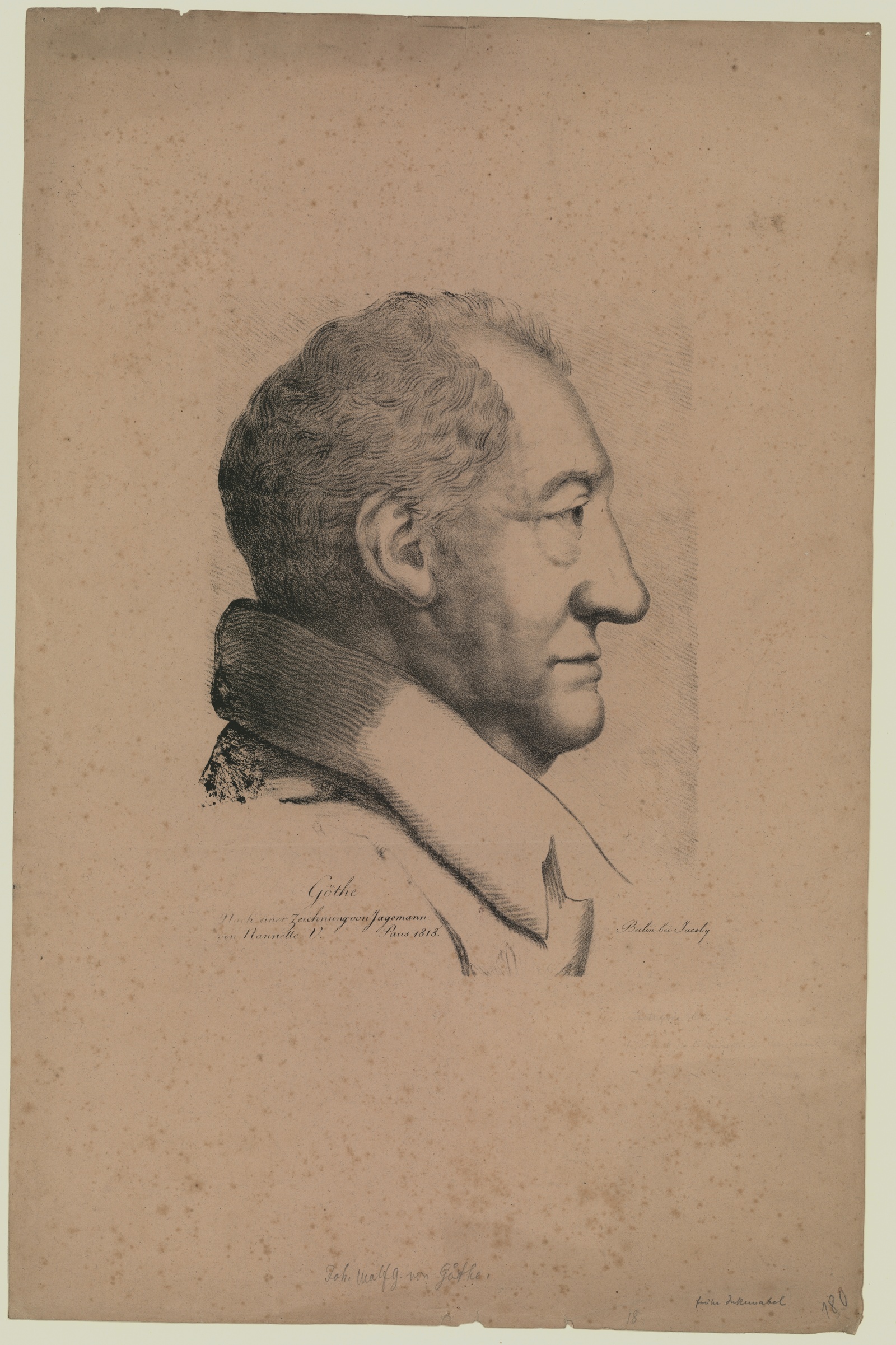 Painting
Primary source
Lithograph Portrait of Goethe by Jagemann and Nanette
F. Jagemann and Nanette · c. 1818
Primary source
Prometheus
Johann Wolfgang von Goethe · written 1772-1774, published 1789
Ready when you are
Start chatting with Johann Wolfgang von Goethe now.
20 messages free · No credit card · Available in 50+ languages.