


Primary sourceBookdrafted 1770s-1831
Faust
Johann Wolfgang von Goethe · drafted 1770s-1831
Goethe's lifelong dramatic masterwork about a scholar's pact with the devil, written across his entire career.
Faust is Goethe's own life-work, central to understanding his ideas about striving and redemption.
About this source
What it is
Faust is a two-part tragedy by Johann Wolfgang von Goethe, mostly written in rhymed verse. He began drafting it in the 1770s and only finished Part Two in 1831, shortly before his death; it was published posthumously.
Why it matters
Faust is considered Goethe's magnum opus and one of the greatest works of German literature. It follows a scholar who makes a bargain with the devil-figure Mephistopheles, exploring striving, knowledge, love and redemption. Because Goethe worked on it for decades, the play reflects how his thinking changed over his whole life, moving from personal drama in Part One to broader reflections on society, history and philosophy in Part Two.
Look closer
- Why might an author spend almost sixty years writing one work?
- What does the bargain between Faust and Mephistopheles suggest about Goethe's own ideas of ambition and limits?
- How might the play read differently if written all at once instead of across a lifetime?
This book is part of the curated material that grounds the AI version of Johann Wolfgang von Goethe on Humy.ai — when students ask about related events, the AI can quote it and cite it.
More Johann Wolfgang von Goethe sources
Meet the AI Johann Wolfgang von Goethe →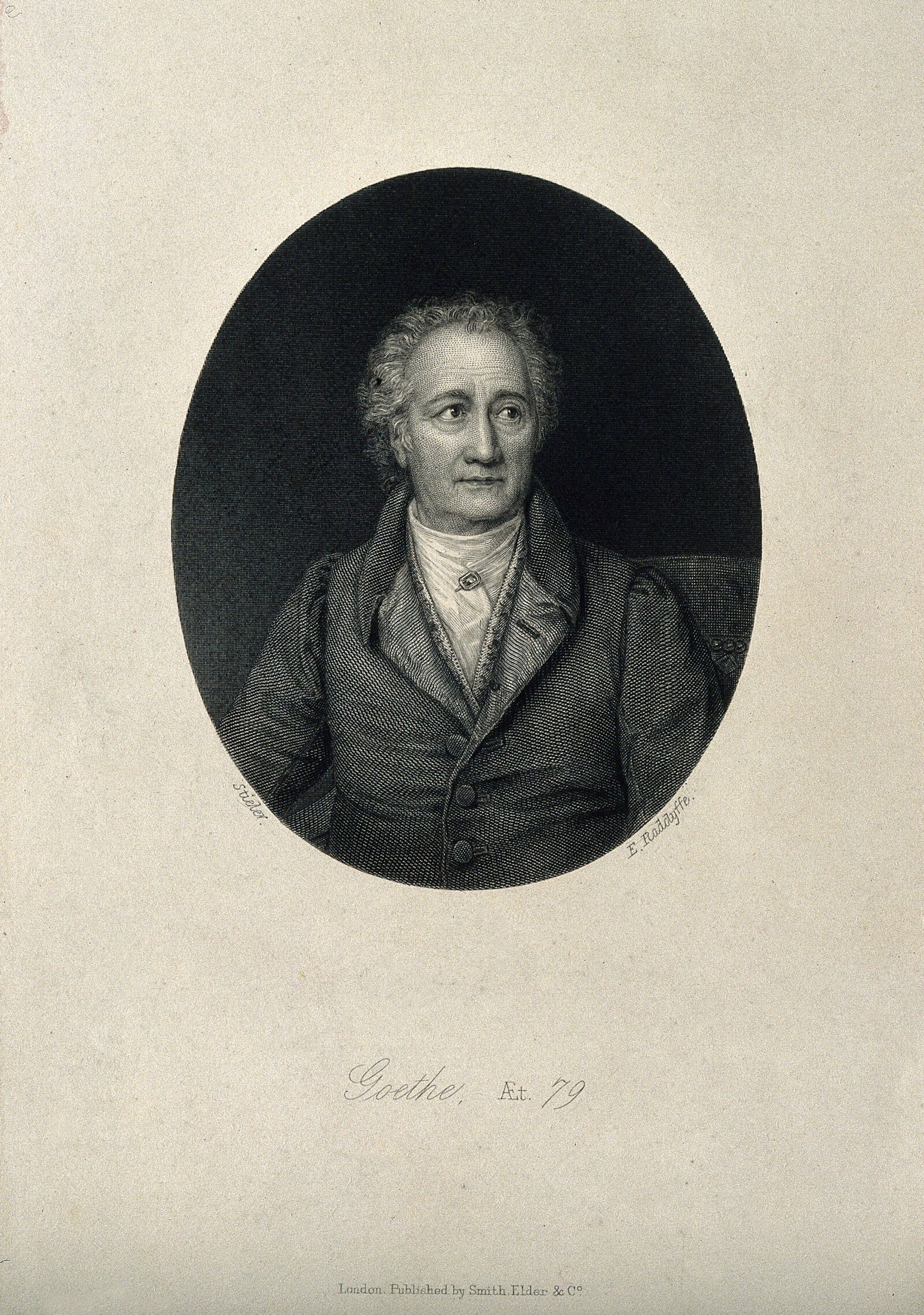 Painting
Primary source
Goethe Line Engraving by Radclyffe after Stieler
E. Radclyffe after J. K. Stieler · 1828
 Book
Primary source
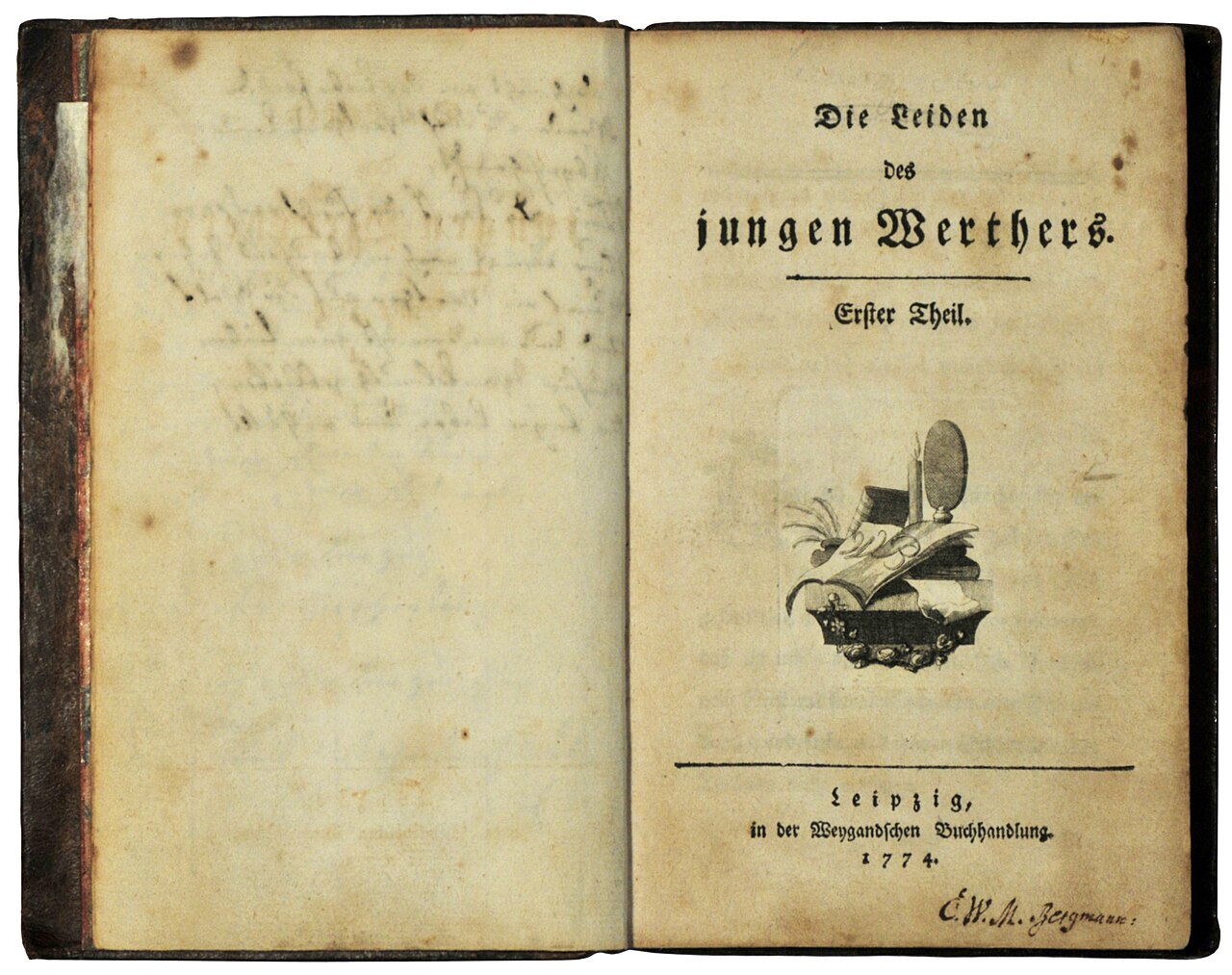
The Sorrows of Young Werther
Johann Wolfgang von Goethe · 1774
 Painting
Primary source
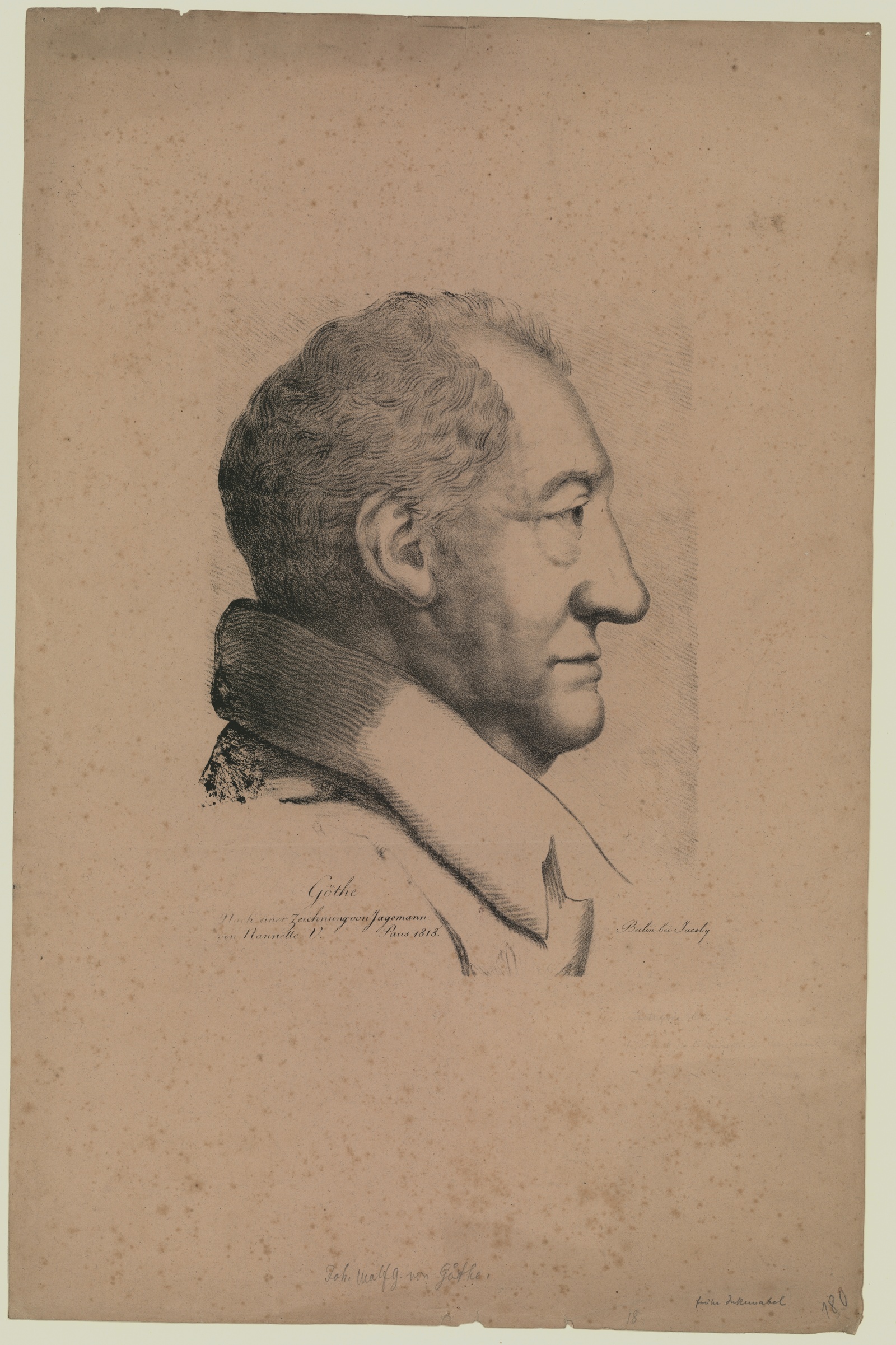
Lithograph Portrait of Goethe by Jagemann and Nanette
F. Jagemann and Nanette · c. 1818
Primary source
Der Erlkönig
Johann Wolfgang von Goethe · 1782
Primary source
Prometheus
Johann Wolfgang von Goethe · written 1772-1774, published 1789
Ready when you are
Start chatting with Johann Wolfgang von Goethe now.
20 messages free · No credit card · Available in 50+ languages.