


Primary sourceBook1774
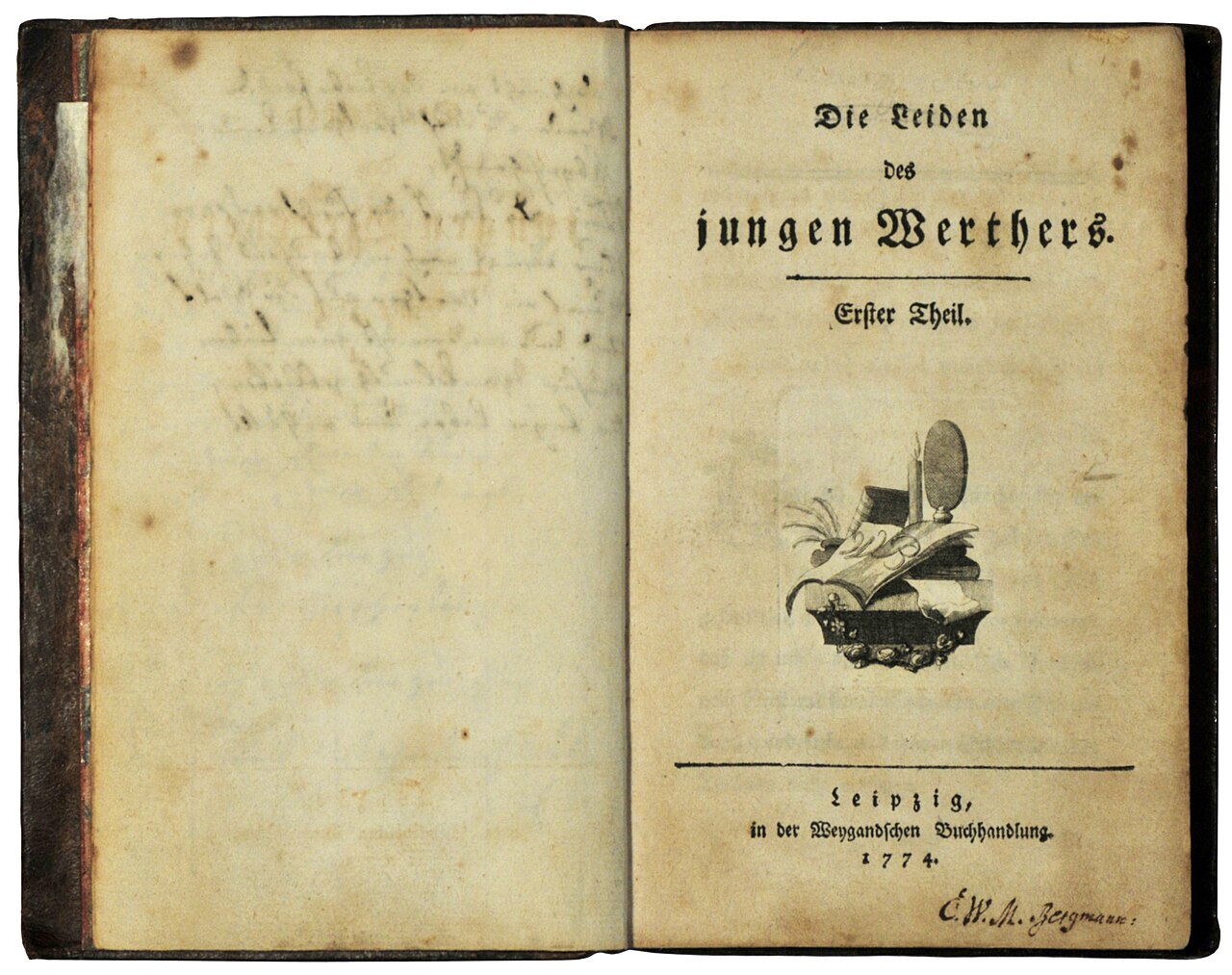
The Sorrows of Young Werther
Johann Wolfgang von Goethe · 1774
Goethe's 1774 epistolary novel of unrequited love and suicide, which made him an international literary celebrity at 24.
Goethe wrote this novel drawing on his own unrequited love, and it made him a European celebrity at 25.
About this source
What it is
The Sorrows of Young Werther is an epistolary novel written by Johann Wolfgang von Goethe in 1774, revised in 1787. Presented as letters from a young artist named Werther, it tells of his hopeless love for Charlotte, who is engaged to another man.
Why it matters
The novel was one of the key works of the Sturm und Drang movement and influenced later Romanticism. It drew directly on Goethe's own life: his unrequited love for Charlotte Buff in Wetzlar, and the real suicide of an acquaintance, Karl Wilhelm Jerusalem, who shot himself after a similarly impossible love. The book's huge success made the 25-year-old Goethe famous across Europe almost overnight.
Look closer
- Why might young readers across Europe have identified so strongly with Werther's feelings?
- What does it tell us about Goethe that he turned painful real events into fiction?
- What is left out when real people and events are reshaped into a novel?
This book is part of the curated material that grounds the AI version of Johann Wolfgang von Goethe on Humy.ai — when students ask about related events, the AI can quote it and cite it.
More Johann Wolfgang von Goethe sources
Meet the AI Johann Wolfgang von Goethe →Primary source
Faust
Johann Wolfgang von Goethe · drafted 1770s-1831
 Painting
Primary source
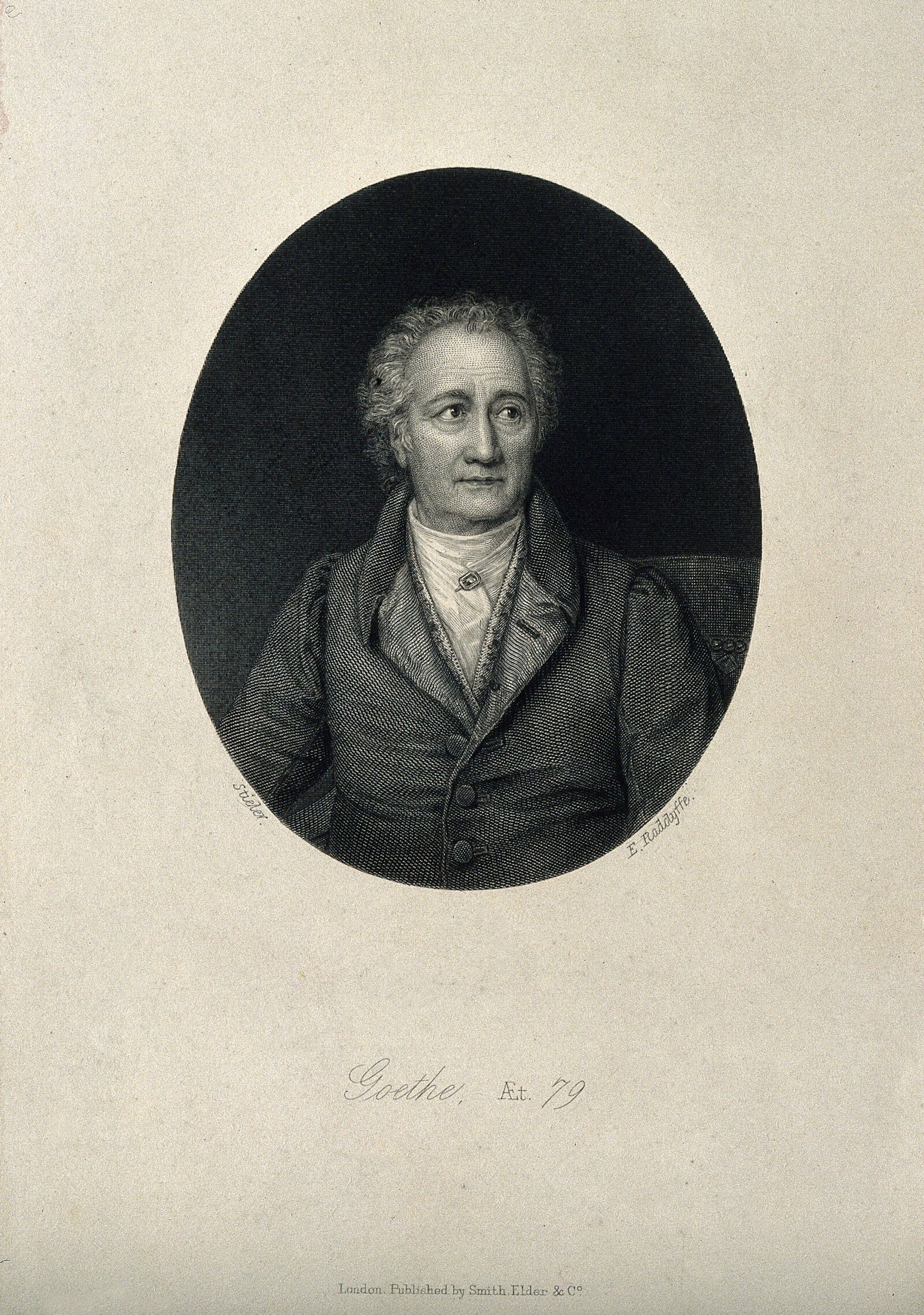
Goethe Line Engraving by Radclyffe after Stieler
E. Radclyffe after J. K. Stieler · 1828
 Painting
Primary source
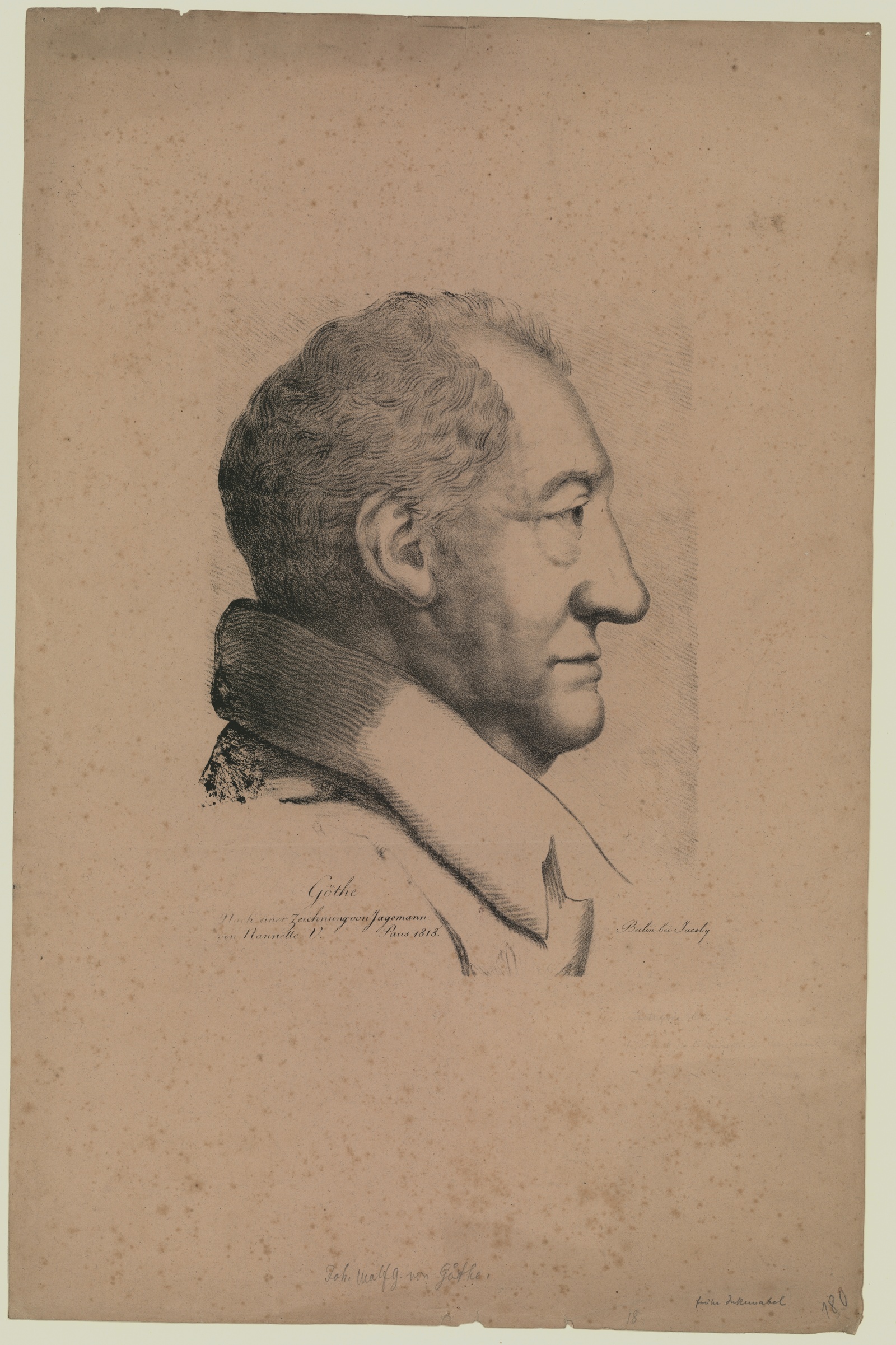
Lithograph Portrait of Goethe by Jagemann and Nanette
F. Jagemann and Nanette · c. 1818
Primary source
Der Erlkönig
Johann Wolfgang von Goethe · 1782
Primary source
Prometheus
Johann Wolfgang von Goethe · written 1772-1774, published 1789
Ready when you are
Start chatting with Johann Wolfgang von Goethe now.
20 messages free · No credit card · Available in 50+ languages.