


Secondary sourceBookc. 2nd century AD
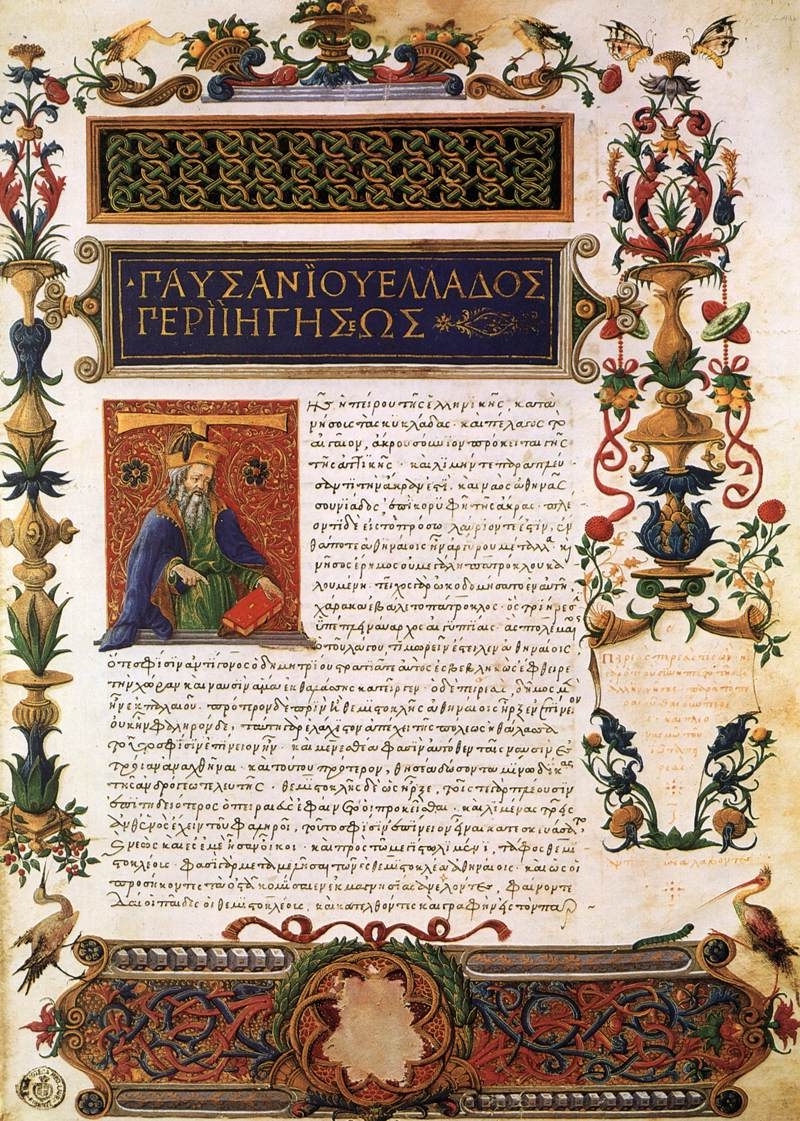
Description of Greece
Pausanias · c. 2nd century AD
A 2nd-century travel account by Pausanias describing sacred sites and monuments of Greece, including a statue of Sophocles and legends about his burial.
Describes a statue of Sophocles and a legend about his burial, showing his legendary status centuries after his death.
About this source
What it is
The Description of Greece is the only surviving work of the geographer Pausanias, written in the 2nd century. It records his travels through mainland Greece, focusing on religious sites, statues, and local legends.
Why it matters
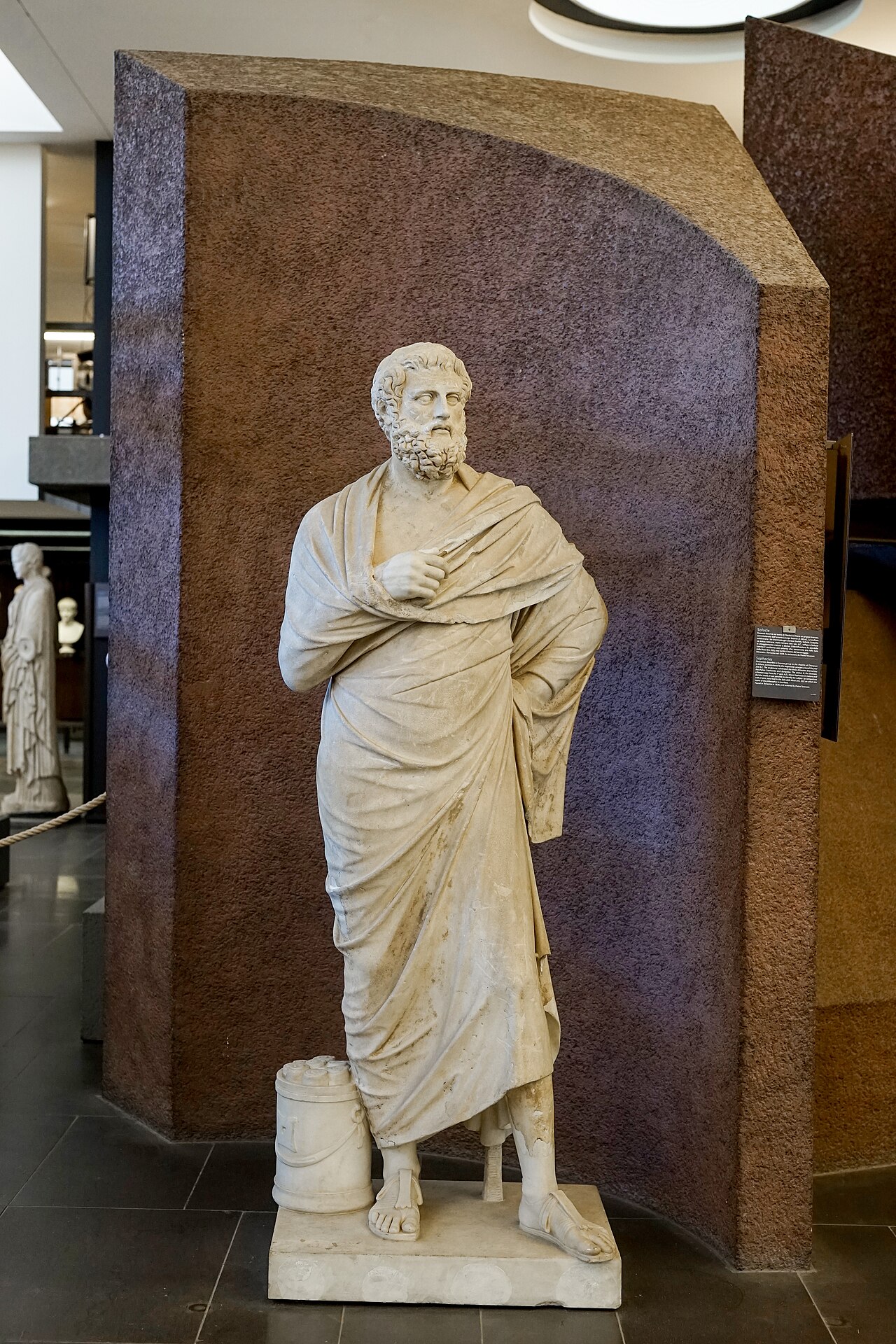
Pausanias describes a statue of Sophocles standing in the Theatre of Dionysus in Athens, and recounts a legend that the god Dionysus himself ensured Sophocles received proper burial at Decelea. These passages show how, centuries after his death, Sophocles had become a figure of legend as well as history, honored with public monuments and woven into religious stories.
Look closer
- Why might Pausanias, writing centuries after Sophocles lived, include a legend about divine intervention in his burial?
- What does the existence of a statue in a public theatre tell us about how Athens remembered its great playwrights?
- How should historians treat a mix of fact and legend like this when trying to learn about a real historical person?
This book is part of the curated material that grounds the AI version of Sophocles on Humy.ai — when students ask about related events, the AI can quote it and cite it.
More Sophocles sources
Meet the AI Sophocles →Primary source
Oedipus Rex
Sophocles · c. 429 BCE
Primary source
Antigone
Sophocles · c. 441 BCE
Primary source
Oedipus at Colonus
Sophocles · written shortly before 406 BCE; first performed 401 BCE
 Book
Secondary source
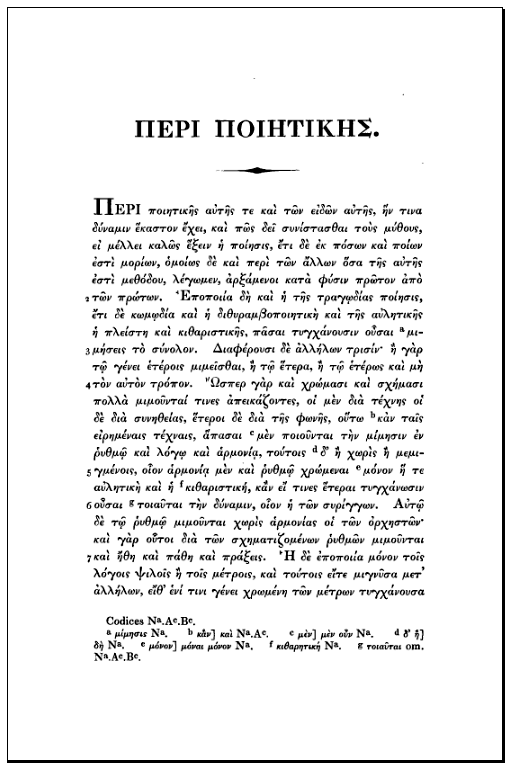
Poetics
Aristotle · c. 335 BCE
 Sculpture
Secondary source
Statue of Sophocles (Lateran type)
Roman copy, 1st century CE, of a Greek original of the 4th century BCE
Ready when you are
Start chatting with Sophocles now.
20 messages free · No credit card · Available in 50+ languages.