


Secondary sourcePainting1830
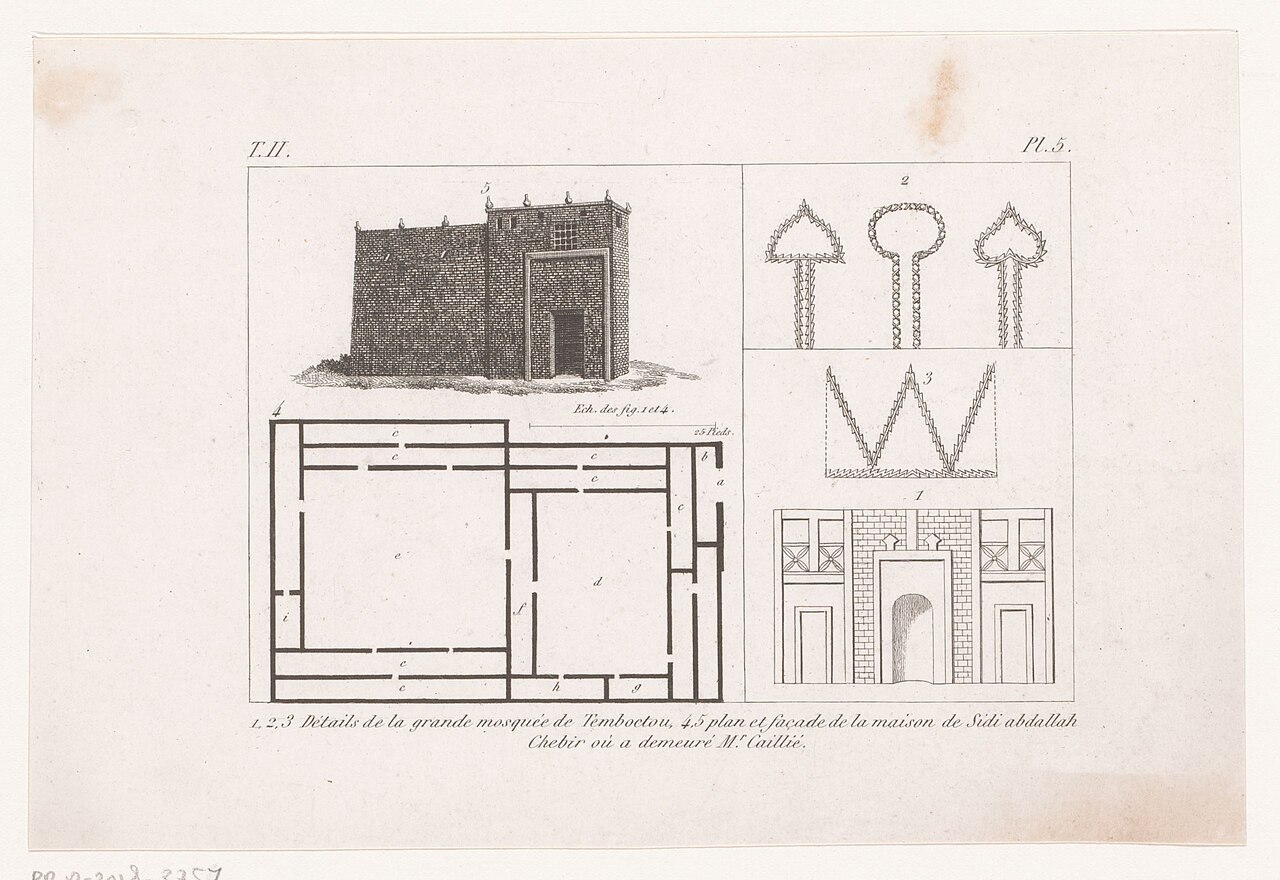
Details of the Djinguereber Mosque and the House of Sidi Abdallah Chebir
François Louis Couché · 1830
An 1830 French print showing architectural details of the Djinguereber Mosque, based on René Caillié's travels to Timbuktu.
Depicts architectural details of the Djinguereber Mosque, built during Mansa Musa's reign over Timbuktu.
About this source
What it is
This engraved print from 1830 shows architectural details, a floor plan, and decorative motifs of the Djinguereber Mosque in Timbuktu, along with the house of Sidi Abdallah Chebir where the French traveller René Caillié stayed. It was published in Paris as part of Caillié's travel journal.
Why it matters
The mosque dates to the era of Mansa Musa's rule over the Mali Empire. This print, made from the account of one of the first Europeans to visit and describe Timbuktu, shows how European audiences came to picture the city and its historic buildings centuries after Musa's reign.
Look closer
- Why might an artist in Paris have drawn these details from someone else's travel notes rather than visiting himself?
- What do the plan and decorative details tell you about the mosque's construction?
- What is missing from a technical drawing like this that a photograph might show?
This painting is part of the curated material that grounds the AI version of Mansa Musa on Humy.ai — when students ask about related events, the AI can quote it and cite it.
More Mansa Musa sources
Browse all 38 →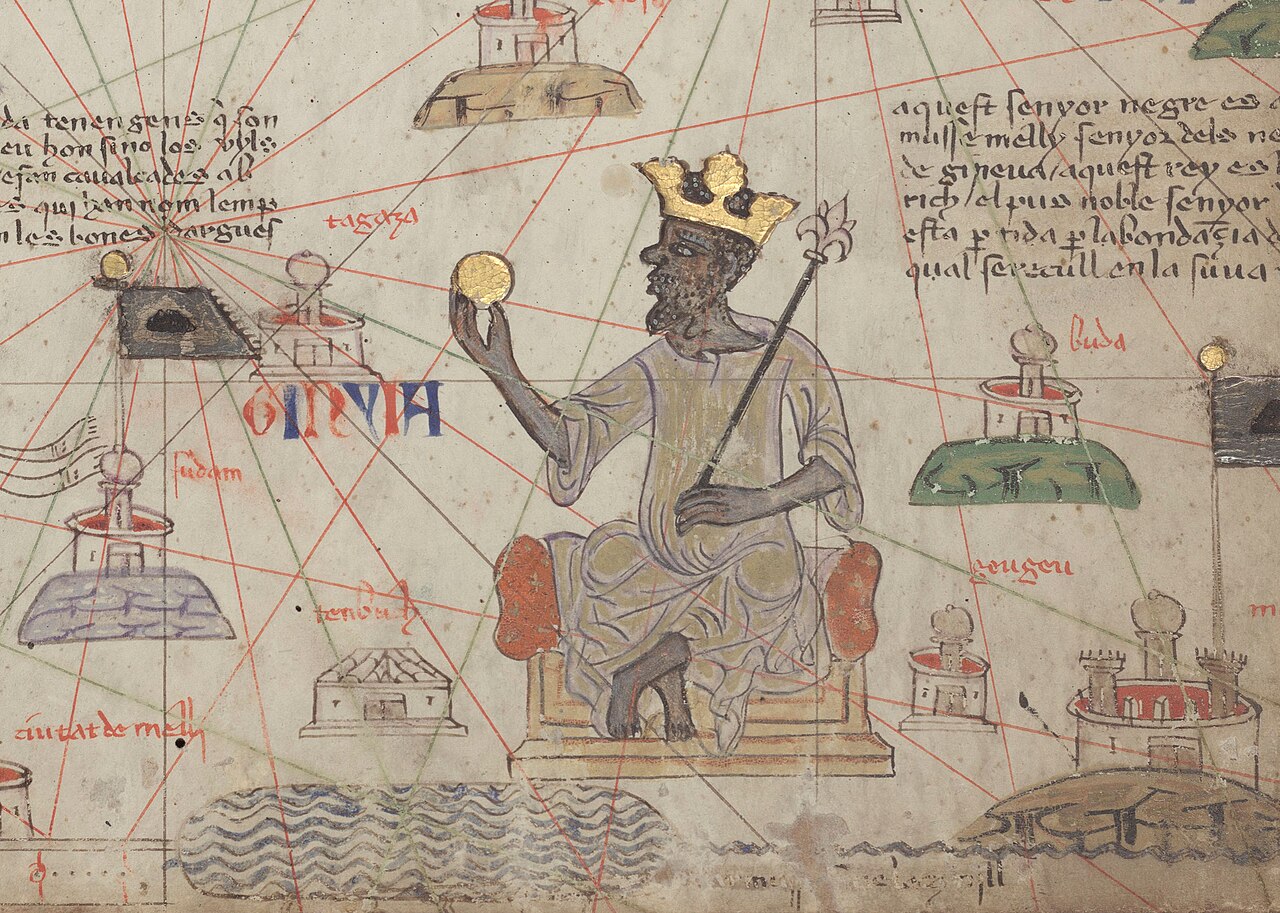 Painting
Secondary source
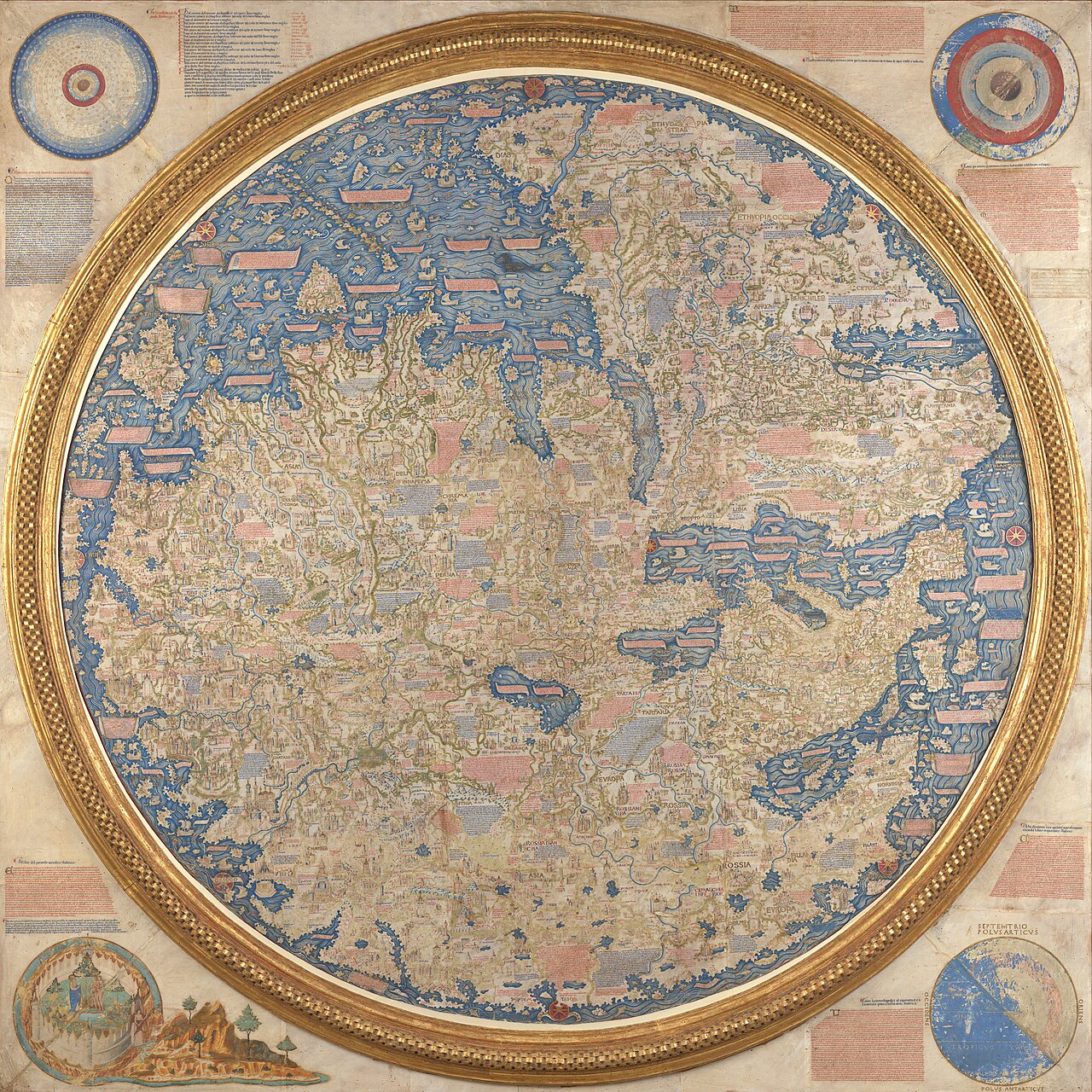
Catalan Atlas: Mansa Musa Enthroned
Abraham Cresques (attributed) · 1375
 Artifact
Secondary source
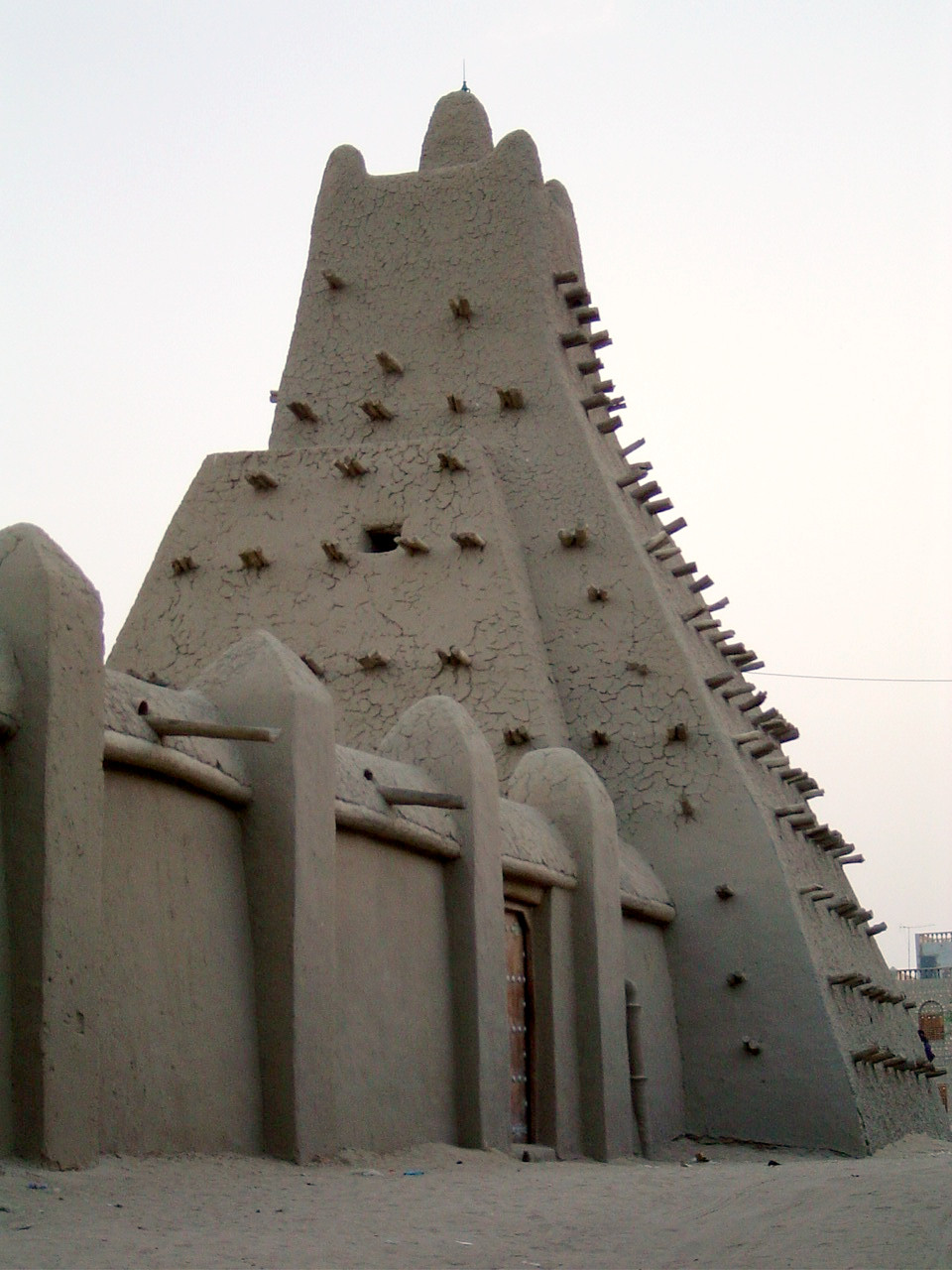
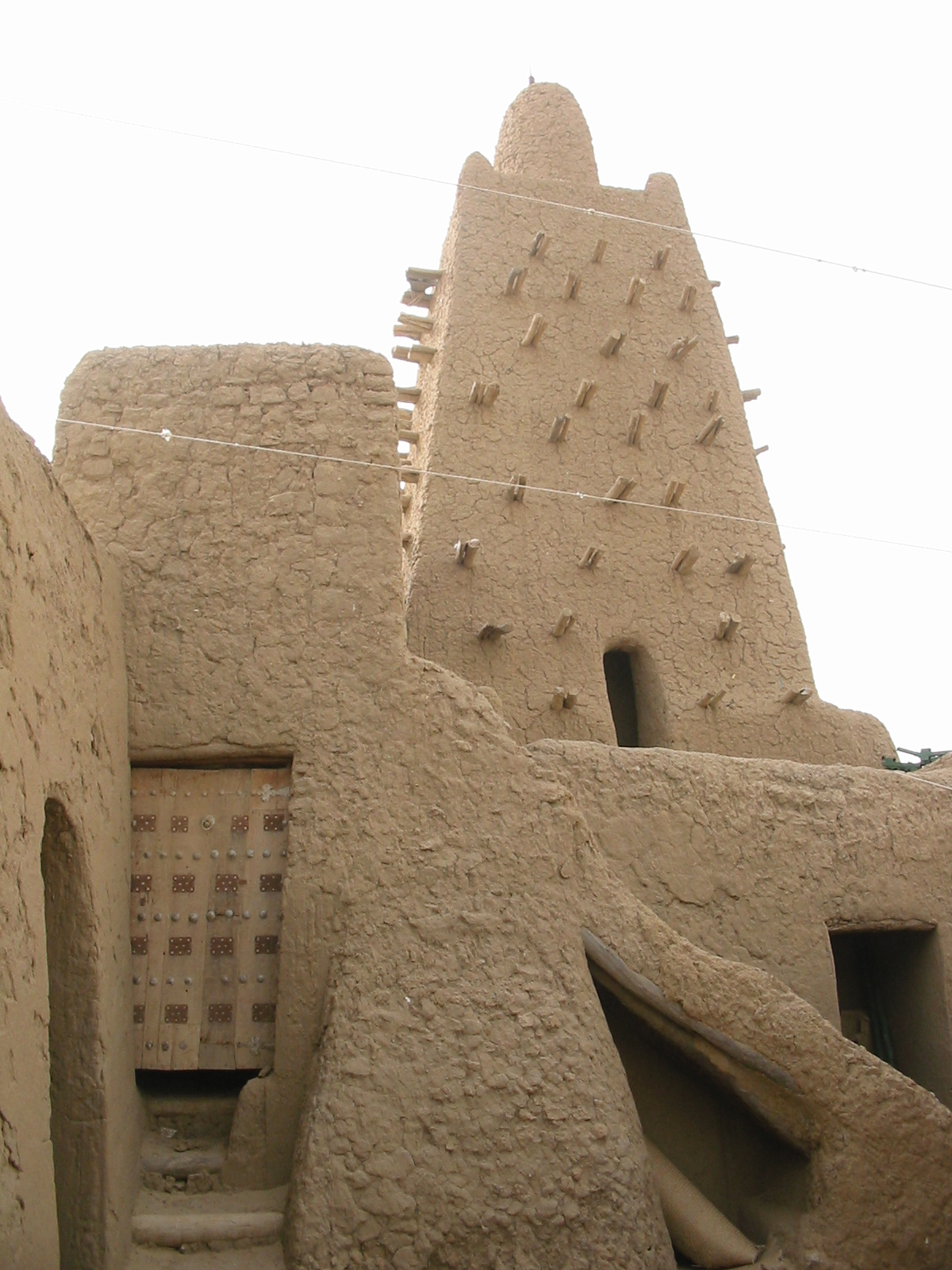
Sankoré Madrasa
14th-15th century
 Painting
Primary source
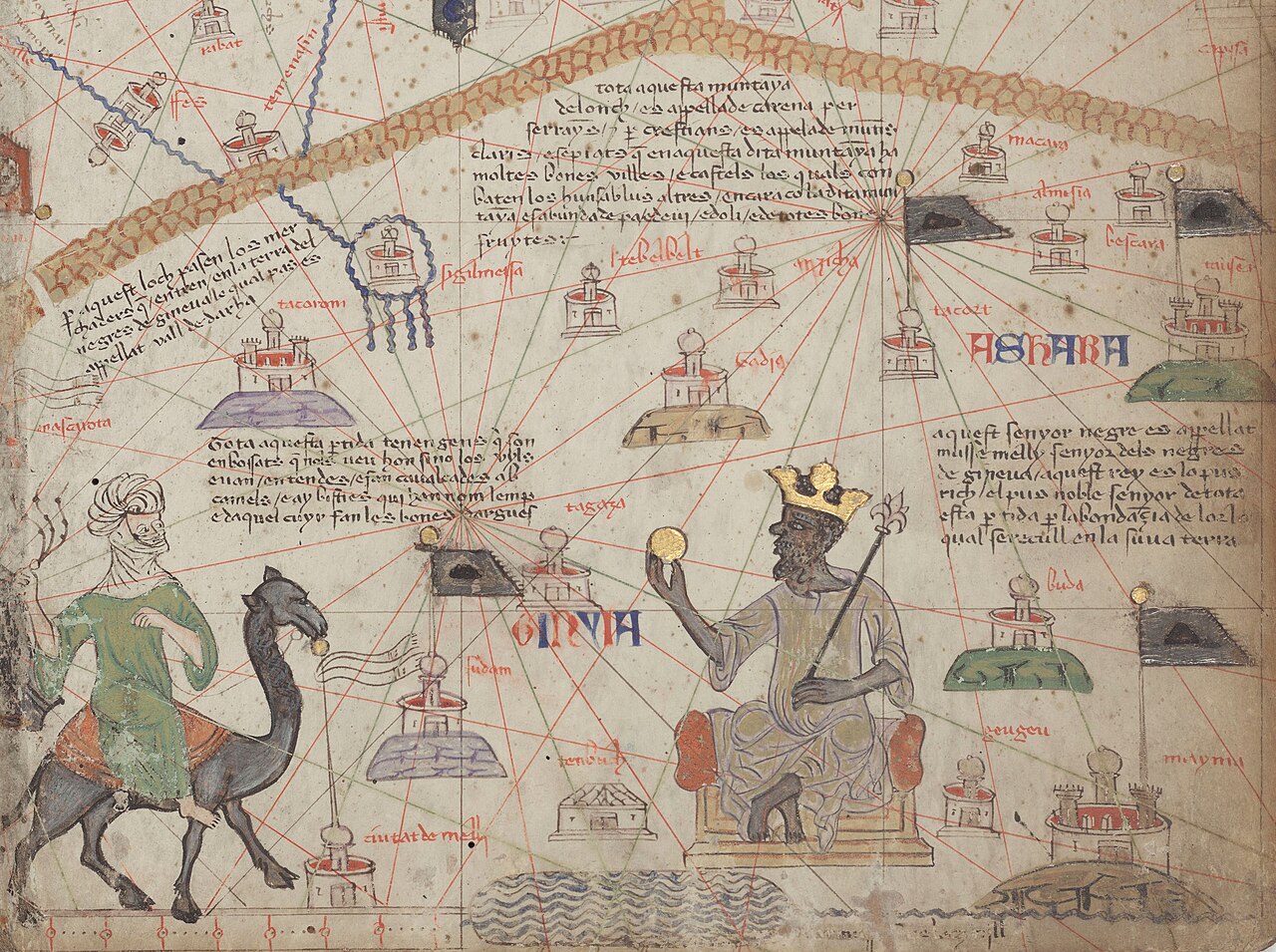
Catalan Atlas, Sheet 6: Western Sahara
Abraham Cresques · 1375
 Artifact
Secondary source
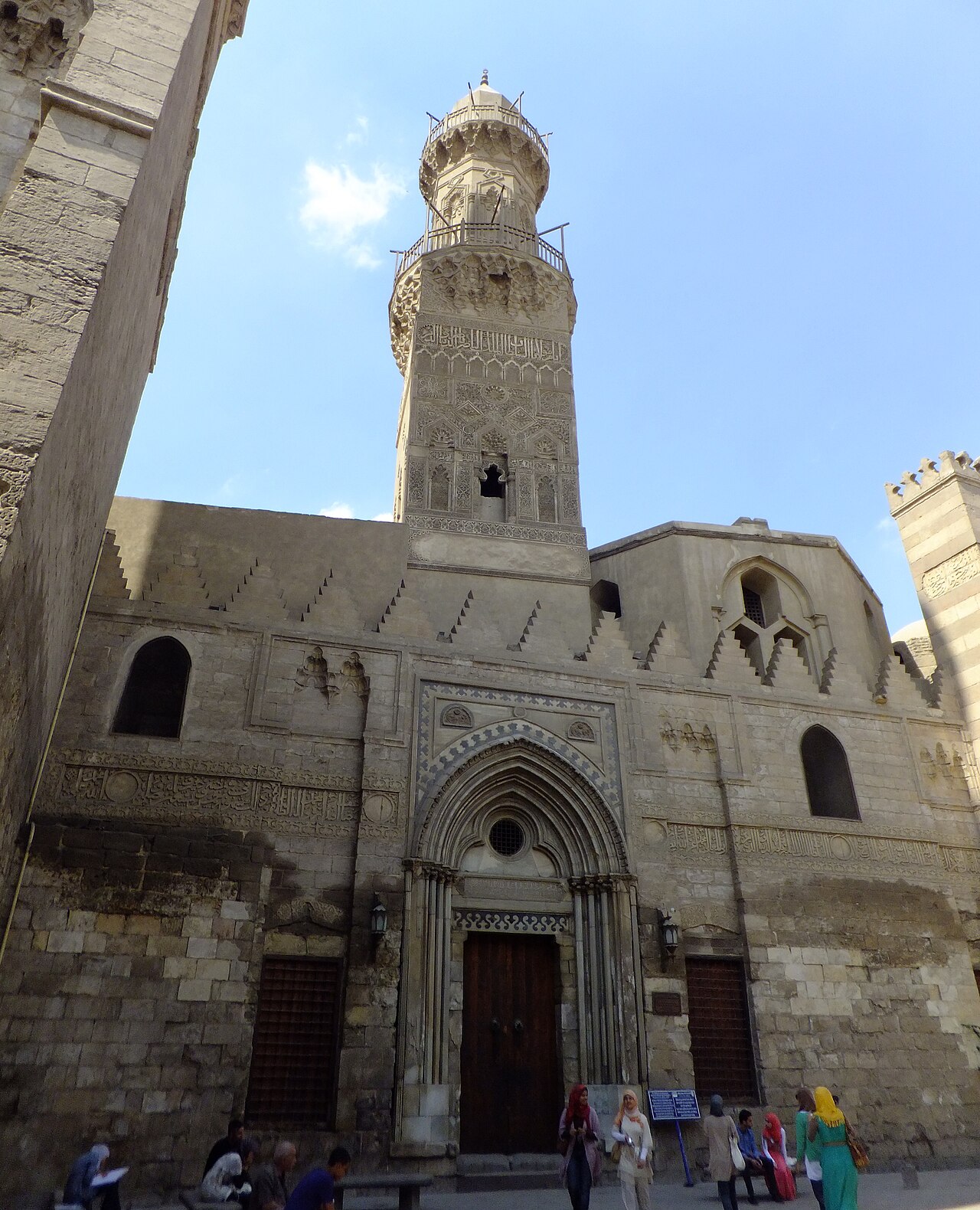
Madrasa of Al-Nasir Muhammad
1303
Free account
Read every Mansa Musa source
Sign up free →
Ready when you are
Start chatting with Mansa Musa now.
20 messages free · No credit card · Available in 50+ languages.