


Primary sourceArtifact1189-1190
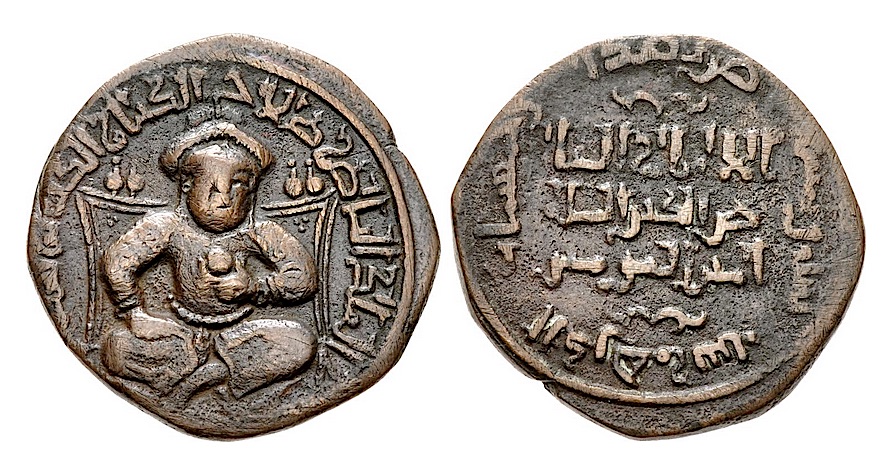
Dirham of Saladin, Mayyafariqin Mint
1189-1190
A bronze coin struck during Saladin's reign, bearing his name and inscriptions, from the Mayyafariqin mint.
This coin, struck in Saladin's name during his reign, is a direct physical trace of his authority as ruler.
About this source
What it is
This is a bronze dirham coin weighing 13.32 grams, struck at the Mayyafariqin mint (in present-day Silvan, Turkey) between 1189 and 1190, during Saladin's reign. The obverse shows a seated human figure holding a cup within a circular Arabic inscription, and the reverse carries several lines of Arabic script. The coin is part of the Coin Collection of the University Library Leipzig, Germany, and has been identified using a scholarly catalogue of Ayyubid coinage.
Why it matters
This coin is a genuine object from Saladin's own time, issued under his authority as ruler. Coins like this were part of a wider tradition among regional dynasties of using human and animal figures on their bronze currency, and they show how Saladin's government organized and controlled its economy.
Look closer
- What does the Arabic inscription suggest about the coin's official purpose?
- Why might a ruler put his name on everyday objects like coins?
- What can a coin tell us about a ruler that a portrait or story cannot?
This artifact is part of the curated material that grounds the AI version of Saladin on Humy.ai — when students ask about related events, the AI can quote it and cite it.
More Saladin sources
Meet the AI Saladin →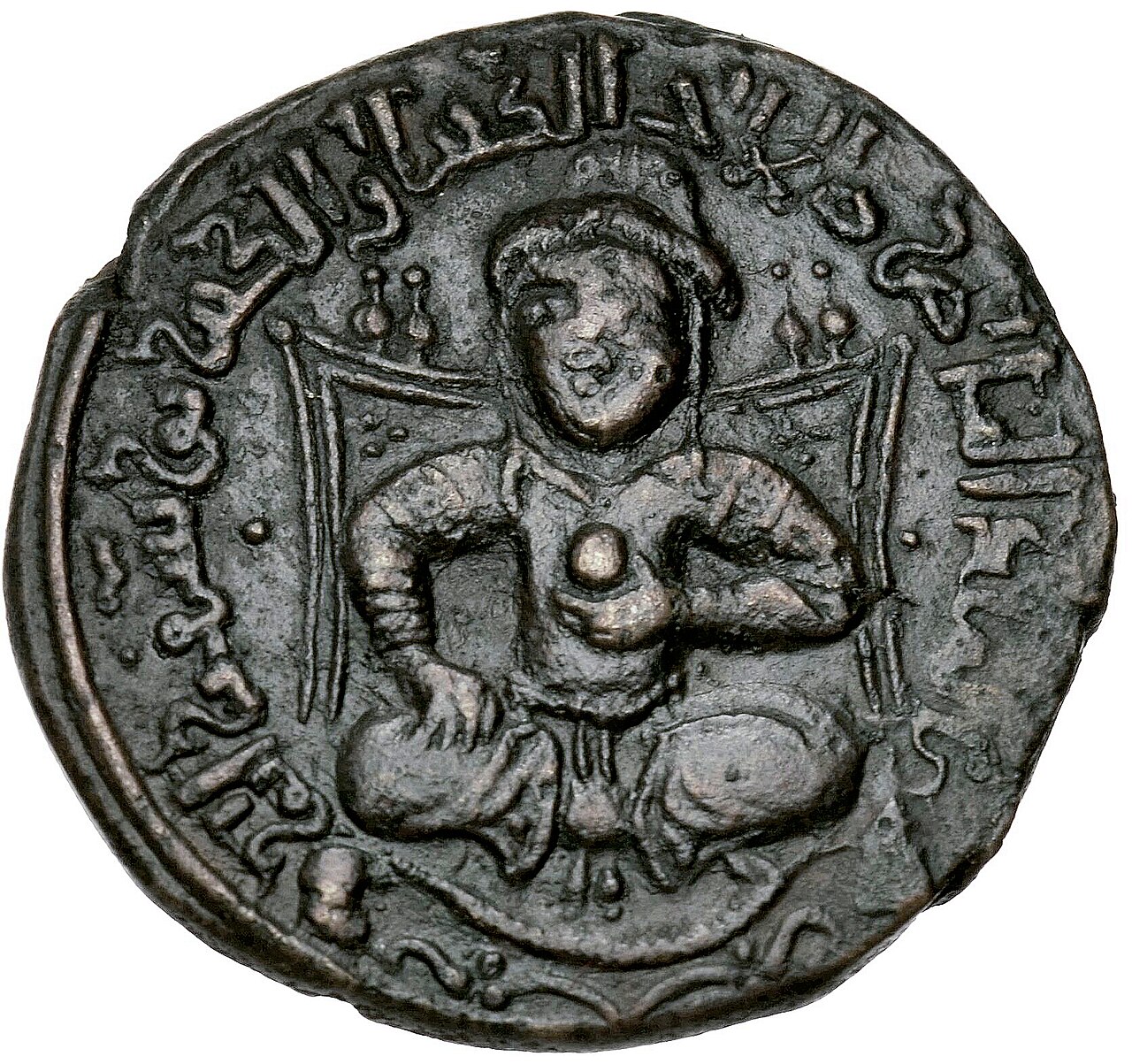 Artifact
Primary source
Dirham of Saladin
AH 586 (AD 1190-91)
 Painting
Secondary source
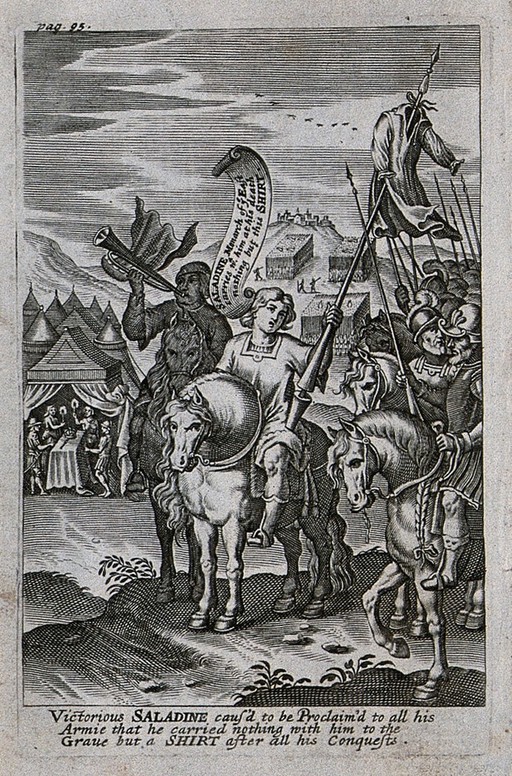
Saladin Proclaims He Will Take Only a Shirt to His Grave
John Payne · 1639
 Artifact
Primary source
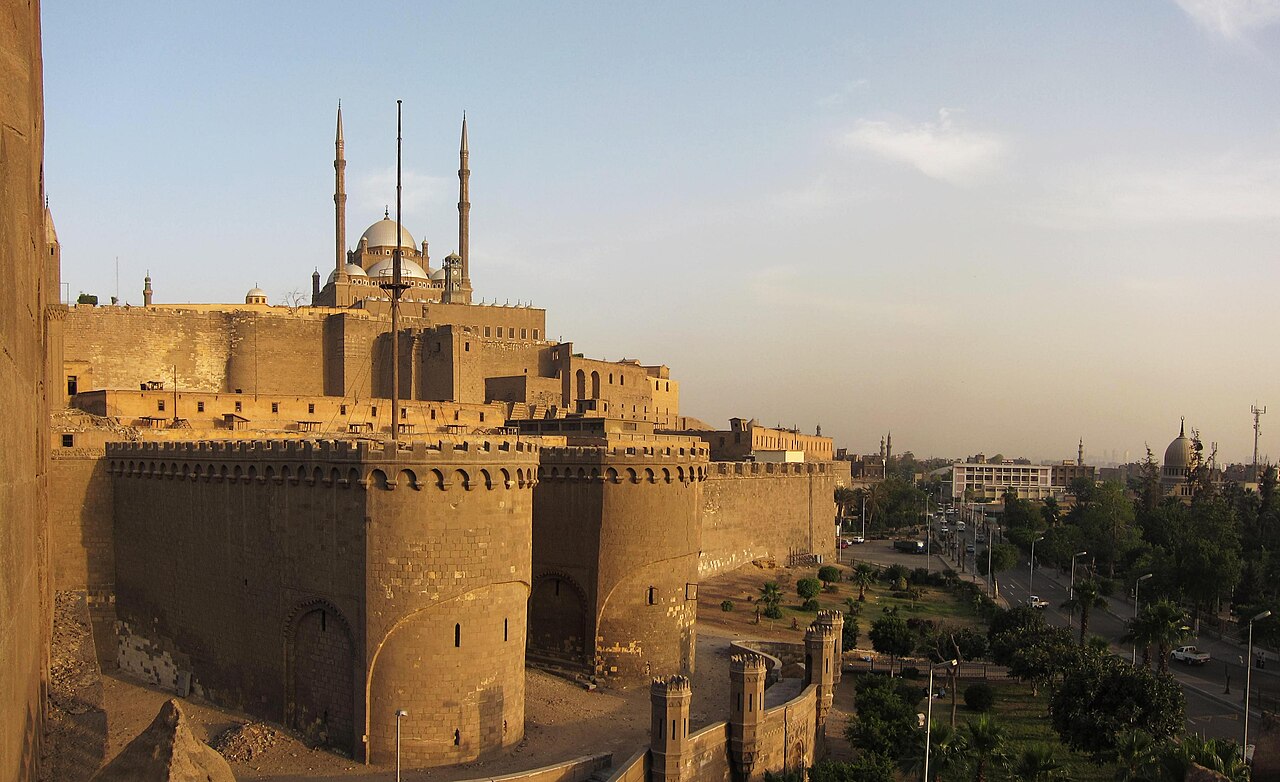
Cairo Citadel
Saladin · begun 1176
 Photograph
Secondary source
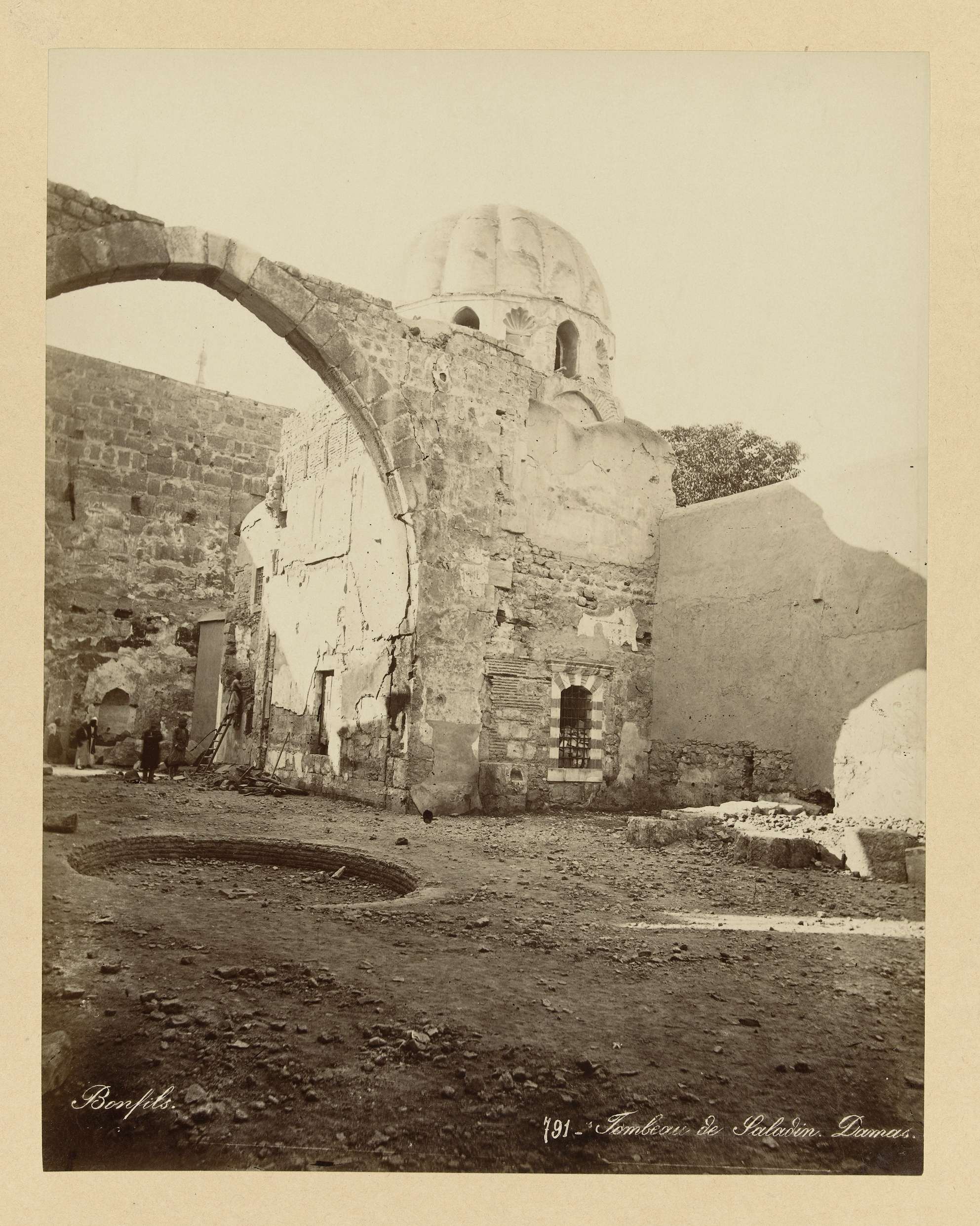
Tomb of Saladin, Damascus
 Painting
Secondary source
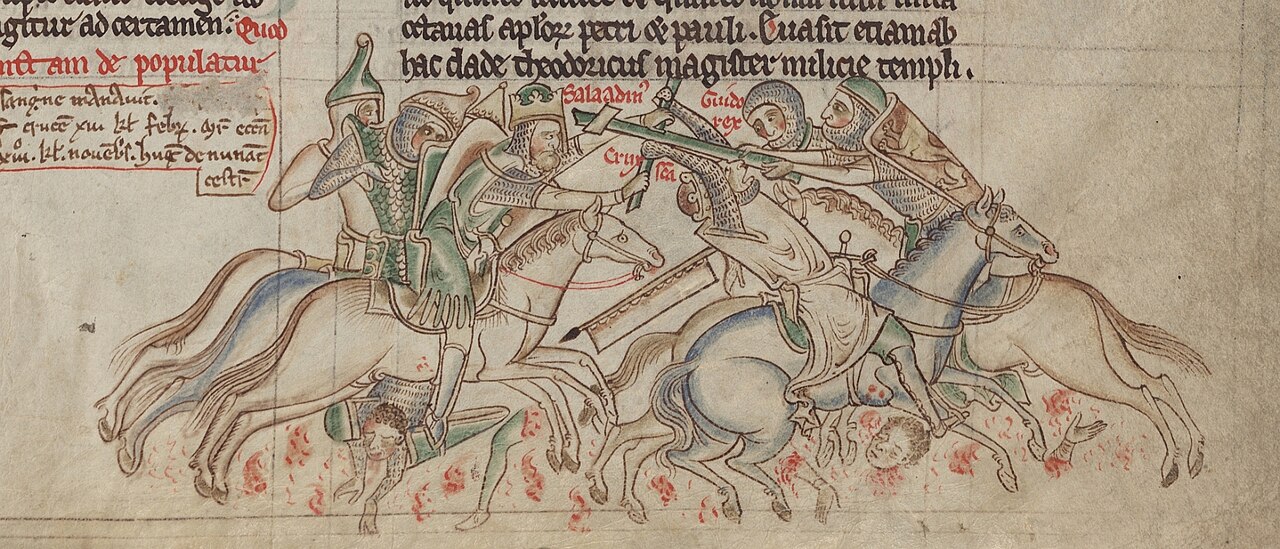
Saladin Seizing the True Cross from Guy of Lusignan
Matthew Paris
Ready when you are
Start chatting with Saladin now.
20 messages free · No credit card · Available in 50+ languages.