


Primary sourceBook1750
Discourse on the Arts and Sciences
Jean-Jacques Rousseau · 1750
Rousseau's 1750 prize-winning essay arguing that the progress of the arts and sciences had corrupted human morality, which first made him famous.
The prize essay that first made Rousseau famous and set the course for his later philosophy.
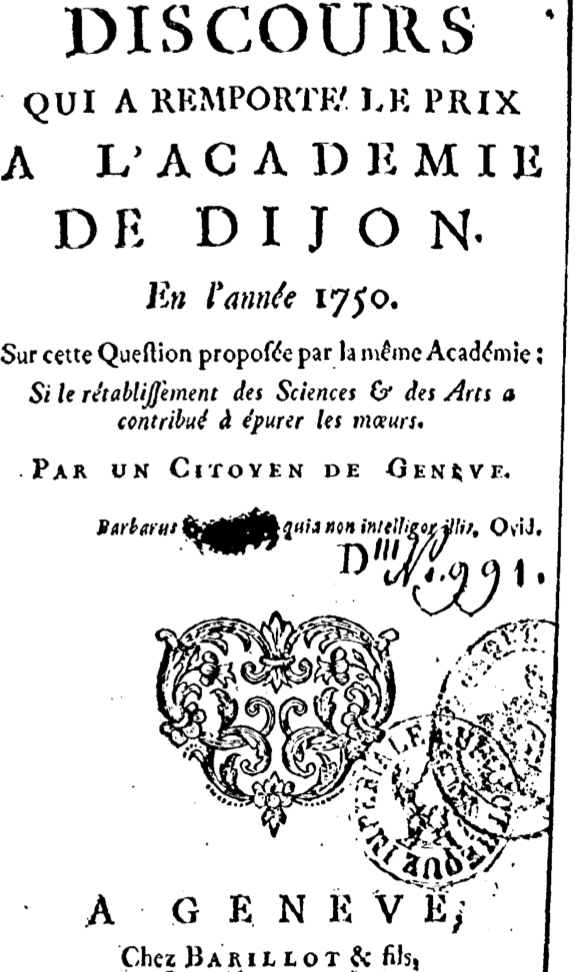
About this source
What it is
This is the title page of the 1750 Geneva edition of Rousseau's prize-winning essay, written for a competition held by the Academy of Dijon on whether the revival of the arts and sciences had helped purify morals. Rousseau answered no, and won the prize.
Why it matters
This was Rousseau's first major published work and launched his career as a philosopher, introducing the idea—central to all his later writing—that civilization, rather than improving people, corrupts their natural goodness. Its success turned Rousseau, previously a composer and playwright, into a famous thinker.
Look closer
- Why might an academy offer a prize for an essay question like this one?
- What does it suggest that Rousseau argued against the very institutions, like the arts and sciences, that educated audiences prized?
- How might winning this prize have shaped the rest of Rousseau's career and ideas?
This book is part of the curated material that grounds the AI version of Jean-Jacques Rousseau on Humy.ai — when students ask about related events, the AI can quote it and cite it.
More Jean-Jacques Rousseau sources
Meet the AI Jean-Jacques Rousseau →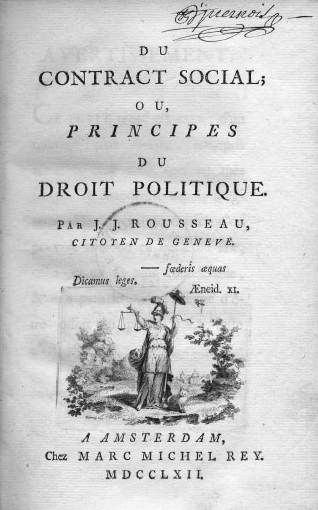 Book
Primary source
The Social Contract
Jean-Jacques Rousseau · 1762
 Painting
Primary source
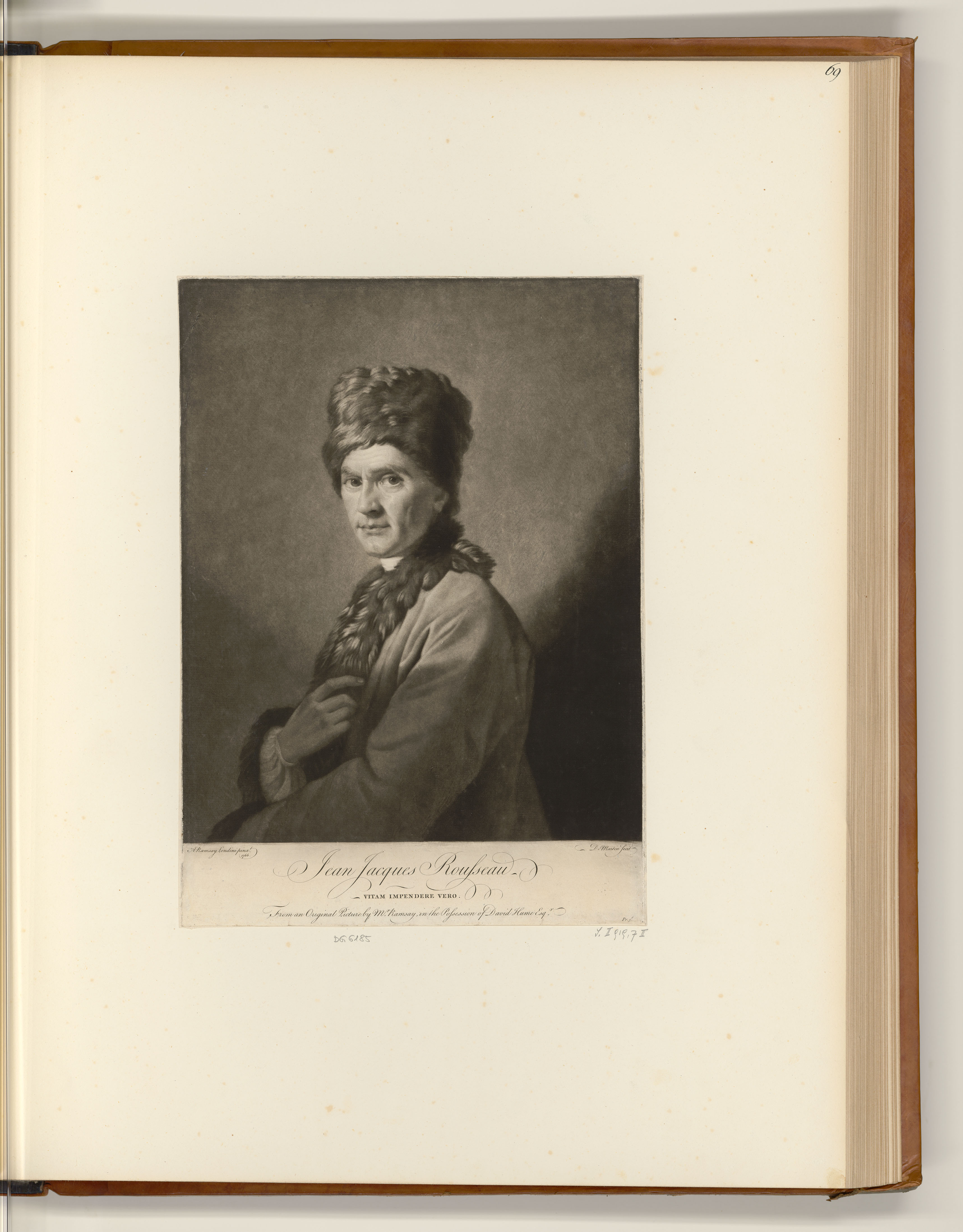
Portrait of Jean Jacques Rousseau
David Martin · 1766
 Book
Primary source
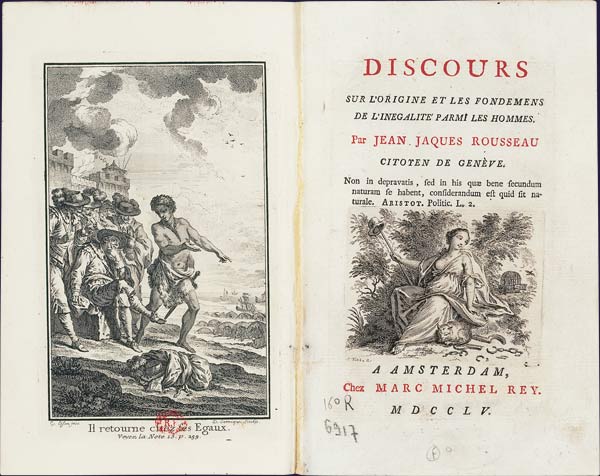
Discourse on Inequality
Jean-Jacques Rousseau · 1754 (published 1755)
 Painting
Secondary source
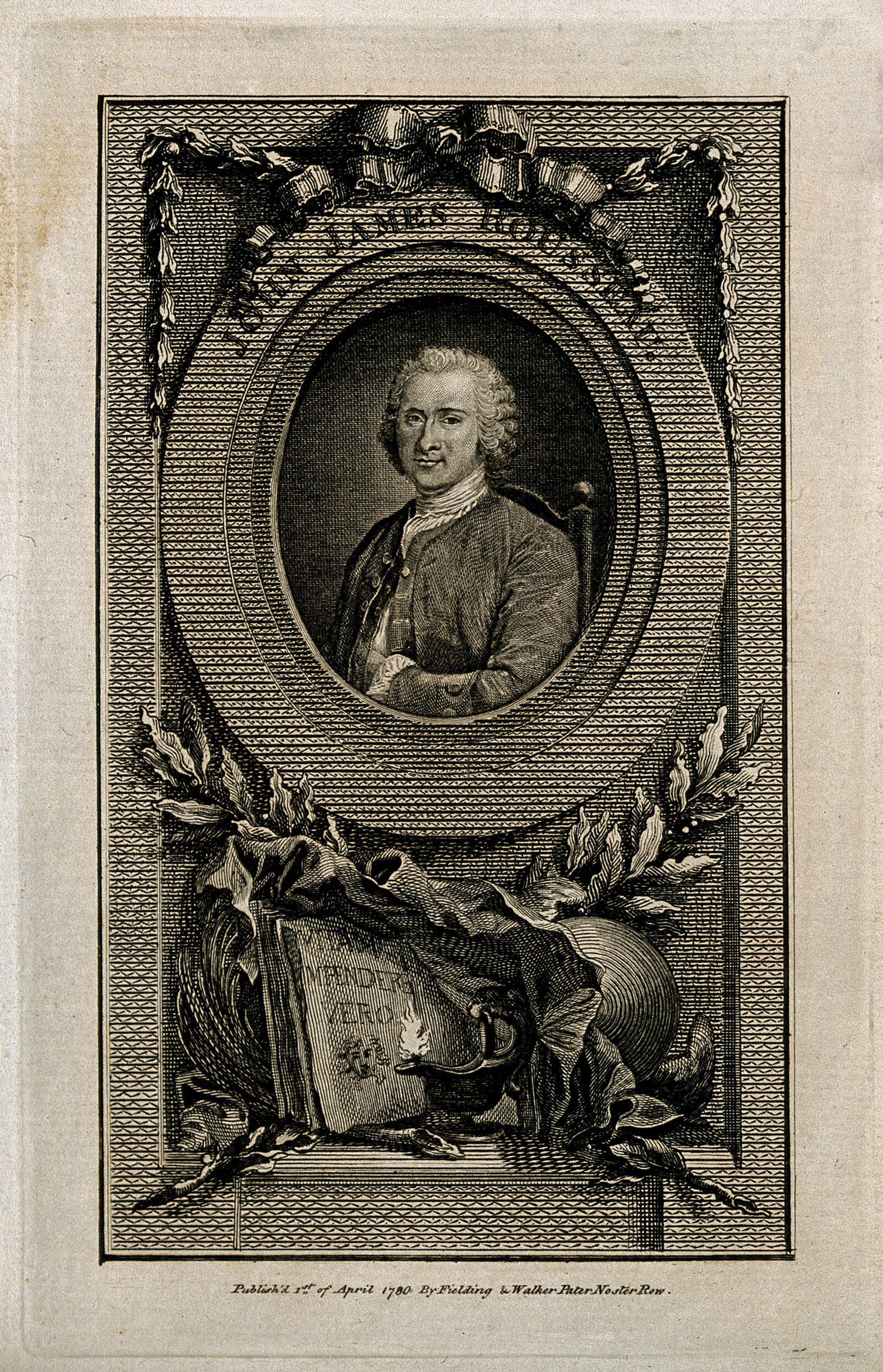
Engraving of Rousseau after La Tour's Portrait
E. Ficquet, after Maurice Quentin de La Tour · 1780
 Book
Primary source
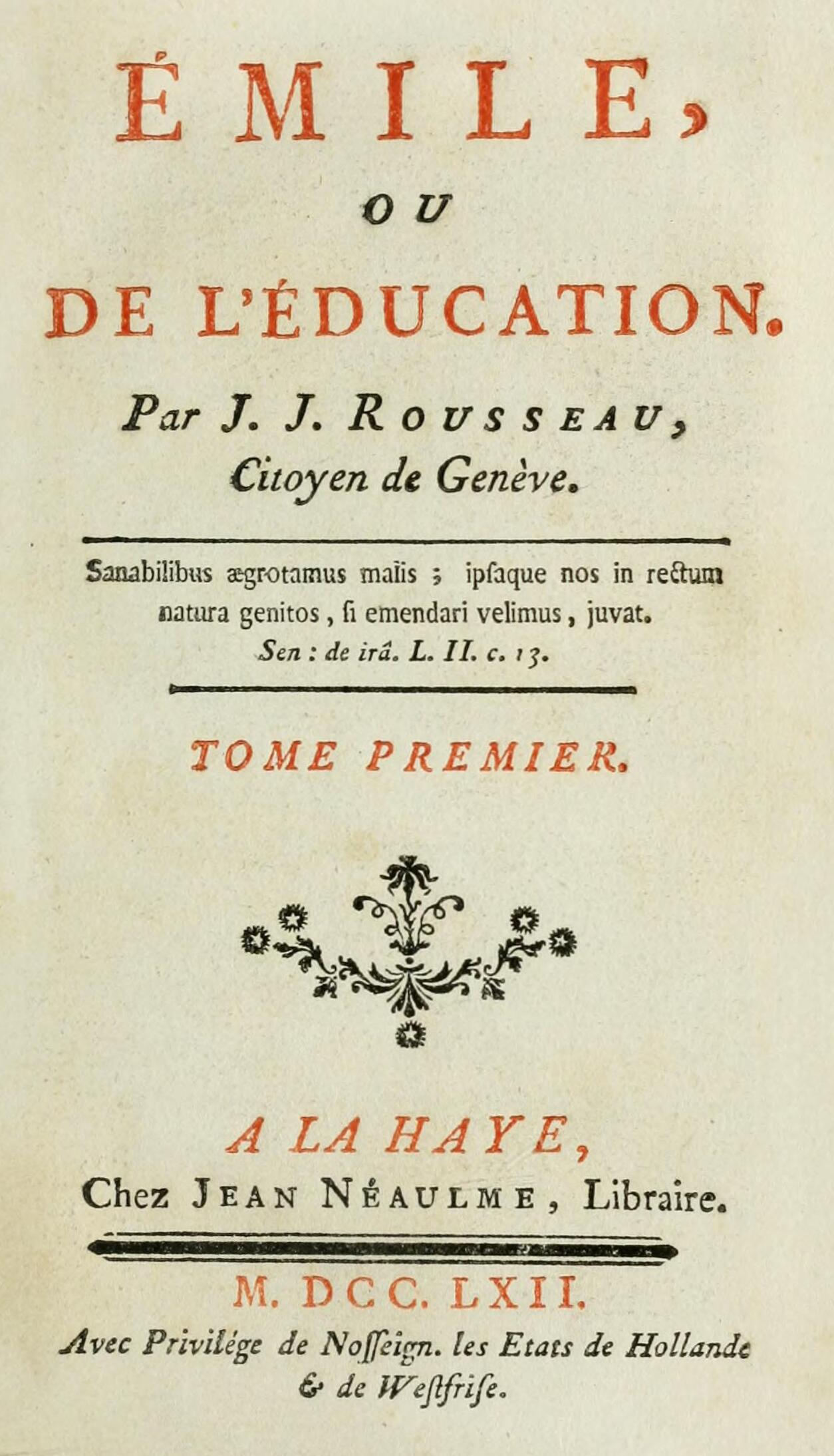
Emile, or On Education
Jean-Jacques Rousseau · 1762
Ready when you are
Start chatting with Jean-Jacques Rousseau now.
20 messages free · No credit card · Available in 50+ languages.