


Primary sourceBook1637
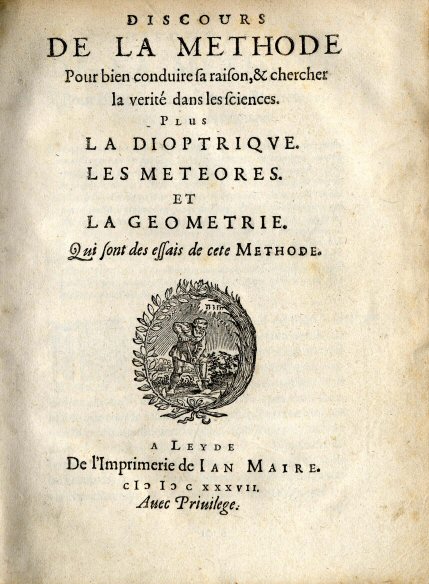
Discourse on the Method
René Descartes · 1637
Descartes's 1637 French treatise where he sets out his method of reasoning and first states 'I think, therefore I am'.
Descartes's own manifesto of his method and the origin of his most famous philosophical statement.
About this source
What it is
A philosophical and autobiographical treatise written by René Descartes and published in 1637 in Leiden. It presents his four rules of method and tells the story of his own intellectual development, ending with the famous statement 'I think, therefore I am'.
Why it matters
This book is one of the most influential works in modern philosophy. Written in French rather than Latin, it was meant to reach a wider audience than scholars alone, showing Descartes's wish to make reasoning accessible to ordinary readers. It helped found modern approaches to knowledge, doubt and certainty, and laid groundwork for science and mathematics that followed.
Look closer
- Why might Descartes have chosen to write in French instead of Latin?
- What does it mean to doubt everything before trying to know anything?
- How does telling his own life story help Descartes make his philosophical argument?
This book is part of the curated material that grounds the AI version of Rene Descartes on Humy.ai — when students ask about related events, the AI can quote it and cite it.
More Rene Descartes sources
Meet the AI Rene Descartes →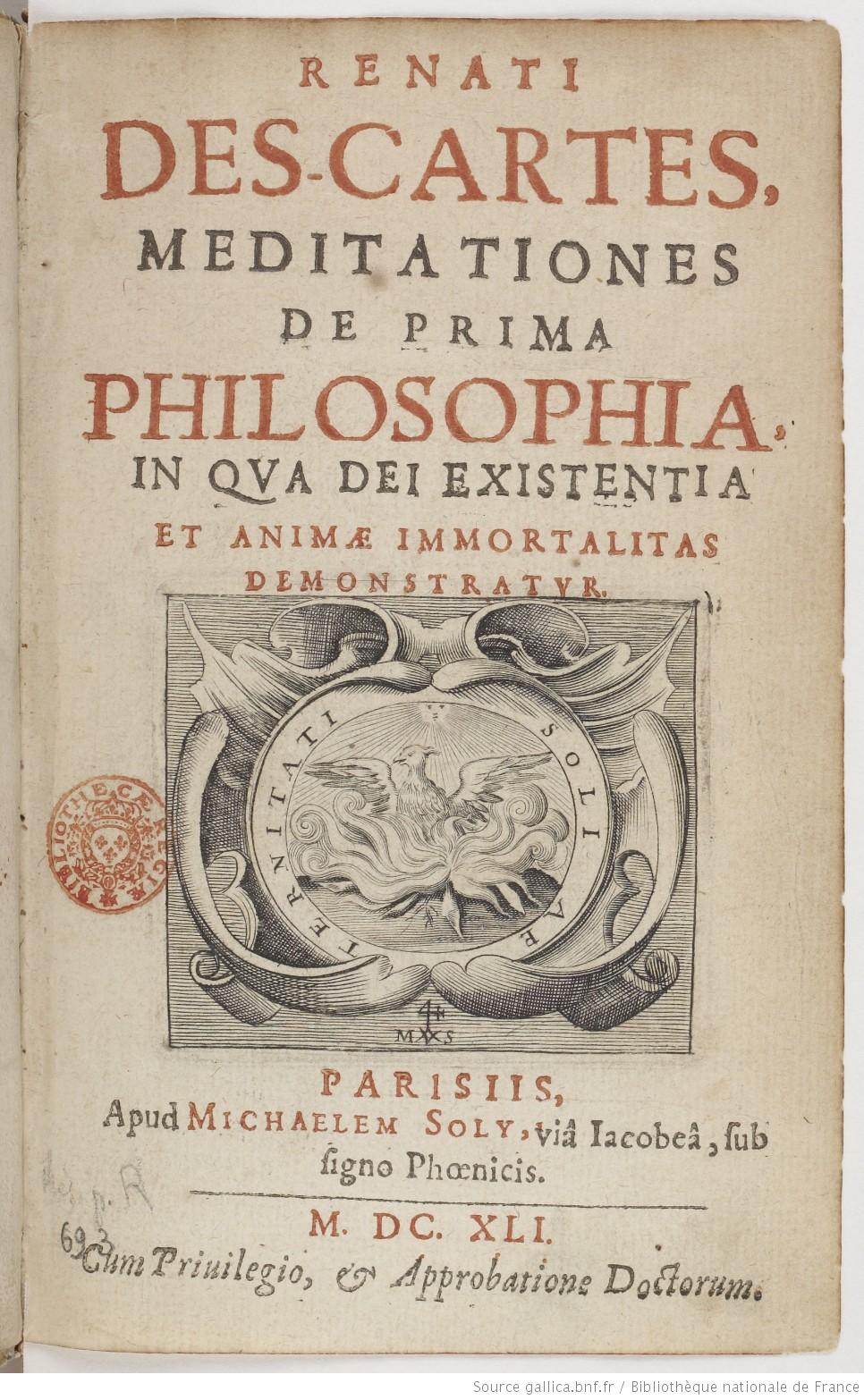 Book
Primary source
Meditations on First Philosophy
René Descartes · 1641
 Document
Primary source
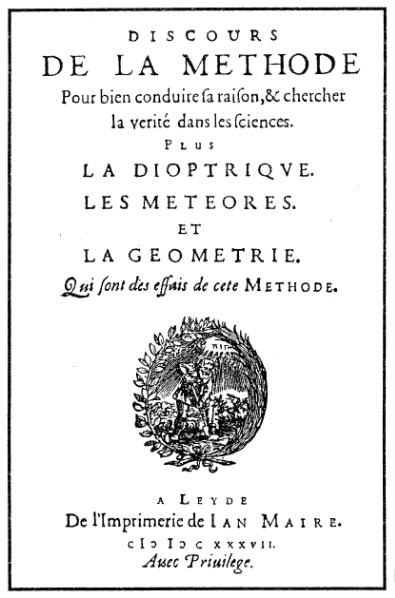
La Géométrie
René Descartes · 1637
 Painting
Primary source
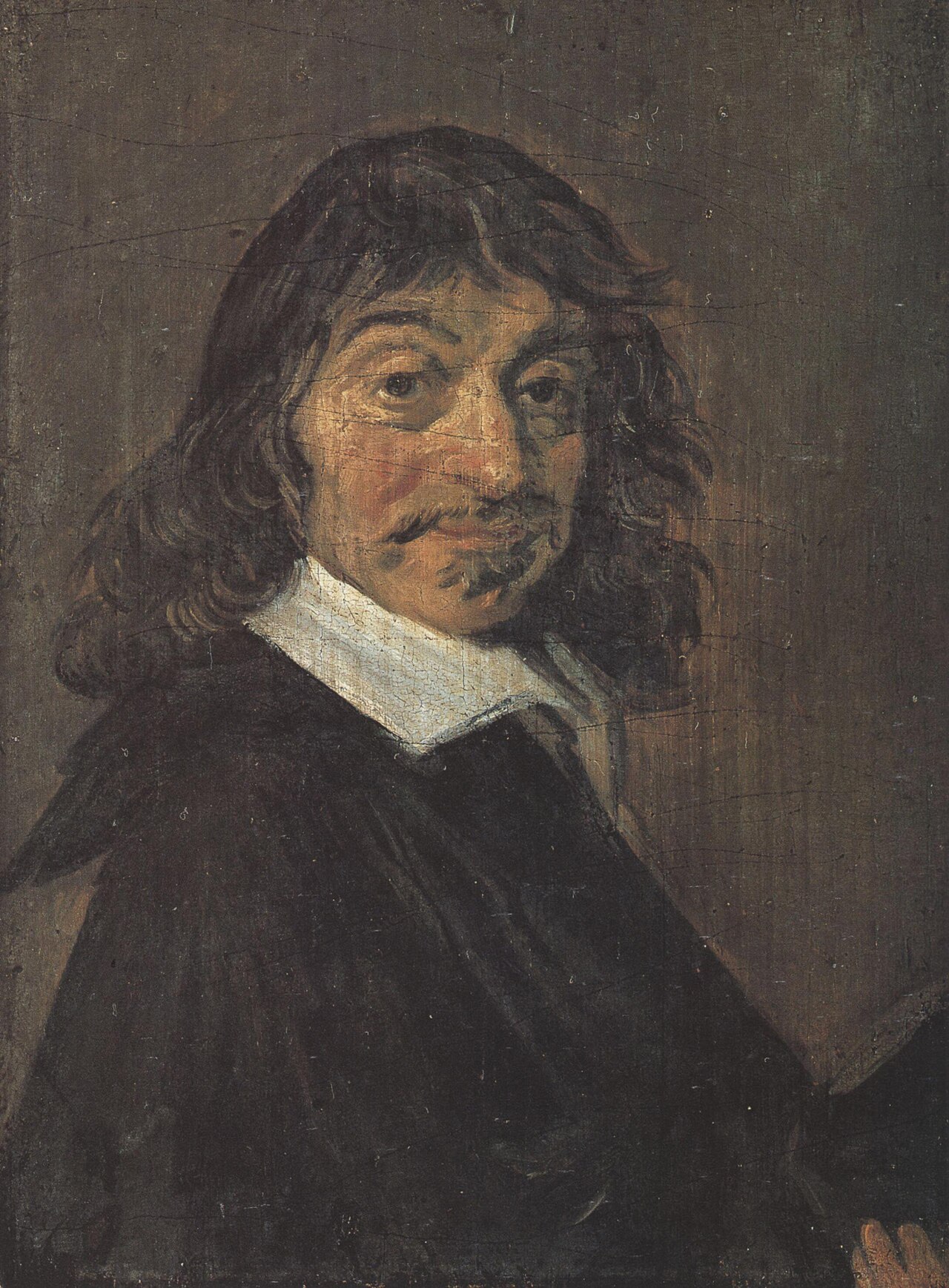
Portrait of René Descartes
Frans Hals · 1649
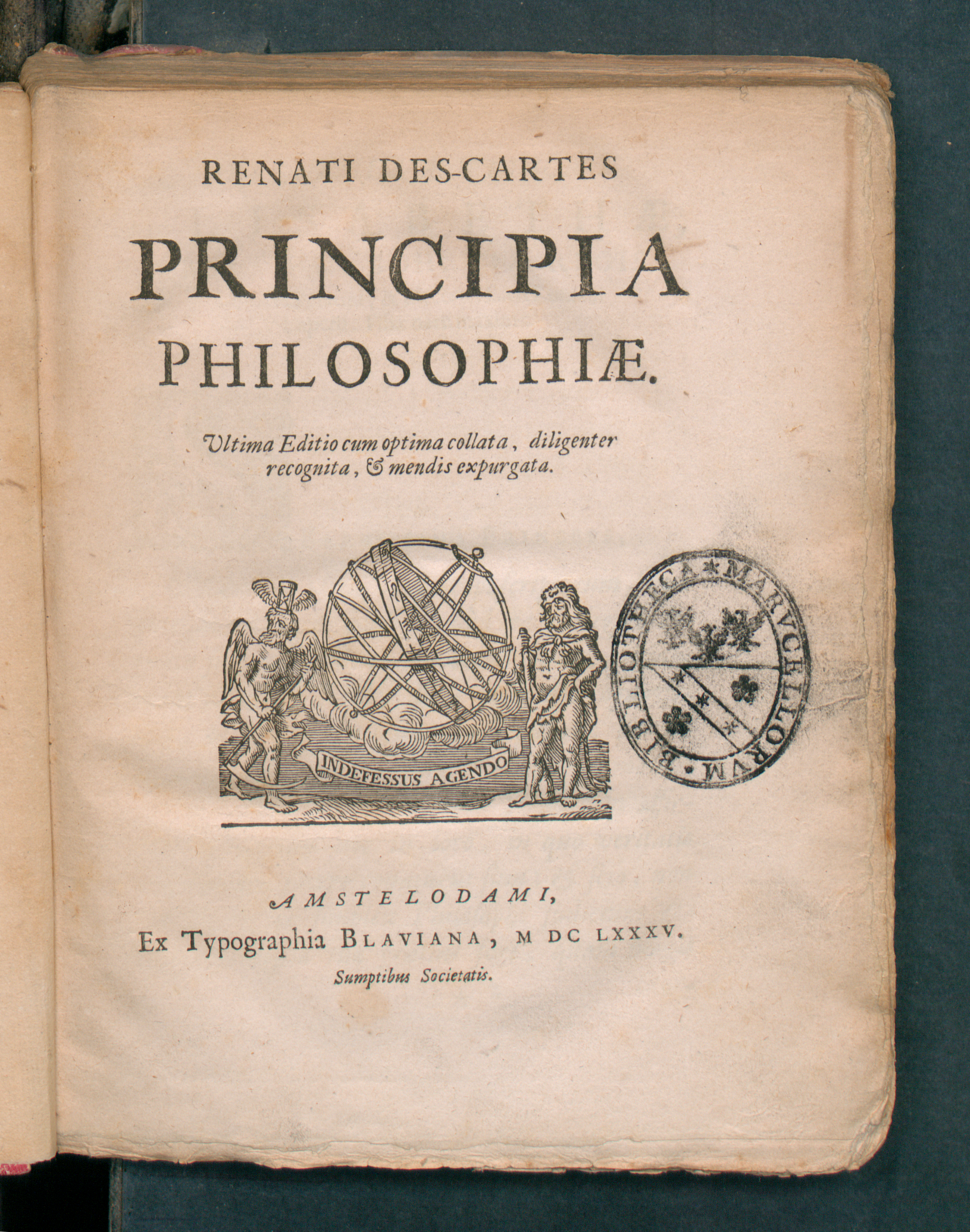 Book
Primary source
Principles of Philosophy
René Descartes · 1644
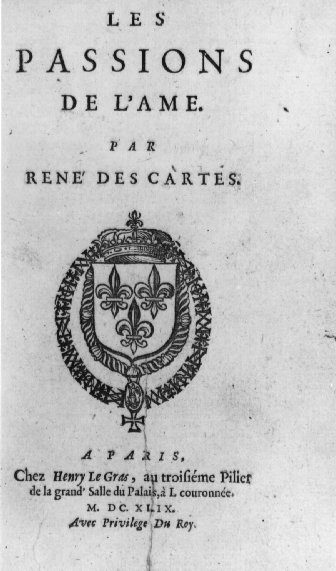 Book
Primary source
Passions of the Soul
René Descartes · 1649
Ready when you are
Start chatting with Rene Descartes now.
20 messages free · No credit card · Available in 50+ languages.